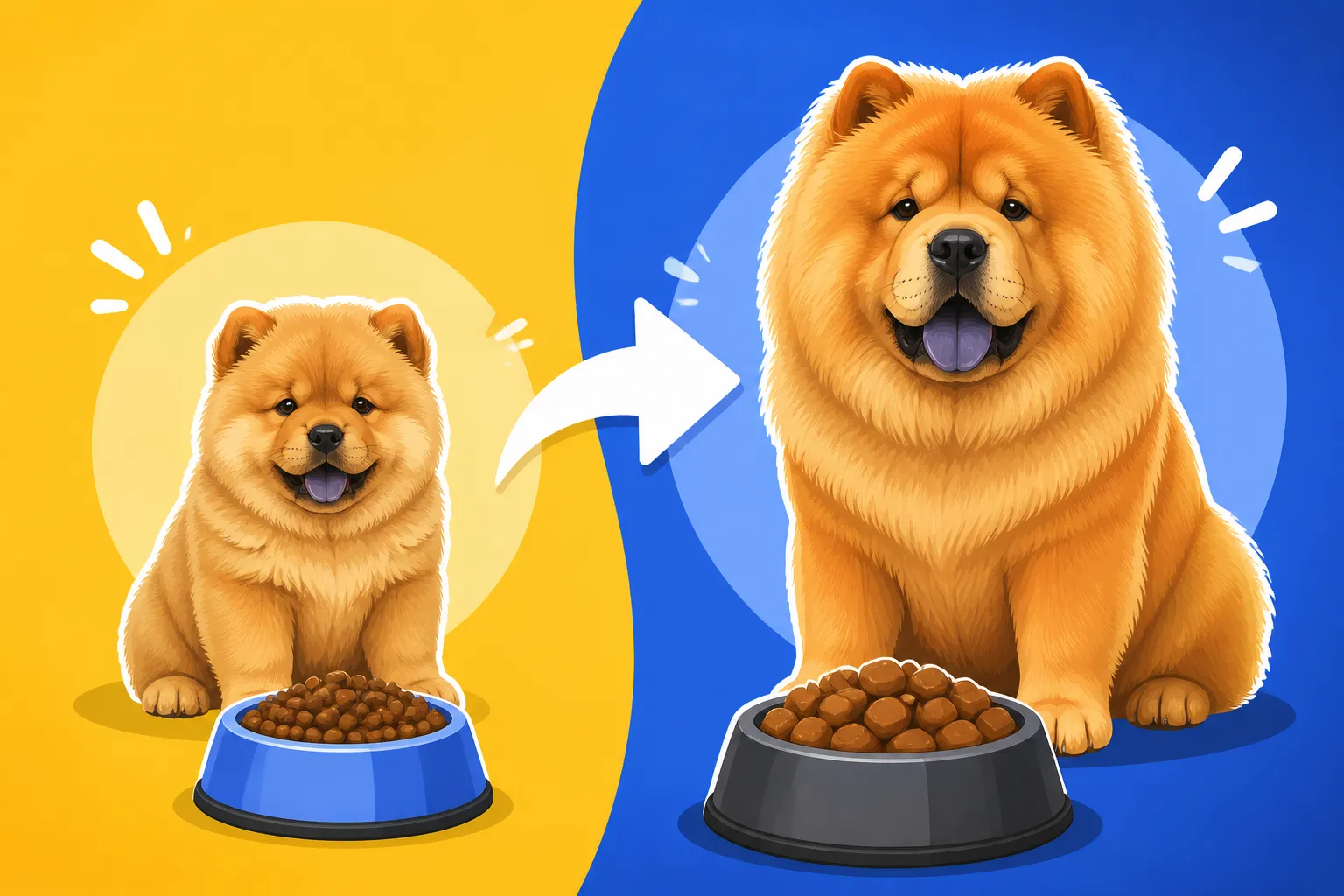
When a Chow Chow Puppy Moves to Adult Food
It’s a common moment for many new Chow Chow parents: you’re looking at that fluffy, growing puppy and wondering, When exactly do I switch them over to adult food? The concern is real – you want to ensure your beloved companion gets all the right nutrients for healthy development without rushing things or causing any tummy troubles. This comprehensive guide will walk you through the subtle art and science of transitioning your Chow Chow puppy to adult food, helping you understand the perfect timing and how to make the switch as smooth as possible.
Understanding Puppy Growth Stages in Chow Chows
The journey from a tiny, wrinkly fluffball to a majestic, adult Chow Chow is a fascinating process, marked by distinct growth phases, each with its own nutritional needs. Understanding these stages is paramount to knowing when to adjust their diet.
The Rapid Growth Phase
Just like all puppies, Chow Chows experience an initial burst of incredibly rapid growth from birth through their first few months. During this time, their bodies are working overtime, developing bones, muscles, and organs at an astonishing rate. This phase demands a diet rich in calories, protein, and essential nutrients to fuel this intense development. Puppy foods are specifically formulated to meet these higher demands, providing a dense concentration of energy and building blocks. For a large breed like the Chow Chow, however, this rapid growth needs to be managed carefully. Too much too fast can actually be detrimental to their developing skeletal system.
The Slowing of Growth
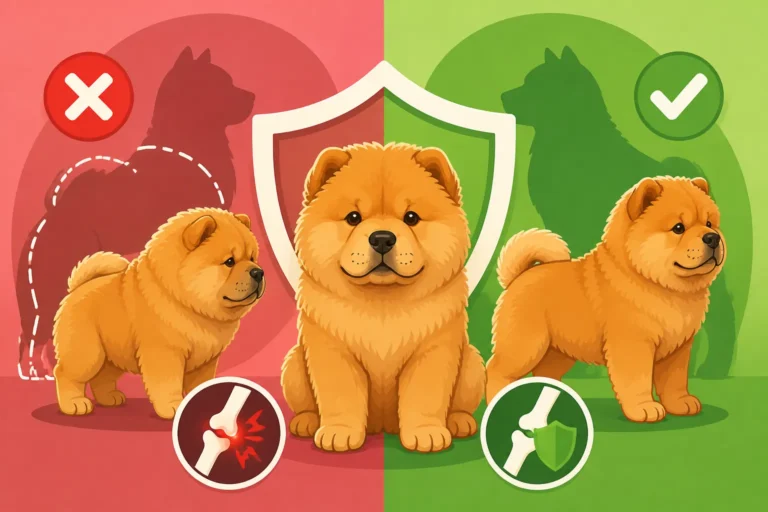
As your Chow Chow puppy moves past the initial whirlwind of growth, typically around 6 months and certainly by 9-12 months, you'll start to notice a deceleration. They're still growing, mind you, but not with the same explosive energy. Instead of shooting up in height daily, they begin to fill out, gain muscle mass, and mature in their overall physique. This slowing period is crucial because it allows their bones and joints to strengthen without being overburdened by excessive weight or accelerated development. For a breed prone to joint issues, this controlled growth is incredibly important. You’re not just watching them grow; you’re managing their development to support long-term health. This is why Why a Chow Chow Puppy Needs Controlled Growth is such a critical concept for Chow Chow owners.
Reaching Skeletal Maturity
The ultimate indicator that your Chow Chow is ready for adult food is when they reach skeletal maturity. This doesn't necessarily mean they've achieved their full adult weight, as some Chows might continue to put on muscle and mature for a few more months after their bones have finished growing. Skeletal maturity means their growth plates, located at the ends of their long bones, have closed. Once these plates are closed, the bones can no longer lengthen. For most Chow Chows, this typically happens between 12 and 18 months of age, with larger, slower-maturing individuals sometimes taking a bit longer. Until those growth plates are fully closed, feeding a puppy formula, particularly one designed for large breeds, is usually recommended. Knowing When a Chow Chow's Growth Plates Close is a strong indicator for dietary transition.
Why the Timing of Transition Matters for Chow Chows
Making the switch from puppy to adult food isn't just a casual decision; for a Chow Chow, the timing can have significant implications for their long-term health and well-being. It's about finding that sweet spot to support optimal development.
Avoiding Too Early Transition
Transitioning a Chow Chow puppy to adult food too soon can have several adverse effects. Puppy food contains higher levels of protein, fat, and calories to support their rapid development. If you switch to adult food before their growth plates have closed and their bodies have matured, they might not receive adequate nutrition to meet their developmental needs. This could potentially lead to nutritional deficiencies, impacting bone density, muscle development, and overall health. In the long run, this could mean a less robust skeletal structure or a compromised immune system. Chow Chow puppies need that extra fuel and specific nutrient ratios to build strong foundations, and cutting that short is never a good idea.
Avoiding Too Late Transition
On the flip side, keeping your Chow Chow on puppy food for too long can be just as problematic, if not more so, especially for a large breed. Puppy formulas are calorie-dense, and once a Chow Chow's growth rate starts to slow, these extra calories can quickly lead to unwanted weight gain. Rapid weight gain and excessive growth put immense strain on developing joints, increasing the risk of orthopedic issues like Elbow Dysplasia Ranks the Chow Chow Near the Top and Hip Dysplasia in a Chow Chow. These conditions are unfortunately common in larger breeds, and diet plays a significant role in their prevention and management. Overfeeding a puppy, even with puppy food, can set them up for a lifetime of joint pain and mobility issues. It's a delicate balance, and getting it right is crucial for their comfort and health as they age.
The "Large Breed Puppy" Factor
This is where the nuances of Chow Chow nutrition really come into play. Many standard puppy foods are formulated for a broad range of breeds, but large breeds like the Chow Chow have unique needs. Large breed puppy formulas are specifically designed with controlled growth in mind. They typically have slightly lower calcium and phosphorus levels compared to regular puppy foods, and a slightly lower caloric density. This is not to restrict growth, but to ensure it happens at a healthy, steady pace, preventing the rapid growth spurts that can exacerbate joint problems.
For Chow Chows, choosing a large breed puppy food from the start is often the best choice, and understanding Whether a Chow Chow Puppy Needs Large Breed Food is key. When it's time to transition, moving to a large breed adult formula can maintain that careful balance. Brands like Ollie often offer tailored plans, and you can find a wide variety of large breed options on platforms like Chewy or Amazon, allowing you to compare ingredients and find something suitable for your maturing Chow Chow.
| Nutritional Component | Standard Puppy Food | Large Breed Puppy Food | Adult Dog Food |
|---|---|---|---|
| Caloric Density | High | Moderate | Moderate |
| Protein | High | High | Moderate to High |
| Fat | High | Moderate | Moderate |
| Calcium | Higher | Lower (Controlled) | Moderate |
| Phosphorus | Higher | Lower (Controlled) | Moderate |
| Growth Rate Support | Rapid | Controlled | Maintenance |
Key Indicators It's Time for Adult Food
While we've talked a lot about the why, let's get down to the practical how to tell your Chow Chow is ready for the dietary shift. It’s not just about hitting a specific age, but observing a combination of factors.
Age Milestones
For most Chow Chows, the sweet spot for transitioning to adult food falls within the 12 to 18-month range. This wider window reflects the individual differences in growth rates and maturity across the breed. Some Chows might be ready closer to their first birthday, especially if they are on the smaller side or have had a consistent, healthy growth curve. Others, particularly larger males, might take closer to 18 months to fully reach skeletal maturity. It’s important to remember that this is a guideline, not a strict deadline. Your veterinarian is always the best resource to confirm if your specific Chow Chow is ready based on their individual development.
Physical Development Cues
Beyond the calendar, your Chow Chow's physical appearance and development will give you clear signals. One of the most telling signs is when they appear to have reached their full height. While they may still fill out and gain muscle, that upward growth typically slows or stops around this time. You’ll notice their legs look proportionate to their body, rather than gangly or perpetually growing.
Another important cue is their body condition. Instead of looking like a lean, growing machine, they’ll start to develop the more robust, solid physique characteristic of an adult Chow. This means a good layer of muscle and healthy fat, not an overweight appearance. You should still be able to feel their ribs easily under their dense coat, without seeing them, which is a good indicator of How to Feel a Chow Chow's Ribs Under the Coat. If they’re starting to look a bit round or pudgy while still on puppy food, it's a strong sign it's time to switch and adjust portions. A mature Chow Chow should have a healthy, athletic build under all that fluff.
Behavioral Changes
Believe it or not, your Chow Chow's behavior can also offer clues. Growing puppies often have insatiable appetites and boundless energy, burning through calories at an incredible rate. As they approach adulthood, their energy levels tend to stabilize. While still active, they might not have the same frantic bursts of energy as a younger puppy. Their hunger might become a bit more measured as well. They might not devour every meal with quite the same gusto, or they might seem less "starved" between meals. This isn't to say they'll become finicky, but rather that their intense caloric demands have begun to normalize. This shift can coincide with the amount of food an adult Chow Chow typically needs, which is often less than you'd expect for their size, as discussed in What an Adult Chow Chow Eats. Observing these subtle shifts in energy and appetite, alongside their physical development, paints a clearer picture of their readiness for adult food.
The Transition Process: How to Switch Foods Smoothly
Once you've decided it's time to transition your Chow Chow to adult food, the actual switch needs to be handled with care. A sudden change can upset even the most ironclad stomach, and Chow Chows can sometimes have more sensitive digestive systems than other breeds.
Gradual Introduction is Key
The golden rule for any dietary change, especially for a Chow Chow, is gradual introduction. You want to give your dog's digestive system time to adjust to the new ingredients, nutrient ratios, and textures. A sudden switch can lead to vomiting, diarrhea, and general stomach upset, which is miserable for everyone involved.
Here’s a typical 7-10 day transition schedule, though you can extend it if your Chow Chow seems particularly sensitive:
- Days 1-2: Mix 75% old food with 25% new food.
- Days 3-4: Mix 50% old food with 50% new food.
- Days 5-6: Mix 25% old food with 75% new food.
- Days 7-10: 100% new adult food.
During this process, always monitor your Chow Chow closely for any signs of discomfort or digestive issues. This slow approach helps their gut microbiome adapt to the new diet, making for a much smoother transition.
Monitoring for Digestive Upset
Even with a gradual transition, some Chow Chows might still experience a bit of a wobble. Their unique digestive makeup, which can sometimes be more sensitive, means you need to be extra vigilant. Look out for loose stools, diarrhea, vomiting, excessive gas, or a sudden decrease in appetite. If you notice any of these signs, slow down the transition. Go back to the previous ratio for a few extra days, or even reduce the new food percentage further, until their system stabilizes.
It's also a good idea to keep a close eye on their energy levels and overall demeanor. A healthy Chow Chow should remain active and engaged. If they seem lethargic or withdrawn, it could indicate digestive discomfort. If symptoms persist or worsen, or if you're ever concerned, don't hesitate to contact your veterinarian. They can offer advice, and in some cases, might recommend a specific probiotic or a bland diet for a short period to help reset their system. The fact that Whether a Chow Chow Has a Sensitive Stomach is a known consideration for the breed makes this monitoring even more important.
Choosing the Right Adult Food
Now that you're ready to make the switch, which adult food should you choose? The market is flooded with options, which can be overwhelming. For a Chow Chow, consider the following:
- Large Breed Formulas: Just as with puppy food, many premium adult dog food brands offer formulas specifically for large breeds. These are often designed to support joint health with ingredients like glucosamine and chondroitin, and typically have a calorie count suited for the slower metabolism of a larger, mature dog.
- Quality Ingredients: Look for a high-quality protein source as the first ingredient (e.g., chicken, lamb, beef, fish). Avoid foods with excessive fillers, artificial colors, or by-products. Whole grains or easily digestible carbohydrates like sweet potato are good choices.
- Fat Content: A moderate fat content is usually appropriate for adult Chows, providing energy without promoting excessive weight gain.
- Reputable Brands: Stick with established brands known for their nutritional research and quality control. Sites like Chewy and Amazon allow you to read reviews and ingredient lists thoroughly. Brands like Ollie also offer fresh, human-grade meal options that can be customized to your dog's needs, which might be a good option for sensitive stomachs. Remember to compare ingredients, not just marketing claims.
Special Considerations for Chow Chows and Diet
Chow Chows, with their distinctive build and luxurious coat, have a few particular dietary considerations that are worth noting as they transition into adulthood and beyond.
Managing Weight and Body Condition
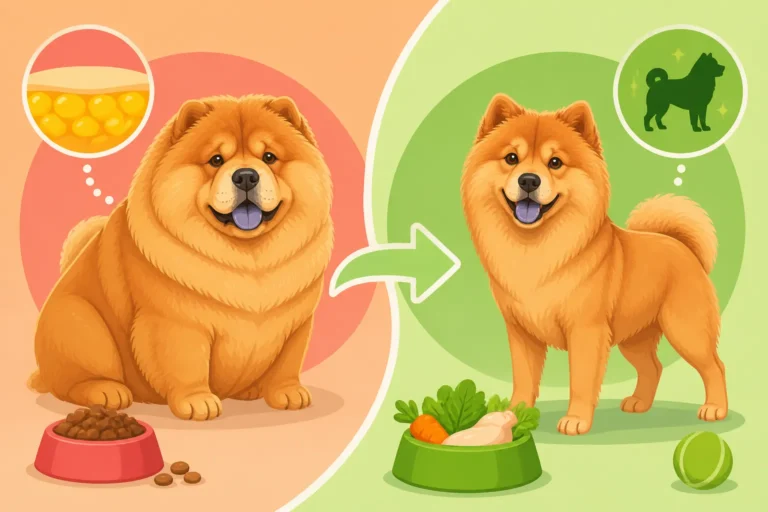
One of the biggest challenges for Chow Chow owners is managing their dog's weight. That incredible, dense double coat, while beautiful, can be quite deceiving. It can hide a few extra pounds that would be obvious on a shorter-coated breed. This means you need to be diligent about checking their body condition regularly. As mentioned before, you should be able to feel their ribs without pressing hard, and they should have a discernible waist when viewed from above, even if the fur hides it. Signs a Chow Chow Is Overweight can be subtle and easily missed due to their build.
Once your Chow Chow is on adult food, adjust portion sizes based on their activity level and ideal weight, not just what the bag recommends. Those recommendations are typically for average dogs, and Chow Chows can often be less active than many other breeds. Regular weigh-ins at the vet or at home can help you stay on track. Small adjustments to their food intake can make a big difference in preventing obesity, which places unnecessary stress on their joints and overall health.
The Importance of a Quality Diet for Joint Health
Given the Chow Chow's predisposition to joint conditions like hip and elbow dysplasia, a high-quality diet that supports joint health isn't just a nice-to-have; it's essential. The right balance of nutrients in a large breed adult formula can help maintain healthy cartilage and bone. Some owners, in consultation with their veterinarian, might also consider supplementing their adult Chow Chow's diet with joint-supporting ingredients like glucosamine, chondroitin, and omega-3 fatty acids. These can be found in some specialized foods or as standalone supplements.
While diet can’t prevent genetic predispositions, it can certainly help manage and mitigate the severity of these conditions. Keeping your Chow Chow at a healthy, lean weight is one of the single most impactful things you can do to protect their joints throughout their life.
Hydration and Feeding Environment
Proper hydration is vital for all dogs, and Chow Chows are no exception. Always ensure your adult Chow Chow has access to fresh, clean water. Their dense coat can make them prone to overheating, especially in warmer climates, so adequate water intake is crucial.
Furthermore, consider their feeding environment. Like many deep-chested breeds, Chow Chows can be at a slightly elevated risk for bloat (gastric dilatation-volvulus), a life-threatening condition where the stomach twists. While the exact causes are complex, certain feeding practices are believed to help reduce the risk. These include:
- Elevated Bowls: Some studies suggest elevated bowls might help, though opinions vary. Discuss this with your vet.
- Slow Feeders: If your Chow Chow tends to gulp down their food quickly, a slow feeder bowl can encourage them to eat at a more measured pace.
- Multiple Small Meals: Instead of one large meal, splitting their daily ration into two or three smaller meals can also be beneficial.
Understanding How to Feed a Chow Chow to Reduce Bloat Risk is an important part of their overall care, extending beyond just what food they eat to how they eat it. By paying attention to these details, you can help ensure your Chow Chow enjoys a long, healthy, and comfortable life.
Disclaimer
This article is for general informational purposes only and does not constitute professional advice. Laws, prices and regulations vary by location and change over time. Consult a qualified professional for guidance on your specific situation.