Why a Chow Chow Puppy Should Grow Slowly
Bringing home a fluffy Chow Chow puppy is an absolute joy, but it also comes with a unique set of responsibilities, especially when it comes to their growth. Many new Chow owners, understandably, want to see their pups get big and strong quickly, yet pushing a Chow Chow puppy to grow too fast can actually set them up for a lifetime of serious health issues. This guide will walk you through why a slow and steady growth rate is paramount for your Chow Chow's long-term health and how you can support it.
The Unique Skeletal Foundation of a Chow Chow
Chow Chows aren't built like many other breeds. Their sturdy, compact bodies, combined with their distinctive straight rear legs and deep chests, mean their skeletal system develops in a way that needs careful management, especially during those critical puppy months. Understanding this unique foundation is the first step to ensuring your puppy grows up strong and healthy, not just big.
Understanding Their Straight Rear Legs
One of the most defining characteristics of a Chow Chow is their straight rear legs, which contribute to their unique "stilted" gait. While charming and breed-standard, this structure means their hip and knee joints bear weight differently than dogs with more angulated rear assemblies. Their straight stifles (knees) mean less shock absorption through the joint itself, placing more reliance on muscle and bone integrity.
This distinct conformation makes the developing joints particularly vulnerable to stress. Rapid growth, where bone and cartilage develop faster than supporting muscles and ligaments can keep pace, can put immense strain on these areas. It’s like building a house with a unique architectural design – you can’t rush the foundation or the framing without risking structural integrity down the line. For a Chow Chow, this translates to an increased risk of developmental orthopedic diseases, which we’ll delve into shortly. Why a Chow Chow's Straight Rear Leg Limits Running further explains some of the implications of this unique structure in their adult life.
The Impact of Their Deep Chest and Broad Build
Beyond their rear legs, Chow Chows possess a deep chest and a broad, sturdy build. This substantial body type means they carry a significant amount of weight, even as puppies. While impressive, this weight distribution means their skeletal frame, particularly their spine and front limb joints, also needs time to mature and solidify without undue pressure.
Their dense musculature and heavy bone structure require a strong, resilient framework to support them throughout their lives. Pushing for fast growth can lead to an imbalance, where the bones might lengthen rapidly but without the necessary density or the surrounding soft tissues (ligaments, tendons, muscles) fully developing to stabilize them. This can create vulnerabilities that might not be immediately obvious but can manifest as lameness or discomfort later. It's crucial for their sturdy frame to develop at a rate that allows all components – bone, cartilage, muscle, and connective tissue – to strengthen harmoniously.
The Dangers of Too-Rapid Growth in Chow Chows
It might seem counterintuitive to actively slow down your puppy's growth, but for breeds like the Chow Chow, it's a critical preventative measure against debilitating conditions. Rapid growth, particularly an unchecked increase in weight and height, places undue stress on their developing joints and skeletal system, dramatically increasing the risk of serious orthopedic problems.
Joint Dysplasia: Hip and Elbow Concerns
The primary concern with rapid growth in Chow Chows is the increased risk of hip and elbow dysplasia. These are complex genetic conditions, but environmental factors, especially nutrition and exercise during puppyhood, play a massive role in their expression. When a Chow Chow puppy grows too quickly, their bones, cartilage, and surrounding soft tissues can't develop at a synchronized pace. The joints, particularly the hips and elbows, become malformed or unstable.
For instance, What Elbow Dysplasia Does to a Chow Chow can be a painful and crippling condition. In a rapidly growing pup, the joint surfaces might not align correctly, leading to abnormal wear and tear, inflammation, and eventually degenerative joint disease. The same goes for hip dysplasia, where the ball and socket of the hip joint don't fit together perfectly. These issues can cause chronic pain, lameness, and a reduced quality of life, often requiring expensive treatments or surgeries. A controlled growth rate allows the joints to develop correctly, minimizing the environmental triggers that can exacerbate these genetic predispositions.
Stress on Developing Bones and Cartilage
Chow Chow puppies have open growth plates in their long bones, which are areas of soft, rapidly dividing cartilage responsible for bone lengthening. These plates don't fully close and harden into bone until the puppy is typically 12 to 18 months old, and sometimes even later in large breeds. During this vulnerable period, they are highly susceptible to injury and stress.
Excessive weight gain or rapid lengthening of bones puts immense pressure on these delicate growth plates. This can lead to deformities, premature closure, or damage that impacts the bone's final shape and strength. Furthermore, rapid growth can contribute to conditions like osteochondrosis (OCD), where cartilage fails to mature into bone properly, leading to flaps of cartilage detaching within the joint, causing pain and lameness. It’s a delicate balance, and pushing too hard during these formative months can have irreversible consequences for your Chow Chow's skeletal integrity.
The Link Between Weight and Joint Health
Beyond the rate of growth, the actual weight a Chow Chow puppy carries is profoundly linked to its joint health. While it might feel good to have a plump, robust puppy, excess weight places additional strain on immature joints, even if the growth rate itself is perfectly controlled. Think of it like a human child carrying a heavy backpack every day – it affects their developing spine and posture.
A heavier body mass increases the load on the hips, elbows, and even the spine, exacerbating any underlying genetic tendencies towards dysplasia. Even for a puppy that might not develop full-blown dysplasia, carrying extra weight can lead to premature arthritis and discomfort later in life. It's about ensuring your Chow Chow puppy stays lean, allowing their joints to develop without unnecessary burden. Keeping a Chow Chow at the Weight Its Elbows Can Carry is a crucial aspect of long-term care that starts right in puppyhood. Maintaining an ideal body condition from the start is one of the most impactful things you can do to safeguard your Chow's mobility and comfort for years to come.
Nutritional Strategies for Controlled Puppy Growth
Nutrition is arguably the single most important factor you can control to ensure your Chow Chow puppy grows at a healthy, slow pace. It’s not about feeding less, but about feeding the right kind of food in the right amounts, ensuring a balanced intake of nutrients without encouraging excessive growth spurts.
Choosing the Right Large Breed Puppy Food
When selecting food for your Chow Chow puppy, opt specifically for a "large breed puppy" formula. These diets are carefully formulated with slightly lower calorie counts and a balanced calcium-to-phosphorus ratio compared to standard puppy foods. This unique composition is designed to support controlled growth in larger breeds, preventing the rapid growth that can predispose them to orthopedic issues. Many reputable brands offer such formulas, which you can often find readily available through online retailers like Chewy or Amazon.
Avoid feeding adult dog food too early, as it may not have the appropriate nutrient balance for a growing puppy. Conversely, regular puppy food, while suitable for smaller breeds, can be too calorie-dense and rich in certain minerals (like calcium) for a Chow Chow's specific developmental needs. Always check the ingredient list and the guaranteed analysis to ensure it meets the recommended guidelines for large breed puppies. Whether a Chow Chow Puppy Needs Large Breed Food delves deeper into why this specific formulation is so important.
The Importance of Measured Portions and Feeding Schedules
Free-feeding your Chow Chow puppy, where food is left out all day, is a recipe for disaster when it comes to controlled growth. It encourages overeating and can lead to rapid weight gain. Instead, establish a strict feeding schedule with measured portions. Consult the feeding guidelines on your chosen large breed puppy food bag, but always remember these are just starting points. Every puppy is an individual, and their metabolic rate can vary.
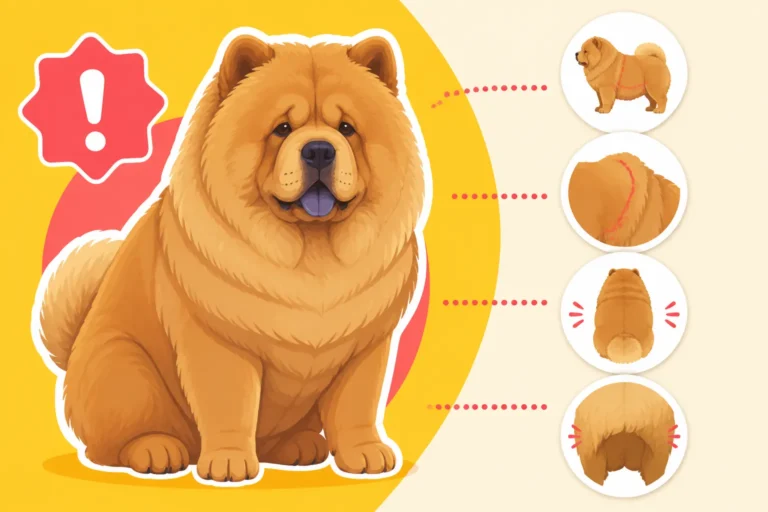
Monitor your puppy's body condition closely. You should be able to feel their ribs easily without seeing them protruding, and they should have a discernible waist when viewed from above. If they are looking too thin, slightly increase portions; if they are looking plump, slightly decrease. Splitting their daily food allowance into two or three meals (depending on age) helps with digestion and prevents large spikes in energy and nutrient intake. For those considering fresh food options, services like Ollie can provide pre-portioned, customized meals, which can be excellent for managing growth, though always confirm their suitability for large breed puppy growth.
Avoiding Excessive Protein and Calcium
While protein and calcium are vital for growth, too much of a good thing can be detrimental for a developing Chow Chow. Many people assume that more protein means stronger muscles and bones, but an overly high protein diet can contribute to a faster growth rate than is ideal. Look for large breed puppy foods with moderate protein levels, typically in the 23-26% range.
Similarly, an imbalance or excess of calcium can be particularly problematic. Whether Extra Calcium Harms a Chow Chow Puppy is a very real concern. High calcium intake can interfere with skeletal development, leading to conditions like osteochondrosis. Large breed puppy foods are formulated to have a carefully controlled calcium-to-phosphorus ratio. Avoid adding calcium supplements or feeding excessive amounts of dairy products, raw bones, or other high-calcium items without explicit veterinary guidance. Your puppy's commercial large breed puppy food should provide all the necessary calcium in the correct balance.
Monitoring Your Chow Chow Puppy's Development
Even with the best nutritional plan, vigilant monitoring of your Chow Chow puppy's development is crucial. It allows you to make adjustments as needed and catch any potential issues early. This involves regular checks at home and consistent communication with your veterinarian.
Regular Weight Checks and Body Condition Scoring
Make it a habit to weigh your Chow Chow puppy weekly or bi-weekly. A kitchen scale or a baby scale works well for smaller pups, and as they grow, your vet's office might let you pop in for quick weigh-ins. Keep a log of their weight to track their growth curve. You want to see a steady, moderate increase, not sudden spikes.
Equally important is body condition scoring (BCS). This involves visually assessing and gently feeling your puppy's body.
- Ideal: Ribs easily felt without excess fat covering, waist visible from above, and abdominal tuck from the side.
- Too thin: Ribs easily visible, prominent backbone.
- Too heavy: Ribs hard to feel, no discernible waist.
A great guide for BCS can be found online through veterinary association websites. It's less about a specific number on the scale and more about how their body feels and looks. How to Feel a Chow Chow's Ribs Under the Coat can be a bit tricky due to their dense fur, but it's an essential skill to learn.
| Body Condition | Description | Chow Chow Puppy Appearance Clues |
|---|---|---|
| Ideal | Ribs easily felt, visible waist, abdominal tuck. | Can feel ribs with light pressure; waist subtly present under thick coat; energetic. |
| Underweight | Ribs, spine, hip bones easily visible; no fat. | Ribs and hips too prominent; seems perpetually hungry; low energy. |
| Overweight | Ribs difficult to feel; no waist; heavy fat cover. | Ribs hard to locate; broad, barrel-like appearance; moves less freely. |
Observing Gait and Mobility
Your Chow Chow puppy's movement can tell you a lot about their joint health. Watch how they walk, run, and play. They should move freely and without favoring any limb. Early signs of joint discomfort or issues can be subtle:
- Lameness or limping: Even intermittent or slight.
- Stiffness: Especially after rest or waking up.
- Reluctance to play or jump: They might avoid activities they previously enjoyed.
- "Bunny hopping": Running with both rear legs moving together, which can indicate hip pain.
- Pain responses: Crying out when touched or handled in certain areas.
If you notice any of these signs, don't delay in contacting your veterinarian. Early intervention can make a significant difference in the outcome of orthopedic problems. It's often easy to miss these signs in a stoic breed like the Chow Chow, which tends to hide pain well, so pay close attention.
Partnering with Your Veterinarian
Your veterinarian is your most important partner in ensuring your Chow Chow puppy grows slowly and healthily. Regular veterinary check-ups are essential. During these visits, your vet will not only assess their overall health but also evaluate their growth rate, body condition, and joint health.
Don't hesitate to ask your vet about your puppy's ideal weight range and growth curve. They can provide specific feeding recommendations tailored to your individual puppy's needs and current condition. Your vet can also perform physical examinations specifically looking for signs of joint laxity or pain. If there are concerns, they might recommend X-rays at appropriate ages to screen for conditions like hip or elbow dysplasia, especially if your breeder hasn't provided verifiable health clearances for the parents as outlined in What a Chow Chow Breeder Should Have Tested. Building a strong, open relationship with your vet will benefit your Chow Chow for their entire The Eight to Twelve Years a Chow Chow Gets.
Lifestyle and Exercise to Support Healthy Growth
Beyond nutrition, how your Chow Chow puppy moves and plays significantly impacts their skeletal development. While exercise is vital for physical and mental health, it needs to be carefully managed to protect their still-forming joints and growth plates.
Moderating Puppy Play and Exercise
Puppies, especially Chow Chows, have bursts of energy, but their stamina and skeletal maturity are limited. It's easy to over-exercise a puppy, leading to fatigue and injury. Structured, moderate exercise is key. Instead of long, strenuous walks or intense fetch sessions, opt for several shorter, gentle playtimes throughout the day.
Keep walks short – think 5-10 minutes per month of age. So, a 3-month-old puppy would have 15-30 minute walks total, broken into a few sessions. Avoid forced running, jumping from heights, or prolonged activity on hard surfaces like concrete, which can be jarring on developing joints. Encourage soft landings during play and ensure they have plenty of time for rest and naps. Puppies don't need to run miles every day; appropriate socialization and mental stimulation are often more beneficial than excessive physical exertion. When a Chow Chow's Growth Plates Close is an important milestone to remember when considering increasing their activity levels.
Protecting Joints During Critical Growth Phases
The period from 4 to 18 months is particularly crucial for skeletal development in large breeds. During this time, growth plates are still open, and bones are lengthening and strengthening. Protecting your Chow Chow's joints means being mindful of their environment and activities.
Avoid repetitive, high-impact activities like constantly retrieving a ball or running alongside a bicycle. Instead, focus on low-impact activities like controlled leash walks, gentle tug-of-war, or sniffing games. Puppy-proof your home to prevent unsupervised jumps off furniture or slips on slick floors. Using rugs or runners on hard surfaces can provide better traction. Consider a good quality, supportive bed to ensure comfortable rest for their developing bodies.
The Dangers of Jumping and Stair Climbing
Jumping, whether off furniture, out of cars, or up and down stairs, can be particularly damaging to a Chow Chow puppy's developing joints. Each jump creates significant impact and torque on growth plates and ligaments that are not yet fully hardened. This stress can lead to micro-traumas or even more serious injuries, potentially contributing to conditions like patellar luxation or exacerbating hip and elbow issues.
Similarly, repetitive stair climbing, especially in young puppies, can place undue strain on their growing joints. While older Chow Chows can generally manage stairs, it's best to carry young puppies up and down or block off stair access until they are older and their growth plates have closed. Whether a Chow Chow Puppy Should Climb Stairs is a common question, and the answer is usually "not much, and not unsupervised." Consider ramps for accessing cars or higher surfaces if your Chow Chow absolutely needs to go up or down them, to minimize impact.
Long-Term Benefits of a Slow Growth Approach
Embracing a slow and controlled growth strategy for your Chow Chow puppy isn't just about avoiding problems; it's about investing in their future health, happiness, and longevity. The proactive steps you take during puppyhood lay the groundwork for a robust and comfortable adult life.
Reducing the Risk of Adult Joint Problems
The most direct and significant benefit of slow growth is the substantial reduction in the risk and severity of adult joint problems. By allowing bones, cartilage, and soft tissues to mature at their own pace, you foster stronger, more stable joints. This means a lower likelihood of your Chow Chow developing debilitating hip or elbow dysplasia, osteochondrosis, or early-onset arthritis.
Imagine your Chow Chow at eight or ten years old, still enjoying walks and playing without chronic pain or stiffness. This is the goal of controlled growth. While genetics play a role in orthopedic conditions, good husbandry during puppyhood can significantly mitigate their expression, allowing your Chow Chow to move comfortably and enjoy an active life well into their senior years. This thoughtful approach can save you considerable heartache and veterinary bills down the line.
Promoting Overall Lifespan and Quality of Life
A Chow Chow free from chronic pain and mobility issues is a happier Chow Chow. By prioritizing slow, healthy growth, you directly contribute to their overall quality of life. They'll be more comfortable, more able to engage in appropriate activities, and less reliant on pain medications or extensive rehabilitation as they age.
Furthermore, minimizing stress on their skeletal system early on can indirectly contribute to a longer lifespan. Dogs with severe orthopedic issues often face difficult decisions regarding their quality of life, and sometimes, pain management becomes insurmountable. By preventing or reducing the severity of these conditions, you help ensure your Chow Chow lives out their full potential, potentially reaching the higher end of The Eight to Twelve Years a Chow Chow Gets, enjoying every moment with you, their devoted person. It's an investment in their comfort, mobility, and companionship for their entire journey.
Disclaimer
This article is for general informational purposes only and does not constitute professional advice. Laws, prices and regulations vary by location and change over time. Consult a qualified professional for guidance on your specific situation.