Getting Weight Off a Chow Chow
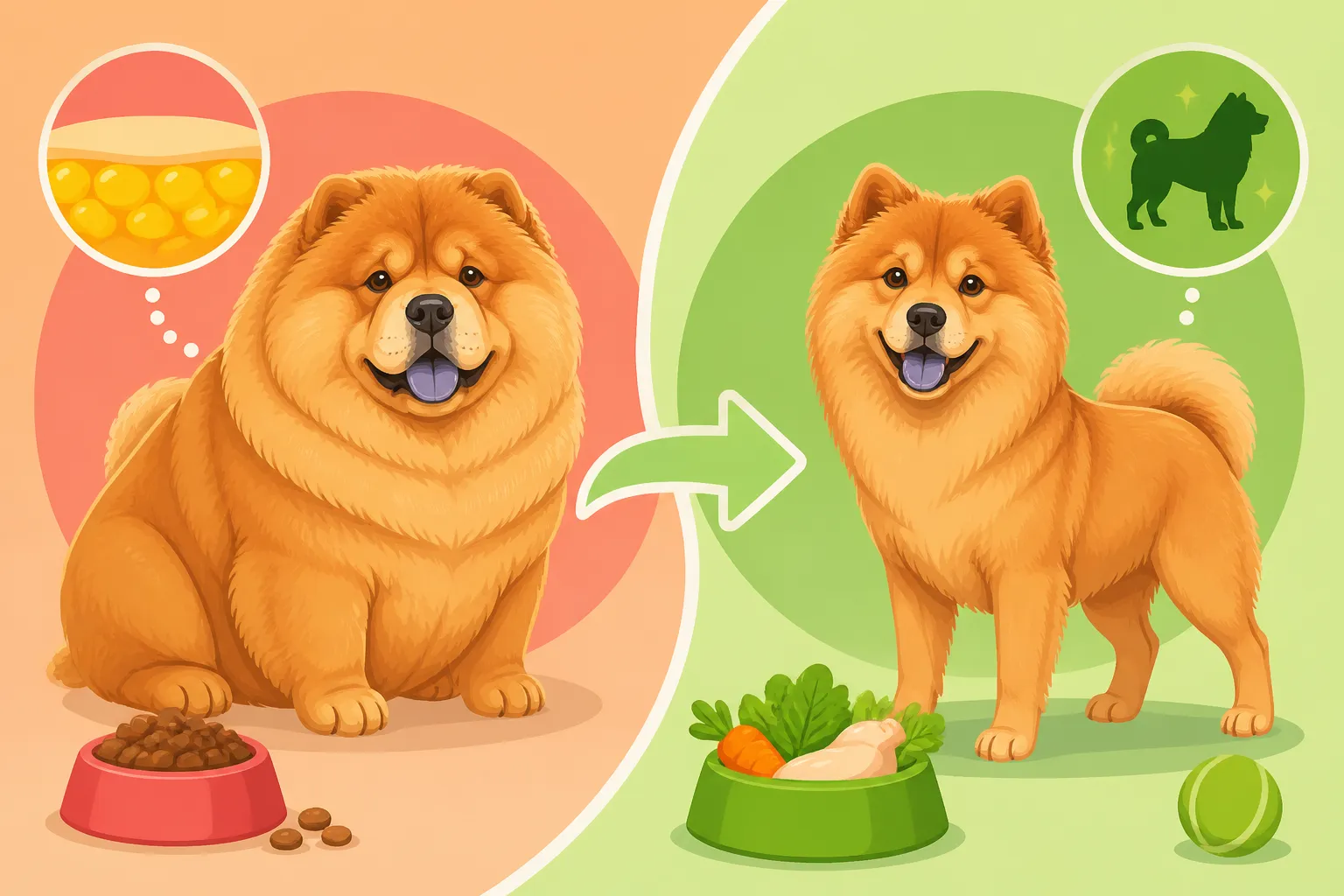
It's incredibly frustrating when you know your beloved Chow Chow is carrying a few too many pounds, but you just can't seem to get the weight off. Their dense double coat and naturally stocky build make it hard to even see if they're overweight, and their stubborn, low-energy personalities often make diet and exercise feel like an uphill battle. This guide is here to help you navigate those specific Chow Chow challenges, offering realistic strategies to help your furry companion shed those extra pounds safely and effectively.
Understanding the Chow Chow's Unique Weight Challenges
Chow Chows aren't like other dogs. Their genetics, their magnificent coat, and even their laid-back temperament all conspire to make weight management a trickier endeavor than you might expect. It's not about blame; it's about understanding these factors so you can develop the most effective plan.
Why It's Hard to Spot an Overweight Chow Chow
One of the biggest hurdles for Chow Chow owners is simply recognizing that their dog is overweight in the first place. Their luxurious, dense double coat, particularly the "rough" coat variety with its impressive mane, can be a master of disguise. A few extra pounds can easily be hidden beneath layers of fluff, making it hard to see the subtle changes in body shape that would be obvious in a short-haired breed.
You might be looking at your Chow and thinking they look perfectly robust, when in reality, they've started accumulating fat. This visual deception can delay intervention, allowing a few extra pounds to snowball into a significant weight problem. We often rely on visual cues, but with a Chow Chow, you simply can't. This is why tools like the body condition score, which focuses on touch rather than sight, become absolutely critical. You might find our post How a Chow Chow's Coat Hides Weight Loss particularly insightful here.
The Chow Chow's Low Metabolism and Exercise Tolerance
Unlike a high-energy Border Collie or a playful Labrador, Chow Chows are known for their more sedate, dignified approach to life. They aren't generally dogs who demand hours of intense exercise. This naturally lower activity level means their caloric needs are often much less than owners anticipate for a medium-to-large breed. If you're feeding them like a dog that runs marathons, you're almost guaranteed to see weight creep on.
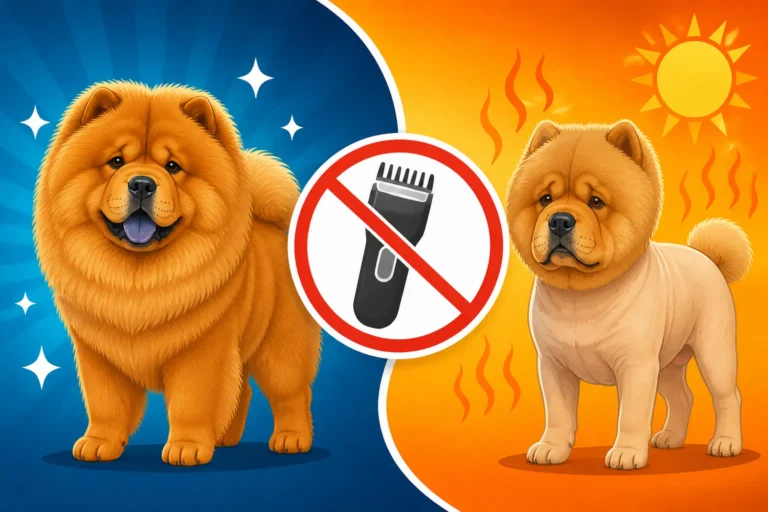
Beyond their inherent low energy, their physical structure and thick coat also limit strenuous activity. Their relatively straight rear legs, while characteristic of the breed, can be less efficient for long bursts of running compared to breeds with more angulated rears. More critically, their dense coat and somewhat brachycephalic (short-nosed) muzzle make them highly prone to overheating, especially in warmer climates or during intense exercise. A short walk in mild weather for another breed can quickly become a dangerous situation for a Chow. This directly impacts how much exercise you can safely provide. Our article Why a Chow Chow Overheats So Easily delves into this in more detail.
Health Risks Associated with Excess Weight
While a little extra fluff might seem charming, excess weight carries serious health implications for any dog, and Chow Chows are no exception. Obesity can exacerbate existing breed-specific health concerns, turning minor issues into major ones. This is why addressing weight is about more than just aesthetics; it's about preserving their quality of life and potentially extending their lifespan.
One of the most significant concerns for Chow Chows with extra weight is the added strain on their joints. Breeds prone to conditions like elbow dysplasia and hip dysplasia will find these problems worsened by carrying additional pounds. Keeping a Chow Chow at the Weight Its Elbows Can Carry is a critical consideration, as joint pain can lead to a vicious cycle: pain leads to less movement, which leads to more weight gain, and so on. Furthermore, obesity can increase the risk of diabetes, heart disease, certain cancers, and even make anesthesia riskier should your Chow ever need surgery. It's a silent threat that can chip away at their overall health.
Crafting a Diet Plan for Your Overweight Chow Chow
Since exercise can be limited for Chow Chows, diet often becomes the most powerful tool in your weight loss arsenal. It requires precision, consistency, and a willingness to say "no" to those adorable, pleading Chow Chow eyes.
Calculating Caloric Needs
This is the bedrock of any successful weight loss plan. You can't just guess. Your veterinarian is your best resource here, as they can accurately assess your Chow Chow's ideal weight and calculate the precise number of calories needed for safe, gradual weight loss. Generally, a safe rate of weight loss is about 1-2% of their body weight per week. Losing weight too quickly can be unhealthy and difficult to sustain.
The tricky part is that even healthy Chow Chows often eat less than you'd expect for their size. If your Chow is already overweight, their caloric intake needs to be even lower than a healthy, active Chow. This is where many owners unintentionally sabotage their efforts. Once you have that magic number from your vet, stick to it rigorously. If you're feeling a bit lost, our guide How Much an Adult Chow Chow Eats provides a good baseline for typical Chow Chow consumption.
Choosing the Right Food
Not all dog foods are created equal, especially when it comes to weight management. You'll want to look for foods specifically formulated as "weight control," "light," or "healthy weight" options. These diets are typically lower in calories, fat, and often higher in fiber to help your Chow feel fuller without overeating.
Consider options like high-quality kibble from brands found on Chewy that offer specific weight management formulas. Alternatively, some owners find success with fresh food diets, like those offered by Ollie, as they can often be precisely portioned and the ingredients are clearly identifiable. Be wary of grain-free diets unless specifically recommended by your vet, as the correlation between certain grain-free diets and heart issues is still being researched. Always prioritize a complete and balanced diet that meets all their nutritional needs while reducing calories.
Portion Control and Feeding Schedule
This is where the rubber meets the road. Once you know what to feed and how much, the next step is consistent, accurate portion control. Eyeballing it isn't enough; invest in a digital kitchen scale to measure food by weight, not volume, for maximum accuracy. A half-cup scoop can vary wildly depending on how tightly you pack it, but 100 grams is always 100 grams.
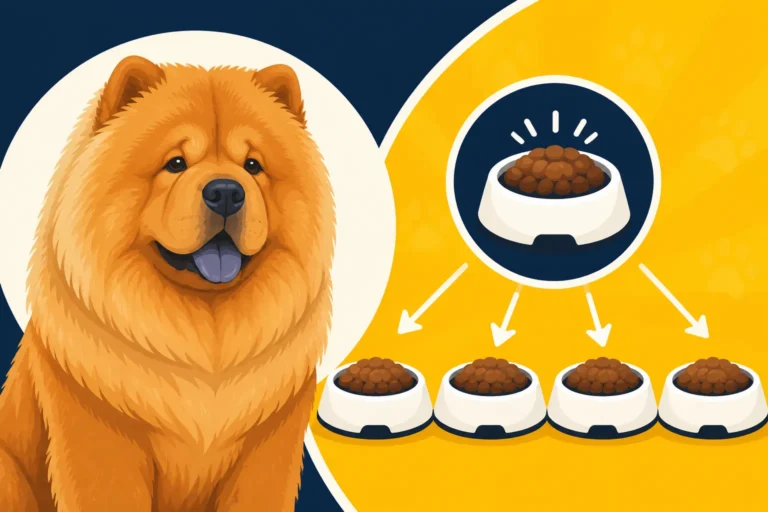
Dividing their daily allowance into two smaller meals can also be beneficial. This can help prevent them from feeling overly hungry and can also reduce the risk of bloat, a serious condition that can affect deep-chested breeds like the Chow Chow. And treats? They absolutely must be factored into the daily caloric intake. Opt for low-calorie treats like small pieces of plain cooked chicken or green beans. How Many Meals a Day a Chow Chow Needs can give you more insights into meal timing.
Incorporating Safe and Effective Exercise
While Chow Chows aren't built for marathons, gentle, consistent exercise is still a vital component of a successful weight loss program. The key is to make it enjoyable and, most importantly, safe for their unique physiology.
Low-Impact Activities for Chows
Forget jogging or long hikes in hot weather. Chow Chows thrive on lower-impact activities that don't put excessive strain on their joints or risk overheating. Think short, leisurely walks at cooler times of the day. Early morning or late evening walks are often best, especially during warmer months. Remember, The Temperature a Chow Chow Should Stay Indoors is also a good indicator of what's comfortable for outdoor exercise.
Aim for multiple short walks rather than one long one. Two 15-minute walks are often better than a single 30-minute excursion. If your Chow enjoys it, a very gentle walk in a shallow kiddie pool can be excellent exercise, as the water supports their weight, reducing joint impact, and helps keep them cool. Just ensure their dense coat is thoroughly dried afterward to prevent skin issues.
Mental Stimulation and Indoor Games
Sometimes, physical activity just isn't feasible due to weather, your Chow's age, or their physical limitations. This is where mental stimulation becomes invaluable. A bored Chow Chow might beg for food out of habit or lack of anything else to do, so engaging their minds can help.
Puzzle toys, snuffle mats, or interactive feeders can make meal times last longer and provide a mental workout. You can find many of these items on platforms like Amazon. Hide-and-seek with their favorite toy (or a small portion of their daily kibble) can also be a fun, low-impact game. Even short, positive training sessions – working on basic cues like "sit," "stay," or "come" – engage their brain and strengthen your bond without overexerting them physically. Check out How Much Exercise a Chow Chow Actually Needs for more ideas on appropriate activity levels.
The Importance of Monitoring for Overheating
This cannot be stressed enough: always be vigilant for signs of overheating when exercising your Chow Chow. Their thick coat is an insulation machine, and their short muzzle makes cooling inefficient. Even on a seemingly mild day, they can quickly become distressed.
Look for excessive panting, drooling, a bright red tongue, stumbling, or seeking shade. If you see any of these signs, stop immediately, get them to a cool, shaded area, and offer water. Having a cooling mat or a cooling vest on hand for walks can be a great preventative measure. Never push your Chow Chow past their comfort level, and always err on the side of caution. Overheating is a serious emergency.
Monitoring Progress and Maintaining a Healthy Weight
Weight loss is a journey, not a destination. Once your Chow Chow reaches a healthy weight, the goal shifts to maintaining it for life. This requires ongoing vigilance and a commitment to their new lifestyle.
Regular Weigh-Ins and Body Condition Scoring
Since their coat hides so much, regular weigh-ins are crucial. You might be able to weigh smaller Chows at home on a human scale (weigh yourself, then weigh yourself holding your Chow, and subtract the difference), but larger Chows will need a visit to the vet for an accurate measurement on their scale. Your vet can also help you determine your Chow's ideal weight range.
Beyond the scale, learning to perform a body condition score (BCS) is essential. This involves feeling for their ribs, waist, and spinal column. You should be able to feel their ribs easily, like the knuckles on your hand, without them being visibly prominent. They should have a discernible waist when viewed from above, and a slight tuck in their abdomen when viewed from the side. Our article How to Feel a Chow Chow's Ribs Under the Coat provides practical tips for this. Regularly performing a BCS at home between vet visits empowers you to track changes and adjust their diet as needed.
Veterinary Check-ups and Adjustments
Your veterinarian is your most valuable partner in this process. Regular check-ups allow them to monitor your Chow's overall health, track weight loss progress, and make any necessary adjustments to their diet or exercise plan. They can rule out underlying medical conditions that might be contributing to weight gain, such as hypothyroidism, which can cause weight gain and coat changes in Chows. What a Chow Chow's Yearly Bloodwork Should Cover can identify such issues.
Be open with your vet about your Chow's eating habits, activity levels, and any challenges you're facing. They can offer advice, support, and resources to help you stay on track. If your Chow Chow is a bit wary of vet visits, you might also find that a practice that focuses on fear-free methods can make these check-ups less stressful for everyone involved. Sometimes, getting a Chow Chow to cooperate for an examination can be a challenge in itself, as detailed in Why a Chow Chow Is Hard to Examine at the Vet.
Dealing with Plateaus and Setbacks
It's common for weight loss to hit plateaus. Don't get discouraged! This is a normal part of the process. If your Chow's weight loss stalls, revisit their diet and exercise plan with your vet. Are there any hidden calories? Are they getting enough (but not too much) exercise? Sometimes, a slight reduction in calories (under veterinary guidance) or an increase in activity is all that's needed to get things moving again.
Life happens, and sometimes a setback occurs. Maybe your Chow got extra treats during a holiday, or you were unable to provide their usual exercise for a period. Don't give up! Acknowledge the setback, then calmly get back to the plan. Consistency over time is what truly matters. Remember, this isn't a quick fix, but a long-term commitment to your Chow Chow's health and happiness. For more insights on the aging process and its impact on mobility, you might want to read How an Aging Chow Chow Stiffens, which is particularly relevant for older Chows on a weight loss journey.
| Aspect of Weight Loss | Key Considerations for Chow Chows | Actionable Steps |
|---|---|---|
| Identifying Weight Gain | Dense coat hides changes; stoic nature hides discomfort. | Regular hands-on body condition scoring; vet weigh-ins. |
| Dietary Needs | Lower metabolism; prone to being fussy. | Precise caloric calculation by vet; digital scale for portions; high-fiber, low-calorie food; limit treats. |
| Exercise Strategy | Prone to overheating; lower energy levels; joint concerns. | Short, frequent walks during cool parts of day; low-impact games; indoor mental stimulation; vigilant overheating watch. |
| Monitoring & Maintenance | Plateaus are common; underlying health issues possible. | Consistent weigh-ins; vet check-ups; adjust plan as needed; consult vet for plateaus; stay persistent. |
Disclaimer
This article is for general informational purposes only and does not constitute professional advice. Laws, prices and regulations vary by location and change over time. Consult a qualified professional for guidance on your specific situation.