Why a Chow Chow Has an Outer and an Under Coat
If you've ever run your hands through a Chow Chow's magnificent coat, you've probably noticed it's not just thick; it's dense. This incredible volume and texture isn't just for show; it's a testament to centuries of adaptation, serving a very specific purpose for this ancient breed. Understanding the two distinct layers of a Chow Chow's coat is key to appreciating its unique beauty and, more importantly, to providing the right care to keep your furry friend healthy and comfortable. This guide will break down the mechanics of the Chow Chow's double coat, why it exists, and what that means for you as an owner.
The Dual Nature of the Chow Chow's Coat: Outer and Under Layers
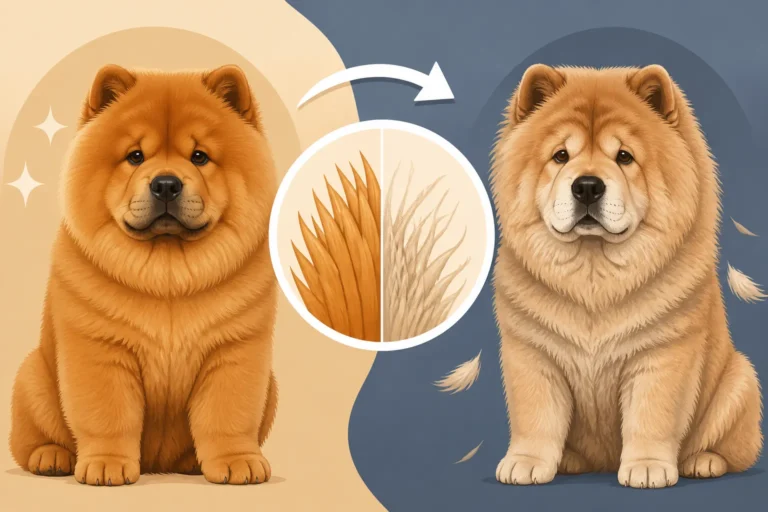
A Chow Chow's distinctive fluffy appearance comes from what's known as a "double coat." This isn't just a fancy term; it literally means there are two entirely different types of hair growing from their skin, each with its own texture, length, and job. Many breeds have double coats, but the Chow Chow's is particularly pronounced, especially in the "rough-coated" variety, which is what most people picture when they think of a Chow.
The Stiff Outer Layer: Guard Hairs
The outer layer of a Chow Chow's coat consists of what we call guard hairs. These hairs are typically longer, coarser, and straighter than the hairs of the undercoat. If you were to pluck one out (please don't!), you'd notice it feels quite stiff and resilient.
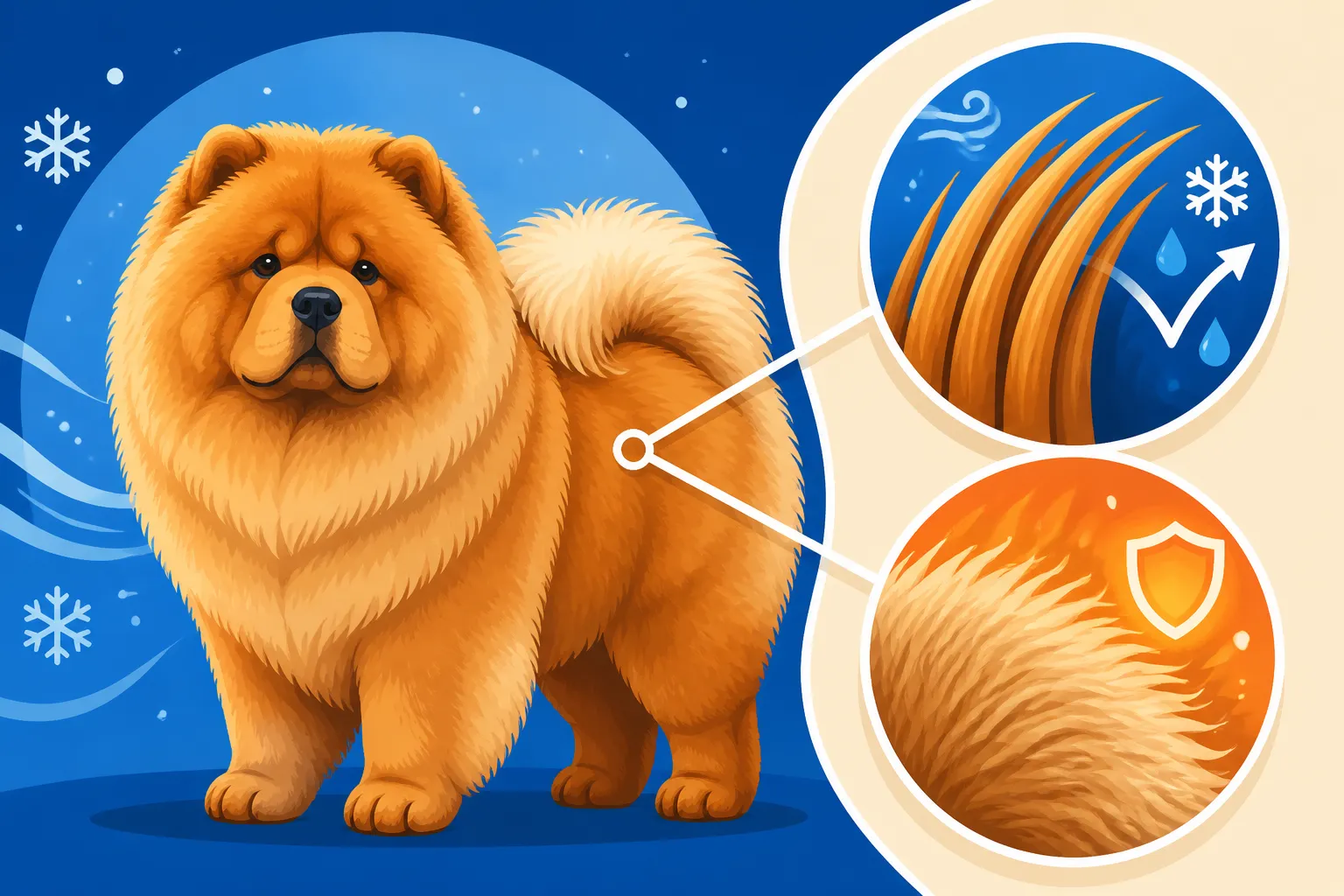
Imagine trying to walk through a thorny bush or a downpour. Your outer coat acts much like a protective shell. These guard hairs are water-resistant and designed to shed dirt, snow, and rain effectively. They create a natural barrier, preventing moisture and foreign objects from reaching the sensitive skin beneath. Think of them as the armor. In colder climates, they also help to hold warmer air closer to the body, insulating against the biting chill. Without this robust outer layer, the Chow Chow would be much more vulnerable to the elements, making them less suited to the harsh, varied environments their ancestors once roamed. This is part of What a Chow Chow's Double Coat Is Made Of.
The Soft Inner Layer: The Undercoat
Beneath those protective guard hairs lies the magical secret to the Chow Chow's incredible insulation: the undercoat. This layer is remarkably different. It's soft, dense, woolly, and much shorter than the guard hairs. Rather than individual, straight hairs, the undercoat often grows in thick clumps, creating a plush, down-like texture right next to the skin.
The primary function of this undercoat is insulation. In cold weather, its density traps a layer of warm air close to the dog's body, acting like a built-in down jacket. This is why a Chow Chow can often seem quite unfazed by chilly temperatures that would have other breeds shivering. Conversely, in warmer weather (and this is where many people get confused), this same dense undercoat also helps to insulate against heat. By trapping a layer of cooler air next to the skin, it prevents the sun's direct rays from overheating the dog. However, this only works if the coat is clean, healthy, and free of mats, allowing for proper air circulation. A matted coat, or one that isn't regularly brushed, quickly loses this ability and becomes a heat trap.
| Coat Layer | Texture | Length | Primary Function | Water Resistance | Dirt Resistance |
|---|---|---|---|---|---|
| Guard Hairs | Coarse, Stiff | Longer | Protection, Water/Dirt Shedding | High | High |
| Undercoat | Soft, Woolly | Shorter | Insulation (warm and cool) | Low | Low |
The Evolutionary Purpose of the Double Coat
To truly understand why the Chow Chow has such a magnificent double coat, we need to look back at its origins. This isn't just a genetic quirk; it's a testament to centuries of natural selection and selective breeding in the challenging environments of its homeland.
Born for Cold Climates
The Chow Chow hails from northern China, a region known for its harsh, often frigid winters. Imagine the biting winds, heavy snowfalls, and freezing temperatures. A single-coated dog would simply not survive or thrive in such conditions. The double coat provided the Chow Chow with an essential survival tool: an unparalleled ability to withstand extreme cold.
The thick, insulating undercoat creates a buffer against the chill, while the robust guard hairs offer a protective outer shell against snow and ice. This natural "winter coat" allowed Chow Chows to perform various duties in these climates, from guarding temples and homes to assisting with hunting. Their ancestors weren't pampered house pets; they were working dogs that needed to endure the elements daily. This historical context is vital to understanding their unique physiology. It also gives us insight into What the Ruff Around a Chow Chow's Neck Is For, as this dense hair provides extra insulation around the vital neck area.
Protection from the Elements and Terrain
Beyond just temperature, the double coat offered comprehensive protection. The stiff guard hairs could help deflect minor scratches and scrapes from rough terrain, thorns, or underbrush if the dogs were moving through wilder areas. They also served as a defense against insects and parasites, making it harder for them to reach the skin.
Furthermore, the coat's ability to shed water and dirt was crucial. In a working environment, a dog that quickly becomes waterlogged or caked in mud would suffer from hypothermia in cold conditions and skin issues in damp ones. The guard hairs allow water and dirt to bead off or be easily brushed away, keeping the dog cleaner and drier. This natural self-cleaning mechanism, combined with the insulation, was a powerful advantage for survival and functionality in their original environment.
Caring for the Chow Chow's Double Coat
While the Chow Chow's double coat is a marvel of nature, it also requires significant commitment from their human companions. Neglecting this coat can lead to severe health issues and discomfort for your dog.
The Absolute Necessity of Regular Brushing
This cannot be stressed enough: a Chow Chow must be brushed regularly and thoroughly. This isn't just about making them look pretty; it's about maintaining the health and function of their coat. The soft undercoat sheds heavily, especially during seasonal "coat blows" (more on that in a moment). If these dead, loose hairs aren't removed, they quickly become tangled with the guard hairs, leading to mats.
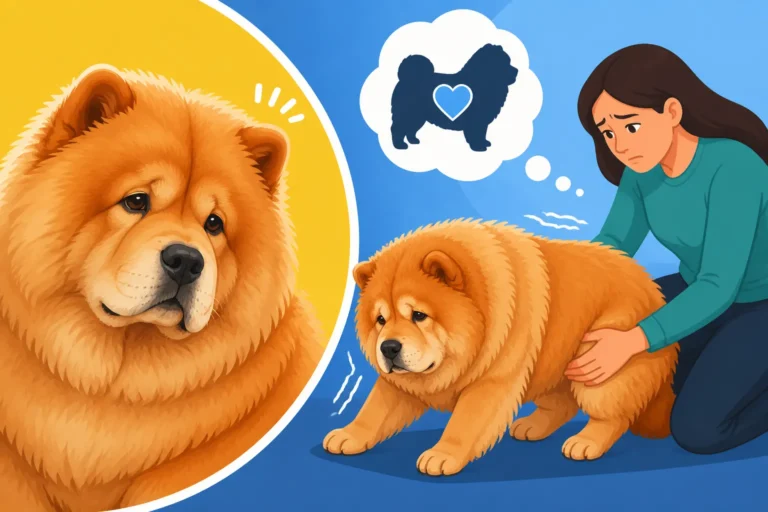
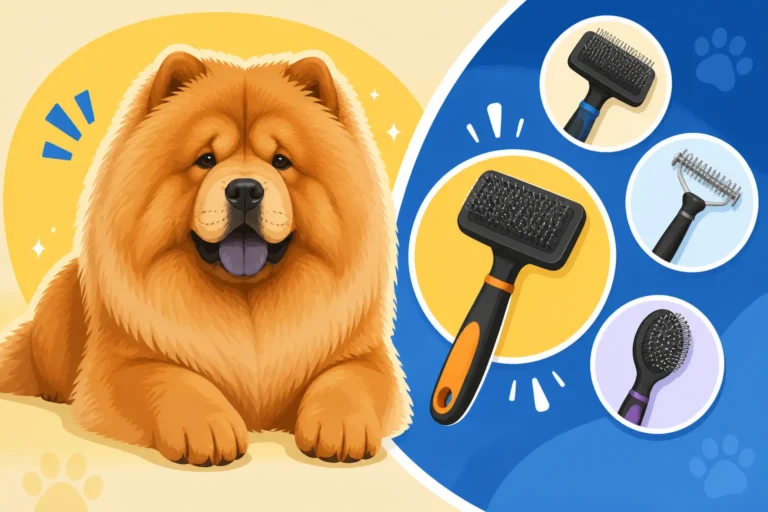
Mats are not just unsightly; they are painful. They pull on the skin, restrict movement, and can hide skin infections, parasites, and hot spots. They also destroy the insulating properties of the coat, making the dog vulnerable to overheating or chilling. For a rough-coated Chow Chow, daily brushing is ideal, or at least every other day, with dedicated, longer sessions several times a week. Smooth-coated Chows still need regular brushing, though perhaps not as frequently. You'll want an undercoat rake and a good pin brush, which you can find on Amazon or Chewy, to get through both layers effectively. Learning How to Line Brush a Chow Chow is a game-changer for many owners, ensuring you reach down to the skin.
Understanding the Coat Blow
Twice a year, typically in spring and fall, a Chow Chow will experience a "coat blow." This is when they shed a massive amount of their undercoat to prepare for the upcoming season. In spring, they shed their heavy winter undercoat to grow a lighter one for summer. In fall, they shed the lighter summer undercoat to make way for the denser winter one. The Twice a Year a Chow Chow Blows Its Coat is a serious event!
During a coat blow, the amount of hair that comes off can be astonishing. It will feel like your dog is disintegrating into a pile of fluff. This period requires even more diligent brushing – often daily, sometimes even twice a day – to prevent severe matting. A high-velocity dryer can be an invaluable tool during a coat blow, helping to blast out loose undercoat that brushing alone might miss. Without this intervention, a Chow Chow can quickly become solid felt, necessitating a professional shave-down, which has its own risks. You can get more details on frequency in How Often a Rough Coated Chow Chow Needs Brushing.
Bathing and Drying: A Marathon, Not a Sprint
Bathing a Chow Chow is a significant undertaking, primarily because of the time and effort required for proper drying. Their dense double coat can hold an incredible amount of water, and if not dried completely to the skin, it can lead to skin irritation, fungal infections, and hot spots.
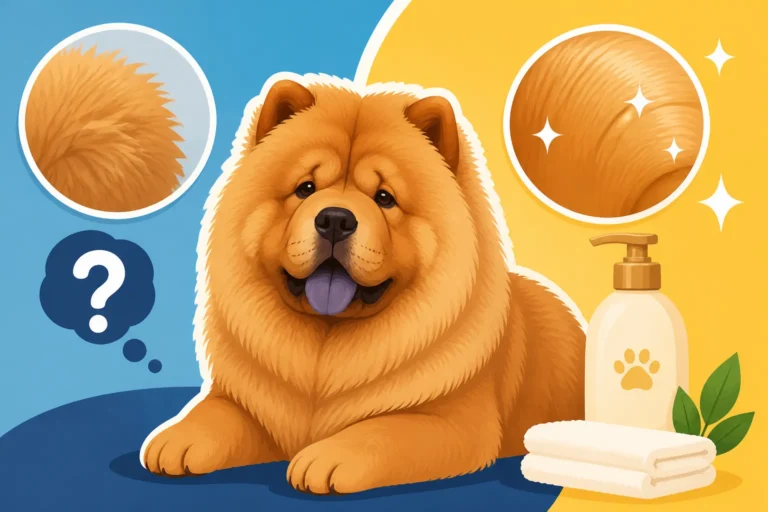
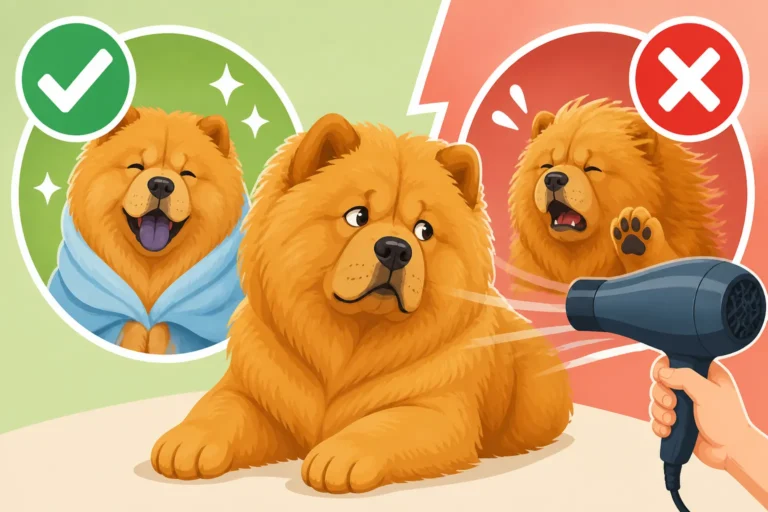
After shampooing (make sure to use a shampoo formulated for dogs that won't strip their natural oils, readily available on Chewy), the most crucial step is thorough drying. A high-velocity forced air dryer is almost a necessity. Towel drying simply won't get through the undercoat adequately. Expect the drying process to take a long time, sometimes well over an hour, depending on the dog's size and coat density. It's a true test of patience, but it's non-negotiable for their health. How Long a Chow Chow Takes to Dry isn't an exaggeration – it's often a significant time commitment. Never let a Chow Chow air dry completely indoors, especially if they have a dense coat.
Common Misconceptions and What Not to Do
The Chow Chow's coat often leads to well-meaning but ultimately harmful practices. Understanding what not to do is just as important as knowing what to do.
Why Shaving a Chow Chow is Almost Always a Bad Idea
Perhaps the most common misconception is that shaving a Chow Chow will keep them cooler in the summer. This is almost never true and can actually do more harm than good. Why a Chow Chow Must Never Be Shaved is a critical piece of Chow Chow care.
When you shave a double-coated dog, you remove both the guard hairs and the undercoat. This leaves their delicate skin exposed to the sun, increasing the risk of sunburn and skin cancer. More importantly, it disrupts the natural insulation system. The guard hairs, once removed, may not grow back correctly, or they may grow back patchy, brittle, or with an altered texture. This condition is often referred to as "post-clipping alopecia" and can permanently damage the coat's ability to protect the dog from both heat and cold.
The undercoat also plays a role in regulating body temperature. When shaved, the delicate balance of air circulation it provides is lost. The only legitimate reasons to shave a Chow Chow are for severe matting that cannot be brushed out (a painful last resort) or for medical procedures where the hair needs to be removed. Otherwise, focus on proper grooming, cool environments, and hydration to keep your Chow comfortable in the heat.
The Impact of Diet on Coat Health
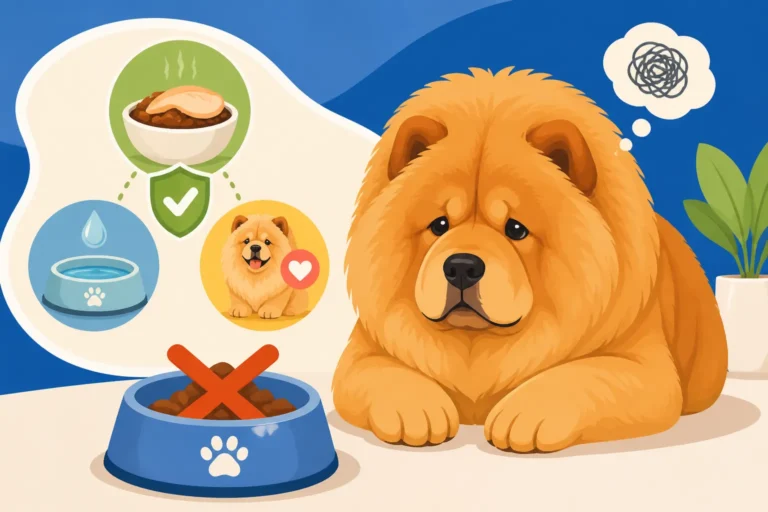
While grooming is paramount, diet also plays a crucial role in the overall health and appearance of your Chow Chow's coat. A diet lacking essential nutrients can lead to a dull, dry, brittle coat that sheds excessively or is prone to matting.
High-quality dog food, rich in omega-3 and omega-6 fatty acids, vitamins, and minerals, supports healthy skin and a lustrous coat. These fatty acids, often found in fish oils, contribute to skin elasticity and a healthy shine. Some owners choose to supplement their Chow Chow's diet with fish oil, while others find that premium kibble or fresh food services like Ollie provide adequate nutrients. Always consult your vet before making significant changes to your dog's diet or adding supplements. A well-nourished dog will have a healthier coat that is easier to maintain and better able to perform its natural protective functions.
Maintaining Vigilance for Skin Issues
Because of their incredibly dense coat, Chow Chows can be prone to hidden skin problems. Their thick fur can conceal everything from minor rashes and hot spots to more serious conditions like pyoderma or even autoimmune diseases such as Pemphigus Foliaceus. What Pemphigus Foliaceus Does to a Chow Chow can be quite concerning, and a thick coat can make it hard to spot.
Regular brushing isn't just for preventing mats; it's also your primary opportunity to conduct a visual and tactile inspection of your Chow Chow's skin. As you brush, feel for any lumps, bumps, scabs, redness, or areas of tenderness. Look for excessive dandruff, flaking, or changes in coat texture. If you notice any unusual discharge or persistent scratching, it’s time for a vet visit. Early detection of skin issues can prevent them from becoming more severe and difficult to treat. Staying proactive with grooming is truly an act of preventative healthcare for these magnificent dogs.
Disclaimer
This article is for general informational purposes only and does not constitute professional advice. Laws, prices and regulations vary by location and change over time. Consult a qualified professional for guidance on your specific situation.