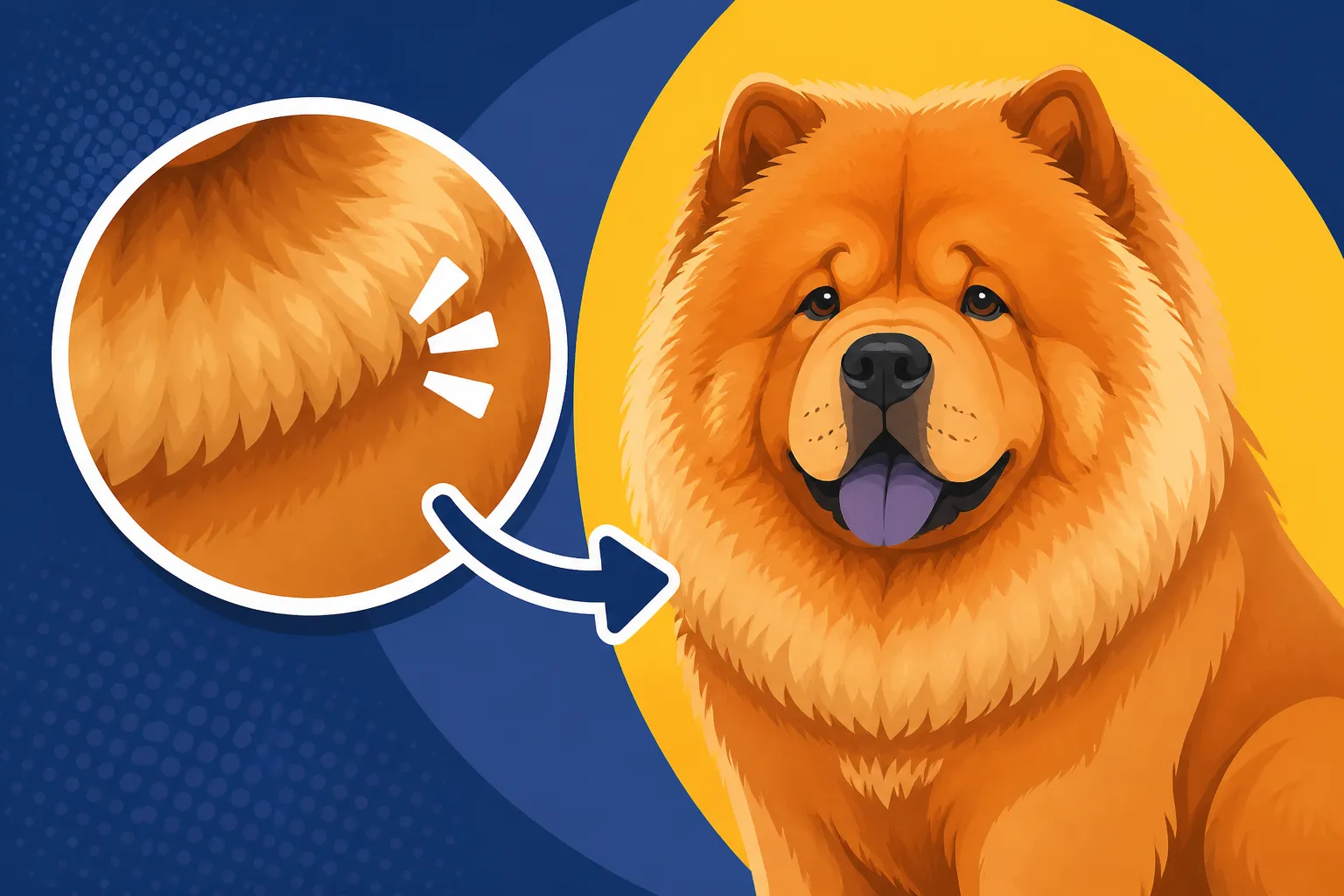
What the Ruff Around a Chow Chow’s Neck Is For
If you've ever gazed at a majestic Chow Chow, chances are your eyes were immediately drawn to that magnificent, dense halo of fur around its head and neck – the famous ruff. Many people see this stunning feature and wonder if it’s purely for show, or if there’s a deeper, more practical reason for its existence. The truth is, this impressive "lion's mane" is far more than just a striking aesthetic; it’s a vital, multi-functional adaptation that has served the Chow Chow for centuries, stemming from its ancient lineage and the environments it once inhabited. This guide will delve into the profound purposes behind this iconic feature, exploring its protective qualities, its role in the breed's overall coat structure, and how it contributes to the Chow Chow's distinctive look.
The Majestic Lion's Mane: More Than Just Good Looks
The Chow Chow's ruff is truly one of its most defining characteristics, giving it that unmistakable leonine appearance. While it certainly adds to their regal, dignified presence, this elaborate collar of fur isn't just a fashion statement. It's a testament to their heritage, providing crucial functions that have helped the breed thrive in demanding conditions. Think of it less as a decorative accessory and more as a piece of ancient, biological armor, perfectly designed for specific environmental and protective needs.
A Natural Barrier Against the Elements
Imagine living in the harsh, often brutal climates of ancient northern China and Mongolia, where the Chow Chow originated. Temperatures could plummet, and biting winds, snow, and rain were common. In such conditions, a thick, insulating layer is not a luxury, but a necessity for survival. The ruff, a particularly dense concentration of the Chow Chow’s already formidable double coat, acts as an extraordinary natural barrier against these extreme elements.
The outer coat of the ruff consists of coarse, straight guard hairs that are designed to repel water and snow, much like a well-waxed jacket. Beneath this lies an incredibly dense, soft, and woolly undercoat. This undercoat is what truly provides the insulation, trapping a layer of warm air close to the dog's body, preventing heat from escaping and cold from penetrating. This specialized design means that even in freezing temperatures, a Chow Chow's vital organs, throat, and neck are well-protected. It’s why you might see Chows seemingly unbothered by a brisk winter walk while other breeds are shivering. This insulation is so effective that it’s also one of the reasons why Why a Chow Chow's Double Coat Traps Heat can be a concern in warmer climates, necessitating careful management to prevent overheating.
A Formidable Defense Against Predators
Beyond environmental protection, the ruff serves as a crucial line of defense against physical threats. In historical contexts, Chow Chows weren't just pampered pets; they were working dogs, used for guarding property, hunting, and even pulling sleds. In these roles, encounters with other animals, whether predators or rival dogs, were a real possibility. The neck and throat are incredibly vulnerable areas for any animal, housing vital structures like the trachea, jugular veins, and carotid arteries.
The sheer volume and density of the ruff create a formidable physical shield. If another animal were to attempt a bite to the neck, they would first have to contend with several inches of thick, harsh fur before reaching the skin. This makes it incredibly difficult for an attacker to get a solid, damaging grip. The ruff effectively disperses the force of a bite, reducing the impact and often deterring further attacks. It's a natural form of kevlar, offering passive but highly effective protection. This protective feature, combined with their naturally aloof and wary temperament, made them excellent guardians.
The Practicality of the Chow Chow's Double Coat System
To truly understand the ruff, you need to appreciate the entire double coat system of the Chow Chow. It’s an intricate design, and the ruff is a prime example of its effectiveness and the unique challenges it presents to owners. Whether your Chow Chow has a rough coat (the more common, longer variety) or a smooth coat (which still has a ruff, just a less dramatic one), the underlying principles are the same.
How the Ruff Integrates with the Undercoat and Outer Coat
The Chow Chow's coat is a marvel of natural engineering, comprising two distinct layers. The outer coat, or guard hairs, are long, straight, and somewhat coarse. These hairs are designed to provide the primary defense against moisture and physical abrasion. They lie over the undercoat like shingles on a roof, shedding water and dirt efficiently. The ruff, in particular, showcases the longest and densest of these guard hairs, especially in the rough-coated variety. A rough-coated Chow Chow's look (Why a Rough Coated Chow Chow Looks Like a Lion) is certainly defined by this mane.
Beneath this protective outer layer lies the undercoat – a thick, soft, woolly layer that is the key to their incredible insulation. This undercoat is especially profuse in the ruff area, contributing to its impressive volume. The two layers work in tandem: the guard hairs keep moisture from reaching the undercoat, ensuring it stays dry and can effectively trap air for warmth. During seasonal coat blows, particularly in spring and fall, you’ll witness just how much of this undercoat exists, especially within the ruff. It’s an astounding amount of fluff, and managing it is a significant part of Chow Chow ownership. For more on the breed's coats, see Rough or Smooth: the Two Chow Chow Coats and What Each Needs.
Keeping the Ruff Healthy: Grooming Challenges and Tips
While the ruff is vital for the Chow Chow's well-being, its density and structure also present unique grooming challenges. This isn't a coat you can just give a quick once-over with any old brush. Neglect of the ruff, even for a short period, can lead to severe matting, which is not only uncomfortable for your Chow but can also lead to skin infections and other health issues.
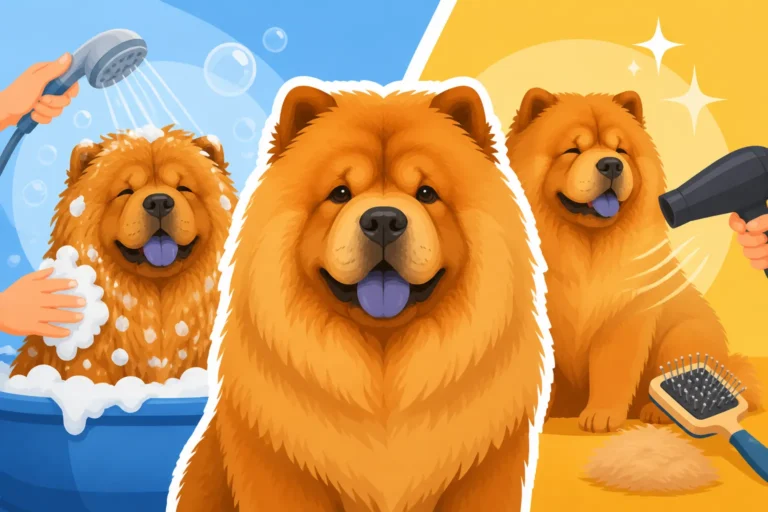
The thick fur around the neck and behind the ears, where the ruff is most prominent, is a notorious hotspot for mats. These areas experience a lot of friction from collars, leashes, and natural movement. To keep the ruff healthy and free of tangles, consistent and thorough grooming is absolutely essential. We’re talking about brushing down to the skin, not just skimming the surface. An undercoat rake and a slicker brush are indispensable tools, followed by a wide-toothed comb to check for any missed tangles. For rough-coated Chows, this might mean brushing every other day, or at least several times a week, especially during seasonal sheds. If you want to dive deeper into this specific task, check out Brushing a Chow Chow's Mane Down to the Skin. Regular grooming not only prevents mats but also helps distribute natural oils, keeps the skin healthy, and allows you to bond with your dog in a meaningful way. Products from Chewy or Amazon can provide all the specialized brushes and conditioners you'll need for this task.
The Ruff's Role in the Chow Chow's Distinctive Appearance and Breed Standard
Beyond its practical applications, the ruff is undeniably central to the Chow Chow's iconic visual identity. It's what makes a Chow a Chow, giving it a distinctive look that has captivated people for centuries.
Defining the Iconic "Lion-Like" Profile
When you picture a Chow Chow, you almost certainly envision that proud, majestic head surrounded by a voluminous mane, creating a unique silhouette that truly sets the breed apart. It’s this ruff that primarily earns them the nickname "lion-dog." This strong, noble profile is a key aspect of the breed standard, which describes the Chow Chow as having a dignified, powerful, and substantial appearance. The ruff contributes heavily to the breed's square, powerful head and enhances the impression of strength and presence. Why a Rough Coated Chow Chow Looks Like a Lion is a question answered largely by this magnificent feature. Without that generous framing, the Chow Chow would simply not look like the breed we know and love. It’s a feature that breeders meticulously strive to maintain and enhance through careful breeding practices.
Historical and Cultural Significance
The Chow Chow is an ancient breed, steeped in history and culture. The Chow Chow Is One of the Oldest Breeds in the World, with a lineage tracing back thousands of years. In ancient China, where these dogs were developed, their appearance, including the prominent ruff, was undoubtedly admired and held significant cultural value. They were often depicted in art and sculpture, and their noble bearing and distinctive features, like the ruff, were celebrated. It's easy to imagine how this impressive mane would have added to their intimidating presence as temple guardians or hunting companions for royalty.
For instance, historical records suggest that powerful figures, like some Chinese emperors, kept vast numbers of these dogs, valuing them for their unique traits. What the Chow Chow Did for a Chinese Emperor often involved hunting expeditions or acting as loyal sentinels. The ruff, while practical, also imbued them with an almost mythical quality, linking them to powerful wild animals and symbolizing strength and protection. This deep historical appreciation for their unique characteristics, including the ruff, has solidified its place as an essential element of the breed.
Common Misconceptions About the Chow Chow's Ruff
Even with such a prominent and important feature, there are often misunderstandings about the ruff's true purpose and how it should be managed. Addressing these can help new and experienced Chow Chow owners alike provide the best care for their furry companions.
Not Just for Warmth: Understanding Its Multifaceted Role
One of the most common assumptions is that the ruff exists solely for warmth. While insulation is certainly a primary function, as discussed, it's far from its only one. Reducing its purpose to just keeping the dog warm misses the broader picture of its evolutionary and functional significance. The ruff is a multi-tool of sorts, serving as both a shield against the elements and a protective barrier against physical harm.
It’s crucial to remember that the Chow Chow's overall robust build and dense double coat contribute to its thermal regulation across the entire body, not just the neck. The ruff is a concentrated area of this protection, strategically placed around the head and neck where vital structures are located and where an animal is most likely to be attacked or exposed to the harshest aspects of weather. Understanding this multifaceted role helps owners appreciate the complexity of their Chow's biology and avoid making decisions, such as shaving, that could compromise its natural defenses.
Shaving and Its Detrimental Effects on the Ruff
Perhaps the biggest misconception regarding the ruff, and indeed the entire Chow Chow coat, is the idea that shaving it off will somehow make the dog cooler in summer. This couldn't be further from the truth and can actually cause significant harm. While the intention might be good, the outcome is often detrimental.
When you shave a Chow Chow's double coat, especially the ruff, you remove both the protective guard hairs and the insulating undercoat. This completely disrupts the natural system that regulates their body temperature. In summer, the double coat, including the ruff, actually helps keep them cool by trapping cooler air close to the skin and insulating them from the sun's harsh rays. Removing it exposes their delicate skin directly to the sun, leading to sunburn and increasing the risk of heatstroke because their natural cooling mechanism is compromised. Moreover, What Shaving Does to a Chow Chow's Undercoat often results in irreversible damage; the coat can grow back patchy, discolored, and with an altered texture, sometimes never returning to its original glory. The guard hairs may not grow back correctly, leading to a woolly texture that mats even more easily. Therefore, rather than shaving, proper grooming through regular brushing, especially during coat blows, is the best way to help your Chow Chow manage temperature and remain comfortable. You can find excellent deshedding tools on Amazon or Chewy to help with this, or even specialized cooling products like vests. For more detailed insights into why this is a bad idea, read Why a Chow Chow Must Never Be Shaved.
Maintaining that glorious ruff is part of the commitment to owning a Chow Chow. It requires dedication to grooming, but the reward is a healthy, happy, and truly magnificent companion.
Grooming the Ruff: Tools and Techniques
Caring for the Chow Chow's ruff, given its density and critical functions, demands specific tools and techniques. This isn't a job for just any brush you have lying around. Investing in the right equipment and learning how to use it properly will save you a lot of headaches and keep your Chow comfortable and looking their best.
Essential Tools for Ruff Maintenance
When it comes to the ruff, you'll need a toolkit that can tackle both the harsh outer coat and the dense, fluffy undercoat. Skimping on tools often leads to surface brushing, leaving mats to form deeper down.
First on the list is a good quality slicker brush. This brush features fine, bent wires that are excellent for detangling the outer coat and removing loose hair, especially closer to the surface. It helps to fluff up the ruff and get rid of any minor tangles. However, a slicker brush alone won't reach the undercoat effectively, particularly in such a dense area.
Next, and arguably most important, is an undercoat rake. This tool has longer, widely spaced teeth designed specifically to penetrate the guard hairs and pull out dead undercoat without damaging the topcoat. For the ruff, an undercoat rake is invaluable for preventing mats and managing the heavy shedding during coat blows. Using it correctly involves working in sections, gently pulling the dead undercoat out.
Finally, a wide-toothed metal comb is essential for checking your work. After using the slicker and undercoat rake, run the comb through the ruff from the tips of the hair down to the skin. If the comb glides through smoothly, you've done a good job. If it snags, you've found a tangle that needs further attention with the slicker brush. Many of these specialized grooming tools are readily available from online retailers like Amazon, Chewy, or dedicated pet supply stores. Investing in high-quality tools from the start will make the grooming process much more efficient and less stressful for both you and your Chow.
Mastering the Art of Line Brushing the Ruff
To effectively groom the ruff, you need to employ a technique called "line brushing" or "pin brushing." This method ensures you reach all the way down to the skin, where mats often begin to form unseen.
Start by laying your Chow Chow on their side, or, if they tolerate it, having them stand on a grooming table. This allows you better access and stability. Section off a small part of the ruff, starting from the bottom (closest to the shoulder) and working upwards towards the head. Use your free hand to hold back the upper layers of the ruff, exposing a "line" of fur that runs horizontally.
With your other hand, take your undercoat rake or slicker brush and brush this exposed line of fur down to the skin. Work in small strokes, making sure to remove all loose hair and small tangles. Once that line is clear, move your hand up slightly, exposing the next line of fur, and repeat the process. Continue this method, working your way around the entire neck and chest area, until you have brushed every section of the ruff down to the skin. This systematic approach ensures no area is overlooked, preventing those insidious, deeply seated mats. Remember, patience is key, and positive reinforcement (like a tasty treat from Ollie) can make the experience much more pleasant for your Chow. This thorough approach, while time-consuming, is the single most effective way to maintain the health and beauty of your Chow Chow's magnificent ruff.
Disclaimer
This article is for general informational purposes only and does not constitute professional advice. Laws, prices and regulations vary by location and change over time. Consult a qualified professional for guidance on your specific situation.