Whether a Matted Chow Chow Gets Hot Spots
One of the most disheartening things for any Chow Chow owner is discovering a raw, angry patch of skin hidden beneath that magnificent coat. We all know how much work goes into maintaining their dense fur, but even with the best intentions, mats can form, and the worry immediately creeps in: "Will this lead to a hot spot?" It's a valid and incredibly common concern, as the very nature of a Chow Chow's coat makes them particularly susceptible to these painful skin infections. This guide will walk you through exactly why matting is such a risk, how to spot the signs, and, most importantly, how to prevent and treat these uncomfortable conditions, helping you keep your fluffy companion happy and healthy.
The Link Between Matted Coats and Hot Spots in Chow Chows
The Chow Chow's signature coat, whether rough or smooth, is truly a sight to behold. It's thick, plush, and wonderfully protective, but it also comes with a unique set of challenges that can make them prone to skin issues like hot spots. These painful, rapidly spreading skin infections are often directly tied to poor coat maintenance, particularly matting. It’s not just about aesthetics; it's about the very health of their skin beneath all that fluff.
How Mats Create a Problematic Microclimate
Imagine wearing a heavy, non-breathable blanket that's constantly damp and warm, never allowing your skin to air out. That's essentially what a mat does to a Chow Chow's skin. A matted coat isn't just tangled hair; it’s a dense, felt-like barrier that traps everything underneath it. Moisture, heat, and dead skin cells all become locked against your Chow's delicate skin.
This trapped environment is a breeding ground for bacteria and yeast, which are naturally present on your dog's skin but can overgrow rapidly in these conditions. When air can't circulate, sweat and moisture from bathing, swimming, or even just humidity in the air can't evaporate. The skin stays perpetually damp, making it soft and vulnerable. This constant dampness, combined with the warmth of their body, creates a perfect humid, warm pocket that's ripe for infection. It’s like a tiny, festering greenhouse on their body. This is a common issue for many dense-coated breeds, and unfortunately, the Chow Chow's substantial double coat makes them a prime candidate for such problems if not diligently groomed.
The Skin's Response to Moisture and Lack of Airflow
Beneath that mat, the skin starts to protest. The constant irritation from the mat pulling on the skin, coupled with the trapped moisture and bacteria, leads to inflammation. Your Chow Chow might start scratching, licking, or chewing at the area, trying to relieve the discomfort. This self-trauma only makes things worse. Every lick and scratch introduces more bacteria and further breaks down the skin's protective barrier, turning a minor irritation into an open wound.
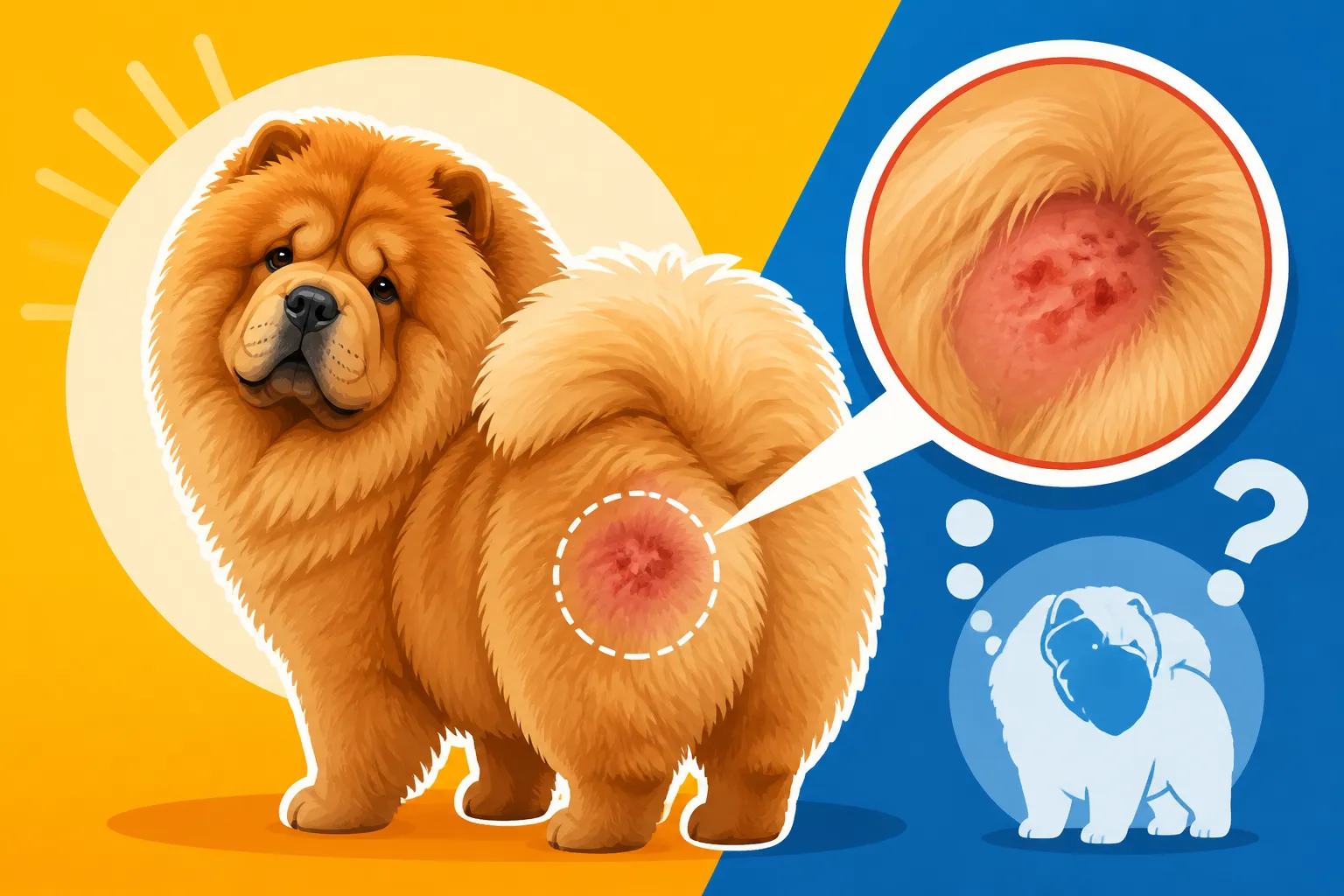
This is the point where a hot spot, or acute moist dermatitis, really takes hold. The skin becomes red, inflamed, oozing, and intensely itchy. The area can expand incredibly quickly, sometimes doubling in size in a matter of hours. The mats prevent you from seeing the full extent of the problem until it's quite advanced, and they also make it harder for air to reach the affected skin, perpetuating the cycle of dampness and bacterial growth. If you've ever had a persistent rash that just wouldn't heal because it couldn't breathe, you'll understand the misery your Chow is feeling. This is also why understanding Why a Chow Chow's Dense Coat Hides Skin Disease is so crucial; early detection is hampered by their fur.
Recognizing the Signs of Hot Spots on a Matted Chow Chow
Detecting a hot spot on a Chow Chow, especially one with significant matting, can feel like finding a needle in a haystack. Their incredibly dense coat is a double-edged sword: it offers superb insulation, but it also provides a masterful camouflage for developing skin problems. You really have to be vigilant, using all your senses to catch these painful spots before they become full-blown emergencies.
Visual Cues and Behavioral Changes
While direct visual confirmation might be tricky with a matted Chow, there are other tell-tale signs. The first thing you might notice is your Chow Chow’s behavior. They might become restless, constantly licking, chewing, or scratching at a particular area, often with an almost obsessive focus. You might hear them scratching more frequently, even when they’re usually relaxed. They might also become withdrawn or sensitive when you try to pet them in certain spots. If they suddenly snap or pull away when you touch their side or rump, that’s a huge red flag that something painful is going on underneath the fur.
If you can manage to part the fur, even slightly, you might see a localized area of red, inflamed skin. It often looks raw, wet, and can sometimes have a yellowish or crusty discharge. The fur around the hot spot itself might be clumpy and wet, sticking together. Sometimes, the hair in the affected area will even fall out, revealing the angry skin beneath. But again, with severe matting, seeing this clearly is often impossible without professional help. Keep an eye out for any dampness or stickiness on the coat, even if you can't see the skin, as this can indicate oozing.
The Difficulty of Detection in a Dense Coat
This is where the Chow Chow's thick, plush double coat truly presents a challenge. Mats, by their nature, are already tightly packed and can hide a multitude of sins. A hot spot often starts small, like a minor irritation, but under the cover of a mat, it can grow rapidly and intensely before you even know it's there. The problem isn't just seeing the hot spot, but also feeling it. A hand running over a matted coat can easily miss the subtle swelling or warmth that accompanies an early hot spot.
This means you need to be proactive with your grooming, not just reactive. Regular, thorough grooming sessions are essential to feel for any lumps, bumps, or tender spots. Even if your Chow isn't showing obvious signs of discomfort, a sudden change in their coat texture – a new mat forming in a strange place, or a patch of fur feeling unusually greasy or damp – warrants a closer inspection. What a Chow Chow's Dense Coat Is Made Of explains why this coat is such a magnificent, yet challenging, feature. If you notice any unusual odor coming from your dog, particularly a sweet, yeasty, or foul smell, that’s another strong indicator of a skin infection brewing under the surface, hidden by the matting.
Preventing Mats and Hot Spots
Prevention truly is the best medicine when it comes to mats and hot spots on a Chow Chow. Given the breed's predispositions, a consistent and thorough care routine is not just advisable; it's absolutely essential for their comfort and health. It takes dedication, but the payoff is a happy, healthy Chow and fewer costly vet visits.
Daily Grooming as Your First Line of Defense
Regular brushing is paramount. For a rough-coated Chow Chow, daily brushing is ideal, and for a smooth-coated Chow, several times a week might suffice, though daily is still best if you want to avoid issues. You need to brush all the way down to the skin, not just skim the top coat. This means using the right tools, like a good slicker brush and a sturdy undercoat rake. Brushing prevents the undercoat from tangling and felting, which is where mats begin. An undercoat rake, which you can find easily on platforms like Amazon or Chewy, is specifically designed to pull out loose undercoat without damaging the top coat, making it an invaluable tool for preventing matting.
During these grooming sessions, pay close attention to areas prone to matting: behind the ears, under the armpits, around the "britches" (the fur on their hind legs), and under their collar. These are high-friction areas where mats tend to form quickly. If you encounter a small tangle, gently work it out with your fingers or a comb. Don't pull or rip at it, as this causes pain and can create skin irritation, which can then become a hot spot. Consistent, positive grooming experiences from a young age will also make your Chow more accepting of the process, as detailed in Teaching a Chow Chow to Be Brushed.
Professional Grooming for Severe Matting
Sometimes, despite your best efforts, mats can become too severe to handle at home. If you're dealing with extensive, tight matting, especially close to the skin, it’s crucial to seek professional help. A skilled groomer has the right tools and expertise to safely remove mats without injuring your Chow Chow's skin. They often use clippers to shave under and through the mats, rather than trying to brush them out, which would be incredibly painful and stressful for your dog.
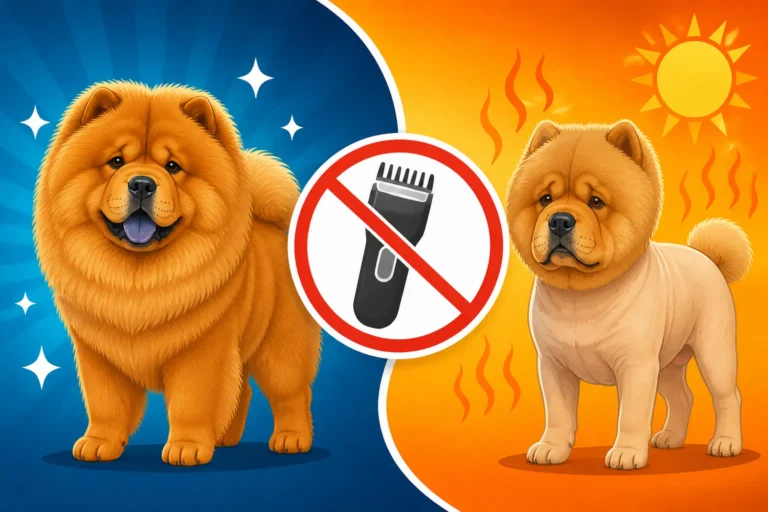
It's important to be realistic about what a groomer can achieve with severe matting. Often, the kindest and safest approach is a full shave-down. While it might be a shock to see your fluffy Chow suddenly "naked," it's far better for their skin health and can prevent hot spots from developing or worsening underneath those mats. A professional groomer can also identify any existing skin issues that were hidden by the fur and advise you on ongoing care. Don't ever attempt to cut out large, tight mats with scissors at home, as it's incredibly easy to accidentally cut the skin, leading to a much worse problem. The expense of a professional groomer, as discussed in What Professional Grooming Costs for a Chow Chow, is a worthwhile investment in your Chow's well-being.
Addressing Underlying Skin Issues
While matting is a primary cause, sometimes hot spots can be triggered by other underlying skin irritations or allergies. Flea bites, for instance, can cause intense itching, leading your Chow to chew and lick, which then creates a hot spot. Ensuring your Chow is on a consistent flea and tick preventative is critical. Environmental allergies (pollen, dust mites) or food allergies can also cause generalized itching and skin inflammation, making your Chow more susceptible to hot spots when combined with matting.
If your Chow Chow seems to be chronically itchy or develops hot spots even with good grooming, a vet visit is in order. They can help identify and manage allergies through diet changes (sometimes a limited ingredient diet or a novel protein diet from brands like Ollie can make a difference), medication, or environmental controls. Sometimes, even dampness from tear staining around their deep-set eyes, which can be cleaned with products from a pet store like Chewy, can cause skin irritation in their face folds if not managed. Addressing these root causes, alongside diligent grooming, offers the best protection against recurring hot spots.
What to Do If Your Chow Chow Develops a Hot Spot
Discovering a hot spot on your Chow Chow can be alarming. The raw, red, oozing patch of skin seems to appear out of nowhere and can spread at an incredible rate. While prevention is always the goal, sometimes they still happen. Knowing how to react quickly and effectively is vital to minimize your Chow's discomfort and prevent the infection from becoming more severe.
Immediate Steps for Home Care
If you find a hot spot, the absolute first step is to carefully and gently clip the hair away from and around the affected area. This is critical for several reasons:
- Air Circulation: It allows air to reach the wound, which is essential for drying it out.
- Assessment: It lets you see the full extent of the hot spot. Hot spots often look smaller than they actually are due to surrounding fur.
- Cleaning: It makes it possible to clean the wound effectively.
Use pet-safe clippers with a clean, sharp blade. Be extremely careful not to nick the skin, which will be tender and inflamed. Clip a wide margin around the hot spot, perhaps an inch or two beyond the visibly affected area, to ensure proper airflow.
Once the area is clipped, gently clean the hot spot with an antiseptic solution recommended by your vet, such as a diluted chlorhexidine solution, or even just lukewarm water and a mild, unperfumed soap. Pat it dry thoroughly. The goal is to keep the area clean and dry. Many owners apply an astringent or drying powder, but always consult your vet for specific product recommendations. Do not use human creams or oint unless specifically instructed by your vet, as many contain ingredients that can be toxic if licked by your dog or can further trap moisture. You will also need to stop your Chow Chow from licking or chewing the area, which often means an Elizabethan collar (e-collar or "cone of shame") or a recovery suit, both readily available from pet retailers like Chewy or Amazon.
When to Seek Veterinary Attention
While some very minor hot spots might improve with diligent home care, it's always best to err on the side of caution and consult your veterinarian, especially with a Chow Chow. Hot spots can quickly spiral out of control, leading to deeper skin infections that require prescription medication.
You should definitely seek veterinary attention if:
- The hot spot is large or spreading rapidly.
- Your Chow Chow is in obvious pain or distress.
- The hot spot is deep, bleeding heavily, or shows signs of pus.
- The area doesn't improve within 24-48 hours of starting home care.
- Your Chow Chow has recurring hot spots.
- You are unable to safely clip the fur and clean the area yourself.
Your vet will thoroughly clean the wound, likely clip more fur to ensure optimal healing conditions, and may prescribe topical medications (like medicated sprays or ointments) or oral antibiotics and anti-inflammatory drugs. They might also suggest special shampoos. Identifying the underlying cause, whether it's fleas, allergies, or simply poor coat maintenance, is something your vet can help with, which is why regular wellness exams are so important, as outlined in How Often a Chow Chow Needs a Wellness Exam.
Long-Term Management and Prevention of Recurrence
Once a hot spot has healed, the work isn't over. The best defense against future occurrences is a proactive, consistent approach to your Chow Chow's care.
- Consistent Grooming: Recommit to daily or every-other-day thorough brushing, ensuring you get down to the skin and prevent any matting. Make it a positive experience with treats and praise.
- Regular Inspections: Make it a habit to routinely check your Chow's skin, especially in those mat-prone areas. Feel for any dampness, tenderness, or unusual lumps.
- Flea Control: Maintain year-round, effective flea and tick prevention.
- Allergy Management: If allergies are a factor, work with your vet on a long-term management plan. This might involve special diets, environmental controls, or allergy medications. Brands like Ollie offer specialized dog food that might be beneficial for sensitive skin, but always consult your vet before making significant dietary changes.
- Seasonal Awareness: Be extra vigilant during warm, humid weather, as these conditions favor hot spot development. After baths or swims, ensure your Chow Chow is dried completely, all the way to the skin. How Long a Chow Chow Takes to Dry is a real consideration here, so plan accordingly.
By being diligent and observant, you can significantly reduce the risk of your beloved Chow Chow suffering from these painful skin conditions, allowing them to enjoy their magnificent coat without the discomfort.
| Aspect | Matted Chow Chow | Well-Groomed Chow Chow |
|---|---|---|
| Airflow to Skin | Severely restricted, trapping heat and moisture | Good circulation, allowing skin to breathe |
| Moisture Retention | High, creates damp microclimate | Low, moisture evaporates quickly |
| Bacterial Growth | Rapid due to trapped moisture and warmth | Minimal, healthy skin barrier |
| Itchiness/Pain | High risk of intense itching, licking, chewing | Low risk, minor irritations easily spotted |
| Hot Spot Risk | Very High | Low |
| Detection | Extremely difficult, hidden by mats | Relatively easy to spot early signs |
| Treatment Ease | Difficult, requires mat removal/shave-down | Easier to clean and treat topically |
| Overall Skin Health | Compromised, prone to infections and irritation | Healthy, resilient skin |
Disclaimer
This article is for general informational purposes only and does not constitute professional advice. Laws, prices and regulations vary by location and change over time. Consult a qualified professional for guidance on your specific situation.