Whether a Chow Chow Should Be Brushed Damp
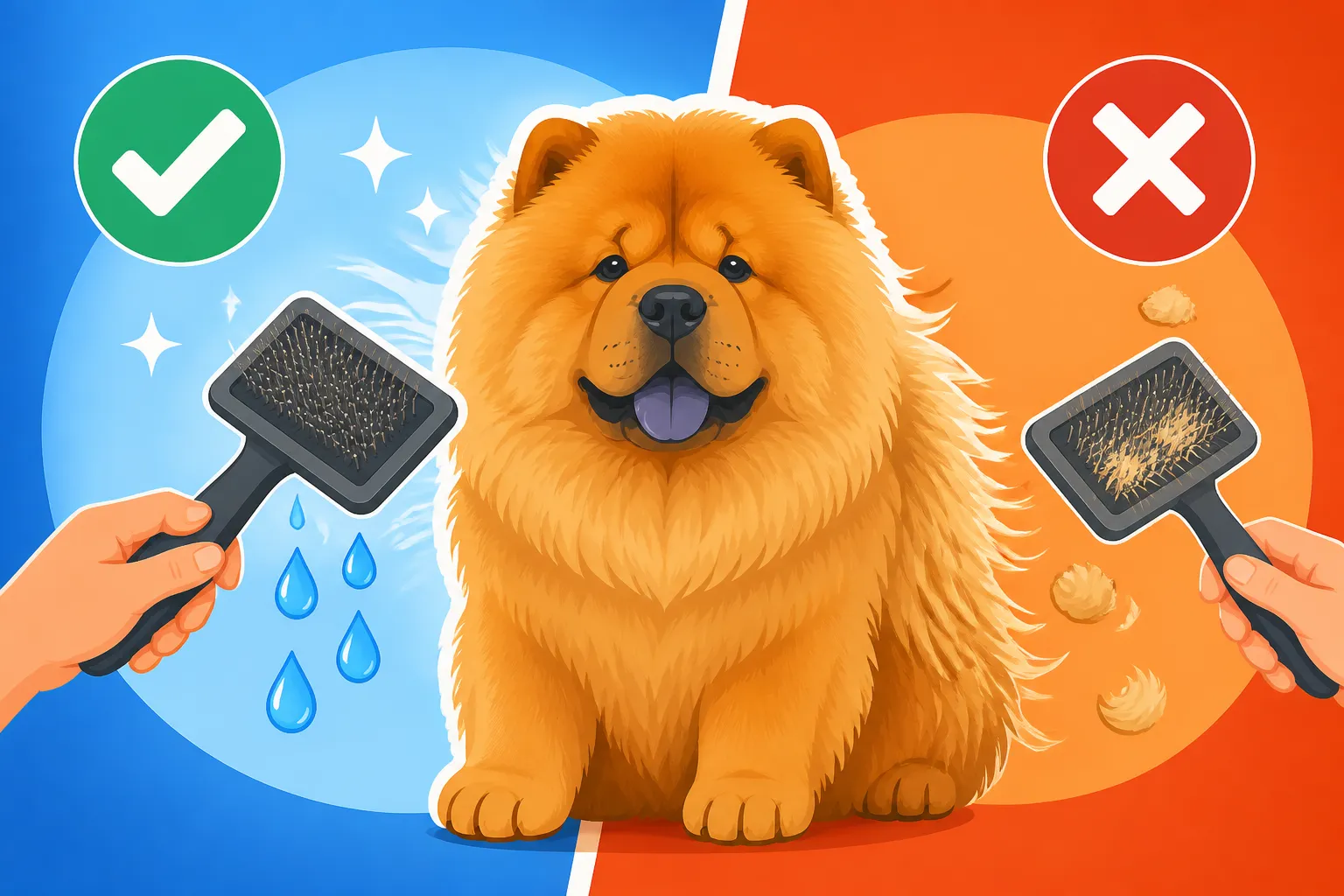
Many Chow Chow owners find themselves wondering if a little moisture might make brushing their fluffy companion easier, especially when tackling those stubborn tangles. It feels intuitive, right? A damp coat often seems more pliable. However, for a breed with such a uniquely dense double coat, brushing a Chow Chow while damp can actually create more problems than it solves, leading to a frustrating battle against matting and potential skin issues. This guide will walk you through why damp brushing is generally discouraged, when it might be permissible under very specific circumstances, and the best practices for keeping your Chow Chow's glorious coat healthy and mat-free.
The Risks of Brushing a Chow Chow's Coat While Damp
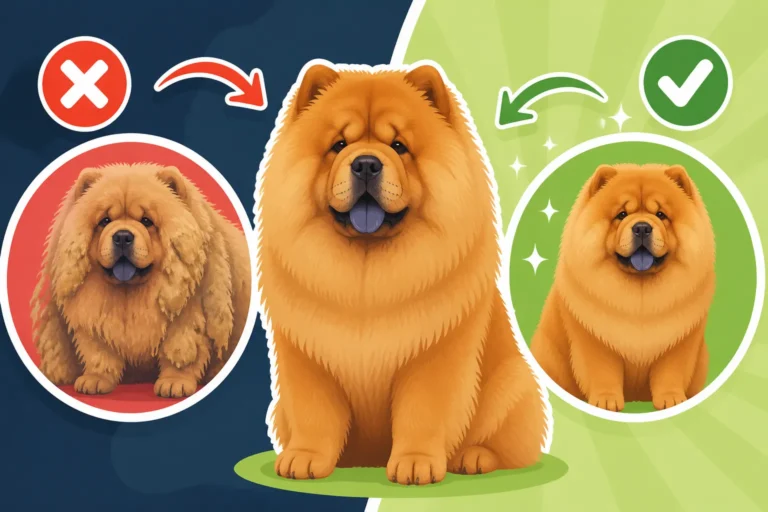
It's a common misconception that a damp coat is a more manageable coat, especially when dealing with a breed as heavily furnished as the Chow Chow. With their thick undercoat and protective outer guard hairs, introducing moisture without thoroughly drying and brushing can lead to a host of problems that are much harder to resolve than simply brushing dry. The unique structure of the Chow Chow's coat makes it particularly vulnerable to the negative effects of damp brushing.
Imagine trying to brush a wet sheepdog or an Old English Sheepdog; the results would be disastrous, creating a dense, felted mess that would be nearly impossible to untangle. While a Chow Chow's coat isn't quite as fine or prone to felting as some wool breeds, its density means that moisture can become trapped deep within the layers, leading to significant complications. This isn't just about superficial tangles; we're talking about profound matting that can pull on the skin and cause discomfort, or even pain. A Chow Chow's coat is designed to protect them from the elements, insulating them with air trapped within its layers. When wet, these layers collapse, making it difficult for air to circulate and for the coat to dry naturally.
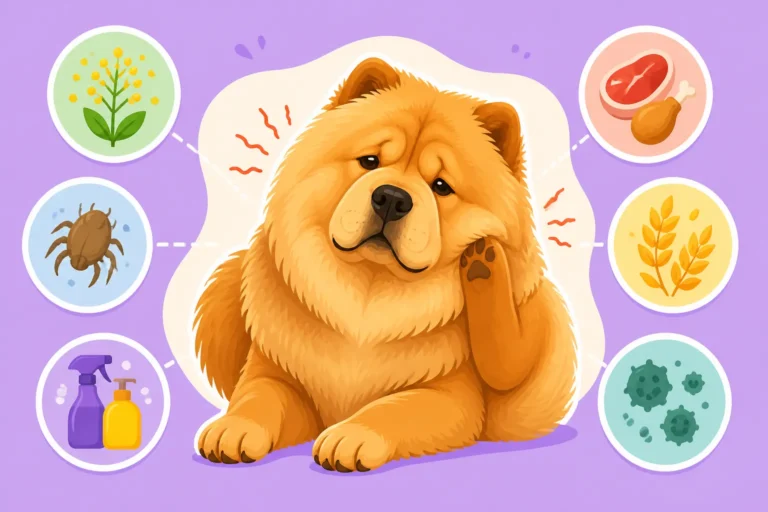
One major concern is the accelerated formation of mats and tangles. When the fine, fluffy undercoat gets wet, the individual hairs swell and then, as they dry, they can intertwine tightly, forming solid, almost felt-like clumps. This process is far more efficient when the coat is allowed to dry in a tangled state rather than being thoroughly brushed and dried. These mats act like sponges, holding moisture against the skin. This isn't just uncomfortable; it sets the stage for skin irritation, hotspots, and fungal or bacterial infections that thrive in warm, damp environments. You might not even notice these issues developing beneath the thick coat until they become quite severe, which is a real worry for any attentive owner. Why a Damp Chow Chow Gets Skin Trouble explains this in more detail.
Why a Damp Coat is a Mat Magnet for Chow Chows
The primary reason to avoid brushing a Chow Chow when their coat is damp is the almost guaranteed invitation for mats. Their unique double coat, consisting of a soft, dense undercoat and a coarser, straight outer coat, is a marvel of insulation and protection, but it's also a breeding ground for mats if not managed correctly, especially when wet.
When water penetrates the undercoat, each individual hair strand can swell. As the water evaporates, these swollen hairs contract, but in doing so, they can bind together with incredible tenacity. Think of it like a natural felting process happening on your dog. If you then try to brush through this damp, swelling, and contracting hair, you're not actually detangling; you're often just pushing the moisture and the individual hairs closer together, effectively compacting them into a denser mat. It's a bit like trying to comb wet wool that hasn't been properly detangled first—it just snags and clumps.
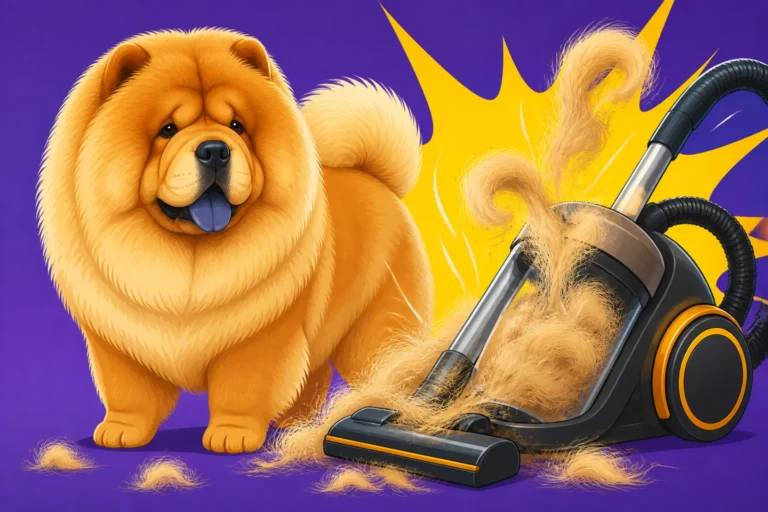
The situation is particularly pronounced during a Chow Chow's infamous coat blow, which typically happens twice a year. During this period, the undercoat sheds in massive quantities. If you add dampness to a coat that's already heavily shedding, the loose, dead undercoat becomes even more prone to clumping and matting against the skin. This is a time when diligent, dry line brushing is absolutely crucial, not damp brushing. The Twice a Year a Chow Chow Blows Its Coat delves into this natural phenomenon.
Beyond the matting, there's the issue of moisture trapped against the skin. A Chow Chow's coat is incredibly dense. Even if the outer layer feels somewhat dry, the undercoat can remain damp for a very long time, sometimes days. This prolonged dampness creates the perfect anaerobic environment for bacteria and yeast to flourish. These can lead to skin infections, hot spots, and an unpleasant odor that no one wants in their home. These infections are not only uncomfortable for your Chow Chow but can also be costly and time-consuming to treat. Regular, thorough drying and brushing, rather than damp brushing, is the best defense against these skin ailments.
When a Light Mist Might Be Okay (and When It's Not)
While generally discouraging damp brushing, there are very specific, limited circumstances where a light mist might be used, but this comes with significant caveats and a clear understanding of what you're trying to achieve, and more importantly, what you are not trying to achieve. This is absolutely not a green light for soaking your Chow Chow's coat and then trying to brush it.
Firstly, a light mist is sometimes employed by experienced groomers, or very knowledgeable owners, to very lightly dampen specific sections of a coat where static electricity is an issue, or to help a conditioning spray distribute evenly. This is typically done with a spray bottle set to a very fine mist, applying only a minimal amount of product or water to the very tips of the guard hairs, never soaking down to the undercoat or the skin. The purpose here is to reduce static, which can sometimes make individual hairs fly apart and be harder to manage, or to slightly soften the outer coat for a more polished finish. This is a precision application, not a general wetting.
Secondly, if you are using a detangling spray or a conditioning spray specifically designed for dogs, these products often recommend applying to a slightly damp coat or using a light mist of water to aid distribution. However, the key here is the product itself and the lightness of the application. These sprays often contain ingredients that help lubricate the hair shaft, making it easier for tangles to slip apart. Even with these products, it is imperative to work in small sections and immediately follow up with thorough brushing and drying to prevent any lingering dampness from creating new mats. You might find a good selection of these sprays on Chewy or Amazon.
Here's a table to help illustrate when dampening might be considered versus when it's definitely a no-go:
| Situation | Recommended Action | Why |
|---|---|---|
| General Brushing | Always brush dry. | Prevents matting, allows proper penetration of brushes, ensures no moisture is trapped. |
| Minor Static/Flyaways | Light mist of water or anti-static spray on surface hairs. | To settle outer coat, reduce static; must not penetrate undercoat. |
| Applying Detangling Spray | Apply as directed by product, often a light mist. | Product helps lubricate hairs, but immediate, thorough brushing and drying is critical. |
| Full Bathing | Brush before bath, dry completely after. | Wetting a matted coat makes mats tighter. Incomplete drying leads to skin issues and new mats. |
| Dealing with Mats | Never brush a damp mat. Use mat breaker on dry mats. | Damp mats tighten and become felted. Trying to brush them will cause pain and skin damage. |
| After Swimming/Rain | Towel dry thoroughly, then use high-velocity dryer and brush. | Prevent moisture from staying trapped, which leads to skin infections and massive matting. How Long a Chow Chow Takes to Dry is a good read. |
It cannot be stressed enough: if you are not experienced with professional grooming techniques, it is always safer to brush your Chow Chow's coat when it is completely dry. The risks of causing extensive matting or skin problems far outweigh any perceived benefit of dampening the coat. If you find your Chow Chow's coat is getting too matted, learning How to Line Brush a Chow Chow is far more effective than trying to manage it with water.
The Best Approach to Grooming Your Chow Chow's Majestic Coat
Maintaining a Chow Chow's iconic coat requires dedication and the right technique. Forget the idea of damp brushing for regular maintenance; the key to a healthy, mat-free coat lies in consistent, thorough dry brushing, often supplemented by professional tools. Brushing a Chow Chow's Mane Down to the Skin is a fundamental technique for this breed.
Essential Grooming Tools
First, let's talk tools. You simply cannot effectively groom a Chow Chow with a flimsy brush. You'll need:
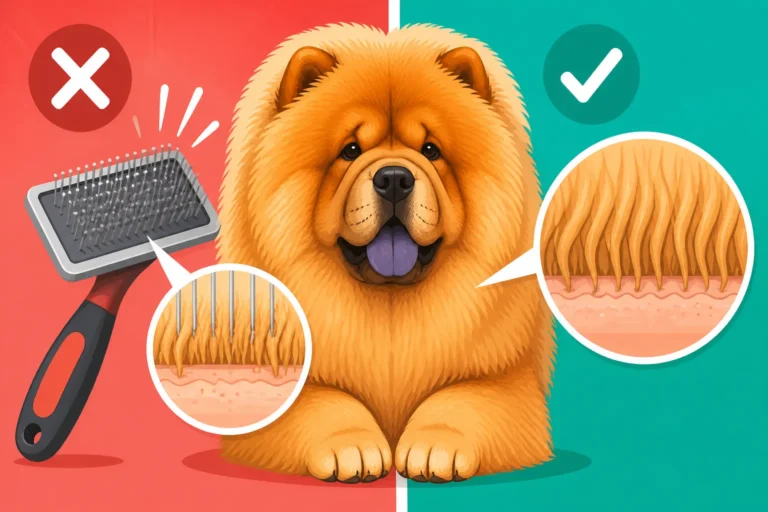
- A sturdy slicker brush: This is crucial for reaching down to the skin and working through the dense undercoat. Look for one with strong, angled pins.
- A long-toothed metal comb: Essential for checking your work and finding any hidden tangles or mats that the slicker brush might have missed. Make sure the teeth are widely spaced on one side and more narrowly spaced on the other.
- An undercoat rake: This tool is specifically designed to pull out loose undercoat, especially during a coat blow, without damaging the guard hairs. This is incredibly important for preventing mats.
- A high-velocity dryer: This is perhaps the most underrated tool for a Chow Chow owner. It not only speeds up drying after a bath but also blasts out loose undercoat, reducing shedding and matting significantly. You can find excellent options for all these tools on platforms like Amazon or Chewy.
The Art of Line Brushing
The most effective method for brushing a Chow Chow is called "line brushing." This isn't just a quick surface brush; it's a systematic approach to ensure every layer of that dense coat is reached.
To line brush:
- Start by laying your Chow Chow on its side, or if they prefer, have them stand on a grooming table. This gives you better access and control.
- Part the hair, starting at the bottom of a leg or flank, creating a horizontal "line" right down to the skin.
- Using your slicker brush, brush upwards and outwards from this line, making sure the brush pins are gently but firmly touching the skin. You're brushing in small sections, always working the hair back over your hand.
- Once that section is brushed through, create another line just above it and repeat the process, slowly working your way up the body.
- After brushing a section with the slicker, follow up with your metal comb to check for any snags. If the comb glides through easily from skin to tip, you've done it correctly. If it snags, go back with the slicker brush until it's smooth. This is where many owners realize they haven't been brushing deeply enough.
- Pay special attention to areas prone to matting: behind the ears, under the chin, in the "armpits" (front legs), the britches (rear legs), and under the tail. Where a Chow Chow Mats First details these tricky spots.
Consistent line brushing, ideally a few times a week, and daily during a coat blow, is the best way to prevent mats and keep your Chow Chow comfortable.
Bathing and Drying Best Practices
When it comes to bathing, remember that you should always brush out any mats before getting your Chow Chow wet. Water will only tighten existing mats, making them incredibly difficult, and painful, to remove.
After a bath, thorough drying is paramount. This is where your high-velocity dryer truly shines. Towel dry as much as possible, then use the high-velocity dryer, working in sections and constantly brushing the coat as it dries. Direct the airflow down to the skin to ensure the undercoat dries completely. This isn't a quick process; drying a Chow Chow can take a significant amount of time, sometimes an hour or two depending on their coat density. An incompletely dried coat is an open invitation for matting and skin issues. Bathing and Drying a Chow Chow's Dense Coat provides a full tutorial.
While some owners opt for professional groomers, who are equipped with the right tools and expertise to handle a Chow Chow's coat, consistent at-home grooming is still essential. It builds trust with your dog, allows you to monitor their skin for any issues, and significantly reduces the chances of painful matting that might require shaving. Remember, a Chow Chow's coat is a defining characteristic, and with the right care, it can remain healthy and beautiful for years to come.
Disclaimer
This article is for general informational purposes only and does not constitute professional advice. Laws, prices and regulations vary by location and change over time. Consult a qualified professional for guidance on your specific situation.