Heat Is the Chow Chow’s Most Immediate Danger
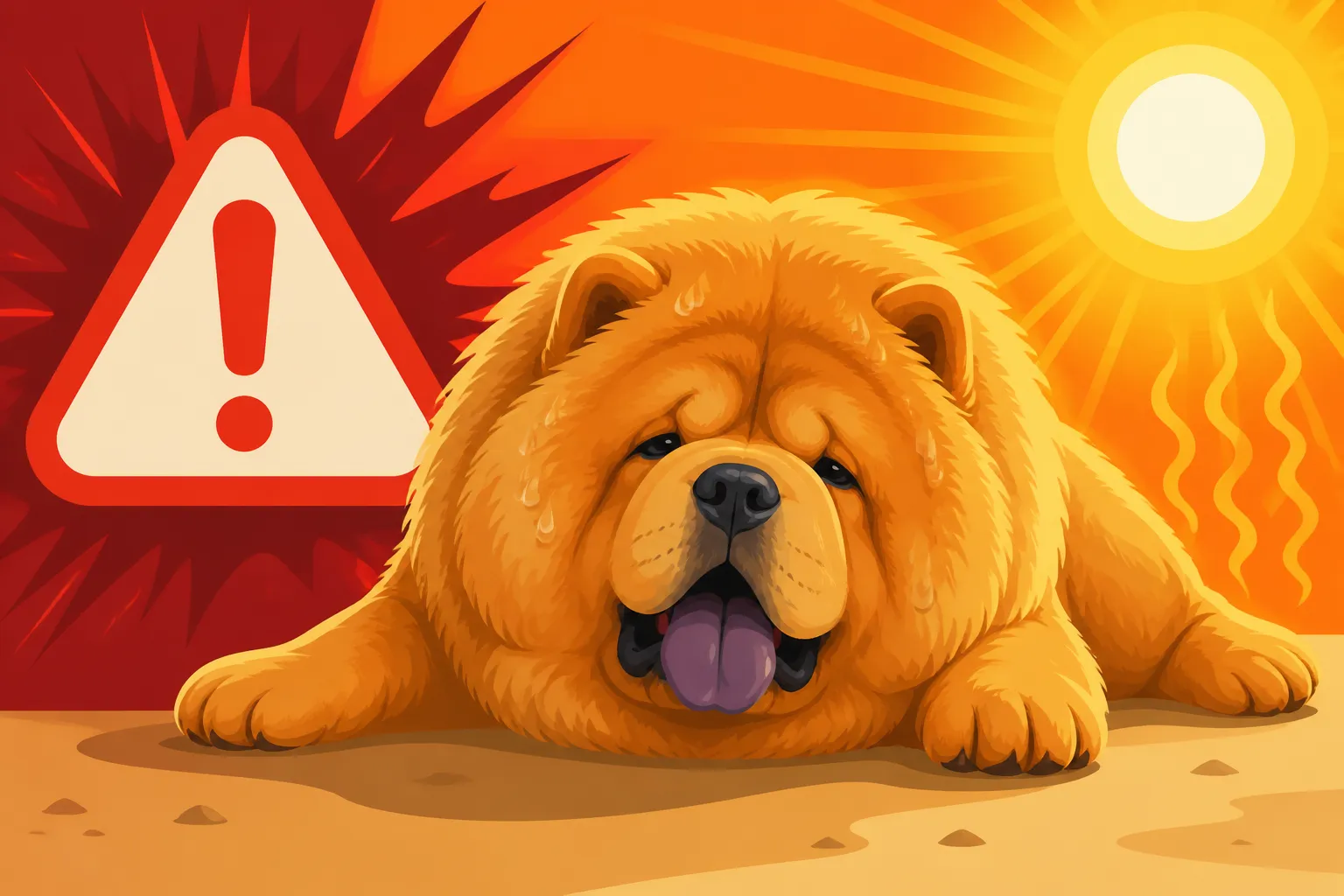
Oh, the summer dread for Chow Chow parents. That beautiful, majestic lion's mane that makes them so unique also turns into a suffocating fur coat the moment temperatures rise, putting them at immediate risk. It's a real and terrifying concern for anyone who shares their life with these incredible dogs. This comprehensive guide is here to walk you through why heat is such a grave danger for our Chows, how to spot the warning signs, and most importantly, what you can do to keep your furry family member safe and cool when the mercury climbs.
Understanding Why Chow Chows Overheat So Easily
It's not just their fluffy good looks; several physiological factors make Chow Chows particularly susceptible to overheating. As their guardians, understanding these inherent vulnerabilities is the first step in effective prevention. You might think a quick walk on a slightly warm day is fine, but for a Chow, it can quickly escalate into a dangerous situation.
The Double Coat: A Blessing and a Curse
Let's be honest, that glorious, dense double coat is one of the main attractions of a Chow Chow. It's magnificent to behold, giving them that iconic lion-like appearance. But what's designed to protect them from the harsh winters of their ancestral homeland becomes a significant liability in warmer climates. The outer coat, which can be either rough or smooth, is coarse and acts as a barrier, while the thick, woolly undercoat provides insulation. In winter, this undercoat traps warm air, keeping them cozy. In summer, it does the exact same thing, but with heat. Instead of dissipating body heat, it holds it in, turning their coat into a personal, portable sauna.
Imagine wearing a heavy wool sweater and a thick jacket on a warm day; that's essentially what your Chow Chow is dealing with. The sheer volume of fur means that air circulation close to their skin is minimal, making it incredibly difficult for them to cool down through convection. Furthermore, their coat can easily get matted if not brushed regularly, and mats only exacerbate the problem by creating even denser pockets of heat-trapping fur. This is also why many people wrongly assume that shaving a Chow Chow will help, but we'll dive into why that's a dangerous misconception later.
The Brachycephalic Challenge: Short Snouts and Breathing
Beyond the coat, Chow Chows belong to a group of breeds known as brachycephalic, meaning "short-headed." You can see it in their distinct, somewhat flattened faces and shorter muzzles. While undeniably adorable, this anatomical feature comes with a serious drawback when it comes to heat regulation. Dogs don't sweat like humans do; their primary method of cooling down is through panting. As they pant, air passes over the moist surfaces of their tongue and respiratory tract, causing water to evaporate, which in turn cools their blood.
However, a Chow Chow's shortened muzzle and compacted respiratory passages make this process far less efficient. There's less surface area for evaporation, and the anatomical structure can lead to constricted airways. They have to work much harder to move the same amount of air as a dog with a longer snout, and this increased effort itself generates more body heat. It's a vicious cycle: they pant harder to cool down, but panting harder makes them hotter. This is why you'll often see them struggling even on moderately warm days, especially after minimal exertion. Understanding this inherent challenge highlights why even seemingly mild temperatures can pose a risk.
Activity Levels and Metabolic Heat Generation
Despite their often aloof and independent demeanor, Chow Chows are still dogs, and they need exercise. However, their physical build and dense coat mean that even normal activity can quickly raise their internal body temperature to dangerous levels. When a dog exercises, their muscles generate metabolic heat. For most breeds, this heat can be effectively released through panting and convection. But for a Chow Chow, already struggling with their coat and brachycephalic airway, this additional heat is like adding fuel to a fire.
Even a short walk around the block on a day that feels pleasant to you could be too much for your Chow. They might not show immediate signs of discomfort, often stoically pushing through until they're in real trouble. Their low exercise requirements, typically a couple of moderate walks a day, don't mean they're immune to the dangers of over-exertion in heat. In fact, it means you need to be extra vigilant about the intensity and timing of their activity. Planning your walks for the coolest parts of the day, like early morning or late evening, is absolutely critical. Even playing fetch in the yard, if done vigorously, can lead to a quick build-up of heat.
Recognizing the Early Signs of Heat Stress in Your Chow Chow
Spotting the subtle cues that your Chow Chow is struggling with the heat is crucial for intervening before a dangerous situation escalates into a life-threatening emergency. Because Chows are often stoic and can hide discomfort, it's easy to miss the early warning signs if you're not paying close attention. Don't wait for dramatic collapse; know what to look for at every stage.
Subtle Behavioral Changes to Watch For
Chow Chows aren't usually known for being overly demonstrative, but even their small shifts in behavior can signal heat stress. One of the first things you might notice is a change in their usual activity levels. Are they less keen to play or go for a walk? Are they seeking out cooler, shadier spots in the house more than usual, even avoiding their favorite sunny nap spot? They might seem more lethargic, resting more frequently, or just generally less engaged with their surroundings. Perhaps they’re typically a bit reserved, but now they seem excessively withdrawn or even a little disoriented. They might also appear restless, unable to find a comfortable spot, constantly shifting or pacing in search of relief.
Another subtle but important sign is increased thirst. While this seems obvious, a Chow might quietly drink more water than usual without you immediately noticing, especially if their bowl is kept full. Observe if they're making more frequent trips to the water bowl, or if the bowl empties faster than normal. Sometimes, they might even start licking cool surfaces like tile floors or attempting to lie on them to cool their belly. If your Chow, who usually loves a good cuddle, suddenly keeps their distance or moves away when you approach, it could be their way of signaling they’re too warm and need personal space to cool down. Early intervention based on these behavioral cues can make all the difference.
Physical Indicators Beyond Excessive Panting
Of course, increased panting is a primary sign that your Chow Chow is hot, but it's important to differentiate between normal panting after a bit of exertion and excessive panting that indicates distress. Look for panting that is rapid, shallow, and seems labored, often accompanied by a wide open mouth and a stretched-out tongue. Their gums might appear a brighter red than normal as blood vessels dilate to try and release heat. In more severe cases, their gums can turn pale or even bluish if they're not getting enough oxygen.
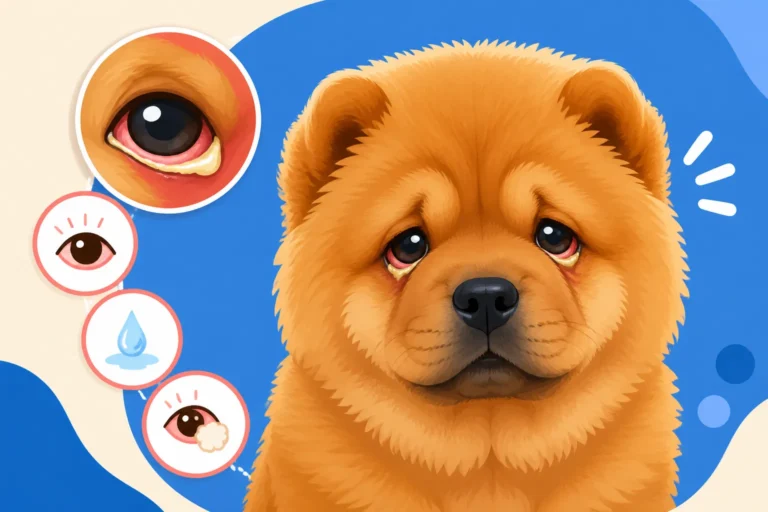
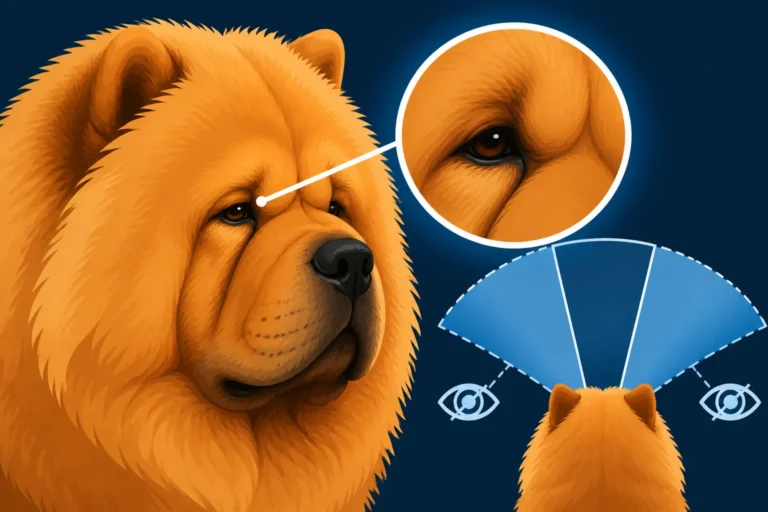
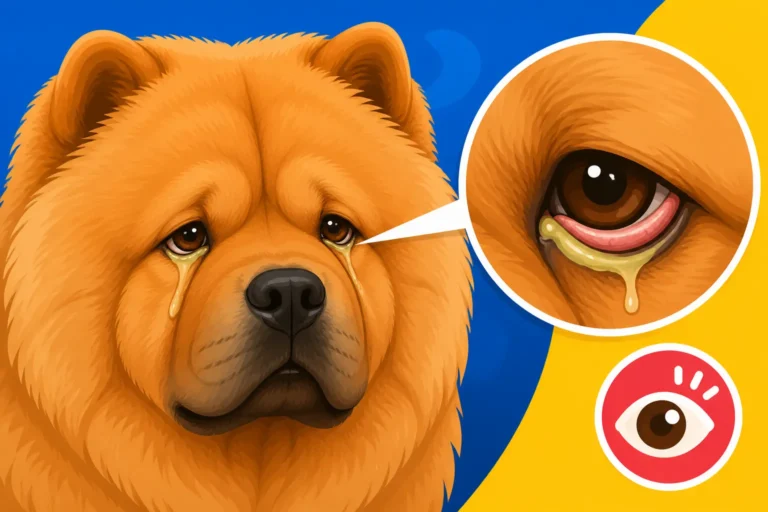
Beyond panting, pay close attention to their eyes. Are they glazed over or bloodshot? Do they seem less alert? Their deep-set eyes are one of the breed's characteristics, but they can make it harder to spot issues, so you need to look closely. The inner eyelids might also appear more prominent or red. Another telling sign is the texture of their saliva. As dogs become overheated, their saliva can become thicker, ropy, and even foamy around their mouth. This is a clear indicator that they're struggling to cool down and are potentially becoming dehydrated. You might also notice their skin feels hot to the touch, particularly on their ears or stomach, which have less fur coverage. These physical cues are critical for understanding the severity of their heat stress. Knowing Signs a Chow Chow Is Overheating on a Walk can help you react quickly.
The Progression from Heat Stress to Heatstroke
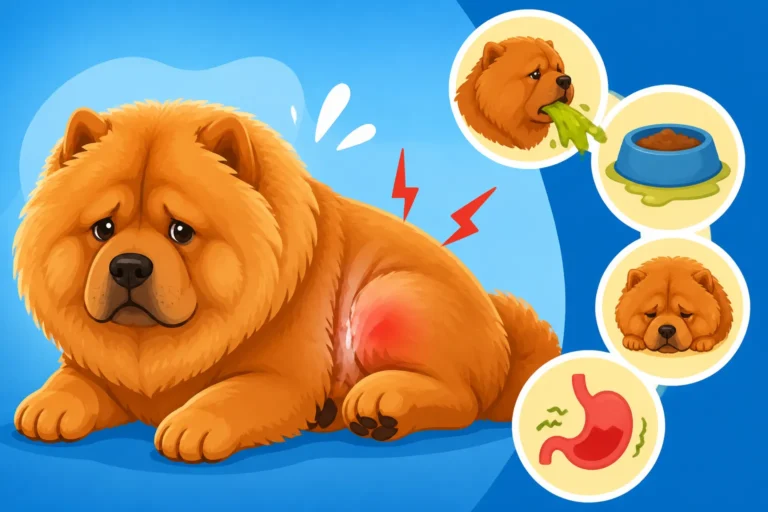
Heat stress is a spectrum, and it can rapidly progress to life-threatening heatstroke if not addressed. The early signs we just discussed, like heavy panting and lethargy, are warnings. As heat stress intensifies, you'll see more alarming symptoms. Your Chow Chow might stumble, appear uncoordinated, or even collapse. Vomiting and diarrhea, sometimes bloody, are common in heatstroke as internal organs begin to shut down. Their heart rate will likely be elevated, and their breathing will become extremely distressed and noisy. They might start drooling excessively, and their tongue could turn a darker red or even purplish.
Seizures can occur as the brain is affected by the extreme heat. In the most severe cases, they will lose consciousness and fall into a coma. This rapid progression is why early recognition and immediate action are so vital. If you suspect your Chow Chow is moving beyond simple heat stress into heatstroke, every second counts. This is not a situation where you wait to see if they'll improve on their own; immediate, aggressive cooling and veterinary intervention are required. Pet insurance providers like Healthy Paws can be incredibly helpful in covering the costs associated with such emergencies, allowing you to focus on your dog's care without added financial strain. The window between discomfort and critical condition is alarmingly short for a Chow.
Immediate Actions to Cool Down an Overheating Chow Chow
When you notice your Chow Chow exhibiting signs of heat stress, quick and effective action is paramount. Panicking won't help; a calm, methodical approach is what your dog needs. Your immediate response can literally save their life. This isn't a situation where you can afford to delay or second-guess yourself.
Getting Your Chow Chow to a Cooler Environment
The very first step, without a doubt, is to remove your Chow Chow from the heat source immediately. If you're outside, get them into the nearest shade, indoors, or, ideally, into an air-conditioned car or building. Don't waste time trying to "walk it off" or find a patch of grass. Every second they remain in a hot environment, their internal temperature continues to climb. If you're on a walk, cut it short and carry them if you must. If you're at home, move them to the coolest room, perhaps one with tile flooring or a fan.
Once inside, turn on the air conditioning to a low temperature or direct a fan towards them. Even if you're out and about, look for a shaded area with a breeze. The goal is to stop their body from absorbing more heat and to begin creating an environment where heat can start to dissipate. This initial step is non-negotiable and provides the foundation for all subsequent cooling efforts. Make sure the area is quiet and calm, as added stress can further elevate their heart rate and body temperature.
Effective Cooling Methods You Can Use at Home
Once you've moved your Chow to a cooler spot, it's time to actively cool them down. The most effective methods involve water. Do NOT use ice-cold water, as this can cause blood vessels to constrict, trapping heat inside their core, and can also lead to shock. Instead, use cool or lukewarm water. You can apply this in several ways:
- Wet Towels or Cloths: Soak towels in cool water and wring them out slightly. Place these wet towels over their major pulse points – the neck, armpits, and groin area. These are spots where blood vessels are close to the surface, allowing for more efficient heat exchange. Replace the towels frequently as they warm up.
- Hose or Shower: If your Chow tolerates it, gently wet their coat with a garden hose (on a mist setting if possible) or in a cool shower. Focus on wetting their belly and the insides of their legs, not just their dense fur, which can take time to absorb water. Ensure the water is cool, not icy.
- Foot Bath: You can also stand them in a shallow tray or kiddie pool with cool water, allowing their paws to soak. Dogs release some heat through their paw pads.
- Fans: Direct a fan onto their wet body. The evaporative cooling effect of the water combined with moving air will help drop their temperature faster.
While you're cooling them, offer small amounts of cool, fresh water. Do not force them to drink, and only offer sips to avoid stomach upset or aspiration, especially if they are heavily panting or disoriented. Continue these cooling efforts until their panting starts to subside and they appear more alert. Remember, the goal is gradual cooling, not a rapid temperature drop.
When to Seek Emergency Veterinary Care
While home cooling methods are essential first aid, they are often not enough for a Chow Chow suffering from actual heatstroke. If your dog exhibits severe symptoms like persistent vomiting, diarrhea, staggering, collapse, seizures, or loss of consciousness, you need to get them to an emergency vet immediately. Even if they seem to be improving with your home efforts, a veterinary check-up is highly recommended, as internal organ damage might not be immediately apparent.
As you head to the vet, continue your cooling efforts in the car with wet towels and air conditioning. Call ahead to the veterinary clinic to let them know you're coming and that you suspect heatstroke. This allows them to prepare for your arrival and begin treatment without delay. The veterinary team will monitor their core temperature, administer IV fluids to combat dehydration and support organ function, and provide any necessary medications to address complications. Don't underestimate the severity of heatstroke; it's a medical emergency that requires professional attention. Prompt veterinary care can mean the difference between life and death for your beloved Chow Chow. It's a prime example of a situation where pet insurance, like a plan from Healthy Paws, can be invaluable, helping to ease the financial burden during a critical and stressful time.
Preventive Measures: Keeping Your Chow Chow Cool and Comfortable
The old adage "an ounce of prevention is worth a pound of cure" couldn't be more true when it comes to Chow Chows and heat. Proactive steps are vital to ensure your furry friend never reaches a dangerous state of overheating. This involves thoughtful planning around their environment, exercise, and daily routine.
Creating a Heat-Safe Home Environment
Your home should be a sanctuary from the heat for your Chow Chow. Air conditioning is not a luxury; it's a necessity in warm climates, especially for a breed like the Chow. Make sure your AC is in good working order before summer hits. If you don't have central air, consider investing in a portable air conditioning unit for the room where your Chow spends most of their time. Fans can help circulate air, but they only provide evaporative cooling when skin is wet, so they're not a substitute for AC on truly hot days.
Beyond mechanical cooling, keep blinds and curtains closed during the hottest parts of the day to block direct sunlight and reduce ambient heat inside. Tile or concrete floors are naturally cooler than carpets, so encourage your Chow to rest on these surfaces. Cooling mats can also be a fantastic addition. These mats often contain a gel that activates with pressure, providing a cool spot for your dog to lie on. Ensure they always have access to multiple bowls of fresh, cool water throughout the house, and consider adding a few ice cubes to their water to keep it colder longer. For more ideas on how to manage the heat indoors, read our guide on Whether a Chow Chow Needs Air Conditioning.
Smart Exercise Routines for Warm Weather
Exercise is essential for a Chow Chow's physical and mental health, but it must be carefully managed when temperatures rise. The golden rule is to avoid exercising them during the hottest parts of the day. This typically means early morning (before 8-9 AM) and late evening (after 7-8 PM). Even then, keep walks short and at a leisurely pace. Forget about vigorous games of fetch or long hikes when it's warm. The goal is mental stimulation and light physical activity, not pushing their limits.
Always check the pavement temperature before heading out. If it's too hot for your bare hand, it's too hot for your Chow's paw pads. Consider paw protection like dog booties if you must walk on hot surfaces, but ideally, stick to grass or shaded trails. Pay close attention to humidity levels too, as high humidity makes it harder for dogs to cool down through panting. On particularly hot or humid days, indoor activities are much safer. Think puzzle toys, training sessions in an air-conditioned room, or simply enjoying some quiet cuddle time. When exercising, always carry water for your Chow and offer frequent breaks for sips.
Hydration Strategies and Cooling Accessories
Keeping your Chow Chow well-hydrated is paramount in warm weather. Always provide fresh, clean water, and consider using larger bowls or multiple water stations around the house to encourage drinking. Ceramic or stainless steel bowls keep water cooler longer than plastic. Adding a few ice cubes to their water bowl can entice them to drink more and also help cool them internally. For Chows who aren't big drinkers, you can try adding a splash of low-sodium broth to their water or offering frozen treats like Kongs stuffed with wet food or plain yogurt.
There are also several excellent cooling accessories available that can provide additional relief.
- Cooling Vests/Bandanas: These often contain gel packets or can be soaked in water to provide a cooling effect as the water evaporates. Brands like Ruffwear and KONG make reliable cooling vests.
- Cooling Mats: As mentioned, these are pressure-activated and provide a cool surface for them to lie on.
- Elevated Beds: These beds allow air to circulate underneath, preventing heat from building up on the floor.
- Kiddie Pools: For Chows who enjoy water, a shallow kiddie pool in a shaded area of the yard can be a wonderful way for them to cool off their paws and belly. Supervise them closely, and make sure the water is clean and fresh.
Combining these strategies will create a much safer and more comfortable environment for your Chow Chow during the warm months.
The Long-Term Health Risks of Heatstroke for Chow Chows
Surviving heatstroke is a testament to resilience, both on the dog's part and their owner's quick actions. However, merely surviving doesn't mean there are no lasting consequences. Heatstroke can have profound and sometimes permanent effects on a Chow Chow's health, leading to chronic issues and an increased risk in the future.
Organ Damage and Its Lasting Effects
Heatstroke isn't just about high body temperature; it causes a cascade of internal damage throughout the body. The extreme heat can lead to cellular damage and dysfunction in multiple organ systems. The kidneys are particularly vulnerable, and acute kidney injury is a common complication. Even if the dog recovers, they may be left with chronic kidney disease, requiring lifelong dietary management and medication. The liver is another organ highly susceptible to heat damage, potentially leading to elevated liver enzymes and impaired function.
The gastrointestinal tract can also be severely affected, resulting in bloody diarrhea, vomiting, and even intestinal sloughing. This damage can predispose them to ongoing digestive issues. Neurological damage is also a grave concern; prolonged high temperatures can cause brain swelling, seizures, and even permanent cognitive deficits, manifesting as changes in personality or coordination. The heart can suffer from arrhythmias and weakened function. In essence, heatstroke is a systemic assault, and while immediate recovery is the primary goal, owners must be prepared for potential long-term medical challenges and vigilant follow-up care.
Increased Sensitivity to Future Heat Exposure
One of the most unfortunate long-term consequences of a heatstroke episode is that it often leaves a Chow Chow more susceptible to future heat stress. Once an animal has suffered heatstroke, their body's ability to regulate temperature can be compromised, even after apparent recovery. Their thermoregulatory mechanisms may not function as efficiently as they did before the incident. This means that a dog who has experienced heatstroke will likely be at a much higher risk of recurrence, even with less intense heat exposure.
This increased sensitivity necessitates even stricter preventive measures in subsequent warm seasons. Owners must become hyper-vigilant, often requiring changes to their lifestyle, such as avoiding outdoor activities entirely on warm days, ensuring constant access to air conditioning, and being exceptionally mindful of even mild increases in temperature. What might have been a moderate risk before becomes a severe one. This permanent vulnerability adds another layer of responsibility and stress for owners who are dedicated to keeping their Chows safe, making prevention all the more critical in the first place. You might find yourself asking Whether a Chow Chow Belongs in a Hot Climate after such an experience.
Financial Implications and Pet Insurance Considerations
The cost of treating heatstroke can be astronomical, easily running into thousands of dollars, especially if the dog requires intensive care, overnight stays, specialized diagnostics, and ongoing treatment for organ damage. Emergency veterinary clinics are expensive, and heatstroke often necessitates critical care, including intravenous fluids, medication for shock, gastrointestinal protectants, anti-seizure medications, and possibly even blood transfusions or dialysis depending on the severity of organ damage.
For many pet owners, these sudden, unforeseen expenses can create an immense financial burden, adding to the emotional stress of a sick pet. This is where a robust pet insurance policy becomes invaluable. Companies like Healthy Paws offer comprehensive coverage that can help offset the costs of emergency treatments, diagnostics, and even long-term care for conditions like chronic kidney disease that may arise from a heatstroke episode. Having pet insurance means you can make decisions based on what's best for your Chow Chow's health, rather than being limited by your budget. It provides peace of mind, knowing that if the worst happens, you have a financial safety net to ensure your Chow receives the best possible care without devastating your savings. When considering What Heat Stroke Costs to Treat in a Chow Chow, insurance is definitely something to think about.
Common Misconceptions About Cooling Chow Chows
When it comes to keeping a Chow Chow cool, there are a lot of myths and well-intentioned but ultimately harmful practices that circulate. It's vital to separate fact from fiction to ensure you're providing the most effective and safe care for your dog. Incorrect cooling methods can do more harm than good, or at least fail to provide the relief your Chow truly needs.
The Myth of Shaving and Its Real Consequences
Perhaps the most pervasive and dangerous myth concerning Chow Chows and heat is the idea that shaving their coat will keep them cooler. While it seems logical at first glance – less fur, less heat, right? – for a double-coated breed like the Chow Chow, shaving is actually detrimental and can cause more problems than it solves. Their double coat is a complex system designed by nature to protect them from both cold and heat. The outer guard hairs reflect sunlight and provide insulation, while the undercoat helps regulate temperature.
When you shave a Chow Chow, you remove this natural insulation and protection. Firstly, it exposes their delicate skin directly to the sun's harmful UV rays, making them highly susceptible to sunburn and increasing their risk of skin cancer. Secondly, it disrupts their natural thermoregulation. The double coat creates an insulating layer that actually helps keep them cooler by preventing direct heat absorption from the sun, much like how a thermos keeps liquids cold. Removing it means their body has to work harder to regulate temperature. Thirdly, shaving can lead to a condition called "post-clipping alopecia," where the coat grows back unevenly, patchily, or sometimes not at all, severely impacting the coat's future ability to protect them. The best approach is regular, thorough brushing to remove loose undercoat, which allows for better air circulation without compromising their natural defenses. Our article on Why Shaving Does Not Cool a Chow Chow goes into greater detail on this critical topic.
Misinterpreting Water Consumption Needs
Another common misconception is that a Chow Chow simply needs a full bowl of water to stay hydrated and cool. While constant access to fresh water is absolutely essential, merely having water available isn't always enough, especially if they are already stressed by heat. A dog that is beginning to overheat might not drink enough, or might drink too quickly, leading to vomiting. Also, extremely cold water, while seemingly beneficial, can sometimes cause stomach upset or even trigger a vagal response in an already stressed dog.
It's about how they drink and the type of water. Offer cool (not ice-cold) water in multiple locations. Encourage small sips rather than allowing them to gulp down a large volume all at once, which can contribute to bloat, a life-threatening condition for any deep-chested breed. Furthermore, while water is key, it's only one part of the cooling equation. Relying solely on water consumption to prevent overheating without addressing environmental factors or exercise levels is a dangerous oversight. Hydration is critical, but it's a supportive measure, not the sole solution for a breed so prone to heat issues.
Over-reliance on Fans or Evaporative Cooling Alone
Fans can certainly feel refreshing to humans, and they do help with evaporative cooling for dogs if their skin is wet. However, an electric fan alone is often insufficient to cool a Chow Chow in genuinely hot or humid conditions, especially if their coat is dry. Dogs cool primarily through panting, which involves evaporation from their respiratory tract. A fan helps this process slightly, but it doesn't reduce the ambient temperature or directly cool their internal organs.
In dry heat, if a fan is directed at a wet Chow, the evaporation can provide some relief. But in humid conditions, where the air is already saturated with moisture, evaporation is significantly reduced, rendering fans much less effective. Moreover, if a Chow Chow is already severely overheated, a fan alone will not be enough to bring down their core body temperature quickly or safely. It creates a false sense of security. While fans are a good supplemental tool, they are no substitute for air conditioning, shade, or direct water application when your Chow Chow is battling the heat. True cooling requires reducing the surrounding temperature and actively drawing heat away from their body, not just moving warm air around them.
What Temperature is Too Hot for a Chow Chow?
Determining a specific "safe" temperature for a Chow Chow isn't as straightforward as a single number. It's a complex interplay of various factors that collectively contribute to their risk of overheating. What might be tolerable on one day could be dangerous on another.
Environmental Factors Beyond Just Air Temperature
While air temperature is the most obvious factor, it's far from the only one that dictates safety for a Chow Chow. Humidity plays an enormous role. Dogs cool through evaporating moisture from their respiratory tract when they pant. If the air is already saturated with moisture (high humidity), this evaporative cooling becomes significantly less efficient. So, 80 degrees Fahrenheit with high humidity can be far more dangerous than 85 degrees Fahrenheit in a very dry climate. Always check the heat index, which combines temperature and humidity, rather than just the raw temperature.
Sun exposure is another critical element. Direct sunlight, especially on dark-coated Chows, can rapidly increase their body temperature. Walking on hot asphalt or concrete also contributes significantly, as these surfaces absorb and radiate heat. The duration of exposure to these conditions also matters. A short, five-minute potty break in 85-degree weather is very different from a 30-minute walk. Wind speed can also influence cooling; a gentle breeze might offer some relief, but stagnant, hot air provides none. Considering all these elements together provides a much more accurate picture of risk than just looking at the thermometer. You must know What Temperature Is Too Hot for a Chow Chow to keep them safe.
Individual Tolerance and Risk Assessment
Just like people, individual Chow Chows can have varying tolerances to heat. A young, healthy, fit Chow Chow might tolerate slightly warmer temperatures better than an older, overweight, or health-compromised Chow. Dogs with underlying health conditions, especially respiratory or cardiac issues, are at a much higher risk. For example, a Chow Chow with a history of heart murmurs or even mild breathing difficulties (which can be common in brachycephalic breeds) will struggle significantly more.
Age is also a factor. Very young puppies and senior Chows have less efficient thermoregulatory systems and are more vulnerable. An overweight Chow Chow has more insulating fat and may have to work harder to move, generating more internal heat. Even their coat condition can play a role; a Chow with a matted or unkempt coat will trap more heat than one with a well-groomed, clean coat that allows for some air circulation. Owners must observe their individual dog's behavior, history, and physical condition to make personalized risk assessments. It's always better to err on the side of caution and assume your Chow Chow is more sensitive to heat than you might initially think.
Monitoring the Heat Index and Humidity
Given the multiple factors at play, relying solely on air temperature is a rookie mistake that can have serious consequences for a Chow Chow. Instead, make it a habit to check the "feels like" temperature or the heat index, which takes into account both air temperature and relative humidity. Most weather apps and forecasts provide this information readily. As a general rule of thumb, when the heat index climbs above 80-85°F (around 27-29°C), especially if coupled with direct sun, the risk for a Chow Chow becomes moderate to high. Above 90°F (32°C), even with moderate humidity, it's generally considered unsafe for outdoor activities for this breed.
However, even at lower temperatures, if the humidity is extremely high (e.g., 75-80% relative humidity at 75°F), it can still pose a significant risk due to reduced evaporative cooling. Think about a summer afternoon in Orlando, Florida, versus a dry day in Denver, Colorado, both at 85 degrees – the danger level is drastically different. Developing a routine of checking the full weather picture before taking your Chow outside, and being prepared to cancel or drastically shorten outings, is a vital part of responsible Chow Chow ownership. Your Chow Chow will rely on your informed judgment to keep them safe.
Traveling Safely with Your Chow Chow in Warm Weather
Traveling with your Chow Chow can be a joyful experience, but warm weather introduces unique challenges and dangers that require careful planning and strict adherence to safety protocols. A simple car ride can quickly become a deadly situation if precautions aren't taken.
Car Travel: Dangers and Best Practices
The interior of a car can become a deathtrap for a Chow Chow in an astonishingly short amount of time, even on a seemingly mild day. On an 80°F day, the temperature inside a car can reach 100°F in just 10 minutes, and 120°F in 30 minutes. Rolling down windows slightly does very little to alleviate this rapid heat build-up. This is why you should never, under any circumstances, leave your Chow Chow unattended in a parked car, even "just for a minute." The risk of fatal heatstroke is too high. The guide on Why a Chow Chow Should Never Wait in a Car emphasizes this critical point.
When traveling in a car, ensure the air conditioning is always on and directed toward the back where your Chow is riding. Use a travel-safe crate or a seatbelt harness to keep them secure and prevent them from interfering with your driving. Consider adding a cooling mat inside their crate or car seat, and bring plenty of fresh, cool water for frequent hydration stops. If you're on a long road trip, plan your stops carefully, seeking out shaded rest areas and offering water. If your Chow is prone to car sickness, consult your vet for medication, as stress and nausea can exacerbate heat issues. Always monitor their breathing and demeanor throughout the journey.
Public Spaces and Pet-Friendly Destinations
Taking your Chow Chow to public parks, outdoor cafes, or other pet-friendly destinations during warm weather requires a high level of vigilance. Even if dogs are allowed, the environment might not be safe for a Chow. Assess the amount of shade available, the temperature of walking surfaces (grass is always better than pavement), and the general crowd level. Crowded areas can cause stress, which can elevate body temperature.
Many public spaces have water fountains, but always carry your own water bowl and supply to ensure your Chow has access to clean, cool water specifically for them. Avoid dog parks during peak heat hours, as the excitement of playing with other dogs can lead to overexertion. Look for destinations that offer indoor, air-conditioned options or ample shaded, grassy areas. If you're visiting friends or family, ensure their home environment can also accommodate your Chow's need for coolness, and that they understand the breed's heat sensitivities. Always prioritize your Chow's comfort and safety over your desire for them to join every outing.
Emergency Preparedness on the Go
Being prepared for a heat emergency is crucial whenever you travel with your Chow Chow. Always have an emergency kit in your car that includes:
- Plenty of cool water: In a cooler, perhaps with ice packs.
- Wet towels: Soaked and kept in a sealed bag or cooler, ready to be applied.
- A small spray bottle: For misting their coat and paw pads.
- A portable fan: Battery-operated can be useful for air circulation.
- Your vet's contact information and the number for the nearest 24-hour emergency vet clinic: Research emergency vets along your travel route beforehand.
- A copy of your pet's medical records: Especially if they have pre-existing conditions.
Knowing the signs of heatstroke and having these items readily available will enable you to take immediate action if your Chow Chow starts to overheat. It's also a good idea to have your pet insurance information, such as your Healthy Paws policy details, easily accessible. Being prepared can reduce panic and allow you to act swiftly, potentially saving your Chow Chow's life if an emergency strikes while you're away from home.
Comparing Cooling Methods for Your Chow Chow
To help you make informed decisions, here's a quick comparison of common cooling methods, their pros, and cons. Remember, a multi-faceted approach is often best.
| Cooling Method | Pros | Cons | Best Use Case |
|---|---|---|---|
| Air Conditioning | Most effective for overall ambient cooling. | Can be costly to run. Requires electricity. | Essential for indoor primary cooling. |
| Fans | Aids evaporative cooling, circulates air. | Ineffective in high humidity; doesn't lower ambient temperature much. | Supplemental cooling, especially when Chow is wet. |
| Wet Towels/Misting | Direct, immediate cooling to pulse points. | Requires frequent re-wetting; can be messy. | Emergency first aid, quick cool-down after mild activity. |
| Kiddie Pool/Wetting | Good for overall body cooling. | Chow must tolerate water; can be messy; not always portable. | Controlled outdoor cool-down on hot days. |
| Cooling Mats | Provides a specific cool resting spot. | Limited surface area; some models lose effectiveness over time. | Dedicated cool spot for resting indoors. |
| Cooling Vests | Portable, targeted cooling for torso. | Must be kept wet or frozen; can be bulky for some Chows. | Walks in moderate heat, outdoor activities. |
| Elevated Beds | Improves air circulation beneath the dog. | Doesn't actively cool, just prevents heat trap from floor. | General comfort, year-round, as a passive cooling aid. |
Disclaimer
The information provided in this article is for general educational purposes only and is not a substitute for professional veterinary advice. If your Chow Chow is showing signs of heat stress or heatstroke, seek immediate veterinary attention. Always consult with a qualified veterinarian regarding your pet's health and medical conditions.