Why a Chow Chow Should Never Wait in a Car
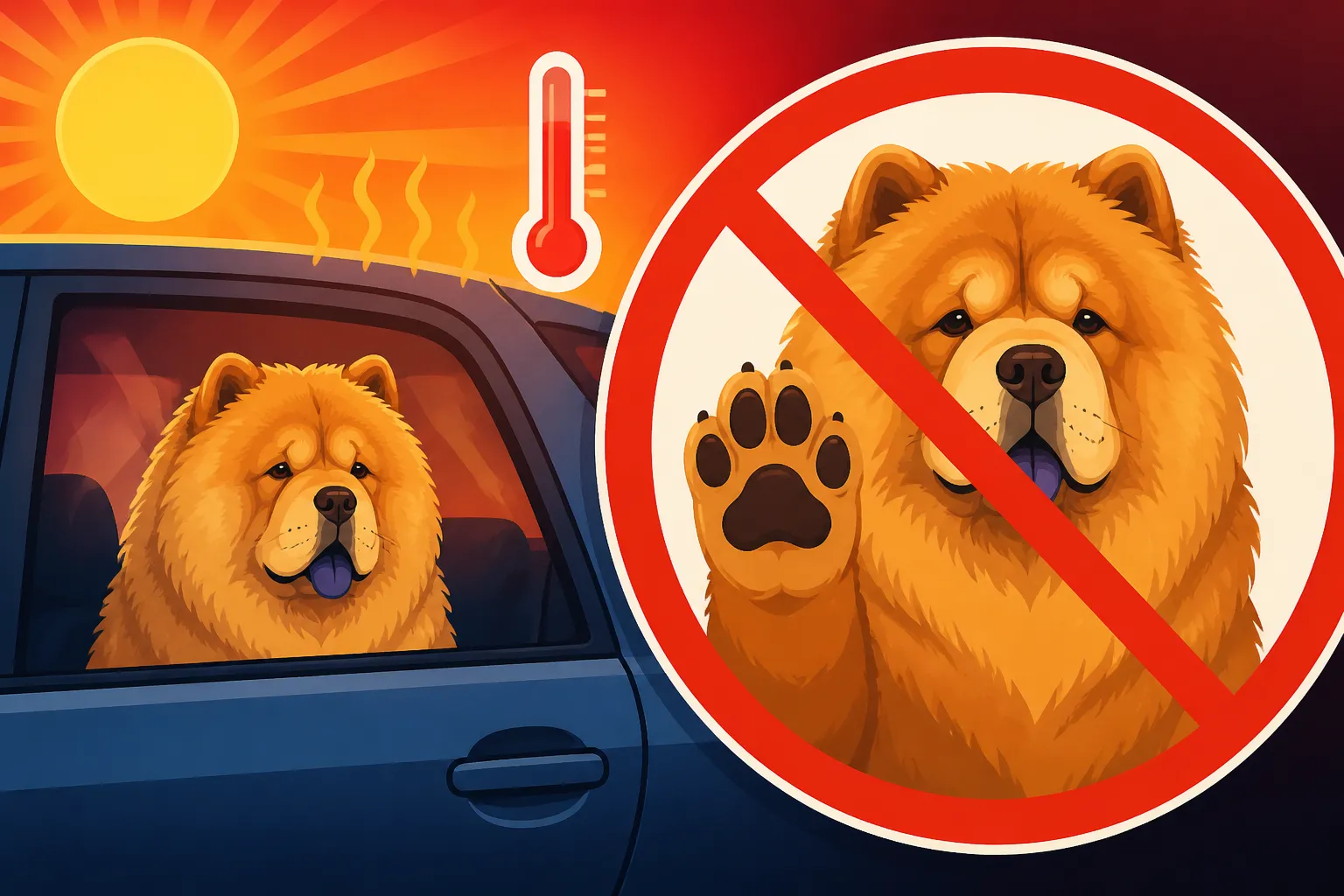
The thought of running a "quick errand" and leaving your beloved Chow Chow in the car might seem harmless on a mild day, but for this majestic breed, it's a gamble with potentially fatal consequences. These dogs are uniquely vulnerable to overheating, and even a few minutes in a warming vehicle can quickly escalate into a life-threatening emergency. This guide aims to thoroughly explain why a Chow Chow should never be left unattended in a car and how to keep them safe from the silent danger of heatstroke.
The Unique Physiology Making Car Confinement Dangerous
Chow Chows possess several distinct physical characteristics that, while contributing to their iconic appearance, also significantly heighten their risk of heatstroke when confined to a vehicle. It’s a combination of factors that means they simply cannot cope with rising temperatures as effectively as many other breeds. Understanding these inherent vulnerabilities is crucial for every Chow Chow owner.
The Double Coat's Insulation Trap
One of the Chow Chow's most striking features is its magnificent, dense double coat. This coat is composed of a harsh outer layer of guard hairs and a soft, woolly undercoat. Historically, this design was perfect for insulating them against the harsh, cold winters of their native China, effectively trapping warmth close to their body. However, this natural insulation becomes a serious liability in warm conditions. When trapped in a car, this dense fur acts like a heavy winter coat in a sauna, preventing heat from dissipating from their skin. The warm air gets trapped within the layers, and their body temperature climbs rapidly without any effective way for the excess heat to escape. This is a primary reason Why a Chow Chow's Double Coat Traps Heat makes them so sensitive to elevated temperatures.
Brachycephalic Anatomy and Poor Cooling
Beyond their insulating coat, Chow Chows are also a brachycephalic breed, characterized by a relatively short muzzle and a somewhat flattened face. While not as extreme as some other brachycephalic dogs like Pugs or Bulldogs, their facial structure still compromises their ability to cool themselves efficiently. Dogs primarily regulate their body temperature through panting, which involves rapidly exchanging warm, moist air from their lungs with cooler, drier air from the environment. The shorter and often narrower airways of a brachycephalic dog make this process much less effective. They struggle to move enough air across the moist surfaces of their mouth and respiratory tract to facilitate adequate evaporative cooling. This inherent physiological limitation means a Chow Chow is already at a disadvantage in warm conditions, making a hot car an even more perilous environment. This factor directly contributes to Why a Chow Chow's Short Muzzle Cools Poorly.
Limited Ability to Self-Regulate Temperature
When you combine the insulating qualities of their thick double coat with the inefficient cooling mechanisms due to their brachycephalic structure, you have a breed with a significantly impaired ability to self-regulate its body temperature. Unlike humans, who rely on widespread sweating to cool down, dogs primarily depend on panting. A Chow Chow's coat hinders the little sweating they can do through their paw pads by blocking air circulation around their body, and their compromised panting means their internal thermostat is incredibly vulnerable in a hot, enclosed space. They simply cannot shed excess heat at the rate it builds up in a warming car. This limited capacity means Heat Is the Chow Chow's Most Immediate Danger, and they can succumb to dangerous internal temperatures much faster than other dogs.
The Rapid Reality of Rising Car Temperatures
It’s astonishing how quickly the interior of a parked car can become lethally hot, even on what might feel like a pleasant day outside. Many owners mistakenly believe that opening a window or parking in the shade is sufficient, but these actions provide little to no protection for a Chow Chow. The science behind car temperatures is stark and unforgiving.
It's Hotter Than You Think, Even on Mild Days
The greenhouse effect is the primary culprit. Sunlight streaming through a car’s windows converts into heat that gets trapped inside. Dark surfaces like dashboards and seats absorb this heat and radiate it, quickly raising the ambient temperature within the vehicle. Studies have consistently demonstrated that on a relatively mild 70-degree Fahrenheit (21°C) day, the temperature inside a car can climb to over 100°F (38°C) in just 20 minutes. After an hour, it can easily exceed 115°F (46°C). On a hotter 85°F (29°C) day, temperatures can reach a deadly 120°F (49°C) in just 30 minutes. This rapid and dramatic increase highlights What Temperature Is Too Hot for a Chow Chow, showing that even what feels like a comfortable temperature for a human is already dangerously high for a Chow Chow.
No "Quick Errand" is Truly Quick
We’ve all been guilty of underestimating the time it takes for a "quick trip" into a store. What you anticipate to be a two-minute dash often stretches into 10, 15, or even 20 minutes due to unexpected queues, forgotten items, or a chance encounter. For a Chow Chow, these extra minutes can be the difference between life and death. The most significant temperature rise inside a parked car occurs within the first 10-20 minutes. By the time you return, your Chow Chow could already be displaying severe signs of heat stress or even be in the throes of full-blown heatstroke. There is no such thing as a "safe amount of time" to leave a Chow Chow in a car when the outside temperature is above moderately cool. The risk is simply too great, and the consequences are too dire.
The Illusion of Open Windows or Shade
Many dog owners, with good intentions, believe that cracking the windows or parking in the shade will mitigate the risk of overheating. Unfortunately, this is a dangerous fallacy. Numerous scientific studies and demonstrations have proven that slightly opening car windows has a negligible effect on the rate at which a car's interior heats up. The minimal airflow simply isn't enough to counteract the powerful greenhouse effect. Similarly, parking in the shade offers only a temporary reprieve. As the sun moves, your car can quickly be exposed to direct sunlight, or the heat already absorbed by the car's interior will continue to radiate, driving temperatures sky-high. These supposed "solutions" provide a false sense of security and should never be relied upon to protect your Chow Chow.
Here's an illustration of how quickly temperatures can climb:
| Outside Air Temperature (°F / °C) | Inside Car Temperature After 10 Mins (°F / °C) | Inside Car Temperature After 30 Mins (°F / °C) | Inside Car Temperature After 60 Mins (°F / °C) |
|---|---|---|---|
| 70°F / 21°C | 89°F / 32°C | 104°F / 40°C | 113°F / 45°C |
| 75°F / 24°C | 94°F / 34°C | 109°F / 43°C | 118°F / 48°C |
| 80°F / 27°C | 99°F / 37°C | 114°F / 46°C | 123°F / 51°C |
| 85°F / 29°C | 104°F / 40°C | 119°F / 48°C | 128°F / 53°C |
| Source: American Veterinary Medical Association (AVMA) and various university studies. |
Recognizing the Signs of Heatstroke in a Chow Chow
Given their extreme susceptibility, every Chow Chow owner must be acutely aware of the signs of heatstroke. Early detection and immediate action can literally mean the difference between life and death. Because Chows can be quite stoic and might not always overtly vocalize discomfort until they're in dire straits, vigilance is key.
Early Warning Signals You Might Miss
Initially, a Chow Chow might exhibit subtle indications of distress that can be easy to overlook if you're not specifically looking for them. The first sign is often excessive panting, disproportionate to the level of activity or ambient temperature. Their breathing might become noticeably heavier or more labored. You might observe that their gums appear darker than their usual healthy pink, often a cherry red, indicating increased blood flow as their body struggles to dissipate heat. Restlessness, an inability to settle down, or an unusual seeking out of cool surfaces are also early cues. Some Chows might start to drool excessively, producing thick, ropy saliva. Their deep-set eyes might appear somewhat glazed or anxious. These are all critical early warnings that their body is beginning to struggle and needs immediate attention. Being attuned to these minor changes is vital to prevent the progression to full-blown heatstroke, as further detailed in Signs a Chow Chow Is in Heat Stroke.
Advanced Stages and Emergency Symptoms
If heatstroke is allowed to progress, the symptoms become unmistakably severe and life-threatening. The excessive panting will intensify, becoming frantic, noisy, and almost gasping, indicating extreme respiratory distress. Their gums may turn a dangerous bright red, purple, or even bluish due to oxygen deprivation. Profuse vomiting and diarrhea, which can sometimes contain blood, are common in these advanced stages. Your Chow Chow might become disoriented, wobbly, stumble, or even collapse. Neurological signs like seizures, tremors, or loss of consciousness are grave indicators. At this point, their core body temperature will be dangerously high, typically exceeding 104°F (40°C). Immediate, aggressive cooling measures and emergency veterinary care are absolutely critical to save their life. This is where having pet insurance, such as a comprehensive plan from Healthy Paws, can provide immense relief, as the costs associated with such intensive care can be substantial.
Immediate Actions to Take in an Emergency
Should you suspect your Chow Chow is suffering from heatstroke, immediate action is paramount. Every second counts in minimizing organ damage and improving their chances of survival.
- Remove from the Heat Source: Get your Chow Chow out of the hot environment (e.g., the car) immediately and into a cooler space, ideally air-conditioned or at least deep shade.
- Begin Cooling Safely: Start to cool them down using cool (not ice-cold) water. Focus on areas with good blood flow: the belly, inner thighs, and paw pads. You can use a hose, wet towels, or even a spray bottle. Avoid ice-cold water or ice packs, as this can cause blood vessels to constrict and actually hinder the cooling process, or even induce shock.
- Use Air Movement: If available, direct a fan onto their wet body to enhance evaporative cooling. This helps pull heat away from the body more efficiently.
- Offer Water (If Conscious): If your Chow Chow is conscious and able to swallow, offer small, controlled sips of cool water. Do not force water on them if they are unwilling or unable to drink, as this can lead to aspiration.
- Seek Veterinary Care Immediately: While initiating cooling, call your veterinarian or the nearest emergency animal hospital. Alert them to your situation and estimated arrival time so they can prepare. Even if your dog seems to be recovering, internal damage may be occurring that requires professional medical attention. The sooner they receive veterinary care, the better their prognosis. For a more detailed guide on immediate steps, refer to How to Cool a Chow Chow Down Fast.
Long-Term Consequences and Prevention
The aftermath of heatstroke can be severe and enduring, even for Chow Chows who manage to survive the initial crisis. For this reason, prevention isn't just better than cure; it's the only truly responsible approach to owning this beautiful, heat-sensitive breed.
Devastating Health Outcomes from Heatstroke
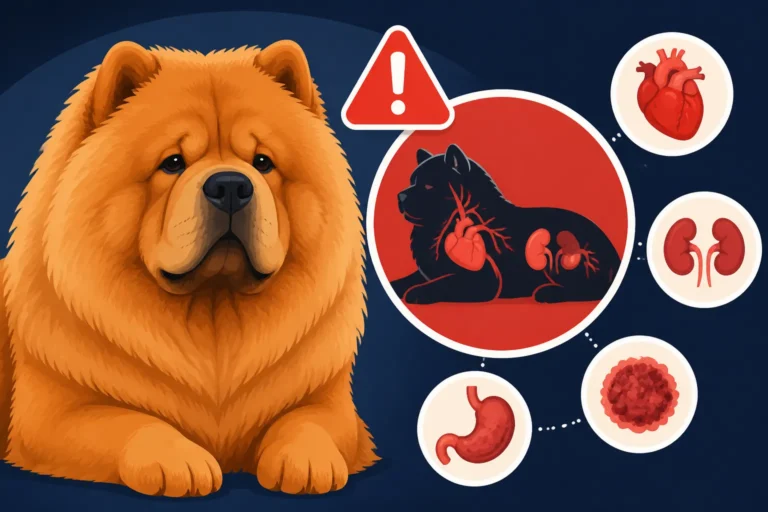
Surviving heatstroke is often only the first hurdle. The extreme elevation in body temperature can inflict widespread and sometimes permanent damage to vital organs. The kidneys are particularly susceptible to acute failure, which may necessitate lifelong medication, special diets, or in severe cases, dialysis. The brain can suffer from swelling and lasting neurological damage, potentially resulting in conditions like seizures, ataxia (loss of coordination), or impaired cognitive function. The liver can also be severely compromised, hindering its crucial role in filtering toxins. Additionally, disseminated intravascular coagulation (DIC), a dangerous blood clotting disorder, is a common and often fatal complication. Some dogs may appear to recover initially, only to suffer a sudden, delayed death days later due to delayed organ failure. The financial burden of treating such complex and critical conditions can be immense, which is why a robust pet insurance plan, such as those offered by Healthy Paws, can be incredibly valuable in providing peace of mind during such challenging times. These are the serious implications often discussed in What Heat Stroke Costs to Treat in a Chow Chow.
Legal and Ethical Implications
Beyond the devastating health consequences for your beloved Chow Chow, leaving an animal unattended in a hot car carries significant legal and ethical weight. In many jurisdictions across the United States, it is explicitly illegal to confine an animal in a parked vehicle if it endangers their health or safety. Violating these laws can lead to severe penalties, including hefty fines, animal cruelty charges, and even imprisonment. Furthermore, a growing number of "Good Samaritan" laws now protect individuals who intervene to rescue an animal in distress from a hot car, sometimes by breaking a window. Ethically, it is a profound failure of responsibility to knowingly place a dependent animal in such a perilous situation. Your Chow Chow relies entirely on you for its safety and well-being, and this includes ensuring they are never exposed to preventable dangers like a hot car.
Safe Alternatives to Leaving Your Chow in the Car
The most straightforward and effective prevention strategy is to never leave your Chow Chow alone in a car. Here are some practical alternatives and safe practices:
- Leave Them Home: If your destination or errand isn't explicitly dog-friendly, the safest place for your Chow Chow is at home in a cool, comfortable environment. Ensure they have access to plenty of fresh, clean water and an air-conditioned space, especially on warm days. Whether a Chow Chow Needs Air Conditioning is a question with a clear answer: yes, they often do.
- Bring a Human Companion: If you absolutely must make a stop, have a trusted friend or family member stay in the car with the engine running and the air conditioning on full blast, actively monitoring your Chow. This is still not ideal for long periods, but it is vastly safer than leaving them alone.
- Utilize Dog-Friendly Establishments: Seek out businesses, cafes with outdoor patios, or other venues that are openly welcoming to well-behaved dogs. Many communities now have a growing number of such establishments.
- Schedule Activities for Cooler Hours: If you plan on taking your Chow Chow for a walk or any outdoor activity, always do so during the coolest parts of the day – early morning or late evening. Always carry water for both of you to ensure How Much Water a Chow Chow Drinks in Summer is sufficient.
- Consider Cooling Gear for Travel (with AC): For necessary car journeys with the air conditioning running, a cooling vest or a cooling mat can offer some additional comfort. However, these are aids for active cooling and are absolutely not a substitute for leaving them in a hot car.
- Plan Ahead Meticulously: Before embarking on any car trip with your Chow Chow, think through your entire itinerary. Anticipate any stops where you might be tempted to leave them in the car and adjust your plans accordingly. Prioritize their safety above your convenience.
Remember, the slight inconvenience of altering your plans is a minuscule price to pay for your Chow Chow's health and life. Always err on the side of extreme caution when it comes to heat and vehicles.
Disclaimer
This article provides general information and recommendations for Chow Chow owners and is not a substitute for professional veterinary advice. Always consult with a qualified veterinarian for any health concerns or before making any decisions about your pet's medical care.