How the Chow Chow Got an English Name From a Ship’s Manifest
Have you ever wondered about the name "Chow Chow"? It rolls off the tongue, but it doesn't sound quite like a traditional breed name, and it certainly isn't a direct translation from any ancient Chinese dialect. The truth behind this distinctive name is a fascinating journey through maritime history, trade, and cultural interpretation, revealing a much less glamorous origin than you might expect for such a regal dog. This guide will unravel the mystery, showing how a practical shipping term transformed into the official moniker for one of the world's oldest and most enigmatic breeds.
The Ancient Roots of a Noble Breed in China
Before the Chow Chow ever set paw on a Western ship, it was a deeply ingrained part of Chinese culture for centuries, even millennia. These magnificent dogs weren't just pets; they were integral to daily life, serving roles that ranged from hunting companions to guardians of temples and even providers of food and fur. Their existence stretched back so far that their origins are shrouded in the mists of ancient history, making them one of the most ancient dog breeds still in existence today.
Imagine the bustling courts of Chinese emperors or the quiet majesty of remote monasteries—that's where the ancestors of our modern Chow Chows thrived. They were known by various names, each reflecting a specific aspect of their appearance or purpose, none of which sounded anything like "Chow Chow." These designations were steeped in meaning, painting a vivid picture of the esteem in which these dogs were held. Understanding these original names gives us a crucial starting point for appreciating just how unique their eventual English name became.
Their long history in China also means they developed their distinctive physical traits and temperament in relative isolation, far removed from Western influence. The deep-set eyes, the lion-like mane, the blue-black tongue, and that characteristic stilted gait all evolved over time to suit their environment and roles. This rich heritage is a testament to their endurance and the profound bond they shared with the Chinese people long before any European ever laid eyes on them. It’s a truly incredible lineage for a dog that would eventually acquire a name born out of pure bureaucratic convenience.
Early Chinese Designations and Meanings
In their homeland, these dogs were known by names that spoke to their impressive appearance and historical roles. One of the most common ancient terms was "Songshi Quan" (鬆獅犬), which translates to "puffy-lion dog." Can you picture it? That dense ruff, that regal bearing, those deep eyes – it's easy to see why they were likened to lions, powerful and majestic creatures. This name perfectly captures the visual essence of the breed as we know it, particularly the rough-coated variety that sports that incredible mane.
Another historical name you might encounter is "Tang Quan" (唐犬), which means "dog of the Tang Dynasty." This designation speaks volumes about the breed's prominence and importance during the illustrious Tang Dynasty (618–907 AD), a golden age of Chinese culture. It suggests that these dogs were not just present but likely cherished and perhaps even owned by the imperial court and nobility, further cementing their status as dogs of high regard. The fact that their history is intertwined with such a significant period underscores their ancient and esteemed lineage.
These names are far more descriptive and respectful of the dog's characteristics and history than the simple, almost whimsical, "Chow Chow." They reflect a deep cultural understanding and appreciation for the animal, highlighting its lion-like appearance and its long-standing connection to powerful dynasties. It's a stark contrast to the rather unceremonious term that would later become universally adopted in the English-speaking world. For more on their lineage, read The Chow Chow Is One of the Oldest Breeds in the World.
What the Chow Chow Did in Ancient China
The Chow Chow wasn't just a pretty face in ancient China; these dogs were true working animals, indispensable to their human companions. Their intelligence, strength, and stoic nature made them incredibly versatile. They were known to be excellent hunters, assisting in pursuing large game like wild boar and pheasant. Imagine a pack of Chows, with their powerful build and keen senses, traversing the challenging terrain of ancient China, working alongside hunters to secure food for their communities.
Beyond the hunt, they were formidable guardians. Their naturally aloof and protective temperament made them ideal watchdogs, fiercely loyal to their families and territories. Whether guarding homes, monasteries, or even imperial palaces, their imposing presence and deep, resonant bark would have deterred intruders effectively. They weren't necessarily attack dogs in the modern sense, but their sheer dedication to their post and inherent suspicion of strangers made them incredibly reliable protectors, often seen standing sentinel with unwavering vigilance.
Perhaps one of the lesser-known, and certainly less pleasant, roles they played was that of a draft animal. In a time before modern machinery, dogs were often used to pull small carts, aiding in transportation of goods or even people. The Chow Chow's robust build and strength would have made them suitable for such tasks, although it's certainly a far cry from the pampered pets we see today. Their versatility speaks volumes about their adaptability and the deep reliance people placed on them for various needs, further solidifying their place in the fabric of ancient Chinese life. You can learn more about their history in What the Chow Chow Did for a Chinese Emperor.
The Arrival of the Chow Chow in the West
The journey of the Chow Chow from the insular world of China to the burgeoning empires of the West is a story steeped in exploration, trade, and a dash of exotic curiosity. For centuries, China maintained a relatively closed-door policy, limiting interactions with foreign powers. However, as trade routes expanded and European nations sought new goods and markets, contact became inevitable. It was within this context of global exchange that the Chow Chow, an animal largely unknown outside its native land, began its slow voyage westward.
These initial crossings weren't about intentional breed export. No, these dogs were likely brought along as curiosities, as companions for sailors, or perhaps even as novel items for trade. The ships that carried them weren't designed as specialized animal transporters; they were cargo vessels laden with spices, silks, porcelain, and other exotic commodities. The dogs were just one small, living component of a much larger manifest of goods, treated more as interesting imports than as distinct breeds with a historical name.
This period marked a significant shift for the Chow Chow. From being an animal with deep cultural roots and specific, meaningful names in China, they became an anonymous "something-or-other" in a foreign land. The lack of an immediate, understandable Western name for them set the stage for the linguistic shorthand that would eventually define them. It highlights the cultural gap and the challenge of translating not just words, but also the nuanced understanding of an animal's identity, from one civilization to another.
Early Explorers and Their Cargo
The first European encounters with dogs resembling the Chow Chow likely date back to the Age of Exploration. Imagine intrepid explorers, traders, and missionaries venturing into the distant corners of the Far East. They would have encountered these unique, lion-like dogs and found them fascinating, so different from the breeds known in Europe. It's plausible that some of these early travelers acquired puppies or adult dogs, bringing them back on their ships as living souvenirs or unusual gifts for patrons back home.
These journeys were long, arduous, and fraught with peril. A ship's hold was a utilitarian space, designed for efficient storage of goods, not necessarily for the comfort of live animals. Dogs would have been just another item on board, alongside valuable silks, teas, and spices, lumped into the general category of "miscellaneous" or "exotic" items. This context is vital because it explains why a precise, breed-specific name wouldn't have been a priority for the ship's clerks compiling the manifests.
The desire for exotic goods fueled a burgeoning trade between East and West, and eventually, these unique dogs found their way into European port cities. They weren't arriving en masse as part of a planned breeding program; rather, they trickled in, often individually or in small numbers, as incidental passengers on vessels returning from lengthy voyages. This informal, ad-hoc importation meant that no official, recognized name accompanied them, leaving a void that would soon be filled by a peculiar clerical term. You can explore more about this journey in How the Chow Chow Reached England.
The First Documented Appearances in Europe
While informal arrivals probably happened earlier, the more widely acknowledged introduction of Chow Chows to England came in the late 18th century. It's said that a pair of Chow Chows were brought to England around 1781 from Canton (now Guangzhou), China. These were presented to the Prince of Wales, who would later become King George IV, sparking a nascent interest in the breed among the British aristocracy. These weren't just any dogs; their unique appearance and reserved demeanor made them stand out, igniting curiosity.
However, even with this royal introduction, the breed didn't immediately receive a formal, universally accepted English name. Early descriptions from naturalists and writers of the time referred to them in various ways: "the wild dog of China," "the Chinese dog," or simply by descriptions of their characteristics. There was no established breed standard or naming convention as there is today. This period was crucial because it was a time of ambiguity where the breed existed in the West without a fixed identity, making it ripe for an incidental name to take hold.
One of the most famous early accounts comes from the naturalist Gilbert White, who described a "Chow Chow" owned by a neighbor in the 1780s. This is significant as it shows the name was already in informal use, even before formal breed recognition. White meticulously detailed the dog's characteristics, from its black tongue to its upright tail and peculiar gait, solidifying its presence in the British consciousness. This early, descriptive phase eventually paved the way for the more permanent adoption of the term, albeit one born from practical rather than descriptive roots.
The "Chow Chow" Entry on Ship's Manifests
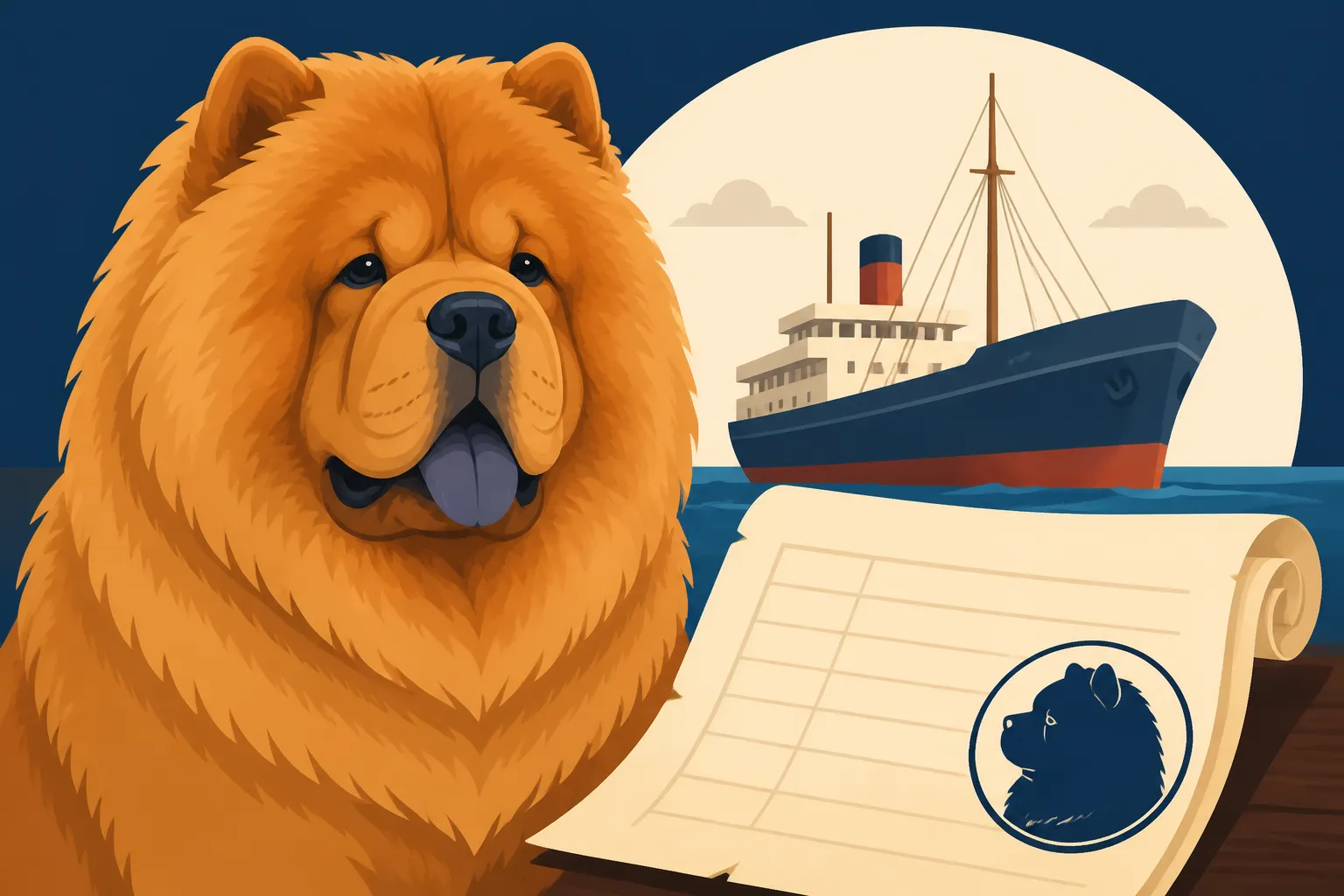
This is where the real "aha!" moment for the Chow Chow's name comes into play. When ships sailed from China to European ports, they carried an incredible array of goods. To keep track of everything for customs, taxes, and inventory, detailed lists were created. These lists, known as ship's manifests, were practical documents, not poetic ones. They needed to categorize items quickly and efficiently, especially when dealing with objects that didn't fit neatly into existing classifications.
Imagine a ship pulling into a bustling London dock, its hold filled to the brim. The clerks processing the cargo were faced with silks, teas, exotic spices, porcelain, and occasionally, an unusual dog. These dogs didn't have a recognized English breed name, and certainly not a universally understood Chinese one. So, how do you log something that's unique but doesn't have a standard designation? You give it a catch-all label.
This is the pivotal point: "chow chow" wasn't originally about the dog at all. It was a generic term used to describe miscellaneous items, curiosities, or small goods that weren't easily categorized under a specific heading. Think of it like a modern-day "sundries" or "various items" box. The dogs simply got swept into this broad category, and that simple administrative shortcut, repeated over and over on countless manifests, gradually became associated with the animal itself.
The Generic Term for Miscellaneous Cargo
The term "chow-chow" in maritime trade jargon was essentially a placeholder, a convenient label for anything that didn't fit into the main categories of a ship's manifest. When a ship was loaded with staple goods like tea, silk, or spices, every barrel or bale would be meticulously counted and listed. But what about the oddities? The trinkets, the curios, the unusual foreign objects that didn't have a common English name? Those items needed a designation too, and "chow-chow" served that purpose perfectly.
This practice wasn't unique to dogs. Any peculiar item, whether it was a strange piece of pottery, an unusual plant, or an animal like the Chow Chow, might have been categorized this way. It saved clerks time and effort, allowing them to process cargo quickly without having to invent new descriptive terms for every unique import. The term itself is believed to derive from a pidgin English word for "miscellany" or "odds and ends," reflecting its practical, catch-all utility in the bustling ports of the Far East.
So, when a sailor brought a distinctive, lion-like dog from China, or when a trader included one as an unusual piece of cargo, it wasn't listed as a "puffy-lion dog" or a "Tang dog." It was simply another "chow-chow" among the many other diverse items being transported. This seemingly innocuous bureaucratic labeling was the genesis of the breed's modern English name, a testament to how practical necessity can sometimes shape cultural language in unexpected ways.
How Dogs Were Categorized on These Lists
It's easy to assume that when a unique dog arrived on a ship, it would be given a special, descriptive entry. But in the practical world of shipping, efficiency was key. These were commercial vessels, and their manifests were business documents. Unless an animal was part of a specific, known import for breeding or a zoological collection with a designated scientific name, it would likely be categorized in the most expedient way possible.
Dogs, particularly those from distant lands with no established English breed names, didn't have a predefined slot on the manifest. They weren't "terriers" or "hounds." Instead, they fell into the general "miscellaneous cargo" section. This meant that the dogs we now know as Chow Chows were, in essence, just another "thing" on the manifest, grouped with other novelties and non-standard goods. This lack of specific identification is critical to understanding the eventual adoption of "Chow Chow."
Imagine the hurried clerk at the port, scanning items and jotting down descriptions. A dog with a blue tongue and a thick coat might be an exotic animal, but it's still just an animal. Lacking a common name, the clerk would simply assign it the generic cargo term already in use for other unclassified items: "chow chow." This repeated administrative action, over decades of trade between China and Europe, inadvertently linked the unique dog to this generic shipping term, setting it on a path to becoming its permanent identity. This historical detail underscores Whether the Name Refers to the Cargo and Not the Dog.
The Adoption of the Name by Westerners
Once these "chow chow" items, including the distinctive Chinese dogs, began to arrive in Western ports with increasing frequency, a curious thing happened. The practical, administrative shorthand started to bleed into common parlance. People encountering these unusual dogs, often after seeing them listed as "chow chow" on documents or hearing the term used by sailors and traders, began to adopt it as the dog's actual name. It was a linguistic evolution driven by convenience and familiarity, rather than any intentional naming effort.
This transition from a generic cargo term to a specific breed name wasn't immediate or deliberate. It was a gradual process, likely fueled by the exotic nature of the dogs themselves and the lack of a better alternative. Without an established English name, and with "chow chow" already floating around as an identifier for these "Chinese curiosities," it was an easy leap for people to start calling the dogs themselves "Chow Chows."
The British, in particular, with their burgeoning interest in natural history and exotic imports during the Victorian era, played a significant role in solidifying this name. As more people acquired these dogs and their unique traits became more widely known, the informal name stuck. It became part of the language, an accepted, if somewhat peculiar, label for a truly unique canine companion. This process highlights how cultural exchange, even in its most mundane forms like shipping manifests, can profoundly shape our vocabulary.
From Cargo Term to Breed Identifier
The journey from a broad cargo descriptor to a specific breed name is a fascinating example of language evolving through common usage. Initially, when a "chow chow" was logged, it could have been anything from a unique piece of furniture to an unusual animal. However, as certain "chow chows" – specifically these particular dogs from China – consistently appeared, the term began to narrow its scope in the public imagination. People started to associate that specific dog with the "chow chow" label.
It's a subtle but powerful shift. Imagine a child seeing one of these exotic dogs at a bustling port or a country estate and asking its name. An adult, knowing it came in on a shipment marked "chow chow," might simply say, "That's a chow chow." Repeated enough times, this simple explanation becomes the accepted reality. There was no formal convention or official declaration; it was the organic process of a population trying to identify and communicate about something new and distinctive.
This process was greatly aided by the unique appearance of the Chow Chow itself. It wasn't just another dog; its lion-like mane, scowling expression, and blue-black tongue made it unforgettable. These striking features helped to solidify the association between the generic "chow chow" term and this specific, remarkable animal, making it easier for the name to stick and eventually become formalized. It wasn't long before books and articles describing the breed began using "Chow Chow" as its definitive title.
Early British Enthusiasts and Naming Conventions
Once the Chow Chow made its way into British society, particularly among the upper classes, its popularity began to grow. This burgeoning interest led to more concerted efforts to understand and categorize the breed. As more Chow Chows were imported and breeding programs subtly began, the need for a consistent name became apparent. Early enthusiasts, breeders, and writers about dogs often used the familiar "Chow Chow" term, which had by then become widely associated with the breed.
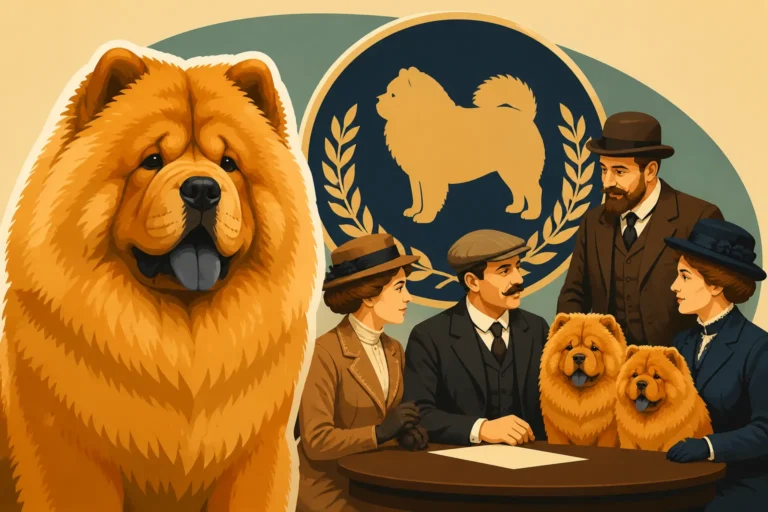
The late 19th century saw the formation of breed clubs and the establishment of formal kennel registries, like the Kennel Club in the UK. These organizations were crucial in standardizing breed names, appearances, and characteristics. When it came time to formally recognize this unique Chinese dog, the name "Chow Chow" was already entrenched in popular usage. It was simply the de facto name everyone understood, even if its origin was peculiar. There was no real impetus to invent a new, more descriptive name when one already existed and was widely accepted.
Think of it this way: when a new product is introduced, sometimes its temporary working title sticks, even if it's not the most elegant name. The same happened here. The British love for exotic breeds and their meticulous approach to dog breeding helped cement "Chow Chow" into the official lexicon. These early pioneers, perhaps more concerned with the breed's development and exhibition than its linguistic origins, adopted the name without much fuss, making it the globally recognized name it is today. Learn more about their recognition in When the AKC Recognized the Chow Chow.
Alternative Theories and Lingering Questions
While the "ship's manifest" theory is widely accepted among historians and breed experts, it's not the only explanation that has circulated regarding the Chow Chow's unusual name. Like many things shrouded in history, alternative, often more colorful, theories have emerged over time. Some of these are based on misunderstandings, while others are simply speculative attempts to find a more romantic or direct link to the breed's Chinese origins.
It's natural to try and find a deeper meaning for such a distinctive name, especially for a dog with such a rich and ancient heritage. However, many of these alternative explanations lack the historical evidence to truly stand up to scrutiny. They often rely on anecdotal evidence or linguistic interpretations that don't quite fit the historical context of trade and language development between China and the West. Understanding these other theories, and why they are less probable, helps to solidify the manifest explanation.
Despite the prevailing theory, there always remains a touch of mystery, a lingering question about whether there might have been other contributing factors or subtle influences that led to the name. The very peculiarity of "Chow Chow" invites curiosity, and that curiosity fuels ongoing discussions and informal speculation. It's part of the charm of the breed's unique story.
"Edible" Theories and Their Fallacies
One of the more persistent, and unfortunately dark, alternative theories for the Chow Chow's name relates to the historical practice of consuming dog meat in certain parts of China. This theory suggests that "chow chow" might have referred to the dogs as a food source, or perhaps even as a description of their edibility. It’s a theory that often surfaces due to sensationalism and misunderstanding of cultural practices, rather than solid historical data.
However, this theory largely crumbles under closer examination. While it is true that dog meat has been consumed in various cultures, including parts of China, for centuries, the term "chow chow" as a general descriptor for miscellaneous cargo doesn't inherently imply "edible." Furthermore, the dogs being imported to Europe were typically seen as exotic pets or curiosities, not livestock. To deliberately label them as "chow chow" with the intention of denoting them as food for Westerners arriving in London or other European ports seems highly unlikely, given the social context of the time.
The most compelling argument against this theory is the primary evidence: the usage of "chow chow" as a generic cargo term for any miscellaneous goods, not just animals. If it meant "edible," then surely other non-edible items listed as "chow chow" would make no sense. It’s far more probable that the unfortunate association with this theory stems from prejudiced views or a lack of understanding of the breed's varied roles in China. While it’s a difficult aspect of history to discuss, the evidence points away from this theory being the origin of the English name. You can learn more about sensitive historical contexts in Whether Chow Chows Were Raised for Meat and Fur.
Why the Name Stuck Despite Other Options
It's curious to think that a breed with such a majestic appearance and ancient lineage ended up with a name born from bureaucratic shorthand. Why did "Chow Chow" stick, especially when more regal or descriptive Chinese names like "Songshi Quan" existed? Part of the answer lies in the linguistic and cultural barrier that existed between China and the West during the initial periods of contact. Direct translation of complex Chinese terms was not always easy or intuitive for English speakers.
Furthermore, by the time formal breed recognition began, "Chow Chow" had already gained significant traction in popular usage. Language, especially when it comes to naming things, often takes the path of least resistance. If a name is already understood and widely used, even if its origins are humble or slightly arbitrary, it's far easier for it to become formalized than to introduce an entirely new term. The name had become familiar, and familiarity breeds acceptance.
Finally, the exoticism of the name itself may have played a role. "Chow Chow" sounds distinct and memorable, perhaps adding to the dog's mystique for Western audiences. It set the breed apart from more conventionally named European dogs. Sometimes, a quirky name can become part of a brand's identity, and in a way, "Chow Chow" did just that for this unique breed. It became a name that, despite its origins, perfectly suited the memorable and enigmatic character of the dog itself.
The Cultural Impact of the Name
The name "Chow Chow," despite its unassuming origins on a ship's manifest, had a profound cultural impact once it became firmly associated with the breed. It didn't just label an animal; it helped to define its perception in the Western world. This unique and somewhat whimsical name contributed to the Chow Chow's exotic allure, separating it from more common European breeds and adding a layer of mystery to its already captivating presence.
During the Victorian era, when these dogs truly began to capture the hearts of the British public, the name fit perfectly with the fascination for all things oriental and exotic. It sounded foreign, intriguing, and memorable. This made the Chow Chow even more appealing to those seeking to display rare and unusual possessions, further cementing its status as a breed associated with luxury and distinction. The name, therefore, became intertwined with its image as an exclusive and enigmatic companion.
Beyond its exotic appeal, the simplicity of "Chow Chow" also made it accessible. It was easy to say, easy to remember, and became a readily recognizable term for these distinctive dogs. This helped the breed transition from a rare curiosity to a beloved, albeit still somewhat exclusive, fixture in Western households and dog shows. The name, accidental as it was, became a cornerstone of the Chow Chow's identity and its journey into the global consciousness.
The Exotic Allure and Popularity in Victorian England
The Victorian era was a time of intense fascination with the exotic. As the British Empire expanded, goods, cultures, and even animals from distant lands flowed into England, captivating the public imagination. The Chow Chow, with its unique lion-like appearance, blue-black tongue, and naturally aloof demeanor, fit perfectly into this trend. The name "Chow Chow," while born of practicality, inadvertently contributed to this aura of the exotic. It wasn't a familiar English name; it sounded distinctly foreign, adding to the dog's mystique.
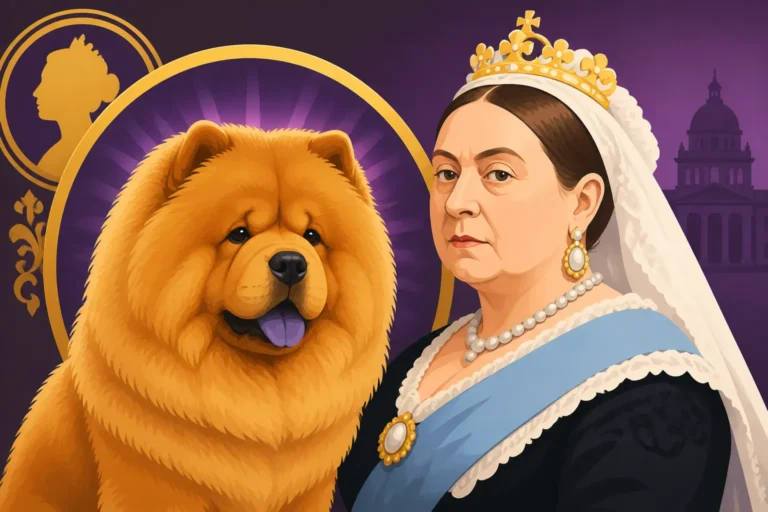
This exotic appeal quickly made the Chow Chow popular among the aristocracy and wealthy elite. Owning a Chow Chow became a status symbol, a demonstration of one's access to rare and valuable imports. Queen Victoria herself owned a Chow Chow, which significantly boosted the breed's profile and desirability among the fashionable classes. Her ownership transformed the breed from a mere curiosity into a highly sought-after companion, gracing the halls of stately homes and becoming a subject of portraiture. For details on this, see When Queen Victoria Got a Chow Chow.
The breed's distinct appearance and the quirky "Chow Chow" name fueled public interest, leading to more literature, illustrations, and discussions about these fascinating dogs. This period of heightened popularity was crucial in establishing the Chow Chow as a recognized and cherished breed in the West. The name, simple yet evocative of distant lands, played no small part in weaving the Chow Chow into the rich tapestry of Victorian society, making it a household name for those who could afford such an unusual pet.
How the Name Contributed to Its Mystique
The very ambiguity of the name "Chow Chow" inadvertently enhanced the breed's mystique. Unlike breeds with names directly describing their function (like "pointer" or "retriever") or their origin (like "German Shepherd"), "Chow Chow" offered no obvious clues. This lack of clear meaning invited speculation and wonder, adding an extra layer of intrigue to an already enigmatic dog. It encouraged people to delve deeper into its origins and characteristics, further solidifying its unique place in the canine world.
This mystique was also amplified by the breed's inherent temperament. Chow Chows are known for being reserved, dignified, and somewhat aloof, often described as "cat-like" in their independence. This disposition, combined with an unusual name, created a compelling narrative. It wasn't just a dog; it was a "Chow Chow," a creature from a distant, ancient land, carrying an air of quiet wisdom and an unyielding sense of self. The name became synonymous with this distinctive personality.
Even today, the name continues to spark questions and conversations. When someone encounters a Chow Chow for the first time, or hears its name, they often ask about its origin. This ongoing curiosity ensures that the breed's unique story, including the maritime roots of its name, continues to be told and explored. The name, therefore, isn't just a label; it's a gateway to understanding the rich history and captivating presence of this extraordinary dog.
| Aspect | Chinese Designations (Examples) | English Name ("Chow Chow") |
|---|---|---|
| Origin | Deeply rooted in Chinese culture | Pidgin English trade term |
| Meaning | Descriptive (e.g., "puffy-lion dog") | Generic cargo, "miscellany" |
| Purpose | Honored, specific roles (hunting, guarding) | Bureaucratic shorthand for unclassified items |
| Cultural Link | Direct, reflects ancient heritage | Indirect, via trade and adoption |
| Perception | Respectful, descriptive, noble | Exotic, mysterious, accessible |
| Formalization | Traditional, cultural | Accidental, then formalized by Western kennel clubs |
The Journey from Obscurity to Recognition
The path for the Chow Chow to move from being an anonymous "chow chow" on a shipping manifest to a formally recognized breed was a lengthy one, spanning decades and involving dedicated enthusiasts. It wasn't enough for the dogs simply to arrive in the West; they needed advocates who appreciated their unique qualities and worked to establish their presence within the burgeoning world of organized dog breeding and exhibition. This transition marked a crucial shift for the breed, elevating its status from curiosity to legitimate purebred.
The process of recognition involved meticulous efforts: defining breed standards, establishing breeding lines, and documenting pedigrees. This was a critical phase that moved the Chow Chow beyond informal ownership and into the structured realm of kennel clubs. Without this push for standardization, the breed might have remained a disparate collection of "Chinese dogs" rather than a cohesive, recognized entity with its own distinct identity.
Ultimately, the journey culminated in formal acceptance by major kennel clubs around the world. This official recognition not only solidified the "Chow Chow" name but also enshrined its physical characteristics and temperament within a defined standard. It meant that the breed's future would be guided by specific ideals, ensuring its preservation and consistent development for generations to come, a far cry from its humble origins as an unclassified item on a cargo list.
Kennel Club Recognition and Standardization
The late 19th and early 20th centuries were pivotal for dog breeds in the Western world, as kennel clubs emerged to formalize breeding practices and establish standards. For the Chow Chow, this meant moving from being an exotic curiosity to a pedigreed animal with a defined set of characteristics. The Kennel Club in the UK played a crucial role, recognizing the breed towards the end of the 19th century, which provided a benchmark for breeders and enthusiasts.
This recognition meant that precise descriptions of the ideal Chow Chow – covering everything from its lion-like head to its stilted gait and blue-black tongue – were officially documented. Breeders could then work towards these standards, ensuring consistency and purity of the line. The process was painstaking, involving careful selection and breeding to produce dogs that exemplified the desired traits. This formalization was essential for the breed's long-term survival and popularity outside of China.
Similarly, in the United States, the American Kennel Club (AKC) also recognized the Chow Chow, further cementing its status as a legitimate breed. This global acceptance by major kennel organizations validated the efforts of early enthusiasts and provided a framework for future breeding. The name "Chow Chow," already in common use, was officially adopted by these clubs, making its journey from a shipping term to an international breed name complete. For further reading, check out When the First British Chow Chow Club Formed.
The Global Spread and Enduring Name
Once formally recognized by kennel clubs, the Chow Chow's popularity continued to spread beyond England, reaching other parts of Europe and across the Atlantic to North America. The breed's unique appearance and dignified temperament resonated with dog lovers who appreciated its distinct character. This global dispersal was largely facilitated by continued trade and the growing international interest in purebred dogs.
As the Chow Chow gained traction in new countries, its English name went with it. "Chow Chow" became the universally accepted term, transcending linguistic barriers in many regions. While some cultures might have adopted localized pronunciations or colloquialisms, the core "Chow Chow" remained recognizable. This enduring name speaks to the power of established terminology, particularly when backed by the formal structures of international kennel clubs and enthusiastic breed clubs.
Today, the Chow Chow continues to be admired worldwide, its distinctive name a permanent fixture in the lexicon of dog breeds. From its ancient origins in China to its accidental naming on a ship's manifest, and finally to its global recognition, the journey of the Chow Chow and its name is a testament to the intricate dance between history, culture, and language. Finding specialized information and products for such a unique breed, from its rich history to modern care guides, is made easier today with comprehensive online retailers like Chewy, which often stock a wide range of breed-specific resources. You might even find historical texts about the breed's journey on platforms like Chewy, if you look.
Understanding the Chow Chow's Enduring Appeal
Beyond the fascinating story of its name, the Chow Chow's enduring appeal lies in its distinctive traits and personality. This isn't just a dog; it's a living piece of history, carrying thousands of years of heritage in its majestic stride. Its unique look, often compared to a lion, coupled with its regal and sometimes enigmatic temperament, captivates those who are drawn to its quiet dignity. For many, owning a Chow Chow is about more than just having a pet; it's about connecting with a breed that embodies ancient strength and serene independence.
The Chow Chow's independence is a hallmark of the breed, often mistaken for stubbornness or aloofness. While they are intensely loyal and protective of their chosen person, they are not typically effusive or overly demonstrative in their affection. This reserved nature is part of what makes them so appealing to owners who appreciate a dog with its own strong sense of self. They often bond deeply with one or two individuals, tolerating others in the household with a polite indifference, a trait that makes their affection all the more cherished when given.
Their physical characteristics—from the dense double coat that gives them their plush appearance, to their profound blue-black tongue and the characteristic "scowl" formed by their deep-set eyes—are instantly recognizable. These features are not just aesthetic; they are legacies of their ancient past, adaptations that served them well in their original roles and environments. It’s a breed that stands apart, both in appearance and in spirit, making its unique journey and its accidental name all the more fitting for such an extraordinary companion. Even for everyday items like grooming tools or specialized diets, resources like Chewy provide everything a Chow Chow owner might need, often with detailed descriptions that cater to the unique needs of this ancient breed.
The Charm of a "Cat-Like" Canine
One of the most frequently used descriptors for the Chow Chow's personality is "cat-like," and it's a comparison that many owners find remarkably accurate. Unlike many dog breeds that are eager to please and constantly seeking human interaction, Chow Chows possess a distinct independence. They are often content to simply be in the same room as their person, observing the world with a quiet dignity, rather than constantly demanding attention or physical affection. This reserved nature is a significant part of their unique charm.
This "cat-like" quality also manifests in their grooming habits and general fastidiousness. Chow Chows are typically very clean dogs, often meticulously grooming themselves. They also tend to be excellent at housetraining, often picking it up quickly and demonstrating a strong preference for keeping their living areas clean. This can be a huge bonus for owners, as it reduces some of the common challenges associated with puppyhood and living with a large, double-coated dog.
However, this independence also means they are not a breed for everyone. Those seeking a highly demonstrative, cuddly, or constantly engaged canine companion might find the Chow Chow's aloofness challenging. But for those who appreciate a dog with a strong personality, a quiet presence, and a deep, discerning loyalty, the "cat-like" Chow Chow offers a truly unique and rewarding companionship. It's a relationship built on mutual respect and understanding, rather than constant validation. This distinct trait is explored further in Why a Chow Chow Is Called Cat Like.
Why the Chow Chow is a Breed Apart
The Chow Chow truly stands as a breed apart, not just due to its ancient history or its quirky name, but because of a combination of physical and temperamental traits that are distinctive. Their unique blue-black tongue, for example, is a genetic marvel found in very few other breeds, adding to their mysterious aura. This isn't just a pigment variation; it's a hallmark of their distinct genetic lineage, setting them visually apart from the vast majority of dogs.
Physically, their "stilted gait," a characteristic straightness in their rear hocks, gives them an almost bear-like shuffle rather than a typical dog's trot. This unusual movement is an ancient trait, believed to have developed for endurance and efficiency over long distances in rugged terrain, rather than speed. While it might look a little awkward to the uninitiated, it's a crucial part of their breed standard and a direct link to their working past. Understanding this movement is key to appreciating their structure, which you can read more about in The Straight Rear Leg No Other Breed Has.
Their double coat, whether rough or smooth, is incredibly dense and requires specific care. This coat kept them warm in the harsh winters of northern China, but it also demands significant grooming effort from owners today. It's not just a beautiful feature; it's a functional one, reflecting their survival in challenging climates. This combination of unique physical traits, an independent temperament, and an accidental name culminates in a breed that consistently fascinates and stands out in the crowded world of canines. When looking for information on grooming these complex coats, or even just general breed care, online resources and suppliers like Chewy can be incredibly helpful for finding the right tools and advice.
Disclaimer
This article is for general informational purposes only and does not constitute professional advice. Laws, prices and regulations vary by location and change over time. Consult a qualified professional for guidance on your specific situation.