Queen Victoria Made the Chow Chow Fashionable
Before the late 19th century, the Chow Chow was largely a mysterious, exotic breed in the Western world, known primarily through tales from faraway lands or as a rare curiosity. But then, a single individual, one of the most influential figures of her time, took a liking to these magnificent "lion dogs," forever changing their fate and catapulting them into the parlors and pedigrees of high society. This guide will explore how Queen Victoria's fascination with the Chow Chow transformed it from an obscure import into a symbol of fashion and status, shaping its journey in the Western world.
Before the Royal Spotlight: The Chow Chow's Ancient Roots
Imagine a world where the Chow Chow wasn't a recognized breed in Western kennels, but a creature of legend, an exotic import from the East. For centuries, this was precisely the case. The Chow Chow's story in its native China is vastly different from its later glamorous life in Victorian England, rooted deeply in practical utility rather than aristocratic adornment.
A History Steeped in Utility, Not Luxury
In ancient China, the Chow Chow was a dog of purpose, fulfilling numerous vital roles across various strata of society. They weren't bred for their fluffy good looks or their unique blue-black tongues to sit on velvet cushions. Instead, they were integral to survival and daily life, truly earning their keep. These dogs were hunters, assisting in pursuing large game in vast wildernesses, their sturdy build and keen senses making them effective partners. Beyond the hunt, they stood as diligent guardians, protecting homes, temples, and even nomadic camps from intruders and predators. Their intimidating presence and inherent watchful nature made them excellent sentinels. Some historical accounts even suggest they were used as draft animals, pulling carts and sleds, especially in colder, more rugged regions of China and Mongolia.
The versatility of the Chow Chow meant they were prized for their strength, intelligence, and stoic loyalty within their native context. They were revered for their working ability, not necessarily for being pampered pets. This long and rich history of utility firmly establishes The Chow Chow Is One of the Oldest Breeds in the World, with archaeological evidence, like ancient artifacts and sculptures, depicting dogs remarkably similar to the Chow Chow as far back as the Han Dynasty. Imagine seeing these powerful, ancient dogs depicted in Han Dynasty Pottery Shows a Dog That Looks Like a Chow Chow, working alongside humans, long before any European monarch ever laid eyes on one. Their existence was intrinsically linked to the practical needs of the people, far removed from the ornamental status they would later attain.
First Glimpses in the West: Curiosity, Not Craze
The journey of the Chow Chow from the East to the West was a slow and intriguing one, initially marked by curiosity rather than widespread admiration. These dogs typically arrived on merchant ships, often listed simply as "chow-chow" – a pidgin English term that broadly referred to miscellaneous cargo from the East. This is how the breed ultimately acquired its rather peculiar English name, as detailed in How the Chow Chow Got an English Name From a Ship's Manifest. They weren't specifically sought after as companion animals or potential show dogs but were part of a broader collection of exotic goods making their way to European ports.
When these unusual dogs first appeared in England, they were viewed as novelties, often displayed in zoos or circuses as rare animals from distant lands. Their distinctive appearance—the dense lion-like mane, the unique blue tongue, the stilted gait—made them objects of wonder. People would pay to see them, marveling at their exotic features. However, this early exposure didn't immediately translate into widespread desire for them as pets. They remained outside the mainstream of canine appreciation, largely because their true nature and care requirements were poorly understood. They were seen as wilder, less domesticated, and certainly not the type of dog one might expect to see strolling through a refined English garden or sitting by a drawing-room fire. It took a much more significant endorsement to shift public perception and ignite a genuine fascination.
Queen Victoria's Love for the Exotic and the Canine
The transformation of the Chow Chow's status in the West can largely be attributed to a single, powerful figure: Queen Victoria. Her reign, stretching for over six decades, was a period of immense social and cultural change, and her personal preferences often set trends that rippled through the upper echelons of British society and beyond.
A Monarch's Penchant for Unique Breeds
Queen Victoria was famously a profound lover of dogs, possessing an extensive kennel that housed a diverse array of breeds. Her passion wasn't limited to the well-established British breeds; she had a particular fondness for exotic and unique canines from around the globe. This was a reflection of the imperial age, where new species and curiosities were constantly being brought back to England from distant corners of the empire. For a monarch who embraced both tradition and novelty, the acquisition of a rare and striking breed like the Chow Chow was perfectly in character. She was known for her discerning eye and her appreciation for animals that possessed a certain regal bearing or unusual charm.
Her interest in dog breeding was also well-documented. She wasn't just a casual owner; she actively engaged with her kennels, understanding the nuances of different breeds and their individual temperaments. This deep personal investment meant that any breed she championed automatically gained immense credibility and desirability. Her approval was, in essence, a royal stamp of excellence. It was this discerning and influential taste that primed the environment for a breed like the Chow Chow to move from the realm of novelty to that of a treasured companion, especially when looking at the broader context of royal patronage influencing dog fancy at the time.
Acquiring the First Royal Chow Chow
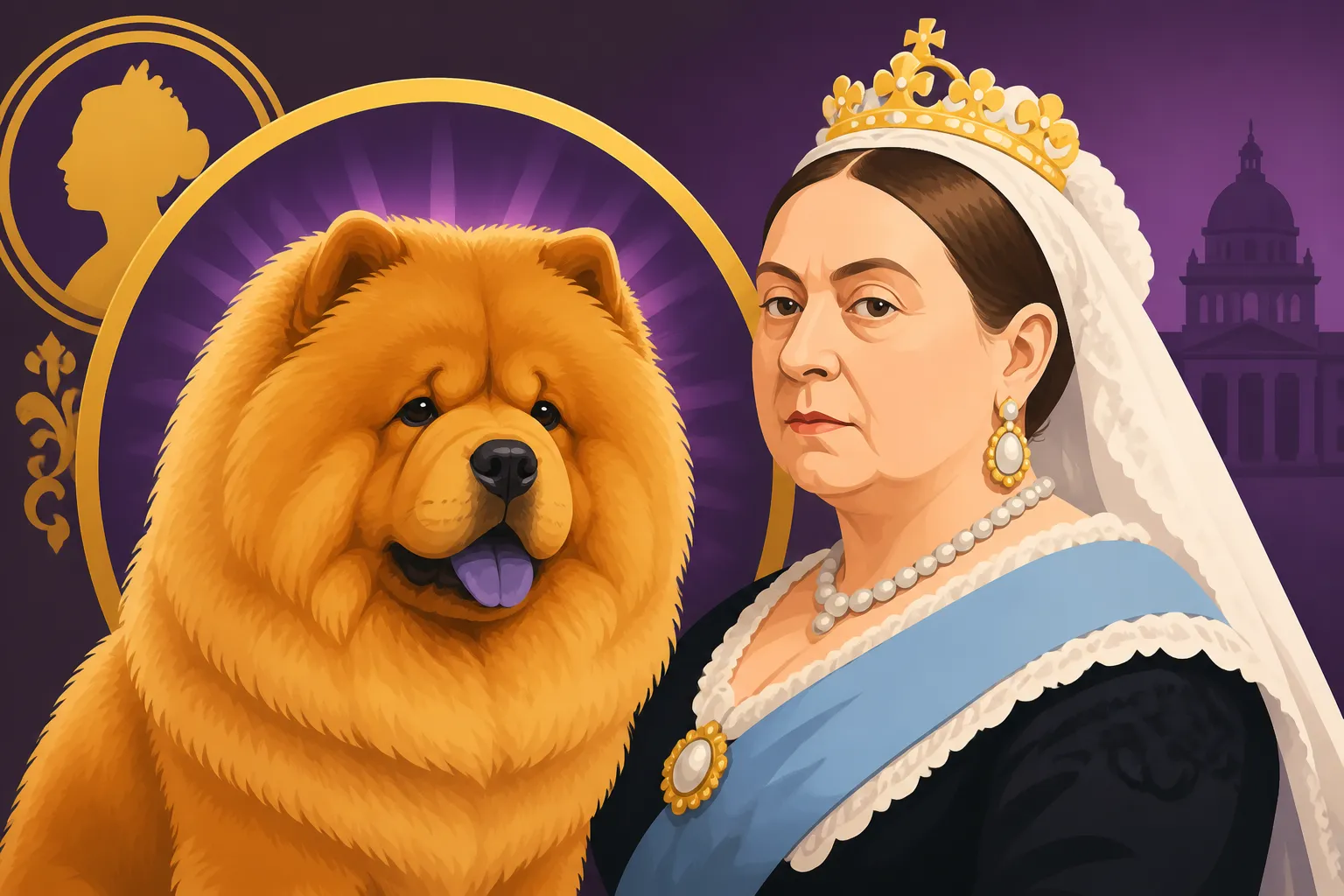
It was in the late 1800s that a Chow Chow first entered the royal kennels, specifically a lovely cream-colored specimen named "Champion" that was acquired by Queen Victoria. The details surrounding this acquisition are a fascinating glimpse into the mechanics of royal influence. While the exact moment or person who first presented a Chow Chow to the Queen might be debated, what is undeniable is the profound impact her ownership had. When Queen Victoria Got a Chow Chow, it wasn't just a personal choice; it was a public declaration. The mere fact that the Queen of England chose to include such an unusual breed among her beloved pets instantly bestowed upon the Chow Chow an unparalleled level of prestige.
Prior to this, Chows were rarely seen outside of curiosity exhibits or the homes of eccentric collectors. With the Queen's endorsement, however, they suddenly became legitimate, even desirable, companions. This wasn't merely about owning a dog; it was about owning the kind of dog the Queen owned. Imagine the buzz among the Victorian aristocracy, always keen to emulate royal tastes and trends. A dog that had once been an exotic import, perhaps even viewed with suspicion, was now elevated to the highest social standing, all thanks to the discerning eye of a single monarch. This act effectively set the stage for the Chow Chow's dramatic rise in popularity across the Western world.
The Ripple Effect: How Royal Ownership Transformed Perception
Queen Victoria's endorsement of the Chow Chow wasn't just a personal preference; it was a cultural phenomenon. Her ownership initiated a domino effect, shifting the breed's image from an oddity to a coveted status symbol, sparking widespread interest among the elite and, eventually, the general public.
From Curio to Companion: A Shift in Status
Before Queen Victoria, the perception of the Chow Chow in the West was, at best, that of an interesting curiosity, and at worst, a wild or untrainable animal. It was often viewed through the lens of exoticism, much like a tiger or a panda might be today – fascinating to observe, but not something one would necessarily bring into their home. The breed's unique appearance, especially its blue-black tongue and dense coat, made it stand out, but this distinctiveness didn't initially translate to appeal as a domestic companion. It lacked the familiar traits of European working or sporting dogs, and its reserved temperament was often misunderstood as being aloof or even aggressive.
However, the moment Queen Victoria welcomed a Chow Chow into her royal household, everything changed. Her patronage immediately legitimized the breed in the eyes of the British aristocracy and, by extension, the Western world. If a dog was deemed suitable for the Queen, then it was unquestionably suitable for the most refined homes. This royal seal of approval effectively wiped away previous misconceptions, elevating the Chow Chow from a mere "exotic cargo" to a dignified and desirable canine companion. This shift was profound, as it repositioned the breed within the social hierarchy of pets, transforming it from an object of wonder to a symbol of cultivated taste and luxury. The narrative around the Chow Chow fundamentally changed, painting it as a dog worthy of affection and respect, not just a spectacle.
The Rise of the "Fashionable" Dog
The Victorian era was one where social status and fashion were inextricably linked. What the Queen or prominent members of the aristocracy possessed quickly became the height of fashion. Therefore, once Queen Victoria embraced the Chow Chow, it rapidly became the fashionable dog to own. Wealthy individuals, eager to display their discerning taste and their connection to royal trends, began seeking out these unique animals. Owning a Chow Chow became a subtle, yet powerful, statement of one's social standing and adherence to the latest high-society trends.
This sudden surge in demand wasn't just about the dog itself; it was about the image it projected. A Chow Chow, with its distinctive lion-like appearance and noble bearing, perfectly fit the aesthetic of Victorian grandeur and exotic luxury. It was a visible marker of sophistication, a living accessory that spoke volumes about its owner's wealth and status. The result was a scramble among breeders and importers to meet this new, burgeoning demand. No longer were Chows arriving as incidental cargo; they were specifically sought after, sometimes fetching considerable prices. This "fashionable dog" status wasn't merely a passing fad; it created a lasting impression, embedding the Chow Chow into the fabric of Western dog fancy as a breed of distinction.
Breeding and Showing: The Dawn of the Modern Chow Chow Era
The surge in popularity following Queen Victoria's endorsement was a pivotal moment for the Chow Chow in the West. It moved beyond simply being a fashionable pet and entered the structured world of dog breeding and showing, laying the groundwork for the modern breed as we know it today.
The Formation of Breed Clubs and Standards
With a newfound fascination for the Chow Chow among the British elite, it became clear that a more organized approach was needed to manage and promote the breed. Enthusiasts and new owners, inspired by the royal example, recognized the importance of establishing formal guidelines to preserve the breed's unique characteristics and ensure responsible breeding practices. This led to the formation of the first Chow Chow clubs, such as the Chow Chow Club in England. When the First British Chow Chow Club Formed, it marked a critical turning point. These clubs weren't just social gatherings for owners; they were instrumental in codifying the breed standard—a detailed description of the ideal Chow Chow, encompassing everything from its physical appearance to its temperament.
These early breed standards were essential. They provided a blueprint for what a "correct" Chow Chow should look like, guiding breeders in their efforts and giving judges a benchmark in the show ring. Before this, there was little consistency, and dogs imported from China could vary widely. The establishment of these clubs and standards brought order to the burgeoning interest, creating a shared vision for the breed's future. It encouraged selective breeding, focusing on desired traits and working towards a consistent type that would become recognizable worldwide. This foundational work by early breed club members ensured that the Chow Chow's distinctive features would be preserved and cultivated for generations to come.
The Show Ring and Breed Recognition
Once breed clubs were established and standards defined, the next natural step was to introduce the Chow Chow into the competitive world of dog showing. The Victorian era saw a huge rise in dog shows, which became popular social events and important venues for breeders to showcase their stock and for different breeds to gain recognition and prestige. The Chow Chow, with its striking appearance and dignified demeanor, was perfectly suited for the show ring. Exhibiting these dogs at prestigious events like Crufts and other major kennel club shows brought them even greater public visibility and cemented their status as a legitimate and highly regarded breed.
As its popularity grew in Britain, the breed's influence spread across the Atlantic. The American Kennel Club (AKC), founded in 1884, eventually recognized the Chow Chow, further solidifying its place in the global canine community. When the AKC Recognized the Chow Chow, it signaled that the breed had truly arrived in the Western world, no longer just a European novelty but a staple of North American dog fancy as well. The show ring became a powerful engine for promoting the breed, attracting new enthusiasts, and ensuring that the Chow Chow continued to evolve under careful scrutiny according to its established standards. This journey from royal pet to show ring star was instrumental in shaping the breed's modern identity and ensuring its enduring appeal.
The Economic and Social Impact of the Chow Chow's Newfound Fame
Queen Victoria's quiet adoption of a Chow Chow had economic and social ramifications that reverberated through the dog world, fundamentally altering the breed's market value and its symbolic meaning within society.
Demand Drives Up Prices
Before Queen Victoria's patronage, Chow Chows were relatively obscure, and their value was largely determined by the cost of their exotic import. They were unique, yes, but not in high demand as pets. Once the Queen owned one, however, the equation completely flipped. Suddenly, everyone who was anyone wanted a Chow Chow. This sudden, intense demand, coupled with a limited supply of quality dogs, inevitably led to a significant increase in their market price. How Queen Victoria Changed Chow Chow Prices is a clear illustration of the power of celebrity endorsement, even royal celebrity, to influence economic trends.
Breeders, seeing the financial potential, began to invest more in importing and breeding these dogs. Owning a Chow Chow became a luxury, accessible primarily to the wealthy who could afford the steep purchase price. It wasn't just the initial cost; the ongoing care, especially for a dog with such a lavish coat and specific needs, also contributed to its high-end image. This economic shift meant that acquiring a Chow Chow became an investment, a reflection of disposable income and a commitment to keeping a fashionable, high-status animal. The market was no longer driven by curiosity but by aspiration, making the Chow Chow one of the most desirable and costly breeds of its time. For those considering ownership today, it's a good reminder that the breed often still commands a higher price tag than many others, as seen in the considerations of What a Chow Chow Costs to Buy in 2026.
The Chow Chow as a Symbol of Status
Beyond the monetary cost, the Chow Chow rapidly evolved into a potent symbol of social status. In Victorian society, where visible markers of wealth and position were highly valued, owning a breed favored by the monarch was a clear demonstration of one's standing. It signaled that the owner was cultured, fashionable, and affluent enough to acquire and maintain such an exclusive animal. The Chow Chow's distinctive appearance—its lion-like mane, scowling expression, and proud demeanor—only added to its allure as a dignified companion befitting an aristocratic household.
Having a Chow Chow accompany you on walks or lounging in your drawing-room was a subtle, yet unmistakable, declaration of your place in society. It was akin to owning a rare piece of art or wearing the latest haute couture; it conveyed a sense of refined taste and access to the inner circles of influence. This symbolic power was immense, driving many to seek out the breed not just for its intrinsic qualities, but for what it represented. The breed's reserved and somewhat aloof nature, which might have been a drawback in a less status-conscious era, was reinterpreted as dignified and aristocratic, further enhancing its image as a companion for the elite.
Long-Term Legacy: Victoria's Influence on the Chow Chow's Western Trajectory
Queen Victoria's embrace of the Chow Chow wasn't just a fleeting moment of royal fancy; it cemented the breed's place in Western consciousness for generations to come. Her influence created a lasting legacy that continues to impact how we perceive and interact with this magnificent breed.
Cementing the Breed's Place in Western Culture
The direct consequence of Queen Victoria's patronage was that the Chow Chow transitioned from being a mere foreign curiosity to a fully integrated and recognized breed within Western canine culture. Her approval provided the necessary legitimacy and visibility for the breed to flourish. Without it, the Chow Chow might have remained a rare sight, perhaps even fading back into obscurity as other transient fads often do. Instead, it became a fixture, appearing in dog shows, breeding programs, and eventually, in homes across Europe and America.
This deep integration meant that the breed's characteristics, history, and care requirements became subjects of serious study and discussion. Books were written, breed clubs dedicated themselves to its preservation, and a passionate community of Chow Chow enthusiasts began to grow. The general public, too, became familiar with its unique appearance and name. This cultural embedding ensured that even after the immediate fervor of royal fashion subsided, the Chow Chow remained a recognized and respected part of the canine landscape. It was no longer a mystery; it was a breed with an established identity, thanks in large part to the initial spark provided by one very influential monarch.
Enduring Appeal and Challenges
Even long after Queen Victoria's reign, the Chow Chow retained a certain cachet, often associated with a sense of distinction and exotic beauty. Its unique look and dignified demeanor continued to appeal to those seeking a dog that stood apart from the more common breeds. This enduring appeal has seen the Chow Chow maintain a consistent, albeit niche, presence in the dog world. However, the initial surge in popularity also brought its own set of challenges, particularly concerning responsible breeding. As demand soared, some less scrupulous breeders inevitably entered the market, focusing on profit rather than the health and temperament of the dogs. This led to issues that the breed still contends with today.
For example, the breed's inherent aloofness and the management of its dense coat require dedicated ownership. Without careful socialization and consistent grooming (which can be a substantial undertaking), a Chow Chow can be a challenging companion. Brushing a Chow Chow's Mane Down to the Skin isn't a casual task; it's a commitment. Similarly, their strong, independent personalities mean that The Chow Chow Bonds to One Person and Tolerates the Rest – a trait that needs to be understood and respected by owners. While the breed's overall popularity might have fluctuated over the decades, even seeing a decline that led to Why the Chow Chow Fell Out of America's Top Ten, the foundation laid by its Victorian-era champions ensured its survival and continued admiration, albeit with a greater emphasis on educating potential owners about its unique needs and characteristics. The legacy is a mixed bag of enduring charm and ongoing responsibility.
Caring for Your Royal-Inspired Companion Today
Bringing a Chow Chow into your home, whether you're drawn to their ancient history or their regal Victorian association, means embracing a commitment to their unique care needs. They are not a "set it and forget it" kind of dog; their distinct coat and temperament require consistent attention.
Grooming the Lion Dog's Lavish Coat
The Chow Chow's most iconic feature is arguably its magnificent, dense double coat, which gives it that distinctive lion-like appearance that so captivated the Victorians. However, this beauty comes with significant grooming responsibilities. There are two primary coat types: rough and smooth. The rough coat is longer and more abundant, creating that dramatic mane and feathered tail. The smooth coat is shorter but still dense and plush. While a smooth coat might seem easier, both require consistent attention to prevent matting and manage shedding. Understanding Rough or Smooth: the Two Chow Chow Coats and What Each Needs is crucial for any potential owner.
Regular brushing is non-negotiable. For a rough-coated Chow, you'll need to dedicate time, often several times a week, to thoroughly brush through the undercoat, ensuring no mats form, particularly behind the ears, under the legs, and in the "britches" area. A good quality slicker brush and a sturdy metal comb are indispensable tools. Brands like Chewy offer a wide selection of grooming essentials, from powerful high-velocity dryers that help with coat blow to specialized undercoat rakes that can reach deep into their dense fur. During seasonal coat blows, which typically happen twice a year, the amount of hair can be astonishing, requiring daily dedicated effort to remove the shedding undercoat. Without this diligent care, mats can quickly become painful and lead to skin issues, making professional grooming a necessity if home care is neglected.
Understanding the Chow Chow's Unique Temperament
Beyond their striking appearance, the Chow Chow's temperament is equally distinctive and has been a subject of fascination and sometimes misunderstanding throughout its history. They are often described as cat-like due to their independent, reserved, and dignified nature. Unlike many breeds that crave constant interaction and affection, Chow Chows are typically more aloof, preferring to observe rather than participate in boisterous activities. This isn't to say they aren't affectionate; they simply express it in their own quiet way, often preferring a calm presence nearby over exuberant displays.
This reserved nature means they tend to bond very strongly with one or two primary individuals, viewing the rest of the household with polite tolerance. As detailed in The Chow Chow Bonds to One Person and Tolerates the Rest, their loyalty to their chosen person is unwavering, but their acceptance of strangers can range from polite indifference to suspicion. Early and extensive socialization is crucial for a Chow Chow puppy to develop into a well-adjusted adult, exposing them to a variety of people, sounds, and environments in a positive way. Without it, their natural wariness can become problematic. Their independent spirit also means they are not always eager to please, and training requires patience, consistency, and positive reinforcement, often with the motivation of a delicious treat from Chewy to seal the deal. Understanding and respecting their unique personality is key to building a harmonious relationship with these magnificent, "royal-inspired" companions.
| Feature | Before Queen Victoria's Influence | After Queen Victoria's Influence |
|---|---|---|
| Status in West | Exotic Curiosity, Working Dog | Fashionable Pet, Status Symbol |
| Perception | Wild, Obscure, Unfamiliar | Dignified, Regal, Desirable |
| Demand | Low, Incidental Imports | High, Intentional Breeding |
| Price | Relatively Low (import cost) | Significantly Higher, Luxury Item |
| Breed Structure | Unorganized, No Formal Standards | Breed Clubs Formed, Standards Set |
| Publicity | Limited, Zoos, Circuses | Widespread, Dog Shows, Elite Homes |
Disclaimer
This article is for general informational purposes only and does not constitute professional advice. Laws, prices and regulations vary by location and change over time. Consult a qualified professional for guidance on your specific situation.