Why a Chow Chow Is Called Cat Like
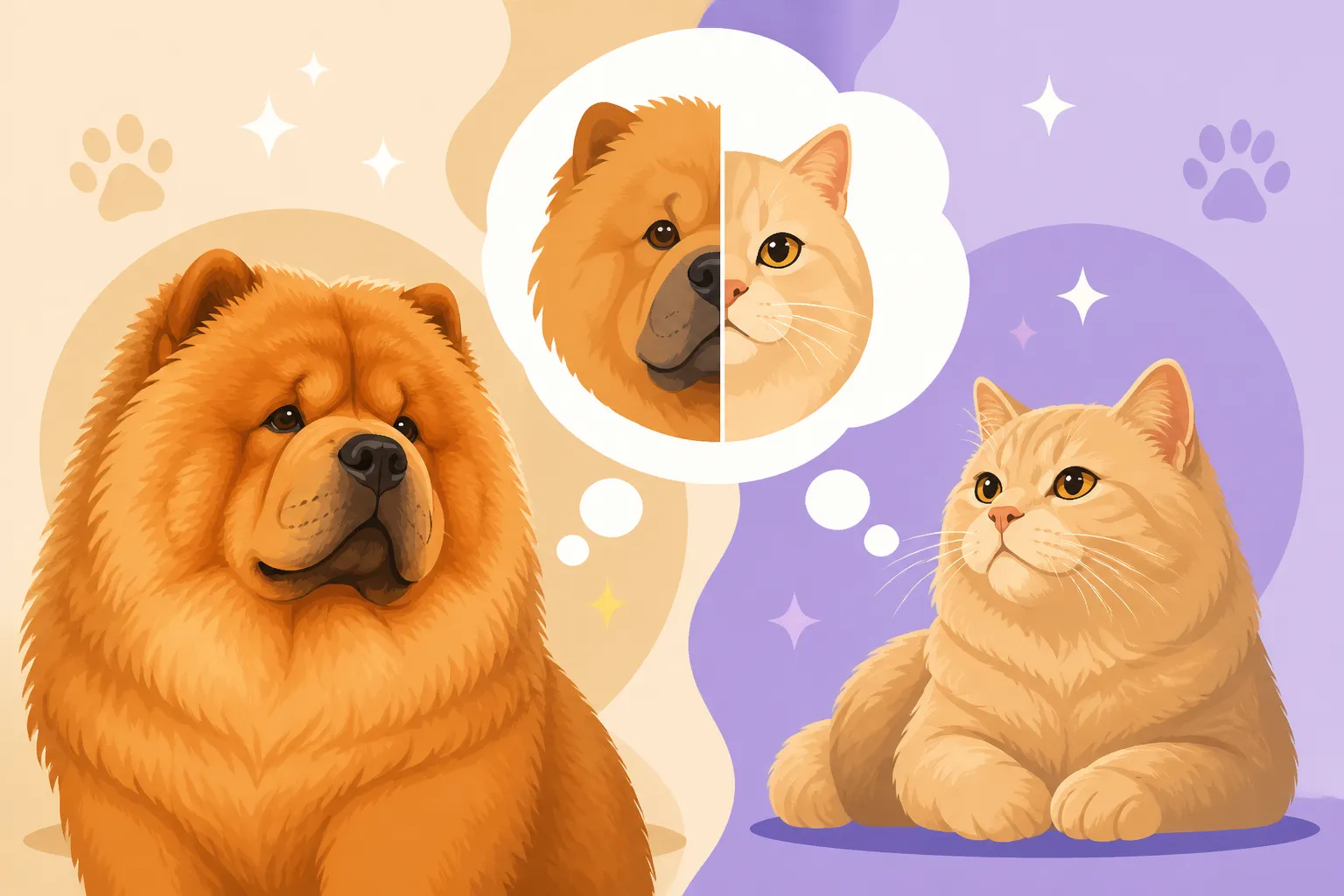
If you've spent any time around a Chow Chow, you've likely heard the term "cat-like" whispered, or perhaps you've even uttered it yourself in a moment of both exasperation and admiration. For those unfamiliar with the breed, it can sound like a bizarre comparison for a fluffy, lion-maned dog. But trust me, as someone who has shared my life with these magnificent creatures, it's an incredibly apt description that encapsulates much of their unique temperament and behavior. This guide delves into the specific traits that earn the Chow Chow its reputation as the feline of the canine world, helping you understand their independent spirit and why they march to the beat of their own drum.
The Independent Spirit: A Dog That Doesn't Need to Be Underfoot
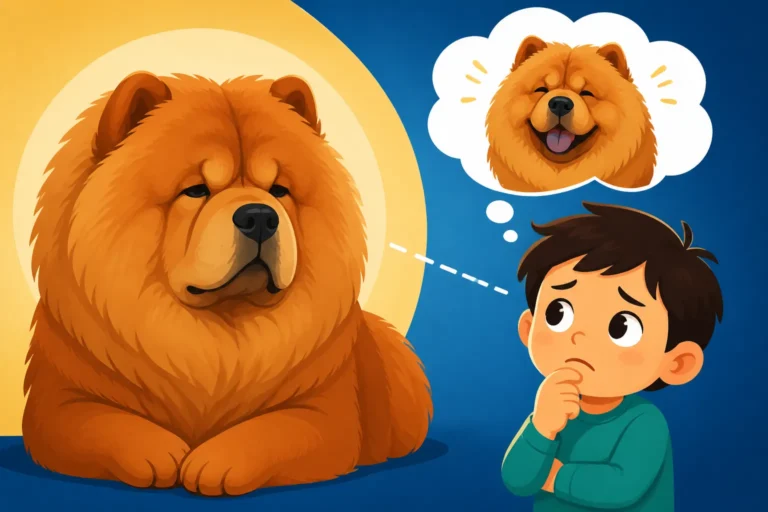
One of the most striking "cat-like" qualities of a Chow Chow is their profound sense of independence. Unlike many dog breeds that are practically Velcro-dogs, wanting to be involved in every single one of your activities and follow you from room to room, a Chow Chow is perfectly content in its own space. This isn't to say they don't love you; it's just that their love manifests differently, often with a quiet, dignified presence rather than boisterous demands for attention.
Preferring Their Own Company
Many Chow Chow owners will tell you that their dog values personal space above almost all else. If you're looking for a dog that will greet you with unbridled enthusiasm every time you walk through the door, or one that will constantly bring you toys for a game of fetch, a Chow Chow might surprise you. They certainly acknowledge your presence, often with a calm wag of the tail or a soft gaze, but they rarely launch into the kind of effusive greetings common in Labs or Goldens. They might prefer to observe the household goings-on from a comfortable spot on the sofa or a cool patch of floor, only moving closer when they decide the moment is right for a gentle head scratch.
This independence often extends to their daily routine. While they appreciate walks and time outdoors, they aren't necessarily craving constant interaction. You might find your Chow Chow perfectly happy to nap in another room while you work, only appearing when they sense it's mealtime or time for a favorite activity. This self-sufficiency can be a blessing for busy individuals who appreciate a dog that doesn't constantly demand their attention. It's a trait that truly sets them apart, leading many to ponder How Aloof a Chow Chow Really Is. They're there, they're present, but they’re not usually clamoring for the spotlight, much like a confident housecat.
A Sense of Personal Space and Boundaries
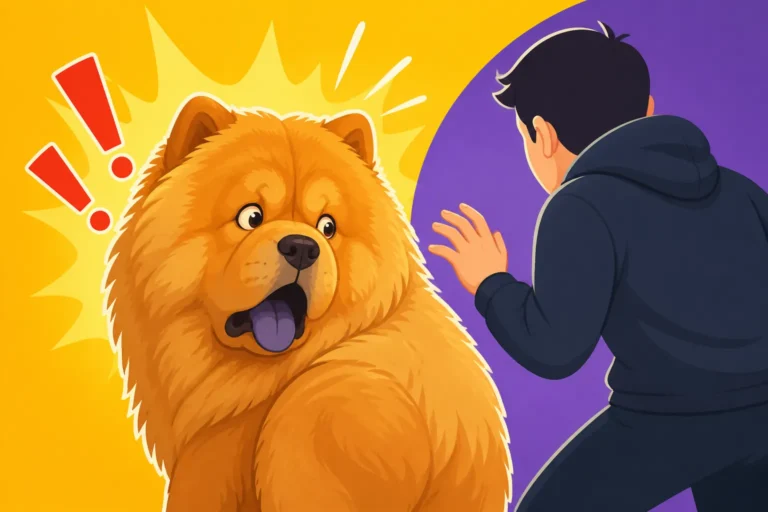
Just as cats dictate when and how they want to be petted, Chow Chows are very particular about physical affection. They generally aren't dogs who enjoy being smothered with hugs or being picked up and carried (especially as adults, they're often too heavy for that anyway!). They appreciate a respectful approach, often preferring a gentle scratch behind the ears or a back rub to a full-body embrace. Trying to force affection on a Chow Chow will often result in them simply moving away, sometimes with a disgruntled sigh that clearly communicates their displeasure.
This boundary setting is a key part of their "cat-like" nature. They communicate their comfort levels quite clearly, and it's essential for owners to learn to read these subtle cues. Ignoring their signals can lead to frustration for both dog and owner. Understanding Why a Chow Chow Dislikes Being Hugged is crucial for building a strong, trusting relationship. They thrive on respect and appreciate having their boundaries honored, making them feel secure and loved in their own unique way. This also explains Why a Chow Chow Does Not Follow You Room to Room — they simply don't see the need to constantly monitor your movements; they trust you'll be there when it matters.
Meticulous Groomers and Cleanliness: Prone to Self-Care
Another hallmark of the cat-like Chow Chow is their inherent cleanliness and fastidious grooming habits. If you've ever owned a breed that seems to revel in mud puddles and has a perpetual "doggy odor," you'll be pleasantly surprised by the Chow Chow's approach to hygiene.
Fastidious Habits
Chow Chows, despite their dense coats, often possess a remarkable aversion to getting excessively dirty. They are known for carefully picking their way around puddles and avoiding muddy patches whenever possible. After a walk, many will take time to "clean themselves up," much like a cat washing its paws and face. They lick their paws and sometimes even parts of their coats, showing a definite preference for tidiness. This isn't to say they'll never roll in something questionable – they are dogs, after all – but generally, they prefer to maintain a pristine appearance.
This natural fastidiousness extends to their living environment as well. Many Chow Chows are remarkably easy to housetrain, often understanding the concept of eliminating outside very quickly. They typically don't enjoy soiling their immediate living space and will hold it if they can. This ease of housetraining is a common observation among owners and contributes to their overall low-maintenance reputation in terms of daily mess, even if their coat requires diligent attention.
Low Odor, High Standards
One of the most frequently cited "cat-like" traits is the Chow Chow's relatively low "doggy odor." While no dog is entirely scent-free, Chows are often praised for having a much milder smell compared to many other breeds, particularly if they are kept well-groomed. Their double coat, while beautiful, requires regular brushing to prevent mats and keep the skin healthy, but it also seems to trap less of the strong dog scent that some breeds emit.
This low odor is a pleasant bonus for owners and reinforces their image as a clean animal. However, maintaining that beautiful coat does take effort. Regular brushing is paramount to prevent tangles and mats, especially in a rough-coated Chow. Without proper grooming, mats can form close to the skin, causing discomfort and even skin issues. Investing in good quality brushes, like those found on Amazon, and getting comfortable with a routine of line brushing, will keep their coat in top condition and enhance their natural cleanliness.
Affection on Their Own Terms: Subtle Gestures of Love
While Chow Chows may not be the most outwardly demonstrative dogs, their affection is deep, loyal, and incredibly meaningful, much like the quiet bond you often share with a cat. They choose their people wisely and express their love in subtle, nuanced ways that true Chow Chow enthusiasts come to cherish.
Reserved Displays of Love
If you're expecting enthusiastic tail wags and slobbery kisses, a Chow Chow's affection might initially seem underwhelming. However, once you learn their language, you'll find their expressions of love to be incredibly powerful. A Chow Chow might show affection by simply resting their head on your foot, offering a soft nudge with their nose, or leaning gently against your leg while you're sitting. They often prefer quiet companionship, choosing to be in the same room as you rather than demanding to be constantly interacted with.
These subtle gestures are their way of saying, "I'm here, I trust you, and I appreciate your presence." It's a profound connection built on mutual respect and understanding. How a Chow Chow Shows Affection is often through proximity, a calm gaze, or a quiet sigh of contentment when they are near you. These aren't the boisterous displays of some breeds, but they are deeply felt and incredibly precious. Many owners find that this reserved affection makes the moments when a Chow Chow does solicit attention all the more special.
The Chosen One: A Deep, Singular Bond
Perhaps the most cat-like aspect of a Chow Chow's affection is their tendency to bond most strongly with one primary person. While they will typically tolerate and even show politeness to other family members, there's usually one individual who holds a special place in their heart. This "chosen one" will receive the most direct affection, the most relaxed body language, and the most unwavering loyalty.
This isn't to say they don't care for the rest of the household; they simply have a hierarchy of affection. How a Chow Chow Chooses Its Person often comes down to who provides their primary care, who they feel understands them best, and who respects their boundaries. This singular bond can be incredibly rewarding for the person chosen, creating an almost telepathic connection. For others in the household, it can sometimes be a source of frustration, wondering why the Chow Chow isn't as outwardly affectionate with them. It takes patience and understanding to appreciate their unique way of distributing their love. This focused devotion is a hallmark that many cat owners will recognize – a deep, almost spiritual connection with their chosen human.
Training with a Twist: Persuasion Over Obedience
Training a Chow Chow can be an experience that highlights their "cat-like" intelligence and independence. Forget rote repetition and unquestioning obedience; with a Chow Chow, you're more likely to engage in a negotiation than a command-and-conquer strategy.
Motivation is Key, Not Just Compliance
Chow Chows are intelligent, no doubt about it, but they are also highly independent thinkers. They don't have the innate desire to please their human that many other dog breeds possess. This means that successful training hinges entirely on making it worth their while. They'll perform a task if they see a clear benefit to themselves, whether that's a high-value treat, a favorite toy, or praise delivered in a way they appreciate. Asking a Chow Chow to do something "just because" usually won't get you very far.
This requires owners to be creative and patient, finding what truly motivates their individual Chow. Some Chows are incredibly food-motivated, while others might prefer a specific type of game or a brief moment of cherished attention. Brands like BAXTER & Bella offer excellent online programs that emphasize positive reinforcement and understanding dog behavior, which can be invaluable for a Chow Chow owner. It's about building a relationship of trust and respect, where your Chow Chow chooses to cooperate because they see the value in it, rather than feeling compelled. It's important to understand Why Repetition Bores a Chow Chow – they quickly grasp a concept and then see no point in endless drills.
The Art of Negotiation, Not Blind Adherence
Training a Chow Chow often feels more like a conversation or a negotiation than strict command enforcement. They might know a command perfectly well, but if they don't feel like performing it at that exact moment, they'll simply give you a blank stare or wander off. This isn't defiance in a malicious sense; it's simply their independent nature asserting itself. They've assessed the situation, weighed the pros and cons, and made their decision.
This "what's in it for me?" attitude means owners need to be engaging and keep training sessions short, fun, and varied. Using different rewards and environments can keep their intelligent minds stimulated. You'll quickly learn that with a Chow Chow, consistency, patience, and understanding their motivations are far more effective than trying to impose your will through force. It's about finding common ground and making them want to participate. How Many Times a Chow Chow Will Repeat a Cue depends heavily on how engaging the session is and the reward offered. They truly are unique learners, often resembling a cat that comes when called only if it feels like it.
Chow Chow vs. Typical Dog vs. Typical Cat: A Quick Comparison
To further illustrate these "cat-like" qualities, here's a simple comparison of general traits:
| Trait | Typical Chow Chow | Typical Dog (e.g., Retriever) | Typical Cat |
|---|---|---|---|
| Affection | Reserved, subtle, on their own terms | Enthusiastic, demonstrative, people-pleaser | Reserved, subtle, on their own terms |
| Independence | High, content alone, self-sufficient | Moderate to low, seeks constant companionship | High, content alone, self-sufficient |
| Grooming Habits | Fastidious, self-cleaning, low odor | Varies, may enjoy dirt, can have "doggy" odor | Meticulous, self-cleaning, low odor |
| Training Style | Needs persuasion, highly motivated by reward | Eager to please, responds well to repetition | Needs persuasion, motivated by self-interest |
| Social Greetings | Calm, observant, may ignore strangers | Enthusiastic, boisterous, seeks attention | Calm, observant, may avoid strangers |
| Vocalization | Generally quiet, barks with purpose | Varies by breed, often more vocal | Quiet, meows to communicate specific needs |
| Leash Walking | Can be strong-willed, requires training | Generally adapts well with training | Rarely leash walks, unless trained early |
This table highlights how many of the traits we commonly associate with felines are surprisingly prevalent in the Chow Chow breed. They truly are an enigma, a blend of canine loyalty with a distinctly feline demeanor.
Living with a Cat-Like Dog: The Rewards and Challenges
Embracing the "cat-like" nature of a Chow Chow is key to a happy and fulfilling relationship with this breed. Understanding that they operate on their own terms, that their affection is deep but understated, and that their intelligence comes with a healthy dose of independence, will set you up for success. Many new owners initially struggle because they expect a dog with typical canine behaviors, leading to frustration when their Chow Chow doesn't conform. However, once you adjust your expectations and learn to appreciate their unique charm, you'll find an incredibly loyal and devoted companion.
Their reserved nature means they're often excellent apartment dogs, provided they get adequate exercise and mental stimulation. They don't usually climb the walls with excess energy, and their quiet demeanor means fewer complaints from neighbors. However, their strong protective instincts, combined with their aloofness toward strangers, mean early and consistent socialization is paramount. Without it, their natural wariness can easily tip into suspicion or aggression.
Ultimately, the Chow Chow offers a profoundly different experience than many other dog breeds. They won't fetch a ball endlessly or demand constant belly rubs, but they will offer a deep, unwavering loyalty and a quiet companionship that is truly special. They teach you patience, respect, and to appreciate the subtle nuances of communication, much like the most enigmatic of felines. If you're ready for a dog that truly is "its own person," then the cat-like Chow Chow might just be your perfect match. And believe me, the cost of owning one, though significant, offers a lifetime of unique lessons and unconditional love What a Chow Chow Costs Over Its Lifetime.
Disclaimer
This article is for general informational purposes only and does not constitute professional advice. Laws, prices and regulations vary by location and change over time. Consult a qualified professional for guidance on your specific situation.