What Hei She Tou Means
Have you ever been researching the beautiful and majestic Chow Chow, only to stumble upon a mysterious term like "Hei She Tou" and wonder what on earth it means? It can feel a bit like cracking a secret code when you're trying to understand more about this unique breed's heritage. This guide is here to demystify "Hei She Tou" and explain its profound connection to the Chow Chow, diving deep into its meaning, history, and significance for these incredible dogs.
Unpacking "Hei She Tou": The Literal Translation
Let's start by breaking down "Hei She Tou" into its simplest components. This isn't some ancient mystical phrase, but rather a wonderfully straightforward and descriptive term from the Chow Chow's homeland. Understanding the direct translation gives us the first, most fundamental insight into what makes this breed so distinctive.
Breaking Down the Characters
In Chinese, "Hei" (黑) translates quite literally to "black." It's the same character you'd use for anything dark in hue, whether it's the color of night or a piece of coal. There's no hidden meaning or metaphor here; it just means black, plain and simple.
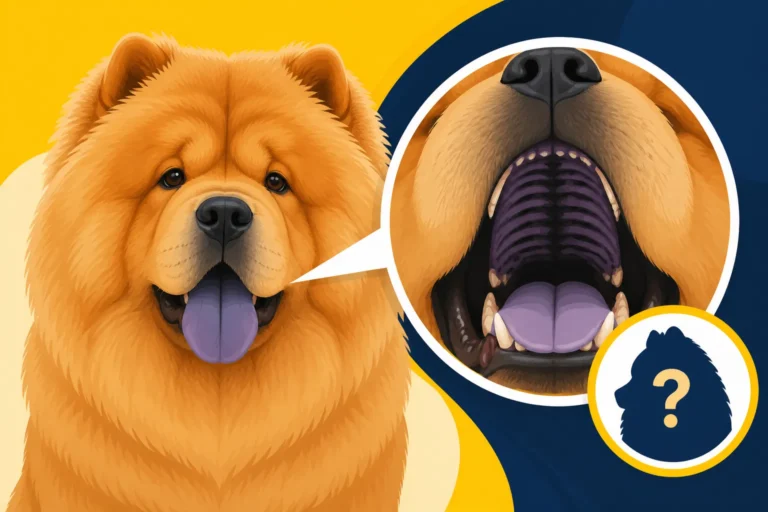
The second part, "She Tou" (舌頭), means "tongue." Again, it's a direct, unambiguous term. So, when you put "Hei" and "She Tou" together, you get "black tongue." It’s truly as simple and descriptive as it sounds, a wonderfully concise way to name an animal based on its most striking and unusual physical characteristic. This isn't just a casual observation; it's a defining feature that sets the Chow Chow apart from almost every other dog breed in the world.
The Direct, Descriptive Nature of the Name
The beauty of "Hei She Tou" lies in its directness. It immediately highlights the Chow Chow's signature feature: that deep, often bluish-black tongue that mesmerizes everyone who sees it. Unlike many breeds whose names derive from their place of origin or their primary function, "Hei She Tou" is a direct physical descriptor. It’s a testament to how profoundly this unique coloration must have impressed the people who first encountered and bred these dogs centuries ago. Imagine a time before widespread knowledge of genetics, when such a distinct feature would appear in a line of animals; it would undoubtedly become their identifier.
This descriptive naming practice wasn't uncommon for working dogs in ancient China. They were often named for their appearance, their job, or their temperament, allowing for easy identification within a community. "Hei She Tou" cuts straight to the chase, leaving no doubt about one of the Chow Chow's most iconic attributes. It's a name that speaks volumes without needing a lengthy explanation, instantly recognizable to anyone familiar with the breed's origins.
The Ancient Roots and Cultural Resonance
The name "Hei She Tou" isn't just a label; it's a window into the Chow Chow's deep history and the cultural perception of these dogs in their native China. Their unique tongue has always been a point of fascination, tying them to ancient legends and practical observations.
Why This Trait Stands Out
Think about it: most dogs have pink tongues, right? A vibrant, pink tongue is such a universal canine trait that seeing one that's a deep, often purplish or bluish-black truly stops you in your tracks. This rarity is precisely why the "Hei She Tou" became such a prominent part of the Chow Chow's identity. It's not just a subtle detail; it's a bold, undeniable feature that demands attention. For centuries, this distinctive black tongue has been a subject of curiosity, setting the Chow Chow apart from the common canine and giving it an almost mythical aura in its homeland.
In a world where most things conform to a familiar pattern, the Chow Chow's tongue is an anomaly, a natural marvel. This striking difference made it an easy and memorable way to refer to the breed, much like calling a red squirrel a "red bushy-tailed climber" if we didn't have a more concise name. It’s a trait so central to their identity that it truly defines them.
Connecting to Ancient Origins
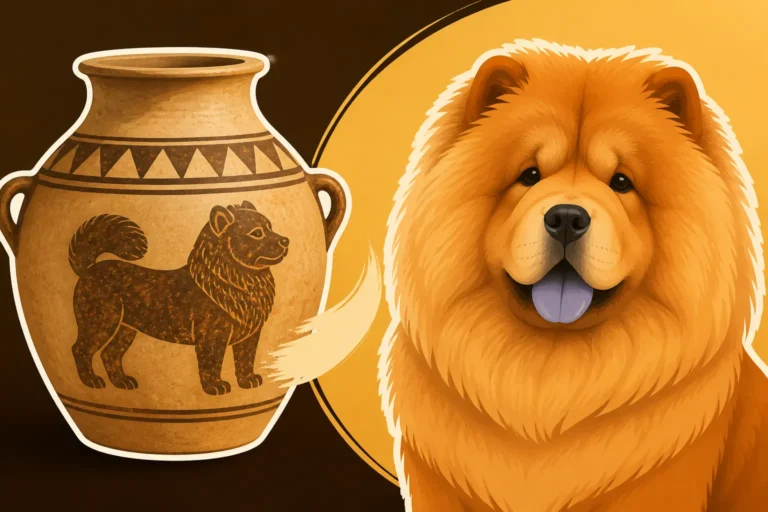
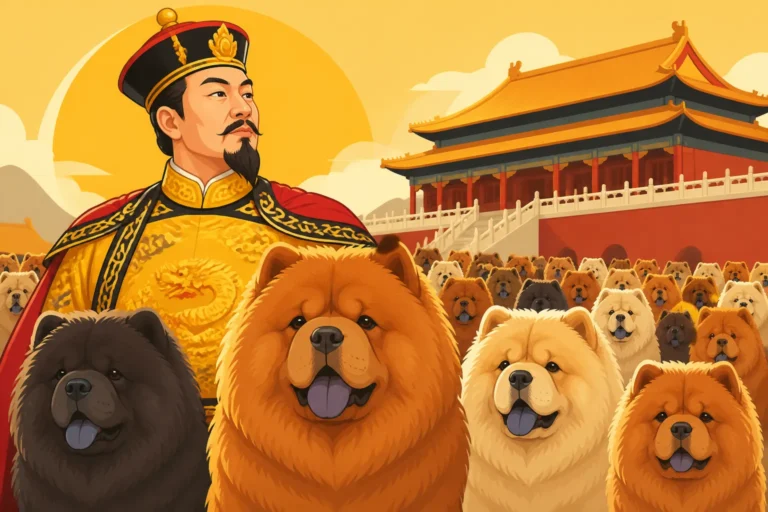
The Chow Chow is one of the oldest dog breeds in the world, with a history stretching back thousands of years in China. During these ancient times, they were known by various descriptive names, reflecting their roles and appearances. Besides "Hei She Tou," another famous Chinese name for the Chow Chow is "Songshi Quan" (松獅犬), which means "puffy-lion dog" – a perfect description of their majestic mane and imposing presence. This practice of naming dogs based on clear physical attributes was commonplace, allowing people to easily identify and classify different types of canines. The Chow Chow Is One of the Oldest Breeds in the World and What Songshi Quan Means both offer further insights into this rich history.
Legends also surround the Chow Chow's unique tongue, with some tales suggesting that when the world was being created, a Chow Chow was allowed to lick up the bits of blue that fell from the sky as it was painted. While purely mythological, these stories highlight the deep cultural significance and fascination with this particular trait. The fact that an entire nickname, "Hei She Tou," arose specifically from this physical feature underscores how ingrained it is in the breed's historical and cultural narrative. It wasn't just a color; it was a mark of their unique heritage.
Why the Blue-Black Tongue is More Than Just a Color
For anyone involved with Chow Chows, whether as an owner, a breeder, or a fan, the blue-black tongue is far more than just a quirky anatomical detail. It's a symbol of authenticity, a hallmark of the breed, and a vital component of its identity.
A Symbol of Purity and Authenticity
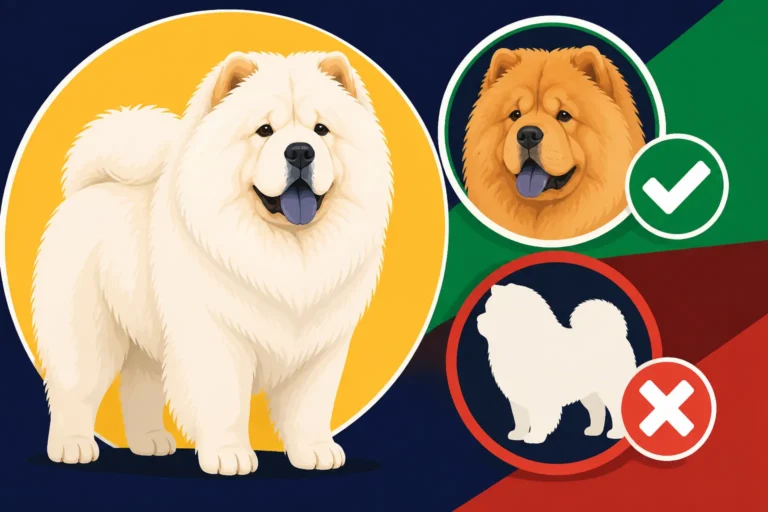
When you see a Chow Chow, that blue-black tongue is an immediate identifier. It’s a true hallmark of a purebred Chow Chow. In the world of dog shows and breed standards, the color and pigmentation of the tongue are taken very seriously. A fully pigmented, solid blue-black tongue is highly desired, as it signifies the genetic purity and adherence to breed type. A Chow Chow with a completely pink tongue, or even predominantly pink spots, is typically considered a fault in the show ring. This isn't just about aesthetics; it's about maintaining the distinctive genetic traits that define the breed.
This standard reinforces the idea that "Hei She Tou" isn't just a nickname, but a fundamental aspect of what a Chow Chow is. It’s a point of pride for owners and breeders, a visible testament to the dog’s lineage and history. It helps distinguish them from other breeds, even those that might have some passing resemblance. When looking at a Chow Chow, the tongue is as telling as its lion-like ruff or its stilted gait. For more on breed standards, you can explore What the Standard Means by a Chow Chow's Scowl.
The Rarity of the Blue-Black Tongue
The blue-black tongue is genuinely rare in the canine world. While some other breeds might occasionally have blue-black spots on their tongues, very few have a tongue that is entirely or predominantly pigmented blue-black. The Shar Pei, another ancient Chinese breed, is one of the notable exceptions that shares this fascinating trait. This rarity further elevates the significance of "Hei She Tou" for the Chow Chow. It's not a common occurrence; it’s a specific genetic marker.
The pigmentation develops over time in puppies. A Chow Chow puppy is born with a pink tongue, which gradually darkens to the characteristic blue-black. This transformation is a normal and expected part of their development. The process usually completes by the time they are about 8-10 weeks old. Knowing What color a Chow Chow puppy's tongue starts and The age a Chow Chow's tongue finishes darkening can be incredibly helpful for new owners or anyone watching a young Chow Chow grow. If a puppy’s tongue doesn’t darken, it raises questions about its purebred status, although a small amount of spotting can be common and may not always indicate a mixed heritage, depending on the specific breed standard interpretation. However, a predominantly pink tongue is a clear departure from the ideal.
"Hei She Tou" in Modern Chow Chow Understanding
Even today, with all our scientific understanding of genetics and breed development, "Hei She Tou" remains a powerful concept. It influences how we identify, appreciate, and even care for these magnificent dogs.
Identifying a True Chow Chow
For those new to the breed, "Hei She Tou" serves as a practical, easy-to-spot indicator of a purebred Chow Chow. When meeting a dog that is claimed to be a Chow Chow, that distinctive tongue color is often the first thing people look for. It’s a quick visual confirmation of their heritage. However, it's important to remember that while a blue-black tongue is characteristic of a purebred Chow Chow, the presence of a blue tongue in a mixed-breed dog doesn't automatically mean it's part Chow Chow. Other breeds, like the Shar Pei mentioned earlier, also possess this trait, and mixed breeds can inherit spotted or partially pigmented tongues from a variety of genetic backgrounds.
Reputable breeders will always prioritize this trait, ensuring their breeding stock produces puppies with correct pigmentation. When choosing a puppy, looking at the parents and understanding the breeder's commitment to breed standards, including tongue color, is crucial. This helps ensure you're getting a true example of the breed. You might also want to ask Which health tests a Chow Chow breeder should run to ensure the overall health and authenticity of the lineage.
Understanding the Breed Standard
The official breed standards, set by organizations like the American Kennel Club, meticulously describe the desired characteristics of a Chow Chow, and tongue pigmentation is almost always included. The standard will typically call for a solid blue-black tongue. While slight variations in shade or small pink spots might occur, significant pink areas are usually considered a fault. This rigorous adherence to the standard ensures that the unique traits of the Chow Chow, including its "Hei She Tou," are preserved for future generations.
This means that for serious enthusiasts or those considering showing their Chow Chow, understanding this aspect of the breed standard is vital. It’s not just about what looks good; it’s about honoring the breed’s historical characteristics and genetic blueprint. The "Hei She Tou" is a testament to the meticulous breeding over centuries that has maintained such a distinct and consistent feature. For broader insights into breed identification, consider How a Chow Chow Differs From an Akita.
Chinese Chow Chow Names and Meanings
| Name (Pinyin) | Chinese Characters | Literal Translation | Common Association/Meaning |
|---|---|---|---|
| Hei She Tou | 黑舌頭 | Black Tongue | Refers to the breed's distinctive tongue color |
| Songshi Quan | 松獅犬 | Puffy-Lion Dog | Describes their mane and powerful build |
| Tang Quan | 唐犬 | Dog of the Tang Dynasty | Refers to their ancient heritage and nobility |
| Guandong Quan | 廣東犬 | Dog of Canton (Guangdong) | Regional name from their historical origin |
| Xiong Gou | 熊狗 | Bear Dog | Describes their bear-like appearance |
Disclaimer
This article is for general informational purposes only and does not constitute professional advice. Laws, prices and regulations vary by location and change over time. Consult a qualified professional for guidance on your specific situation.