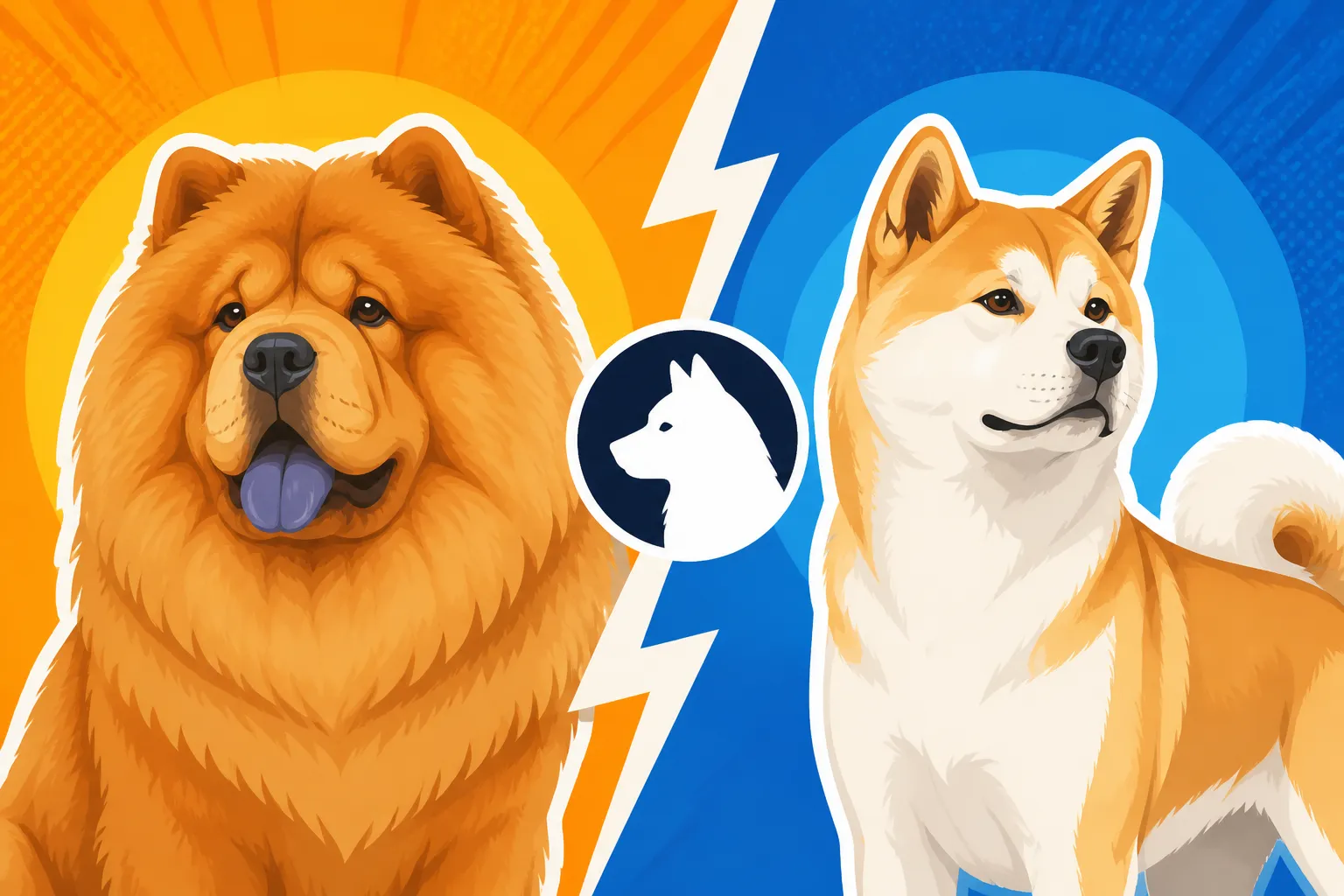
How a Chow Chow Differs From an Akita
Deciding on a new canine companion is a monumental decision, and for those drawn to the majestic, strong-willed Spitz-type breeds, the choice can often narrow down to a select few. Two such magnificent breeds, the Chow Chow and the Akita, frequently capture attention with their impressive presence, dense coats, and often misunderstood independent natures. While they might share some superficial similarities, mistaking one for the other or assuming they have interchangeable personalities and needs can lead to significant frustration down the road. This guide will meticulously dissect the fundamental differences between these two ancient and distinguished breeds, helping you understand their unique histories, physical traits, temperaments, health considerations, and daily care requirements, so you can make an informed choice that truly fits your lifestyle.
A Tale of Two Ancient Breeds: Origins and Purpose
It's easy to look at a fluffy, powerful dog and assume a shared lineage, but the Chow Chow and the Akita hail from distinct corners of Asia, shaped by vastly different cultures and purposes. Understanding their historical roles is crucial to grasping their inherent dispositions.
The Chow Chow's Chinese Roots
The Chow Chow is truly a living relic, with a history stretching back thousands of years in northern China. Indeed, The Chow Chow Is One of the Oldest Breeds in the World, with archaeological evidence and ancient artworks depicting dogs remarkably similar to the Chow Chow we know today. Their original purpose was incredibly diverse, reflecting the utilitarian needs of ancient Chinese society. These dogs were guardians of homes and temples, loyal companions, and even hunters of large game. They were also used for their fur and, sadly, as a food source during times of scarcity.
This multi-faceted role embedded a deep sense of independence and a somewhat reserved nature into the breed's psyche. They weren't bred to be effusively affectionate or to work collaboratively in the way a herding dog might. Instead, they needed to be self-sufficient, vigilant, and capable of making their own decisions when guarding property or hunting. This rich history explains much about their often misunderstood temperament today. Where the Chow Chow Comes From is deeply intertwined with the development of their unique personality.
The Akita's Japanese Heritage
Across the sea, in the mountainous regions of Japan, the Akita was being forged for equally demanding but more specialized purposes. Originating from the Akita prefecture, these dogs were initially bred to hunt large game like bears, wild boar, and deer. Their job required immense strength, courage, and a relentless focus. They needed to track prey through harsh terrain and hold it until the hunter arrived. Later, they also served as guardians of royalty and nobility.
The Akita's working history instilled in them an unwavering loyalty to their family and an intense protective instinct. Unlike the Chow Chow's general guardianship, the Akita's protection is often more assertive and direct, stemming from their heritage of confronting dangerous wild animals. This loyalty and protective drive, while admirable, also means they come with significant responsibility for their owners to manage properly through consistent training and socialization.
Divergent Roles and Their Impact
The differing historical roles of these breeds profoundly shaped their inherent characteristics. The Chow Chow, designed for versatility within a household or village context, developed a more aloof and independent nature, often bonding intensely with one person while tolerating others. They are watchful but not necessarily eager to engage everyone they meet. Their historical role didn't demand constant human interaction for guidance. As such, they are often described as "cat-like" in their independence, preferring to observe and participate on their own terms.
The Akita, on the other hand, while also independent and dignified, often displays a more pronounced pack mentality, where the family is their pack, and they are fiercely devoted to its protection. Their hunting legacy means they can have a strong prey drive and a tendency to assert dominance with other dogs. This difference in their historical "job description" means that while both are powerful, ancient dogs, they offer very different experiences to a modern household. Understanding What the Chow Chow Did for a Chinese Emperor versus what an Akita did for a Japanese lord highlights this divergence.
Physical Distinctions: More Than Just Fluff
At a glance, both the Chow Chow and the Akita are large, fluffy, and powerful-looking dogs. However, a closer inspection reveals significant structural and superficial differences that go far beyond coat length.
Size and Build: A Study in Sturdiness
The most immediately noticeable difference for many people is often their size and overall build.
The Chow Chow is a compact, sturdy, and heavily built dog. They are often described as having a square profile, indicating their body length is roughly equal to their height. Males typically stand about 17 to 20 inches tall at the shoulder, with females slightly smaller. Their weight can range from 45 to 70 pounds, with some larger individuals. They possess a unique "stilted gait" due to their relatively straight rear legs, which is a hallmark of the breed. What a Chow Chow Weighs and How Tall It Stands is a good indicator of their robust, powerful frame. They carry their weight with a deep chest and a powerful, broad head, giving them a very distinctive, lion-like appearance, especially the rough-coated variety.
The Akita, by contrast, is a larger and more athletic-looking breed. Akitas typically stand between 24 and 28 inches tall at the shoulder for males, and 22 to 25 inches for females. Their weight can range significantly, from 70 to 130 pounds, making them considerably heavier and taller than the average Chow Chow. Akitas have a more rectangular body shape, being slightly longer than they are tall, and their gait is more fluid and powerful, designed for endurance and agility in hunting. They possess a powerful, muscular build without the square, somewhat ponderous appearance of the Chow.
Coats and Colors: Beyond the Double Layer
Both breeds are known for their magnificent double coats, perfectly adapted for colder climates. However, there are nuances in their appearance and maintenance.
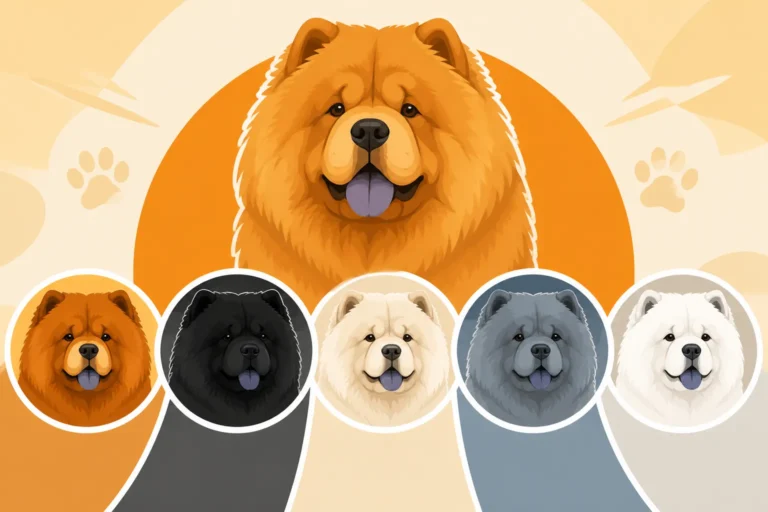
Chow Chows come in two distinct coat types: rough and smooth. The rough coat is the more common, characterized by its dense, profuse outer coat and soft, woolly undercoat, forming a distinctive ruff around the neck and feathering on the legs and tail. The smooth coat is shorter but still dense and double-layered. Chow Chows come in five standard colors: red, black, blue, cinnamon, and cream. Their coat requires diligent grooming, especially the rough coat, to prevent matting and manage shedding. Understanding How Often a Rough Coated Chow Chow Needs Brushing is vital for prospective owners.
Akitas, while also having a double coat, don't have the "rough" and "smooth" distinctions in the same way. Their coat is short to medium in length, dense, and stands off the body. It's often described as coarse, straight, and quite stiff. Akitas come in a wider array of colors and patterns than Chow Chows, including red, fawn, white, and brindle, often with a white mask or "urajiro" markings on the sides of the muzzle, cheeks, underside of the jaw, neck, chest, body, and tail. While both breeds shed heavily, especially during seasonal "coat blows," the Akita's coat is generally considered a bit less prone to matting than a rough-coated Chow Chow, though it still requires regular maintenance. Grooming supplies, like sturdy brushes and deshedding tools, are readily available on sites like Chewy for both breeds.
Unique Features: Tongues, Tails, and Eyes
Beyond general build and coat, several unique features help distinguish these two breeds.
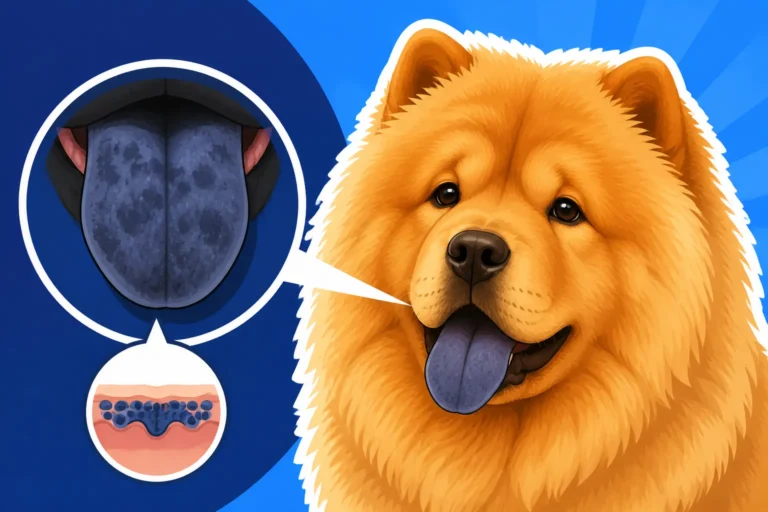
The most famous distinguishing characteristic of the Chow Chow is its blue-black tongue. This isn't just a quirk; it's a breed standard and a feature that sets them apart from almost all other dog breeds, with the exception of the Shar-Pei. A Chow Chow puppy's tongue starts pink and gradually darkens to its characteristic blue-black as they mature. Why the Chow Chow's Tongue Is Blue Black is a fascinating genetic trait. Akitas, on the other hand, have pink tongues, typical of most dog breeds. This single feature alone can often definitively identify a Chow Chow.
Both breeds have tails that curl over their backs, but there can be subtle differences. The Chow Chow's tail is set high and carried closely curled over the back, often resting on the back. The Akita's tail is also large and full, carried over the back in a loose or double curl, and often held high and proud.
Their eyes and facial expressions also differ. Chow Chows are known for their deep-set eyes, which, combined with their heavy brows and facial wrinkles, give them their characteristic "scowl" or somewhat dour expression. This deep-set nature can, unfortunately, contribute to eye problems like entropion. Why a Chow Chow's Deep Set Eyes Limit What It Sees and contribute to breed-specific health issues. Akitas have somewhat smaller, dark brown eyes that are triangular in shape, giving them a more alert and intelligent expression, without the same deep-set quality or "scowl" of the Chow Chow. Their facial structure is generally cleaner, less wrinkled than a Chow Chow's.
Temperament and Personality: Independent Spirits with Different Shades
Here is where the differences between these two breeds become most pronounced and where potential owners often face the biggest surprises if they haven't done their homework. Both are strong-willed and independent, but the way they express these traits varies significantly.
Chow Chow: The Aloof Guardian
The Chow Chow is famously described as aloof, independent, and dignified. They are not typically effusive dogs, prone to slobbery kisses or constant demands for attention. Instead, they often choose to observe from a distance, reserving their affection for a select few. This intense bond with one or two primary caregivers is a hallmark of the breed. How Aloof a Chow Chow Really Is is a common question, and the answer is "quite a bit" compared to many other breeds. They will typically choose one person in the family as their "person" and show deep, quiet loyalty to them.
Towards strangers, Chow Chows are generally wary and reserved. They are natural guardians, and their instinct is to protect their family and territory. They are not prone to excessive barking but will certainly make their presence known if they perceive a threat. This reserved nature means early and extensive socialization is absolutely critical for a Chow Chow puppy to help them accept new people and situations without undue suspicion or fear. Without it, an adult Chow Chow can become overly protective or fearful, which can manifest as aggression.
Akita: The Loyal Protector
Akitas are also known for their dignity and powerful presence, but their loyalty tends to be broader within their family unit, although they may still have a favorite person. They are deeply devoted to their human companions and will form an incredibly strong bond. This loyalty translates into a fierce protective instinct, which, like the Chow Chow, makes them excellent guardians. However, an Akita's protective nature can be more overt and assertive, sometimes perceived as more aggressive towards perceived threats.
While loyal to their family, Akitas are typically not overly demonstrative. They aren't usually "velcro" dogs, but they do enjoy being near their people and participating in family activities. They can be wary of strangers and may not welcome new people into their home with open paws. Proper introductions are paramount. Their strong prey drive, a remnant of their hunting heritage, means they may not be suitable for homes with smaller pets, including cats or small dogs, unless raised with them from puppyhood and even then, supervision is key.
Training and Socialization Challenges
Both breeds require experienced owners due to their independent and strong-willed natures. Neither is typically recommended for first-time dog owners unless they are fully committed to extensive training and socialization.
Chow Chows can be challenging to train because of their independent streak. They are intelligent but can be stubborn and easily bored by repetitive drills. Positive reinforcement, patience, and making training fun and engaging are essential. Harsh correction or force will only cause a Chow Chow to shut down or become resentful. Consistency from puppyhood is key. Early and continuous socialization with a wide variety of people, places, and other animals is crucial to help them develop into well-adjusted adults. Even with excellent socialization, many Chow Chows will always retain a degree of wariness towards strangers.
Akitas are also intelligent and can learn quickly, but their strong will means they require a firm, consistent, and patient handler. They thrive on clear rules and boundaries. Like Chows, they do not respond well to harsh training methods. Their protective instincts need to be channeled appropriately, and they need to learn that their owner is in charge. Socialization is equally vital for Akitas, especially concerning other dogs. Many Akitas have a tendency towards dog-on-dog aggression, particularly with same-sex dogs. Therefore, careful, controlled introductions and constant supervision in new canine environments are necessary. Training accessories, from leashes to treats, can be found at retailers like Chewy, which can be helpful aids for both breeds.
Health and Lifespan Considerations
When considering any purebred dog, it’s incredibly important to be aware of the health issues they might be predisposed to. Both Chow Chows and Akitas are generally robust breeds, but each has its own set of breed-specific concerns that prospective owners should understand.
Common Ailments in Chows
Chow Chows, while sturdy, are susceptible to several hereditary health conditions. Eye problems are particularly prevalent. Entropion Is the Chow Chow's Signature Problem, where the eyelid rolls inward, causing eyelashes to rub against the cornea. This condition can be incredibly painful and, if left untreated, can lead to corneal ulcers and even blindness. Surgical correction is often necessary. Another significant eye issue is glaucoma, which can lead to rapid vision loss. Regular veterinary eye check-ups are essential for Chow Chows.
Orthopedic issues are also a concern, with Elbow Dysplasia Ranks the Chow Chow Near the Top for this condition. Hip dysplasia is also seen. These conditions affect the joints, leading to pain, lameness, and arthritis. Responsible breeders screen for these conditions. Hypothyroidism, an autoimmune thyroid disease, is another common ailment, which can cause skin and coat problems, lethargy, and weight gain. Bloat (gastric dilatation-volvulus) is a life-threatening emergency that Chow Chows are at higher risk for due to their deep chests. Owners should be aware of the signs.
Akita's Predispositions
Akitas also have their share of breed-specific health concerns. Hip and elbow dysplasia are common orthopedic issues, similar to many large breeds. Autoimmune diseases are a particular concern in Akitas, with conditions like Vogt-Koyanagi-Harada (VKH) syndrome, an autoimmune disorder that affects the eyes, skin, and neurological system, and Pemphigus Foliaceus, an autoimmune skin disease, being more prevalent.
Thyroid issues, including hypothyroidism, are also seen in Akitas. Another condition to be aware of is gastric dilatation-volvulus (bloat), similar to Chow Chows, requiring immediate veterinary attention if suspected. Progressive Retinal Atrophy (PRA), a degenerative eye disease that leads to blindness, is also a concern in the breed. Like Chow Chows, responsible Akita breeders will screen their breeding stock for these known hereditary conditions to minimize their occurrence.
The Importance of Responsible Breeding
For both breeds, finding a responsible breeder who conducts thorough health testing on their breeding stock is paramount. A reputable breeder will be transparent about the health history of their dogs and the genetic tests they perform. They should provide documentation from organizations like the Orthopedic Foundation for Animals (OFA) for hips, elbows, and thyroid, and the Canine Eye Registry Foundation (CERF) for eyes. Don't be afraid to ask for these clearances and to understand what they mean.
Regardless of the breed you choose, prepare for potential veterinary costs associated with these conditions. Pet insurance can be a valuable investment, especially for breeds with known predispositions. Discussing potential health costs and care strategies with your veterinarian is always a good idea before bringing either of these magnificent dogs home. Some specific health questions, such as Whether a Chow Chow Tolerates Anesthesia, can be crucial when planning for any medical procedure for your Chow.
Living with Each Breed: Daily Life and Compatibility
Bringing a Chow Chow or an Akita into your home is a commitment for their entire life, which can span The Eight to Twelve Years a Chow Chow Gets or even longer for an Akita. Understanding their daily needs and how they fit into a family environment is critical for a harmonious life together.
Exercise and Mental Stimulation Needs
Neither the Chow Chow nor the Akita are typically high-energy dogs that need to run for miles every day, but they both require consistent, moderate exercise and mental stimulation.
Chow Chows are not built for endurance. Their sturdy build and straight rear legs give them a somewhat stiff, "stilted" gait, making them less agile than other breeds. They are prone to overheating due to their dense coats and brachycephalic (short-nosed) tendencies, so exercise must be carefully managed, especially in warm weather. A couple of moderate walks a day, perhaps 20-30 minutes each, along with some playtime in a securely fenced yard, is usually sufficient. Mental stimulation is equally important for these intelligent dogs to prevent boredom, which can lead to destructive behaviors. Puzzle toys or short, engaging training sessions can help. How Much Exercise a Chow Chow Actually Needs is often less than people assume for such a large dog.
Akitas, being larger and more athletic, generally require a bit more exercise than Chow Chows. They benefit from longer daily walks or hikes, typically 45-60 minutes, and opportunities to run in a safe, enclosed area. They also enjoy activities that engage their minds, such as obedience training, scent work, or puzzle toys. Due to their prey drive and independent nature, Akitas should always be walked on a leash and generally should not be trusted off-leash in unsecured areas. Their strong protective instincts also mean they can be reactive to other dogs if not properly socialized and managed, so dog parks are often not a good fit.
Grooming Demands for Each Coat Type
Both breeds have dense double coats that require significant grooming attention to keep them healthy and prevent skin issues.
A rough-coated Chow Chow requires regular, thorough brushing, at least two to three times a week, to prevent matting and remove loose undercoat. During their seasonal "coat blows," which happen twice a year, daily brushing is often necessary. This process involves line brushing down to the skin to ensure the undercoat doesn't felt. A high-velocity dryer, available on Chewy, can be invaluable during these periods to blast out loose hair and reduce drying time after baths. Chow Chows should never be shaved, as it can damage their double coat and compromise their natural insulation. Their deep facial folds also need regular cleaning to prevent infection.
The Akita's coat, while not as long and profuse as a rough-coated Chow, still requires consistent grooming. Weekly brushing with a slicker brush and undercoat rake is typically sufficient to keep shedding under control and prevent mats. Like Chows, Akitas undergo heavy seasonal shedding and will need more frequent brushing during these times. A good bath and thorough drying are also important, and the process can take time due to their dense undercoat. While their coat is generally easier to manage than a rough-coated Chow Chow's, it's still a significant commitment.
Family Dynamics and Other Pets
Compatibility with families and other pets can differ significantly between these breeds.
Chow Chows, with their one-person loyalty and reserved nature, can do well in families if introduced properly to all members from a young age. However, they are generally not tolerant of rough play or constant attention from children, making them better suited to homes with older, respectful children who understand how to interact with a dignified dog. They can be particularly wary of strangers and other animals outside their immediate "pack." Introducing them to other dogs or cats requires careful planning and often works best when they are puppies. Generally, a Chow Chow is more likely to thrive as an only dog or with another very calm, submissive dog.
Akitas are fiercely loyal to their families and can be wonderful with children they are raised with, provided the children are taught to respect the dog's boundaries. However, their strong protective instincts mean they can be suspicious of strangers, including visiting children, and require constant supervision in such situations. Akitas often have a strong prey drive and can be assertive with other dogs, especially those of the same sex. They are generally not suited for multi-dog households unless properly socialized from a very young age, and even then, their interactions need careful management. Introducing an Akita to other small pets, like cats, is a gamble and typically only successful if they are raised together from puppyhood under strict supervision.
Comparison Table: Chow Chow vs. Akita
To provide a clear overview, here's a table summarizing the key distinctions between the Chow Chow and the Akita:
| Feature | Chow Chow | Akita |
|---|---|---|
| Origin | China | Japan |
| Primary Role | Guard, hunter, companion, utilitarian | Hunter (large game), guardian, companion |
| Size | Medium-Large (45-70 lbs, 17-20 in) | Large (70-130 lbs, 24-28 in) |
| Build | Sturdy, compact, square profile, stilted gait | Muscular, athletic, rectangular profile, fluid gait |
| Coat Types | Rough (long, profuse) & Smooth (shorter, dense) | Dense, double, medium length, coarse texture |
| Colors | Red, black, blue, cinnamon, cream | Red, fawn, white, brindle (with urajiro markings) |
| Tongue Color | Blue-black (unique trait) | Pink |
| Temperament | Aloof, independent, dignified, loyal to one person, wary of strangers | Loyal, protective, dignified, intelligent, wary of strangers, can be assertive |
| Training | Intelligent but stubborn, requires patience and positive reinforcement, easily bored | Intelligent, strong-willed, requires firm but fair and consistent training |
| Socialization | Crucial and ongoing, especially with people | Crucial and ongoing, especially with other dogs and people |
| Exercise | Moderate (2x 20-30 min walks), prone to overheating | Moderate-High (45-60 min walks, active play), athletic |
| Grooming | High (frequent brushing, daily during blowouts, face fold cleaning) | Moderate-High (weekly brushing, daily during blowouts) |
| Other Pets | Best as only dog or with calm, submissive dog; wary of small animals | Can be prone to dog aggression (especially same-sex); strong prey drive |
| Children | Best with older, respectful children; not tolerant of rough play | Can be good with children they're raised with; supervision with strangers |
Choosing between a Chow Chow and an Akita is not a decision to be taken lightly. Both are magnificent, ancient breeds that offer deep loyalty and companionship, but they are absolutely not for everyone, and they have distinct needs and temperaments. The Chow Chow often appeals to those who appreciate a more independent, cat-like canine companion who prefers quiet observation and reserved affection, bonding intensely with a single individual. The Akita, while also dignified, offers a more direct, fiercely protective loyalty to its entire family, often with a greater need for physical activity and mental engagement.
Ultimately, the "best" breed depends entirely on your lifestyle, experience level, and what you are willing to commit in terms of training, socialization, grooming, and understanding. Whichever majestic breed captures your heart, be prepared for a journey of deep connection with a dog that demands respect, consistency, and a profound understanding of their unique heritage.
Disclaimer
This article is for general informational purposes only and does not constitute professional advice. Laws, prices and regulations vary by location and change over time. Consult a qualified professional for guidance on your specific situation.