Whether the Chow Chow Was Called a Wolf Dog
It’s a common image that pops into mind when you first see a Chow Chow, isn't it? That deep ruff, the reserved demeanor, the almost predatory gaze from those deep-set eyes—it all conjures up something wild, something ancient, something that might make you wonder if this magnificent dog ever ran with wolves. You might even hear someone describe them as "wolf-like" or assume they were historically called "wolf dogs." But while the Chow Chow certainly possesses a unique, primitive aesthetic, the truth about their historical naming and their actual relationship to wild canids is far more nuanced and fascinating than a simple "wolf dog" label. This guide will delve into the rich history of the Chow Chow, explore their true nomenclature, and debunk the persistent myth of them being called wolf dogs, helping you understand the real heritage behind those stoic, lion-like expressions.
The Historical Context of Canine Names in Ancient China
When we look back at the origins of dog breeds, especially those from ancient civilizations like China, it's easy to project modern ideas of classification onto their past. However, the way people named and categorized their animals centuries ago was often very different from our structured breed registries today.
Practical Descriptors Over Formal Breed Names
In ancient China, dog names were less about formal breed standards and more about what the dog was or did. Think about it: if you needed a dog to guard your home, you might call it "guardian dog." If it looked like a specific animal, that comparison became its common identifier. This was a pragmatic approach, born from daily life and observation, not from a desire for scientific categorization. Many of these names were descriptive, focusing on a prominent physical trait or a key function the dog performed. For instance, dogs might be named after their coat color, their size, or their hunting prowess. This is why you often find multiple historical names for the same type of dog, all describing different aspects. The idea of a single, universally recognized "breed name" like we have today is a much more recent development in canine history.
The Chow Chow's Ancestral Landscape
The Chow Chow originated in regions of Northern China, a landscape that was historically rugged, vast, and certainly home to various wild animals, including wolves. It's not a stretch to imagine that a dog developing in such an environment, particularly one with a dense coat and powerful build, might share some superficial resemblances to its wild cousins. These dogs would have been prized for their strength, resilience, and adaptability to harsh climates. They were often used for hunting, guarding, and even pulling carts, roles that demanded a robust physique and an independent spirit. In a land where wolves were a very real part of the ecosystem, any dog that displayed a certain gravitas or an untamed appearance could easily invite comparisons. However, even with these environmental and physical parallels, the local people had their own specific names for these dogs, names that reflected their cultural significance and perceived attributes, not a direct lineage to wolves.
Why "Wolf Dog" Might Seem to Fit But Doesn't
It's understandable why someone might, at first glance, associate a Chow Chow with a "wolf dog." They don't look like your average Golden Retriever or Poodle, do they? There's an undeniable wildness in their aesthetic, a certain primal energy that sets them apart.
The Chow Chow's Primitive Appearance
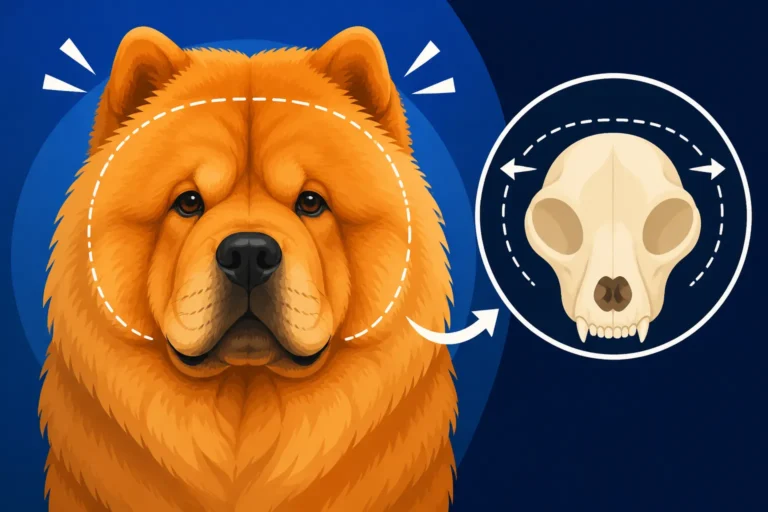
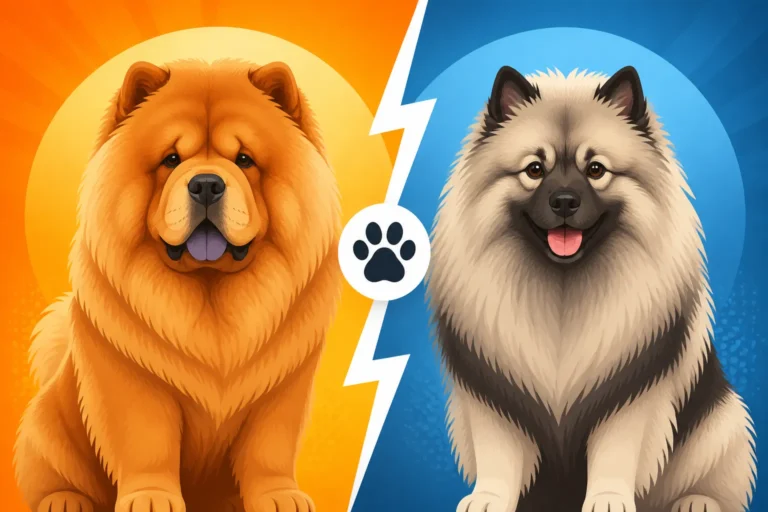
Let’s be honest, a Chow Chow doesn't exactly scream "fluffy companion." Their deep-set eyes, almost obscured by their heavy brows and facial folds, contribute to what's often described as a "scowl." This expression, while utterly charming to those who know and love the breed, can easily be misinterpreted as fierce or untamed by strangers. What Gives a Chow Chow Its Scowl is a feature that truly sets them apart. Add to that their majestic ruff, which gives them a lion-like appearance, and their famously dense double coat, and you have a dog that looks ready to brave the wilderness.
Their strong, compact build and characteristic straight rear legs also give them a rather unique, somewhat stiff gait that can appear less domesticated than other breeds. These are all ancient traits, markers of a dog that has been around for a very long time, evolving alongside humans in a demanding environment. It’s this combination of features—the powerful build, the distinctive gait, the reserved expression, and that impressive coat—that often leads people to think of them as being closer to wild canids than they actually are. They certainly don't have the soft, expressive eyes or the eager-to-please body language of many other breeds, which can fuel the "wolf dog" misconception. What a Chow Chow's Double Coat Is Made Of further explains how their fur contributes to this grand, sometimes imposing, look.
The Chow Chow's Independent Nature
Beyond their looks, the Chow Chow's temperament also plays a part in this perception. These aren't dogs known for slobbery kisses and tail wags for every new acquaintance. They are often described as independent, reserved, and incredibly loyal to their chosen person, often to the exclusion of others. How Aloof a Chow Chow Really Is is a topic frequently discussed among owners. This independence and aloofness can sometimes be mistaken for an untamed spirit, a wild streak that makes them seem less "dog-like" and more akin to a creature that values its solitude.
They are not typically dogs that live to please, and their training often requires a different approach, one built on mutual respect and understanding rather than strict obedience drills. The Chow Chow Bonds to One Person and Tolerates the Rest perfectly encapsulates their unique loyalty. For someone unfamiliar with the breed, this reserved nature might be interpreted as being less domesticated or harder to connect with, much like one might imagine interacting with a wild animal. However, this independence is a hallmark of the breed's personality, a deeply ingrained trait, not a sign of being a wolf hybrid. It's simply who they are, a dignified and self-possessed companion, rather than a wild beast.
The Actual Historical Names of the Chow Chow
To truly understand the Chow Chow, we need to look at the names given to them by the very people who developed and lived with them for centuries. These names paint a much more accurate picture of their revered status and unique characteristics.
"Songshi Quan" and "Tang Quan"
Among the most common and historically significant names for the Chow Chow in China are "Songshi Quan" (松狮犬) and "Tang Quan" (唐犬).
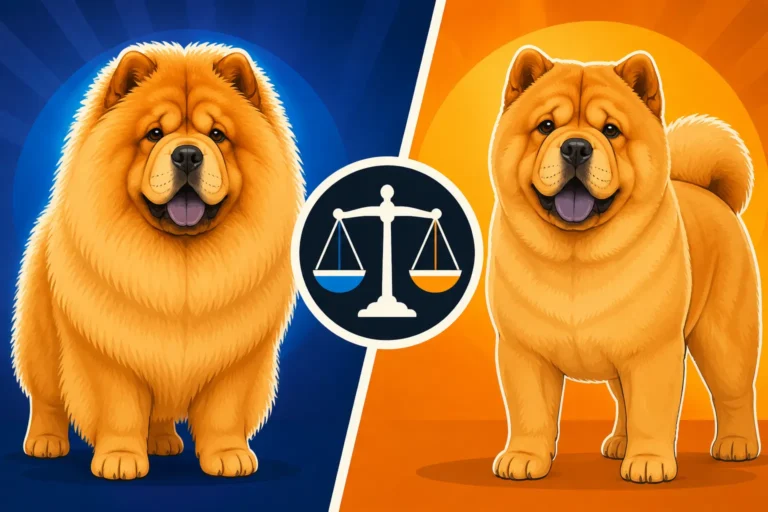
"Songshi Quan" translates to "puffy-lion dog," and it's a name that perfectly captures their magnificent appearance. Think about that impressive mane-like ruff around their neck, especially on the rough-coated variety. It truly does evoke the image of a majestic lion. This name speaks to their regal bearing and powerful presence, a quality highly valued in ancient China. They were seen as noble animals, often associated with powerful figures and even guarding temples, embodying strength and dignity. What Songshi Quan Means highlights how this name wasn't just descriptive but also symbolic.
"Tang Quan" means "dog of the Tang Dynasty," which dates back to 618-907 AD. This name points to the breed's incredible antiquity and its prominence during one of China's most illustrious periods. The Tang Dynasty was a golden age of culture, prosperity, and power, and for a dog to be named after it signifies its esteemed place in society. It implies that these dogs were well-established, recognized, and perhaps even cherished companions or working animals during this important era. The fact that they are The Chow Chow Is One of the Oldest Breeds in the World reinforces why a name tied to a major dynasty makes perfect sense. These weren't just common street dogs; they held a special status.
Other Descriptive Monikers
While "Songshi Quan" and "Tang Quan" are the most well-known, other descriptive names were also used over time, reflecting various aspects of the breed. For instance, they were sometimes called "bear dog" due to their stocky build and rounded ears. If you've ever seen a Chow Chow puppy, with its fluffy, chunky appearance, you can absolutely see why someone might call it a "bear cub" or, as an adult, a "bear dog." Another common descriptor, stemming from their unique physiological trait, was "black-tongue dog" or "blue-tongue dog." Why a Chow Chow's Tongue Is Blue Black is one of the most distinctive features of the breed, a characteristic that immediately sets them apart from almost all other dogs. This physical anomaly was so remarkable that it naturally became a way to identify them.
It's crucial to note that while these names were varied and descriptive, not once in their established history were they formally or commonly referred to as "wolf dogs." The comparisons were always to more noble or distinct animals like lions and bears, or to their unique physical attributes or historical significance, never directly to wolves in a naming context. Which Chinese Names the Chow Chow Has Carried further illustrates the variety of historical labels that celebrated the Chow Chow's specific traits.
The True Genetic Relationship to Wolves
Understanding the Chow Chow's actual genetic makeup helps to definitively clarify why the "wolf dog" label is a misnomer, despite their primitive appearance.
An Ancient Breed, But Not a Hybrid
It's true that the Chow Chow is considered one of the most ancient dog breeds, with genetic studies showing their lineage goes back thousands of years. This places them closer to the root of the canine family tree, making them genetically "primitive" in the sense that they diverged from wolves very early in dog domestication. In fact, they are often listed among Whether the Chow Chow Is One of the Fourteen Ancient Breeds. However, being an ancient breed is not the same as being a wolf-dog hybrid.
A hybrid, or wolfdog, is a direct cross between a domesticated dog and a wolf. While Chow Chows retain some ancestral traits that harken back to the earliest domesticated dogs, they are fully, unequivocally domesticated canines. They have been bred selectively by humans for centuries, developing distinct physical and behavioral characteristics that set them apart from wolves and wolf hybrids. Their reserved nature and strong guarding instincts might seem primal, but these are refined, breed-specific traits developed within a domesticated context, not raw wolf behaviors. You won't find a Chow Chow engaging in typical wolf pack dynamics or exhibiting the extreme shyness and fear of humans often seen in true wolf-dog hybrids.
The Modern "Wolfdog" Distinction
In today's world, the term "wolfdog" specifically refers to animals that have a measurable percentage of wolf DNA, usually from a recent crossbreeding event. These animals present a unique set of challenges and require very specialized care due to their unpredictable temperament and strong wild instincts. They are not typically suited for conventional pet ownership, often exhibiting behaviors like extreme shyness, resource guarding, destructive tendencies, and a strong prey drive that can make them difficult to manage in a domestic setting.
The Chow Chow, despite its formidable appearance and independent streak, does not fall into this category. They are predictable in their breed-specific behaviors, which include their famously guarded nature and loyalty. While they require attentive training and socialization from a young age, as highlighted in "Early Socialization Decides What a Chow Chow Becomes", they are fundamentally domesticated dogs. A reputable breeder will always be able to provide clear lineage for a purebred Chow Chow, showcasing a history of purebred Chow Chow parents, not wolf crosses. If you're looking for dog food or toys, stores like Chewy offer products specifically designed for domesticated dogs, not for the dietary and enrichment needs of wolfdogs, which are vastly different. When it comes to their overall health and lifespan, What Most Chow Chows Die Of reflects common canine ailments, not those typically associated with wild animals.
Here's a quick comparison of Chow Chow descriptive names versus the concept of a "wolf dog":
| Characteristic | Chow Chow Descriptive Names | "Wolf Dog" Concept |
|---|---|---|
| Appearance Focus | Lion, Bear, Puffy | Wolf |
| Historical Origin | Tang Dynasty, Ancient China | Direct wolf cross, recent or ongoing |
| Key Physical Trait | Blue-black tongue, deep-set eyes, ruff | Wolf-like coat, gait, head shape, eyes |
| Behavioral Implication | Dignified, independent, loyal guard | Wild, untamed, unpredictable, strong prey drive |
| Status | Esteemed companion, working dog | Hybrid, requiring specialized handling |
In conclusion, while the Chow Chow's majestic appearance and reserved temperament might evoke thoughts of wildness, the idea that they were historically called "wolf dogs" is a persistent myth. Their true names, such as "Songshi Quan" and "Tang Quan," reflect their noble lineage and unique traits, distinguishing them as a proud and ancient breed of domesticated dog, far removed from the actual complexities of wolf-dog hybrids.
Disclaimer
This article is for general informational purposes only and does not constitute professional advice. Laws, prices and regulations vary by location and change over time. Consult a qualified professional for guidance on your specific situation.