Whether a Chow Chow Hunted by Scent
Many of us, when we look at our majestic Chow Chows, might wonder about their ancestry and what they were truly bred for. With their impressive build and ancient lineage, it’s natural to imagine them as versatile working dogs, but one question that often comes up is whether they hunted by scent. This guide will delve into the historical roles of the Chow Chow, examining their physical traits and comparing them to breeds renowned for scent work, to clarify just how much of a "scenter" your furry companion truly is.
The Chow Chow's Original Purpose in Historical China
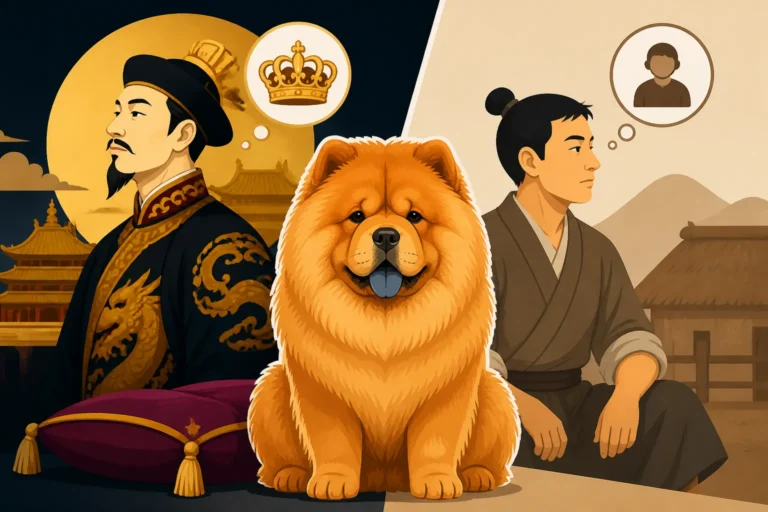
The Chow Chow is a dog steeped in history, originating from ancient China, where they served a multitude of roles for centuries. They weren't just pretty faces; they were genuine working dogs, integral to daily life. It's a common misconception to pigeonhole any ancient breed into a single job, when in reality, their survival often depended on their versatility.
Beyond Just Guarding: Multifaceted Roles
While their dignified, somewhat aloof nature and formidable presence make them excellent guardians, this was far from their only task. Imagine a time before specialized breeds for every single job – dogs like the Chow Chow had to be jacks-of-all-trades. They were used for guarding homes and temples, herding livestock, and even pulling carts. Their strength and resilience made them invaluable companions in a challenging environment. They were essentially the original "utility dogs" of China, adaptable to whatever needs their human families had. This historical breadth of duty often leads people to assume they excelled at everything, including tracking game by scent, but the truth is a bit more nuanced.
What "Hunting" Meant for a Chow Chow
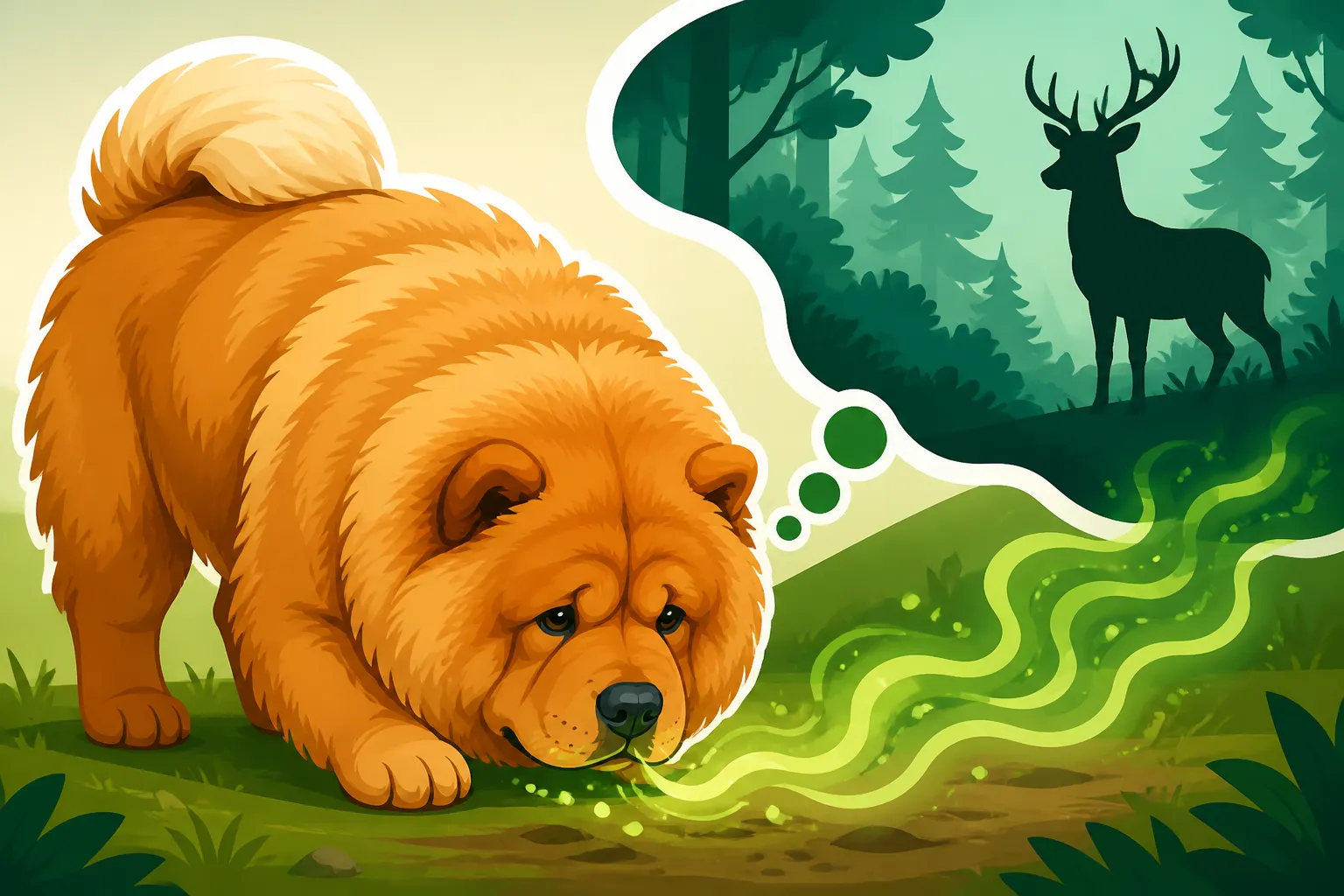
When we talk about Chow Chows "hunting" in ancient China, we're not typically referring to the long, arduous scent trails followed by a Beagle or a Bloodhound. Their hunting activities were more likely focused on driving game or acting as a "sight hound" over relatively open terrain. Their strong build and protective instincts would have made them capable of confronting or flushing out smaller game, or even assisting in larger hunts by holding game at bay until human hunters arrived. Think less of nose-to-the-ground tracking and more of an alert, robust dog that could spot movement and engage with purpose.
They would have been valuable for their overall hardiness and ability to navigate rough country rather than their specialized olfactory prowess. For example, they might have been excellent at locating prey in dense brush by sight and sound, or by using air currents to detect larger animals from a distance, then using their physical presence to engage. To learn more about their specific contributions to hunting, you can read What a Chow Chow Hunted in China. Their role was probably more akin to a general hunting companion than a dedicated scent tracker.
Physical Traits and Scenting Ability: A Closer Look
When considering a dog's ability to hunt by scent, we need to look at their physical characteristics. Breeds specifically developed for scent work, like hounds, have distinct anatomical features that enhance their olfactory capabilities. The Chow Chow, while a formidable dog, possesses a different set of physical traits that point away from primary scent work.
The Chow Chow's Senses: Sight vs. Scent
Chow Chows have deep-set eyes, which contribute to their unique "scowl" and can limit their peripheral vision. This characteristic suggests that while they are certainly observant, their visual field isn't necessarily optimized for spotting fast-moving prey over vast distances, nor is it detrimental to scent work directly. However, their muzzle length is a more telling feature. Compared to true scent hounds, Chow Chows have a relatively shorter muzzle. A longer muzzle provides more surface area inside the nasal cavity for olfactory receptors, allowing for more detailed scent processing. A shorter muzzle, while perfectly functional for general sniffing, simply doesn't offer the same biological advantage for intricate scent discrimination required for sustained tracking. For more on their vision, check out How a Chow Chow's Deep Set Eye Limits Its Vision.
While they have a good sense of smell, like all dogs, it's not their primary sensory input for navigating the world or performing complex tasks. Their independent nature and focus on their immediate surroundings and perceived threats also suggest a temperament less suited to the single-minded devotion required for following a cold scent trail for miles.
Coat Density and Terrain Suitability
The Chow Chow's magnificent double coat, whether rough or smooth, is incredibly dense. This thick insulation served them well in the colder regions of China, protecting them from harsh weather elements. It's a coat designed for endurance in cold climates, not necessarily for agility or speed through dense undergrowth that a scent hound might navigate.
Imagine a Chow Chow pushing through thorny bushes for hours, nose to the ground. While their coat provides protection, it can also trap heat, especially if they are exerting themselves significantly. This makes them prone to overheating, a critical consideration for any sustained physical activity. This dense coat is fantastic for keeping them warm, but it might actually be a hindrance for a dog meant to tirelessly follow a scent trail in varied temperatures. You can learn more about how their coat handles temperatures in Why a Chow Chow's Double Coat Traps Heat.
Movement and Endurance for Tracking
One of the Chow Chow's most distinctive physical traits is their relatively straight rear leg, which gives them their characteristic "stilted" gait. This unique movement is not designed for the fluid, ground-covering trot or gallop necessary for tracking prey over long distances. Instead, it's a more deliberate, purposeful stride.
Scent hounds, on the other hand, typically have angulated rears that allow for powerful propulsion, enabling them to cover ground efficiently and maintain stamina for hours on end while keeping their nose to the trail. The Chow Chow's gait, while perfectly functional for their historical roles of guarding and pulling, isn't optimized for the high-endurance, scent-driven chase. It means they tire more quickly during sustained running and are less efficient at covering large territories with their nose down. For deeper insight into their distinctive movement, refer to Why a Chow Chow Moves With a Stilted Gait. This difference in locomotion is a significant factor in why they wouldn't have been primary scent hunters.
Comparing the Chow Chow to True Scent Hounds
To truly understand whether a Chow Chow hunted by scent, it helps to compare them to breeds specifically developed for this purpose. The contrast highlights the specialized nature of scent work and why certain breeds excel at it while others, like the Chow Chow, have different strengths.
What Defines a Scent Hound
Think of a Bloodhound, a Beagle, or even a Basset Hound. These breeds are the quintessential scent hounds, and they share several key characteristics that the Chow Chow largely lacks. They often have long, pendulous ears that help to sweep scents towards their nose and prevent air currents from dispersing the scent trail. Their loose facial skin can also trap scent particles, keeping them close to the nostrils. Most importantly, they possess exceptionally long muzzles, housing an incredible number of olfactory receptors – orders of magnitude more than a typical dog. Their brains are also wired for processing complex scent information, with a dominant drive to follow a trail once engaged.
Furthermore, scent hounds typically have deep chests and powerful, angulated hindquarters, allowing them to sustain a tireless pace over varied terrain for hours. Their entire physiology is geared towards detecting, interpreting, and relentlessly pursuing a scent. This is a far cry from the Chow Chow's build, which is more about strength, dignity, and endurance in other forms of work.
Temperament and Training for Scent Work
Beyond physical attributes, temperament plays a huge role in effective scent hunting. Scent hounds are typically highly focused on their task once a scent is picked up, often to the exclusion of almost everything else. They are driven by an innate urge to follow, and many are quite biddable in the field, eager to work with their handler to achieve the goal.
The Chow Chow, while intelligent, is renowned for its independent and somewhat stubborn nature. They bond deeply with their chosen person, as discussed in The Chow Chow Bonds to One Person and Tolerates the Rest, but they aren't typically described as "eager to please" in the traditional sense. They have a strong will and can be selective about when they choose to obey. This independent streak, while admirable in a guardian, is not conducive to the long, cooperative, and often repetitive nature of scent tracking. A scent hound needs to be able to focus for hours, ignoring distractions, and a Chow Chow might just decide the scent isn't interesting enough, or that they have better things to do. If you've ever tried to get your Chow to do something they weren't entirely on board with, you'll understand how Why a Chow Chow Ignores a Cue It Knows applies!
Here’s a quick comparison of key traits:
| Feature | Chow Chow | Typical Scent Hound |
|---|---|---|
| Muzzle Length | Relatively short | Long, allowing for more olfactory receptors |
| Ear Type | Small, rounded, erect | Long, pendulous (sweeps scent) |
| Rear Angulation | Straight, leads to stilted gait | Well-angulated, powerful, efficient for long distances |
| Scent Drive | General canine sense of smell, not specialized | Extreme, dominant drive to follow scent trails |
| Temperament | Independent, dignified, selective | Focused, persistent, often biddable in the field |
| Primary Role | Guarding, general utility, companionship | Tracking, trailing, locating game/people by scent |
Modern Chow Chows and Scent Activities
So, does this mean your beloved Chow Chow can't enjoy any scent-related fun? Absolutely not! While they might not be the next world-class Bloodhound, there's still plenty of joy and enrichment to be found in nose work.
Can a Chow Chow Do Nose Work for Fun?
Yes, they absolutely can! Scent work, or "nose work" as it's often called in dog sports, is a fantastic mental enrichment activity for almost any dog, including Chow Chows. It taps into their natural canine ability to smell and can be incredibly satisfying for them. It's not about competitive tracking over miles, but rather about using their innate scenting abilities to find hidden treats or toys.
Imagine setting up a simple "find it" game in your living room or yard. Hide some favorite treats – perhaps some high-value jerky or a piece of cheese – in various spots. Encourage your Chow Chow to sniff them out. You'll likely see their tail give a slight wag when they pick up the scent. This kind of activity is wonderful for mental stimulation, helps prevent boredom (which, let's face it, a bored Chow Chow can be a handful, as detailed in What a Bored Chow Chow Does), and strengthens your bond. You can find excellent nose work kits and puzzle toys at places like Chewy that are perfect for getting started. These aren't about becoming a tracking champion, but about giving your dog a mentally engaging "job."
Understanding Your Chow's Natural Inclinations
Ultimately, the Chow Chow's historical role and physical characteristics suggest they were not primarily scent hunters in the specialized way many hound breeds were. Their strengths lay in their guarding instincts, their powerful build for various utility tasks, and their unwavering loyalty to their chosen family. Their acute senses were undoubtedly valuable in their original environments, but not primarily for nose-to-the-ground trailing.
Rather than trying to force your Chow Chow into a role they weren't bred for, it's far more rewarding to celebrate their unique qualities. Encourage their natural curiosity, engage them in activities that suit their thoughtful and independent nature, and provide opportunities for mental enrichment that don't rely on sustained, high-intensity scent tracking. Whether it's a quiet walk to survey their territory, a gentle game of "find the treat," or just enjoying their dignified companionship, your Chow Chow brings so much to the table. And who knows, with a little encouragement and some tasty Chewy treats, your Chow might surprise you with their hidden sniffing talents!
Disclaimer
This article is for general informational purposes only and does not constitute professional advice. Laws, prices and regulations vary by location and change over time. Consult a qualified professional for guidance on your specific situation.