Whether a Smooth Chow Chow Can Win in the Ring
A smooth-coated Chow Chow can compete in conformation shows when it meets the rules of the kennel organization holding the event. The smooth coat is an accepted Chow Chow variety, not a disqualification or a lesser version of the breed. The details that matter are registration, the applicable breed standard, and whether the dog’s structure, movement, temperament, and condition meet the judge’s expectations.
Can a Smooth Chow Chow Enter a Conformation Show
Smooth is an accepted coat variety
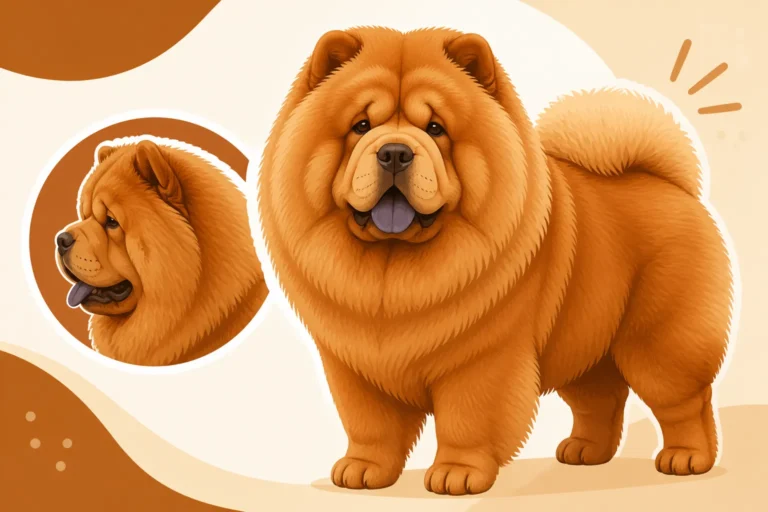
The Chow Chow standard recognizes two coat varieties: rough and smooth. A smooth Chow Chow has a shorter, dense, plush coat without the prominent ruff, feathering, and longer furnishings associated with the rough coat. It is still a Chow Chow, and it is not a separate breed or an automatic show fault. For a closer look at the coat itself, see What a Smooth Chow Chow Looks Like.
That distinction matters because people sometimes assume “smooth” means the dog has been clipped or has an incomplete coat. It does not. A naturally smooth coat is a recognized variety; a rough-coated dog shaved down to look short-coated is something else entirely. Judges evaluate the dog according to the relevant breed standard, and presenting a clipped dog as a smooth variety may raise questions about coat condition and show rules.
Coat type alone does not guarantee that a dog can enter every show. The dog generally needs to meet the event’s requirements for breed registration, age, eligibility, and entry class. Those requirements can differ between countries, kennel organizations, and particular events, so check the show’s official rules before making plans.
What “winning in the ring” can mean
A smooth Chow Chow may be eligible to compete for breed-level awards and, where the show structure allows, progress to higher levels of competition. But being eligible to enter is different from being likely to win. The judge assesses the whole dog—not simply whether its coat is smooth or rough.
At a conformation show, the dog is compared with the breed standard. That includes features such as overall balance, head and expression, body proportions, coat texture, tail carriage, feet, and movement. A smooth Chow Chow can be a strong candidate if it fits the standard well and is presented in good condition. A rough-coated dog can also be a strong candidate, and neither coat variety automatically has an advantage simply because it looks more dramatic to spectators.
Show terminology can be confusing, especially when awards and classes vary. Here is a simple distinction:
| Show question | What it means for a smooth Chow Chow |
|---|---|
| Is the smooth coat permitted? | Yes, where the relevant breed standard recognizes smooth as an accepted variety |
| Is smooth a separate breed? | No; it is a coat variety of the Chow Chow |
| Does coat type guarantee a win? | No; judges assess the dog against the standard as a whole |
| Can the dog advance beyond breed judging? | It may, depending on the event’s rules and the awards it earns |
| Should the owner confirm local rules? | Yes; entry and judging procedures vary by organization and show |
If you are looking specifically at coat-variety judging, Whether the Rough and Smooth Coats Are Judged Together explains why it is worth checking how the show you plan to enter organizes its classes. A rule or procedure used by one organization should not be assumed to apply everywhere.
What Judges Assess Beyond Coat Type
Structure, movement, and overall balance
A Chow Chow’s coat can attract attention, but it is only one part of the picture. Judges assess whether the dog’s construction and movement reflect the breed standard. They may look at proportions, topline, bone, feet, tail set, and how the dog moves coming and going as well as from the side. A dog that stands beautifully but moves awkwardly may not present the same overall picture as one whose structure and movement work together.
The breed is known for its distinctive, relatively straight rear angulation and stilted-looking gait. A judge is not simply looking for the longest stride or the fastest movement. The point is to assess whether the dog’s movement is sound and appropriate for a Chow Chow. For background on this characteristic, Why a Chow Chow Walks Stiffly offers useful context.
Owners sometimes worry that a smooth dog will look less “Chow-like” because it lacks the abundant mane of a rough coat. That visual difference does not mean the smooth dog is judged as an incomplete rough. The judge should assess it as the coat variety it is, while still considering the breed’s defining features and the quality of the dog’s overall presentation.
Head, expression, and temperament
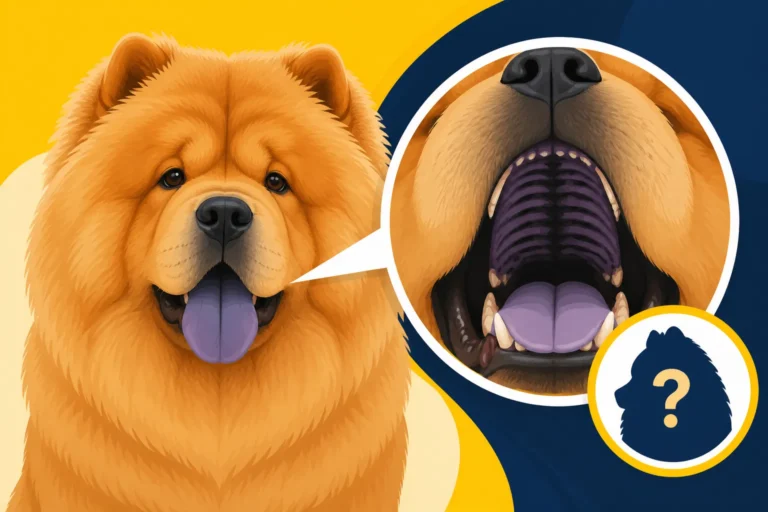
The Chow Chow’s head and expression are among its most recognizable features. Judges look at how the head, ears, eyes, muzzle, and expression come together, alongside the dog’s overall balance. A naturally smooth coat does not change those structural considerations.
Temperament and handling matter in the ring, too. A show dog needs to tolerate examination and movement around other dogs and people. That does not mean it must behave like a highly outgoing breed; Chow Chows are often reserved. But the dog must be safely manageable, and the handler needs to present it calmly without forcing or frightening it.
For a reserved Chow Chow, preparation is not just about standing still for a few minutes. The dog may need gradual practice with being approached, examined, and handled by someone unfamiliar. If that is a challenge, How to Approach a Chow Chow Safely is a helpful starting point for understanding why calm, respectful handling matters.
Preparing a Smooth Chow Chow for the Ring
Keep the coat natural and in good condition
A smooth coat still needs regular care. Its shorter length can make grooming feel simpler than maintaining a rough coat, but it remains dense and should be clean, healthy, and well maintained. Regular brushing helps remove loose hair and gives you a chance to notice skin irritation, tangles, or changes in coat texture.
Keep grooming focused on cleanliness and condition rather than trying to make the dog look like a different coat variety. Avoid assuming that clipping a rough coat will create a legitimate smooth appearance. If you are unsure what grooming is appropriate for your dog or a particular event, ask an experienced Chow Chow breeder, groomer, or show mentor, and check the event’s rules.
It can help to build a basic show-prep kit around the dog’s actual coat and tolerance for grooming. Owners may compare combs, brushes, and suitable coat-care products through retailers such as Chewy, but the tool matters less than using it gently and consistently. If you already shop there, Chewy can also be a place to check product details when replacing a familiar brush or comb. Avoid buying a pile of tools before you know what works for your dog; a small routine the dog accepts is usually more useful than elaborate equipment.
For a broader comparison of grooming demands, Which Chow Chow Coat Is Easier to Keep can help you set realistic expectations. Coat care is only one part of ownership, but it is worth considering before deciding whether show preparation will fit comfortably into your routine.
Practice the show routine in small steps
A dog that is unfamiliar with the ring can find the experience overwhelming: unfamiliar flooring, close quarters, excited dogs, strange sounds, and a person examining its body. Start with short, low-pressure practice sessions at home. Reward your dog for standing calmly, walking on lead, and accepting gentle handling. End before it becomes frustrated or tired.
Then build gradually. Practice in a quiet outdoor space, around a small number of people, or at a suitable training class. Make sure your Chow Chow can pause and recover between new experiences. Forcing repeated greetings or examinations can make a wary dog more uncomfortable, not more confident.
A show lead, grooming surface, and brushing routine should also be introduced patiently. If you use Chewy to source grooming basics, choose products suited to the dog’s size and coat rather than relying on a generic “show dog” label. Chewy may help with the practical shopping side, but it cannot replace hands-on instruction from someone familiar with Chow Chows and conformation handling.
Before You Enter a Show
Confirm the rules and paperwork
Before entering, identify the kennel organization and the exact show you have in mind. Confirm whether the Chow Chow is eligible, which registration documents are required, and how the event handles the breed’s coat varieties. Ask whether there are particular entry classes or restrictions that apply to your dog’s age, registration status, or history.
If your dog has been spayed or neutered, has a nonstandard feature, or has had a coat altered, do not guess about eligibility. Rules can differ between organizations and event types. Contact the show secretary or governing organization and describe the situation plainly. Getting an answer before submitting an entry is far less stressful than discovering a problem on show day.
It is also sensible to clarify what the show evaluates. Conformation events assess how closely a dog matches the breed standard; they are different from obedience, rally, or other performance events. A Chow Chow that is not suited to conformation may still enjoy activities built around training and teamwork.
Think about fit, not just ribbons
Showing can be rewarding when the dog enjoys the routine and the owner likes learning about the breed standard. It can also involve travel, waiting, grooming, and repeated practice. A smooth Chow Chow does not need to be entered simply because it is eligible. The best choice depends on the individual dog’s health, comfort, temperament, and the kind of time you want to spend together.
If you are still deciding between coat varieties, remember that smoothness is not a measure of health or quality by itself. A dog’s welfare and soundness come first. Whether a Smooth Coated Chow Chow Is Healthier addresses a related misconception, while Whether a Chow Chow Puppy's Coat Type Is Obvious may help if you are trying to understand a young dog’s developing coat.
The most useful next step is to talk with a knowledgeable Chow Chow breeder or handler who can assess your dog in person and explain local show practices. A smooth Chow Chow can compete in the ring when it meets the applicable requirements, but its coat is only one detail in a much larger evaluation.
Disclaimer
This article is for general informational purposes only and does not constitute professional advice. Laws, prices and regulations vary by location and change over time. Consult a qualified professional for guidance on your specific situation.