How to Approach a Chow Chow Safely
Many people are drawn to the magnificent, lion-like appearance of the Chow Chow, but often find themselves unsure how to interact with this ancient and famously reserved breed. It's a common frustration to encounter a dog that doesn't immediately welcome affection, leading to misunderstandings or even risky situations. This guide is here to walk you through the nuances of safe and respectful interaction with a Chow Chow, helping you understand their unique perspective and fostering positive encounters for everyone involved.
Understanding the Chow Chow's Unique Temperament
The Chow Chow is not your typical Golden Retriever, eager to greet every passerby with a wagging tail. They are an ancient breed, known for their dignity, independence, and often, a profound aloofness towards strangers. This isn't a flaw; it's an inherent part of who they are, and understanding this foundation is the first step to safe interaction.
The Myth of Universal Friendliness
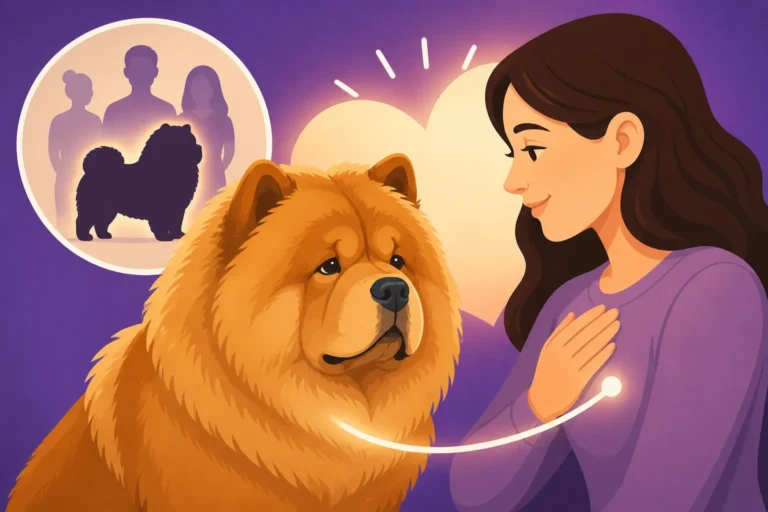
It's a common misconception that all dogs are social butterflies, thrilled to meet new people. While many breeds are, the Chow Chow generally isn't. They tend to be a "one-person dog," forming an incredibly deep bond with their chosen human and being far more reserved with others, even within the same household. This isn't to say they are unfriendly, but rather highly selective with their affections. Expecting a Chow Chow to be immediately welcoming can lead to disappointment and, more importantly, can push them past their comfort zone. They aren't trying to be rude; they're simply being a Chow Chow. How Aloof a Chow Chow Really Is
This inherent reserve means that strangers often need to earn a Chow Chow's trust, and that process takes time, patience, and respect for their boundaries. Rushing in for a hug or a head pat is likely to be met with a stiff body, averted gaze, or even a growl – clear signals that their personal space has been invaded. It’s crucial to remember that their aloofness is a protective mechanism, and respecting it is paramount to building any kind of rapport.
Guarding Instincts and Territorial Nature
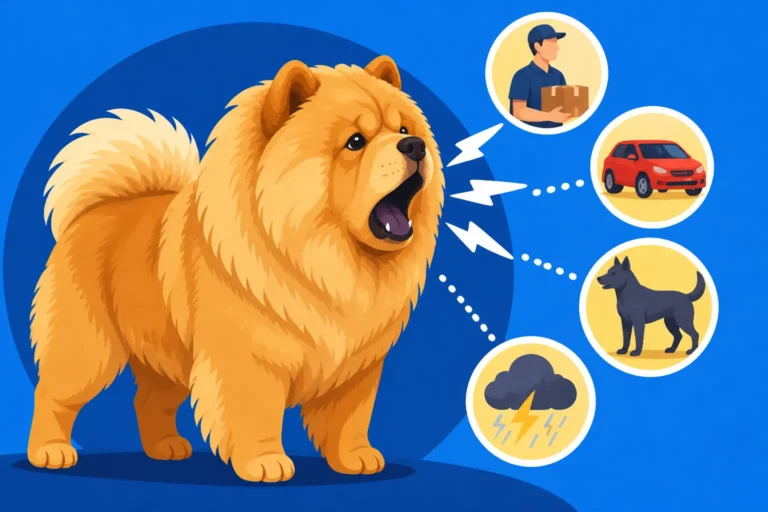
Chow Chows historically served as guardians, hunters, and companions in their native China. This background has instilled in them strong guarding instincts, which means they are naturally watchful and protective of their home, their people, and their perceived possessions. This territorial nature extends to their personal space, making them less tolerant of unfamiliar individuals encroaching without an invitation. They see themselves as protectors, and an uninvited approach can be perceived as a threat.
This guarding behavior is not necessarily aggression, but a deep-seated instinct to keep their world safe and orderly. When you approach a Chow Chow, particularly on their home turf or when they are with their cherished person, understand that they are assessing you. Their calm, often seemingly impassive demeanor can mask a highly alert and discerning mind. They might not bark or make a big fuss, but they are observing, deciding whether you are a friend or a potential threat to their domain. This quiet intensity is a hallmark of the breed and something every individual should be mindful of. What a Chow Chow Guards and Why
Decoding Chow Chow Body Language and Vision
One of the biggest challenges in safely approaching a Chow Chow is that their body language can be incredibly subtle, and their unique physical characteristics sometimes obscure traditional canine cues. Plus, their deep-set eyes mean they literally don't see the world the same way other dogs do.
The Subtle Art of Chow Chow Communication
Unlike a Labrador whose whole body wags with joy, a Chow Chow's communication can be far more understated. A stiff tail, rather than a wag, can indicate tension or unease. A slight turn of the head, a flicker of the eyes, or a tightening of the mouth might be the only signals you get before they decide they've had enough. Their famous "scowl" can also be misleading, as it's a natural facial conformation and doesn't always reflect their mood. It requires a keen eye and careful attention to pick up on these subtle cues.
Many people misinterpret a Chow Chow's quietness or lack of overt greeting as an invitation to engage, when in fact, it often means the opposite. They might stand still, but their muscles could be tensed, their ears slightly flattened, or their gaze hard. These are all signs of discomfort or potential warning. Learning How to Read a Chow Chow's Face and understanding these nuanced expressions is vital. If you’re not sure, always err on the side of caution and give them space. A good rule of thumb is that if a dog isn't actively inviting interaction, it's best to observe from a distance.
The Impact of Deep-Set Eyes on Perception
The Chow Chow's deep-set eyes, while contributing to their distinctive appearance, also significantly limit their peripheral vision. This is a critical factor in understanding why a Chow Chow might react unexpectedly to an approach. Imagine trying to see the world through tunnel vision – anything coming from the side or directly from behind can appear suddenly and without warning. Why a Chow Chow's Deep Set Eyes Limit What It Sees
This visual limitation means that approaching a Chow Chow from the side or from behind is particularly risky. They might not see you coming until you are very close, leading to a startled reaction which could manifest as a snap or a quick lunge out of fear. It’s not aggression; it’s a natural reflex to a perceived sudden threat. This anatomical fact is a huge part of Why a Chow Chow Snaps at Someone It Did Not See, making it essential to always approach them head-on, allowing them to see you clearly and assess your intentions. Always consider their field of vision when deciding how to introduce yourself.
Safe Interaction Protocols for Strangers
Approaching a Chow Chow is an exercise in respect, patience, and careful observation. If you're a stranger, your primary goal should be to allow the Chow Chow to feel safe and in control of the interaction. Never force yourself upon them.
What NOT to Do: Common Mistakes
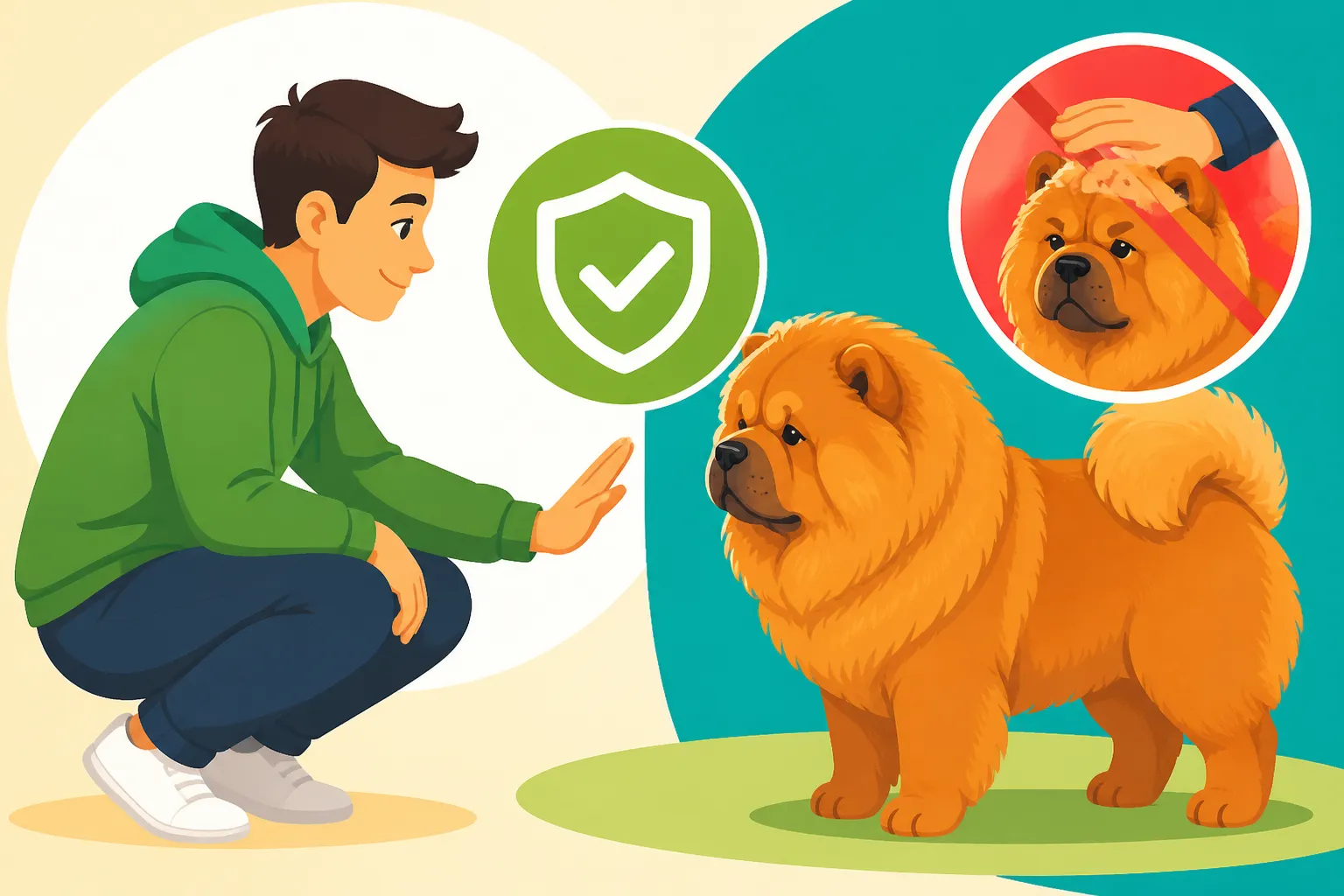
One of the biggest mistakes people make when approaching any dog, especially a reserved breed like a Chow Chow, is to rush in. Avoid direct eye contact, which can be perceived as a challenge or threat. Do not reach over their head to pet them, particularly from behind, as this is a very vulnerable area for a dog and can trigger a defensive reaction due to their limited peripheral vision. This is also true for sudden, loud noises or quick movements which can easily startle them.
Also, never corner a Chow Chow or block their escape route. Dogs need to feel like they have an option to retreat if they become uncomfortable. Standing directly in front of them, especially in a narrow space, can make them feel trapped and increase their stress levels. Furthermore, avoid bringing other pets, especially excitable ones, into their immediate space without the owner's explicit permission. The presence of another unknown animal can escalate their guarding instincts and lead to an unfavorable encounter. If you witness Signs a Chow Chow Is Uncomfortable, you must immediately stop what you're doing and create distance.
The Right Way: Respectful Greetings
When you encounter a Chow Chow and their owner, the very first step is always to ask the owner for permission to interact. "May I say hello to your dog?" This respects both the owner's boundaries and gives them a chance to gauge their dog's current mood and comfort level. If they say no, respect it without question or complaint. There's always a good reason, whether it's health, training, or simply the dog's disposition.
If permission is granted, approach slowly and calmly, allowing the Chow Chow to see you fully. Avoid direct eye contact; instead, glance briefly, then look away. Offer a relaxed, open hand, palm up, at their shoulder level or slightly below, allowing them to sniff you. Let them initiate further contact. If they lean in for a sniff or gently bump your hand, a gentle scratch under the chin or on the chest (areas where they can see your hand) is often more welcome than a pat on the head. Keep your movements slow, your voice soft, and be prepared to withdraw if the dog shows any sign of discomfort. Sometimes, the safest and most respectful approach is simply to admire them from a distance. For owners, this is an important lesson in How to Introduce a Chow Chow to a Stranger.
Training and Management for Safe Interactions
While much of the responsibility for safe interactions lies with the approaching individual, Chow Chow owners also have a vital role to play in preparing their dogs and managing situations effectively. Early socialization and consistent training are key.
Early Socialization and Positive Exposure
The period between 3 and 16 weeks of age is a critical socialization window for puppies. During this time, carefully exposing a Chow Chow puppy to a wide variety of sights, sounds, people, and other well-socialized dogs in a positive and controlled manner is absolutely crucial. This doesn't mean forcing interactions, but rather allowing them to observe and have pleasant experiences. Think of it as building a positive mental library for how the world works. The Weeks That Matter Most for a Chow Chow Puppy
A well-socialized Chow Chow is not necessarily a universally friendly one, but they will be more accustomed to novel stimuli and less likely to react defensively out of fear. This includes positive exposure to people of different ages, sizes, and appearances, as well as various environments. Consider using online resources like the BAXTER & Bella online puppy school program, which often emphasizes controlled exposure and positive reinforcement techniques for socialization. Even if you get an adult rescue Chow Chow, slow, gentle, and positive desensitization can help them become more comfortable in new situations. The goal isn't to make them love everyone, but to teach them that strangers and new experiences aren't inherently threatening.
Muzzle Training as a Responsible Tool
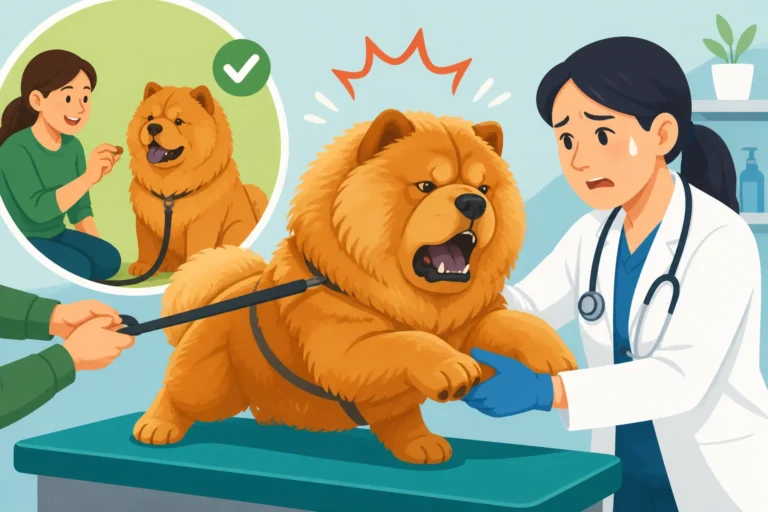
For a breed like the Chow Chow, known for its reserved nature and potential for guarding, muzzle training is an incredibly responsible and proactive step for any owner, even if your dog has never shown aggression. It's not a punishment; it's a safety tool, much like a leash or a car seat. Introducing a muzzle positively, using treats and praise, teaches the dog to view it as a neutral or even pleasant experience, rather than something scary or restrictive. Many resources found on Amazon, for instance, offer comfortable, well-fitting basket muzzles that allow for panting and drinking, making them a humane choice.
Muzzle training allows a Chow Chow owner to take their dog to the vet, groomer, or even a busy park with greater peace of mind, knowing that accidental nips or bites are prevented. It's a proactive measure that demonstrates commitment to safety and good citizenship. It also allows a dog with a bite history to continue participating in the world safely, rather than being confined. Teaching a Chow Chow to Wear a Muzzle can be a slow process, but it builds confidence in both the dog and the owner, ensuring safer interactions for everyone.
Managing Public Encounters
When out in public, managing your Chow Chow is paramount. Always keep them on a sturdy leash and harness. A well-fitting, secure harness (rather than just a collar) provides better control and reduces strain on their neck. Be aware of your surroundings, anticipate potential interactions, and create distance if you see people approaching in a way that might make your Chow Chow uncomfortable. Crossing the street or stepping behind a barrier are perfectly acceptable strategies to avoid unwanted interactions.
| Do's When Approaching a Chow Chow | Don'ts When Approaching a Chow Chow |
|---|---|
| Do ask the owner for permission. | Don't rush directly towards them. |
| Do approach slowly and calmly. | Don't make direct, prolonged eye contact. |
| Do allow the dog to see you clearly (approach head-on). | Don't reach over their head to pet them. |
| Do offer a relaxed hand, palm up, at their shoulder level to sniff. | Don't approach from behind or the side. |
| Do let the dog initiate contact. | Don't corner them or block their escape route. |
| Do offer gentle chin or chest scratches if invited. | Don't make sudden movements or loud noises. |
| Do keep your voice soft and calm. | Don't bring excitable pets into their space without permission. |
| Do respect the owner's "no" immediately. | Don't force interaction if they show discomfort. |
| Do observe their subtle body language for signs of discomfort. | Don't assume a quiet Chow Chow is inviting interaction. |
It's also essential to advocate for your dog. If someone approaches without asking or ignores your requests to give your dog space, firmly but politely reiterate that your dog needs room. Many people don't understand the nuances of Chow Chow behavior, and it's your job to educate them and protect your dog. This kind of diligent management is especially critical for a breed like the Chow Chow, where misunderstandings can have serious consequences. For instance, Whether a Chow Chow Should Be Left With a Sitter might depend heavily on the sitter's experience with the breed and the dog's individual socialization.
Considerations for Children and Other Animals
The unique temperament of the Chow Chow necessitates extra caution when it comes to interactions with children and other pets. Their reserved nature and strong guarding instincts mean that these interactions must be carefully supervised and managed.
Chow Chows and Children
Due to their independent and sometimes aloof nature, Chow Chows are generally not recommended for homes with very young children or for families without extensive dog experience. They are not typically a breed that tolerates rough play or constant attention from small hands. While some Chow Chows can coexist peacefully with respectful, older children, it’s crucial that children are taught how to interact safely and appropriately, understanding the Chow Chow’s need for space and quiet. How a Chow Chow Behaves With Children is often contingent on early, positive exposure and consistent supervision.
Children must learn never to approach a Chow Chow uninvited, never to pull on their fur or ears, and never to disturb them while they are eating, sleeping, or playing with a toy. Supervision should always be 100% when children and Chow Chows are together. It's often safer to separate them when direct supervision isn't possible. Teaching children How to Teach a Child to Approach a Chow Chow with respect and understanding will go a long way in preventing negative encounters. It’s about managing expectations and ensuring both dog and child feel secure.
Interactions with Other Pets
Chow Chows can be hit or miss with other animals. Their strong prey drive and territorial nature mean that they may not always get along well with other dogs, especially those of the same sex, or with smaller, fast-moving animals like cats (unless raised with them from puppyhood). Why Two Same Sex Chow Chows Fight is a common issue due to their dominant tendencies. Introducing a Chow Chow to another dog requires careful, slow, and supervised introductions in a neutral territory.
Owners must be realistic about their Chow Chow's tolerance for other pets. If you have other animals, it's essential to understand your Chow Chow's individual personality and historical behavior. Forging a peaceful household with multiple pets often requires careful management, separate feeding areas, and dedicated individual attention to prevent resource guarding issues. For some Chow Chows, a single-pet household is simply the safest and happiest arrangement. If you're considering adding another pet to a home with a Chow Chow, or vice-versa, always consult with a professional trainer experienced with the breed.
Conclusion
Approaching a Chow Chow safely is less about technique and more about a deep respect for their unique personality and physical traits. By understanding their reserved nature, decoding their subtle body language, acknowledging their limited vision, and practicing patient, respectful interactions, we can help ensure positive encounters for everyone. For Chow Chow owners, early socialization, responsible muzzle training, and diligent management in public are not just good practices—they're essential components of living harmoniously with this magnificent, albeit complex, breed. By working together, both strangers and owners can help bridge the gap of understanding and allow Chow Chows to navigate the world with dignity and peace.
Disclaimer
This article is for general informational purposes only and does not constitute professional advice. Laws, prices and regulations vary by location and change over time. Consult a qualified professional for guidance on your specific situation.