Where the Chow Chow Ranks in AKC Registrations
It’s easy to feel a bit confused when you hear about breeds consistently topping popularity charts, and then wonder where your beloved, distinctive Chow Chow fits into that picture. Many owners and aspiring Chow Chow guardians are curious about the breed's standing, especially when they rarely encounter another one out and about. This guide will dive into the nuances of AKC registration rankings, exploring where the Chow Chow typically places and, more importantly, what those numbers really mean for this ancient and independent breed.
Understanding the AKC Registration System
When we talk about a breed's popularity, especially in the United States, the American Kennel Club (AKC) registration statistics are often the go-to metric. But what exactly do these numbers represent, and what don't they tell us? It’s more than just a simple count; it’s a snapshot that reflects various dynamics within the dog world.
What AKC Registration Signifies
For a dog to be AKC registered, it means it’s a purebred animal whose parents were also AKC registered, ensuring a verifiable lineage. This system is crucial for maintaining breed standards, tracking pedigrees, and participating in AKC-sanctioned events like conformation shows, obedience trials, and agility competitions. Registering your Chow Chow with the AKC connects them to a long history of their breed, documenting their heritage and contributing to the overall breed pool. It signifies a commitment from breeders to uphold the specific characteristics and health standards of the Chow Chow, tracing back generations. Without this registration, it would be much harder for enthusiasts to confirm a dog's purebred status or understand its genetic background.
How Rankings Are Calculated
The AKC's annual popularity rankings are compiled by simply counting the number of individual dogs registered within each breed during a calendar year. If more new Labrador Retrievers are registered than any other breed, then the Labrador Retriever takes the number one spot. It’s a straightforward tally of newly registered purebred puppies and adult dogs. So, when you see a breed at number 100, it means that 99 other breeds had more new registrations that year. It's not a measure of the total number of dogs of that breed alive, nor does it necessarily reflect how many people want a particular breed; rather, it indicates how many breeders are actively breeding and registering litters, and how many new owners are choosing to register their purebred puppies. This count only includes dogs registered with the AKC, so unregistered purebreds or mixed breeds don't factor into these statistics.
Limitations of the Ranking System
While AKC rankings provide a useful snapshot of new registrations, they don't paint a complete picture of a breed's actual presence or "popularity" in a broader sense. For instance, a high ranking doesn't necessarily mean every dog of that breed is well-cared for or responsibly bred. Conversely, a lower ranking doesn't imply a lack of quality or desirability; it often reflects the breed's inherent characteristics, the dedication required to own one, or simply a smaller, more dedicated breeding community. The numbers don't account for dogs that are purebred but not registered, nor do they factor in the overall number of any given breed living in homes across the country. For a unique breed like the Chow Chow, which isn't for everyone due to its specific temperament and care needs, a lower ranking might actually be a testament to responsible breeding practices that prioritize quality over mass production.
The Chow Chow's Historical Popularity Trajectory
The Chow Chow has a rich history that stretches back centuries, and its journey through Western popularity charts has seen some fascinating shifts. From being a prized possession in ancient China to making a splash in European aristocracy, its appeal has waxed and waned with cultural trends and changing lifestyles.
Peak Popularity Periods
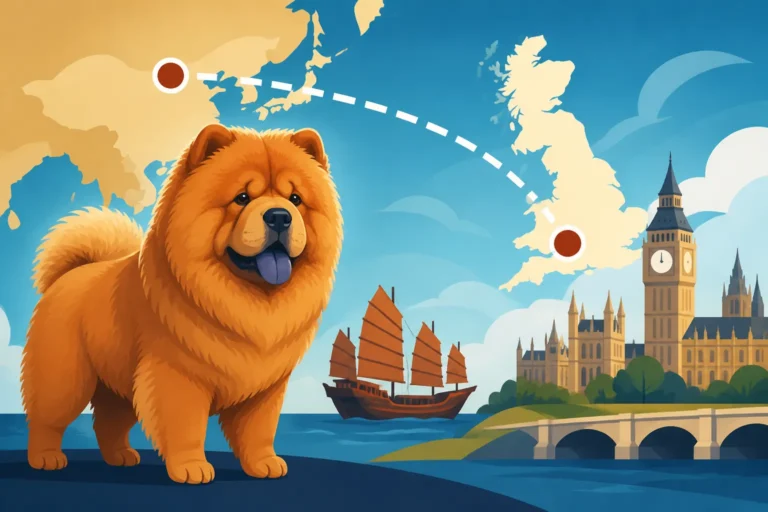
The Chow Chow first gained significant traction in the Western world, particularly in England, after it was introduced in the late 18th century. However, its real surge in popularity came during the Victorian era, largely thanks to Queen Victoria herself owning one. This royal endorsement catapulted the breed into the public eye, making it a status symbol among the elite. Later, in the 1920s and 1930s in America, the Chow Chow experienced another boom. Its regal appearance, distinctive blue-black tongue, and lion-like mane captured the imagination of many, including celebrities and notable figures like President Calvin Coolidge, who owned two Chow Chows, Timmy and Blackberry. This era marked a time when the Chow Chow was a highly sought-after companion, often seen as a fashionable and exotic choice. Its unique look and somewhat aloof demeanor contributed to an air of mystique that many found incredibly appealing, placing it quite high on the popularity scale during these decades.
The Decline Over Decades
Following its peak, the Chow Chow's AKC registration numbers gradually began to decline. Several factors contributed to this shift. As society evolved, many people sought dogs that were more overtly demonstrative, highly trainable, and easily integrated into busy family lives. The Chow Chow, with its independent spirit and often reserved nature, didn't always fit the mold of the "average family dog" that was becoming increasingly popular. Its need for extensive early socialization and consistent, gentle training also proved challenging for owners unprepared for its distinct personality. Furthermore, increased awareness of certain breed-specific health issues, such as entropion and hip and elbow dysplasia, coupled with the significant grooming demands of its dense double coat, may have deterred some potential owners. These combined elements meant that while still loved by its dedicated enthusiasts, the Chow Chow slowly drifted down the AKC rankings as other breeds rose.
Current Standing
Today, the Chow Chow typically occupies a spot outside the top tier of AKC registration rankings, often hovering somewhere in the middle to lower-middle range. You won't find them in the top 10 or even the top 50 most years. While specific numbers fluctuate annually, they generally sit somewhere between positions 60 and 80, give or take a few spots depending on the year's registrations. This isn't a sign of diminishing quality or love for the breed, but rather a reflection of its niche appeal. Chow Chows are not impulse purchases; they require a committed owner who understands and appreciates their unique traits. Their current standing means they are less common than breeds like the Labrador Retriever or German Shepherd, but far from rare. It often indicates a smaller, more dedicated community of breeders and owners who are deeply passionate about the breed and committed to preserving its distinctive characteristics.
| Popularity Era | Estimated AKC Ranking Range | Key Influences |
|---|---|---|
| Early 1900s | Top 20 – Top 50 | Introduction to US, early interest |
| 1920s – 1930s | Top 5 – Top 10 | Celebrity ownership (Calvin Coolidge), "exotic" appeal |
| Mid-20th Century | Top 15 – Top 30 | Sustained interest, but other breeds rising |
| Late 20th Century | Top 30 – Top 60 | Changing lifestyle preferences, increased health awareness |
| Early 21st Century | Top 60 – Top 80+ | Niche appeal, specific breed requirements |
Factors Influencing Chow Chow AKC Rankings
When a breed's popularity shifts, it's rarely due to a single reason. For the Chow Chow, a combination of inherent traits, the demands of ownership, and evolving perceptions have all played a part in its AKC ranking. Understanding these factors can help prospective owners grasp the commitment involved.
Temperament and Lifestyle Suitability
One of the biggest factors influencing the Chow Chow's ranking is its distinctive temperament. This isn't a Golden Retriever that lives to please and greet every stranger with a wagging tail. Chow Chows are known for being independent, dignified, and often quite aloof, even with their own families. They tend to bond fiercely with one person, tolerating others in the household. This "one-person dog" characteristic, while endearing to their chosen human, can be a challenge for families expecting a universally friendly canine. Their strong protective instincts, combined with their deep-set eyes which limit peripheral vision, mean that early and consistent socialization is absolutely critical to prevent wariness or reactivity towards strangers and other animals. Without proper guidance, their natural reserve can become problematic, leading some owners to feel overwhelmed. Many people seek a dog that is highly social and adaptable to various situations, and the Chow Chow's specific personality simply doesn't fit every lifestyle or family dynamic, which naturally impacts its overall appeal and, consequently, its registration numbers. As I've discussed in How Aloof a Chow Chow Really Is, their nature is often misunderstood.
Health Concerns and Costs
Another significant consideration that impacts the Chow Chow's ranking is the prevalence and potential cost of managing certain breed-specific health issues. Like many purebred dogs, Chow Chows are predisposed to particular conditions. Entropion, where the eyelid rolls inward, causing eyelashes to rub against the cornea, is notoriously common. This often requires corrective surgery, and sometimes even two rounds of it, a cost every owner should be prepared for. The Entropion Surgery Every Chow Chow Owner Should Budget For delves into this. Beyond eye issues, hip and elbow dysplasia are concerns for which responsible breeders should always test. Autoimmune diseases, thyroid issues, and a susceptibility to overheating due to their dense double coat are also part of the health landscape. These potential health challenges translate into significant veterinary bills over a dog's lifetime, which can be a deterrent for many potential owners looking for a lower-maintenance companion. The financial and emotional investment in a Chow Chow's health is substantial, a reality that impacts a breed's overall market demand.
Grooming Demands
Just looking at a Chow Chow, you can tell their magnificent double coat isn't going to be a walk in the park to maintain. Their famous lion-like mane, particularly in the rough-coated variety, requires consistent and thorough grooming to prevent matting and skin issues. This isn't just a seasonal chore; it's a weekly, sometimes daily, commitment. They shed heavily, especially during their twice-yearly "coat blows" when they lose most of their undercoat. Owners need to invest in quality grooming tools – slicker brushes, undercoat rakes, and a high-velocity dryer – or budget for regular professional grooming appointments, which can be costly due to the breed's size, coat density, and sometimes wary temperament. Shaving a Chow Chow, a common misconception, is actually detrimental to their coat's insulating properties and can lead to skin problems. For many busy families, the time and expense involved in maintaining a Chow Chow's coat are simply too much, making breeds with easier grooming routines more appealing. For more on this, check out Rough or Smooth: the Two Chow Chow Coats and What Each Needs. You can find a wide range of specialized grooming tools, from sturdy undercoat rakes to powerful high-velocity dryers, readily available from retailers like Chewy.
Breeding Practices and Availability
The nature of Chow Chow breeding itself also plays a role in their AKC ranking. Responsible Chow Chow breeders, those committed to the health, temperament, and preservation of the breed, typically do not produce a high volume of puppies. They focus on quality over quantity, carefully screening breeding pairs for genetic health conditions like entropion, hip and elbow dysplasia, and thyroid issues. What a Chow Chow Breeder Should Have Tested covers these critical assessments. This means litters are often infrequent, and prospective owners may need to wait for a puppy from a reputable source. The demand for Chow Chows isn't as high as for, say, a Labrador, so breeders don't feel pressure to produce as many puppies, which keeps registration numbers lower. In contrast, breeds with very high demand often see an influx of less scrupulous breeders who prioritize profit, leading to higher registration numbers but sometimes at the expense of health and temperament. The Chow Chow's lower ranking, therefore, can partly reflect a more controlled and responsible breeding landscape.
Comparing the Chow Chow to Other Breeds
To truly appreciate the Chow Chow's unique position in the canine world, it helps to compare it to breeds at different ends of the popularity spectrum. This comparison highlights not only what makes a breed popular but also what sets the Chow Chow apart.
Comparing with Top 10 Breeds
When you look at the AKC's top 10 most popular breeds—think Labrador Retrievers, Golden Retrievers, German Shepherds, Poodles—you'll notice a common thread: they are generally eager-to-please, highly trainable, and renowned for their adaptability and friendly dispositions. Labs and Goldens, for example, are often described as quintessential family dogs, known for their patience with children and their affable nature towards strangers. German Shepherds excel as working dogs, eager to learn and incredibly loyal. These breeds thrive on human interaction, often following their owners from room to room, and generally possess a strong desire to be involved in family activities.
The Chow Chow, by contrast, possesses a more independent and discerning personality. While deeply loyal to its chosen person, it's not typically the dog that greets every visitor with a joyous leap or demands constant petting. Its reserved nature, coupled with a strong protective instinct, means it requires an owner who understands and respects its boundaries, and who is prepared for consistent socialization and training. The physical demands also differ; many top breeds are high-energy and require significant exercise, whereas a Chow Chow is content with moderate activity. This distinct difference in temperament and the level of engagement desired by most modern families is a major reason why the Chow Chow doesn't climb into the top ranks.
Comparing with Similar "Ancient" Breeds
It's also insightful to compare the Chow Chow to other ancient breeds or those of similar Asian spitz heritage, such as the Akita, Shiba Inu, or Shar Pei. These breeds often share some common characteristics with the Chow Chow: a strong will, independence, a formidable appearance, and a degree of aloofness. For example, the Akita, though larger, also commands respect and forms strong bonds with its family while being reserved with outsiders. How a Chow Chow Differs From an Akita explores this further. The Shar Pei, another ancient Chinese breed, shares the Chow Chow's distinctive appearance and often a similar protective, one-person mentality, as mentioned in How a Chow Chow Differs From a Shar Pei.
These breeds often hover in similar mid-to-lower popularity ranges as the Chow Chow. They appeal to a specific kind of owner—one who appreciates a dog with character, who isn't necessarily looking for a universally friendly companion, and who is prepared for the unique challenges these breeds present. While they might never reach the popularity of a Labrador, their distinct appeal ensures they maintain a loyal following. The fact that these "niche" breeds share similar popularity trends suggests that their inherent traits—their independence, protective instincts, and sometimes challenging trainability—are key factors in their market positioning.
The Appeal of Niche Breeds
For many devoted Chow Chow owners, the breed's lower AKC ranking isn't a drawback; it's part of the appeal. Owning a niche breed often means being part of a smaller, more dedicated community. These owners aren't looking for the most popular dog; they're looking for the right dog for them. They appreciate the Chow Chow's unique history, its dignified demeanor, its striking appearance, and its profound loyalty to its chosen family members.
Niche breeds often require more research and a deeper understanding of breed-specific traits, which tends to filter out impulse buyers. This means that owners who commit to a Chow Chow are often more dedicated, better prepared, and more willing to put in the effort required for training, socialization, and grooming. While popular breeds might be readily available and fit into many households, niche breeds like the Chow Chow offer a distinctive companionship that is highly valued by those who truly "get" them. It's about finding a dog that resonates with one's personal preferences and lifestyle, rather than simply following trends.
What the Rankings Mean for Prospective Owners
For someone considering bringing a Chow Chow into their home, the breed's position in the AKC rankings offers some valuable insights, not about their worth, but about the realities of ownership. It affects everything from how you find a puppy to the specific challenges you might encounter.
Finding a Reputable Breeder
Because Chow Chows aren't mass-produced, finding a truly reputable breeder becomes even more critical. A lower AKC ranking generally means fewer breeders, which, while reducing the chance of encountering puppy mills, also means you'll need to do more diligent research. You won't find a dozen Chow Chow breeders on every street corner. Instead, you'll likely need to search through breed clubs, attend dog shows, and be prepared to travel or wait for a suitable litter. A reputable breeder will be transparent about health testing, provide detailed information about their dogs' pedigrees, and be just as interested in vetting you as you are in vetting them. They understand the breed's unique needs and temperament, and they want to ensure their puppies go to forever homes that are a good fit. This process may take longer than simply buying from an online ad, but it’s crucial for the health and temperament of your future companion. What a Chow Chow Breeder Should Have Tested can give you an idea of the questions to ask.
Understanding Breed-Specific Challenges
The Chow Chow's lower ranking also serves as a subtle reminder that this isn't a breed for everyone, particularly first-time dog owners. It underscores the need to thoroughly understand their specific requirements and potential challenges before committing. Their independent nature, combined with their strong protective instincts and sometimes aloof demeanor, means they require consistent, positive training and extensive early socialization. They are not dogs that will tolerate being pushed around or having their boundaries ignored. Owners must be prepared for the significant grooming demands of their dense double coat and vigilant about breed-specific health concerns like entropion and heat intolerance. Heat Is the Chow Chow's Most Immediate Danger is a must-read for any Chow Chow owner. The rankings indirectly highlight that the Chow Chow needs an owner who is knowledgeable, patient, and committed to addressing these unique needs, rather than expecting a generic "dog" experience. As detailed in Whether a Chow Chow Suits a First Time Owner, their specific personality traits require thoughtful consideration.
The Impact on Rescue Efforts
While reputable breeders are essential for preserving the breed, the realities of ownership, sometimes exacerbated by misconceptions or unprepared owners, mean that Chow Chows do occasionally end up in rescue. A lower overall AKC ranking, while indicating fewer new registrations, doesn't mean there aren't Chows in need of new homes. Often, these are adult dogs whose previous owners underestimated their needs or couldn't commit to their grooming or training requirements. Rescue organizations specializing in the breed play a vital role in providing a safety net for these dogs. Adopting a Chow Chow from rescue can be a incredibly rewarding experience, offering a second chance to a dog who deserves a loving home. However, it also means rescue dogs might come with unknown histories or require additional behavioral support, highlighting the importance of thorough evaluation by the rescue organization and ongoing commitment from the adopter. Organizations like Chow Chow rescues often provide extensive support and resources for new owners, helping them navigate the unique aspects of the breed. You can also explore options for older dogs through rescue organizations listed on sites like Chewy Petfinder. If you're considering this path, Adopting a Chow Chow From Rescue has some helpful advice.
The Future of the Chow Chow's Popularity
What does the future hold for the Chow Chow's standing in the AKC rankings? While predicting exact numbers is impossible, we can consider trends and underlying factors to get a sense of its likely trajectory.
Stability vs. Fluctuation
It's highly probable that the Chow Chow will maintain its current status as a more niche breed, holding a relatively stable position outside the top 50 or 60 in the AKC rankings. Significant fluctuations are unlikely unless there's a dramatic shift in public perception or breeding practices. The very traits that make the Chow Chow so distinctive—its independence, reserved nature, and specific grooming requirements—are also the reasons it doesn't appeal to the broadest segment of the dog-owning public. These characteristics are fundamental to the breed's identity, and responsible breeders are committed to preserving them, not altering them to fit changing fads. Therefore, while there might be minor ups and downs from year to year, a sudden surge into the top ranks or a drastic drop into rarity seems improbable. The Chow Chow will likely remain a beloved companion for those who truly appreciate its unique charms, rather than becoming a widespread household name.
The Role of Media and Culture
While the Chow Chow's innate qualities are the primary drivers of its popularity, media representation and cultural trends can certainly influence public interest, even for niche breeds. A prominent appearance in a popular movie, a celebrity endorsement (much like Queen Victoria's impact centuries ago), or even a strong social media presence of a well-behaved, charming Chow Chow could spark renewed interest. We’ve seen how breeds can experience temporary boosts in popularity due to such exposure. However, for a breed like the Chow Chow, any such surge is often tempered by the reality of its unique needs. New owners drawn by an image might quickly realize the commitment involved, leading to a natural adjustment in demand. True, sustainable growth in popularity for the Chow Chow would likely come from an increased understanding and appreciation of its unique personality and proper care, rather than fleeting trends.
The Enduring Appeal of the Chow Chow
Despite its mid-range AKC ranking, the Chow Chow continues to captivate a devoted following around the world. For those who understand and cherish its distinct qualities, the Chow Chow is more than just a pet; it's a dignified companion, a loyal guardian, and a source of quiet joy. Its ancient lineage, striking appearance, and profound bond with its chosen person create an appeal that transcends fleeting popularity contests. Chow Chow enthusiasts appreciate their independence, their discerning nature, and the deep, unspoken understanding they often share with their human. The breed's unique "scowl" and lion-like mane are iconic, instantly recognizable, and truly magnificent. For these dedicated owners, the fact that the Chow Chow isn't the most common dog is often a point of pride, reinforcing its special, almost legendary status. The lifetime cost of owning one, as explored in What a Chow Chow Costs Over Its Lifetime, is a testament to the commitment of its fans. This enduring, deep-seated appeal ensures that even if the Chow Chow never tops the AKC charts again, it will always hold a special place in the hearts of those who truly love this magnificent breed.
Disclaimer
This article is for general informational purposes only and does not constitute professional advice. Laws, prices and regulations vary by location and change over time. Consult a qualified professional for guidance on your specific situation.