Which Chow Chow Coat Is Easier to Keep
One of the most common questions I get from folks thinking about bringing a Chow Chow into their lives is about their coat. You see those magnificent fluffy lions and the equally striking, yet less voluminous, smooth-coated Chows, and it's natural to wonder: which one is going to be easier to manage? It's a valid concern, because while both are absolutely gorgeous, the truth is, neither coat type is truly "easy" in the way some other breeds might be. This guide will help you understand the real differences in grooming demands and set realistic expectations for caring for either a rough or a smooth Chow Chow.
Understanding the Two Chow Chow Coat Types
Before we dive into the nitty-gritty of grooming, let's get clear on what distinguishes the two coat varieties of the Chow Chow. It's not just a matter of aesthetics; these differences directly impact the time and effort you'll invest in their care. Many people assume "smooth" means no shedding or no work, and that's just not the reality for this breed.
The Majestic Rough Coat
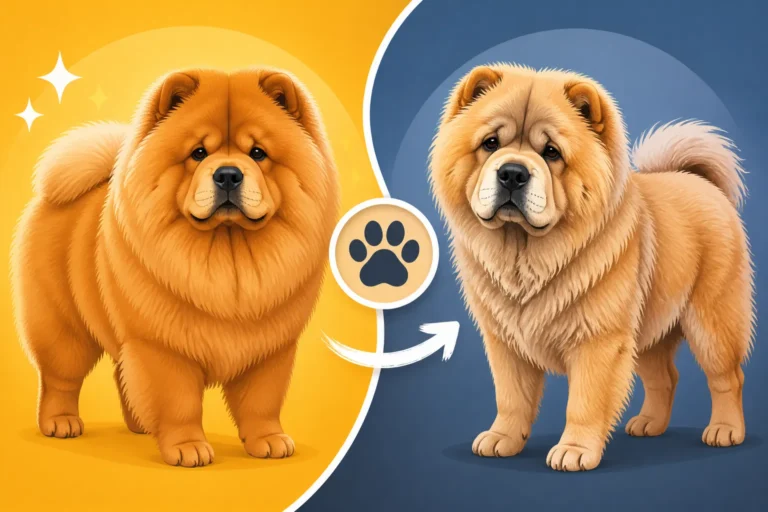
Ah, the rough coat! This is the image that most often springs to mind when you hear "Chow Chow." We're talking about that incredible, dense, and abundant coat that gives them their lion-like appearance. It's characterized by a thick, stand-off outer coat, and an even denser, softer undercoat. The hair is notably longer around the head and neck, forming that impressive ruff or mane, and it creates lovely feathering on the legs and a magnificent plume on the tail.
The sheer volume of a rough coat is breathtaking, but it's also a double-edged sword. This coat offers incredible insulation against both cold and heat (yes, heat too, as it protects from sunburn and helps regulate body temperature, if well-maintained). However, its density and length mean it's a magnet for debris, prone to matting, and requires constant, diligent attention. New owners often underestimate just how much actual hair there is and how deep it goes.
The Sleek Smooth Coat
Then there's the smooth coat, equally beautiful but with a different kind of elegance. While still a double coat, the smooth variety has a much shorter outer coat, giving the dog a sleeker, more streamlined silhouette. There's no dramatic ruff or feathering, and the tail plume is far less pronounced. To the untrained eye, a smooth-coated Chow might almost look like a different breed, or perhaps a Chow mix, but they are purebred and carry all the classic Chow Chow traits, just with a "less is more" approach to their fur.
It's crucial to understand that "smooth" does not mean "single-coated" or "non-shedding." They still possess that vital undercoat, albeit a bit shorter, which means they still shed, and they still require regular grooming. The visual impact is softer, less flamboyant than their rough-coated counterparts, but they still have a dignity and a quiet charm that is all their own.
The Common Misconception: "Easy"
Let's address the elephant in the room: the idea that either of these coats is "easy" to keep. It's a common misconception, especially with the smooth coat, that you can just brush it occasionally and be done. This is simply not true. Chow Chows, regardless of coat type, are heavy-coated breeds with incredibly dense double coats. This means they are designed to protect against harsh elements, and that protection comes with significant maintenance responsibilities.
Compared to a Labrador Retriever's wash-and-go coat or a Boxer's minimal grooming needs, both rough and smooth Chow Chows require a substantial time commitment. If you're looking for a low-maintenance grooming routine, a Chow Chow might not be the right fit. The "easier" coat is merely "less demanding," not "easy." Expect to devote time and effort to their grooming, no matter which beautiful coat type you choose.
Grooming Demands of the Rough Coated Chow Chow
Caring for a rough-coated Chow Chow is truly a labor of love, a commitment that goes beyond a quick brush and a pat. This magnificent coat, while stunning, is a full-time job.
Daily Brushing: A Non-Negotiable Ritual
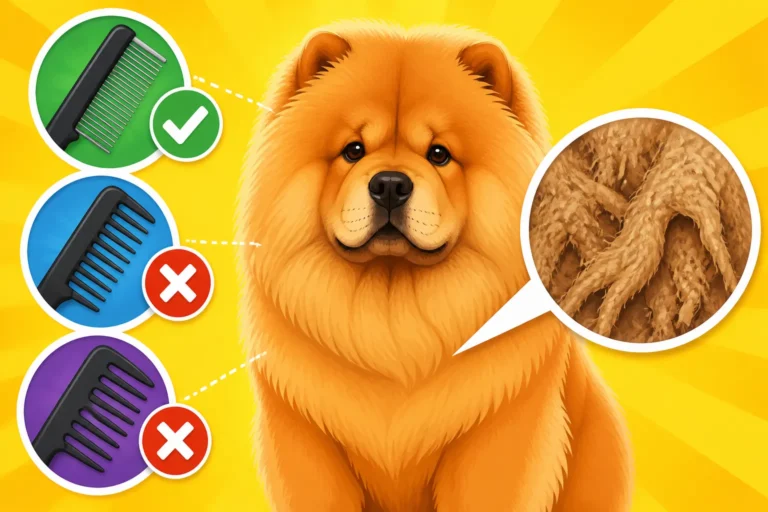
For a rough-coated Chow Chow, daily brushing isn't just a recommendation; it's absolutely non-negotiable. If you neglect this, even for a couple of days, you're going to face a battle with mats and tangles that can quickly become painful for your dog. You need a specific arsenal of tools to tackle this dense fur: a good quality slicker brush, a long-toothed pin brush, and most importantly, an undercoat rake and a metal comb that can reach all the way to the skin. You can find these essential tools readily available on sites like Amazon or Chewy.
The technique for a rough coat is called "line brushing." This involves parting the fur down to the skin, holding the top layers up, and brushing the undercoat out in small sections, layer by layer. It's meticulous work, and it’s physically demanding. You'll need to pay extra attention to areas prone to matting, such as behind the ears, in the armpits, on the insides of the legs, under the collar, and the "britches" (the long fur on the hindquarters). These spots tend to get tangled easily due to friction and moisture. Neglecting these areas means mats will form, which can pull at the skin, cause discomfort, and even lead to skin infections if left untended. How Long Brushing a Rough Chow Chow Takes can easily stretch into a 30-60 minute session, depending on the dog and how recently they've been brushed.
The Infamous "Coat Blow"
Twice a year, usually in spring and fall, your rough-coated Chow Chow will undergo what's affectionately known as a "coat blow." This isn't just regular shedding; it's an event. During a coat blow, your Chow will shed vast quantities of their dense undercoat to prepare for the upcoming season. Imagine a snowstorm of fur, but indoors. This period can last for several weeks, and during this time, your daily brushing routine will become even more intensive. The Twice a Year a Chow Chow Blows Its Coat requires not just more frequent brushing, but often longer, more thorough sessions, sometimes twice a day.
The purpose of a coat blow is to get rid of dead undercoat that would otherwise trap moisture against the skin, leading to hot spots or skin irritation. It also makes way for the new, appropriate coat for the season. Using a high-velocity dryer during this time, perhaps one you ordered from Amazon, can be incredibly helpful in blasting out loose fur quickly, but it still requires patience and a tolerant dog. If you don't keep up with the coat blow, the dead undercoat will compact and form huge, felt-like mats close to the skin, which can only be removed by shaving, a practice generally discouraged for Chows as it can permanently damage their coat.
Professional Grooming and Bathing
While you can certainly bathe a rough-coated Chow Chow at home, many owners find it to be a Herculean task, making professional grooming a necessity. The sheer volume and density of their coat mean that getting them thoroughly wet, shampooing down to the skin, and then, most crucially, drying them completely is a huge undertaking. How Long a Chow Chow Takes to Dry can easily be several hours, even with professional-grade dryers. If the undercoat isn't dried completely, it can become a breeding ground for bacteria and fungus, leading to nasty skin issues.
Professional groomers have the specialized equipment, experience, and often the patience required to handle a rough Chow's extensive coat. They use powerful high-velocity dryers, specialized shampoos and conditioners, and know how to work through the thick fur without causing discomfort. However, this expertise comes at a cost. What a Groomer Charges for a Rough Coated Chow Chow is typically significantly higher than for other breeds, not just because of the time involved, but also due to the skill and specialized handling required for their temperament and dense coat. Finding a groomer experienced with Chows is paramount, as not all salons are equipped or willing to take on the challenge.
Grooming Demands of the Smooth Coated Chow Chow
While the smooth-coated Chow Chow doesn't have the same visual drama as their rough-coated cousins, it's a mistake to think their grooming needs are minimal. They still possess that signature dense double coat, just in a more compact package.
Regular Brushing: Still Essential
Yes, even a smooth-coated Chow Chow needs regular brushing. While you might not face the same intense daily battle against mats that rough coat owners do, consistent brushing is still essential to manage shedding, distribute natural oils, and maintain skin health. Think of it as preventative care. A good quality pin brush, a slicker brush, and an undercoat rake (perhaps a smaller version than for a rough coat) are still key tools in your grooming kit. You can easily stock up on these essentials from pet supply retailers like Chewy.
The shorter length means you don't necessarily have to do full "line brushing" every single day, but thoroughly brushing through the coat several times a week, ensuring you reach the undercoat, is vital. This helps remove loose hair and prevents any smaller tangles or compaction of the undercoat, which can still happen, especially in areas like behind the ears or under the legs. How Often a Smooth Coated Chow Chow Needs Brushing might be every few days rather than daily, but consistency is still the name of the game. Don't let the shorter length fool you into thinking you can skip it entirely.
Managing Seasonal Shedding
Just like their rough-coated counterparts, smooth Chow Chows absolutely experience a "coat blow" twice a year. While Whether a Smooth Chow Chow Sheds Less is often debated, the reality is that they do shed a significant amount of undercoat. The difference might be in the type of fur you find. Instead of large clumps of long hair, you might find finer, dense tufts of undercoat throughout your home. The visible impact might seem less, but the volume of hair coming off is still substantial.
During these seasonal shedding periods, you'll need to ramp up your brushing routine to daily sessions. This helps to extract the dead undercoat efficiently, preventing it from accumulating and causing discomfort for your dog. A good undercoat rake and a high-velocity dryer are your best friends during this time. Regular brushing during the coat blow is not just about keeping your house clean; it's crucial for your Chow's skin health, allowing air to circulate and preventing trapped moisture.
Bathing and Drying at Home
Bathing a smooth-coated Chow Chow at home is generally less daunting than bathing a rough coat, simply because there's less hair to soak and work through. However, the principle remains the same: thorough wetting, proper shampooing down to the skin, and, most importantly, complete drying. Even with shorter hair, that dense undercoat can hold a surprising amount of water.
It's absolutely critical that Why a Chow Chow Must Be Dried to the Skin applies equally to smooth coats. Leaving any dampness in the undercoat can quickly lead to skin irritation, hot spots, or fungal infections, especially in warm or humid climates. A powerful pet dryer (which you can purchase from Amazon) is highly recommended. Towel drying alone is rarely sufficient. While the process might take less time than with a rough coat, it's still a significant commitment to ensure your smooth Chow is clean and completely dry after a bath.
Head-to-Head Comparison: Rough vs. Smooth Coat Care
When it comes down to it, deciding between a rough and a smooth-coated Chow Chow often hinges on a realistic assessment of grooming commitment. Let's break down the practical differences.
| Feature | Rough Coated Chow Chow | Smooth Coated Chow Chow |
|---|---|---|
| Brushing Frequency | Daily (30-60 min), more during coat blow | Every 2-3 days (15-30 min), daily during coat blow |
| Matting Risk | High (ears, armpits, britches, collar area) | Moderate (can still mat, especially if neglected) |
| Tools Needed | Slicker brush, pin brush, undercoat rake, metal comb, high-velocity dryer | Pin brush, slicker brush, undercoat rake, metal comb, high-velocity dryer |
| Bathing Difficulty | High (volume, drying time) | Moderate (less volume, still needs thorough drying) |
| Professional Grooming Need | High (often essential for full service) | Moderate (can be done at home with dedication) |
| Shedding Visibility | Very High (large clumps of long fur) | High (dense tufts of shorter undercoat) |
Time Commitment and Effort
Here's where the most significant difference lies. A rough-coated Chow Chow demands a much higher time commitment for grooming. You're looking at dedicated daily brushing sessions that can easily eat up half an hour to an hour, particularly if you want to keep them tangle-free and healthy. During their bi-annual coat blow, this can double. The physical effort involved in line brushing through such a dense, long coat, ensuring you reach the skin, is considerable. It's a task that builds arm strength!
For a smooth-coated Chow, the daily time commitment for brushing is reduced. You might get away with thorough sessions every two to three days for maintenance, with daily brushing reserved for coat blow periods. The brushing itself is less physically demanding because the hair is shorter, making it easier to navigate down to the skin. However, it's still about consistency. Skipping those shorter, regular sessions can still lead to compacted undercoat and skin issues.
Tool Investment and Grooming Costs
Both coat types require a similar set of essential tools, though the sizes or specific features might vary. For example, a rough coat might benefit from a wider, longer-toothed undercoat rake, whereas a smooth coat might be fine with a slightly smaller one. You'll invest in quality brushes, combs, and ideally, a high-velocity dryer to manage shedding and drying. Many of these tools are available from reputable online pet supply stores like Chewy or Amazon. What Home Grooming Equipment Costs for a Chow Chow is a consideration, as quality tools last longer and perform better.
Where costs truly diverge is in professional grooming. What Professional Grooming Costs for a Chow Chow with a rough coat is invariably higher because of the increased time, effort, and skill required. Groomers charge for their time, and a rough Chow takes significantly longer to bathe, dry, and brush out. Smooth-coated Chows may also benefit from professional grooming for a thorough deshedding treatment or a professional bath and dry, but many dedicated owners can manage their needs at home more effectively, thus reducing the reliance on costly salon visits. If you opt for professional care for a smooth coat, the sessions will likely be shorter and therefore less expensive than for a rough coat.
Shedding Impact in the Home
Let's be blunt: Chow Chows shed. A lot. Regardless of whether they are rough or smooth-coated, you will find Chow Chow fur in your home. It will be on your clothes, your furniture, and somehow, even in your food. Regular grooming helps, but it doesn't eliminate shedding entirely.
With a rough coat, the shedding is often more visible. You'll find larger clumps of long, fluffy fur, especially during a coat blow. These can accumulate quickly, forming "tumbleweeds" of Chow fur rolling across your floors. For the smooth coat, while the hair is shorter, it's still dense, and it can shed just as frequently. The hair itself might be less visually dramatic, but it still settles on surfaces and requires consistent vacuuming and cleaning. Neither coat type is for the impeccably tidy household, but the sheer volume and length of a rough coat's shed often make it feel like more of a constant battle.
Beyond the Coat Type: Universal Chow Chow Grooming Needs
While we've focused on the differences between rough and smooth coats, it's vital to remember that all Chow Chows share certain grooming requirements that are unique to the breed. These needs are non-negotiable for their health and comfort, regardless of their fur length.
Skin Fold Care
Chow Chows are known for their distinctive wrinkles and folds, particularly around their face and muzzle. While these contribute to their charming "scowl," they also create moist, warm pockets where bacteria and yeast can thrive, leading to skin infections. This is true for both rough and smooth Chows. Why a Chow Chow's Face Folds Need Wiping cannot be overstated.
You'll need to regularly inspect and clean these folds with a damp cloth or a pet-safe wipe. Pay close attention to the area around their eyes, as tear stains can also accumulate here. Gently pull the skin taut and wipe away any moisture, debris, or food particles. Ensuring these areas are kept clean and dry is a simple preventative measure that can save you a lot of heartache (and vet bills!) from painful skin irritations.
Nail Trimming and Paw Health
This is an area where all Chow Chows present a unique challenge. Chows are often reserved and can be quite sensitive about having their feet handled. Starting early with positive reinforcement is key to making nail trims a stress-free experience. Their nails grow quickly, and overgrown nails can cause discomfort, pain, and even affect their gait, potentially exacerbating joint issues like elbow dysplasia (What Elbow Dysplasia Does to a Chow Chow). Nails, Feet and a Chow Chow Rear That Will Not Be Touched is a common refrain from Chow owners, so patience and desensitization are paramount.
Whether you use clippers or a dremel, aim to trim their nails every 2-4 weeks. If you're uncomfortable doing it yourself, your vet or groomer can certainly help, but consistent positive exposure at home will make these necessary tasks much easier for everyone involved. Regular paw checks are also important to look for cuts, scrapes, or embedded debris that can become problematic.
Ear and Dental Hygiene
While Chow Chows generally don't have floppy ears that trap excessive moisture, it's still important to regularly check their ears for cleanliness, redness, or any unusual odor, which could indicate an infection. A quick wipe with a vet-approved ear cleaner, if needed, can help keep them healthy.
Dental hygiene is another crucial, often overlooked, aspect of a Chow Chow's overall health. Like all dogs, Chows are prone to dental disease. Brushing their teeth regularly with a dog-specific toothpaste can significantly reduce plaque and tartar buildup, preventing painful infections, tooth loss, and systemic health issues. If daily brushing isn't feasible, dental chews or water additives can help, but nothing replaces manual brushing. Early introduction to dental care, just like nail trims, is key to fostering acceptance.
Making Your Choice and Setting Expectations
Choosing a Chow Chow, whether rough or smooth-coated, is a commitment to a unique and wonderful breed. Understanding their specific needs, especially when it comes to grooming, is a crucial part of being a responsible owner.
Lifestyle Considerations
When deciding between a rough or smooth coat, honestly assess your lifestyle. How much time are you truly willing to dedicate to grooming each week? If the idea of spending 30-60 minutes daily brushing sounds overwhelming, a rough coat might lead to frustration for both you and your dog. A smooth coat offers a slightly more forgiving schedule, but still requires consistent effort. If you travel frequently or have a highly demanding work schedule, consider whether you can consistently meet their grooming needs or budget for regular professional services.
Your climate also plays a role. While their coats are excellent insulators, maintaining a dense coat in a very hot and humid environment can be challenging, requiring meticulous care to prevent skin issues.
Breeder Practices and Coat Type
It's interesting to note that both rough and smooth coat types can actually appear in the same litter. This is because the smooth coat is a recessive trait. A reputable breeder will be able to tell you Whether a Chow Chow Puppy's Coat Type Is Obvious early on, often by around 8 weeks of age, though it becomes more apparent as they grow. Some breeders may price rough and smooth coated puppies differently, often reflecting the perceived demand or grooming requirements.
A responsible breeder will also educate you thoroughly on the grooming needs of both coat types and ensure you're prepared for the commitment. They should be able to show you how to properly brush a Chow Chow, demonstrate ear and nail care, and provide guidance on managing shedding. Never underestimate the importance of choosing a breeder who prioritizes health and temperament, and who is transparent about the demands of the breed.
Love the Chow, Love the Coat
Ultimately, whether you bring home a majestic rough-coated Chow Chow or a sleek, smooth-coated one, you're welcoming a dog with a rich history and a very particular set of needs. While the smooth coat generally demands less intensive daily brushing, it is by no means a "low-maintenance" option. Both types require a significant investment of time, effort, and often financial resources for proper coat care.
The Chow Chow is a dignified, loyal, and sometimes challenging companion. Their coats are a defining feature, and caring for them properly is an integral part of their health and well-being. Embrace the grooming journey, view it as bonding time, and you'll be rewarded with a beautiful, healthy Chow Chow, regardless of their magnificent mane or sleek silhouette.
Disclaimer
This article is for general informational purposes only and does not constitute professional advice. Laws, prices and regulations vary by location and change over time. Consult a qualified professional for guidance on your specific situation.