What Elbow Dysplasia Does to a Chow Chow
The sudden onset of lameness, a subtle stiffness after a long nap, or a reluctant hop instead of a confident stride in your beloved Chow Chow can be incredibly alarming. For many Chow Chow owners, witnessing these signs often leads to a nagging worry that something serious is amiss, especially given their breed's stoic nature which can mask pain. This comprehensive guide is designed to peel back the layers of concern surrounding elbow dysplasia, a common orthopedic challenge in our leonine companions, providing you with a thorough understanding of what this condition entails, its origins, how to spot its elusive symptoms, and the various ways it can be effectively managed to ensure your Chow Chow enjoys the fullest, most comfortable life possible.
Understanding Elbow Dysplasia in Chow Chows
Elbow dysplasia (ED) is not a single disease but rather a complex umbrella term covering several developmental abnormalities that occur in the elbow joint of fast-growing large breed dogs, including our cherished Chow Chows. These abnormalities lead to incongruity or improper formation of the joint, causing pain, lameness, and ultimately, debilitating osteoarthritis. It's a condition that can manifest in various ways, making it particularly challenging to diagnose without a keen eye and expert veterinary assessment.
The Complexities of the Chow Chow Elbow Joint
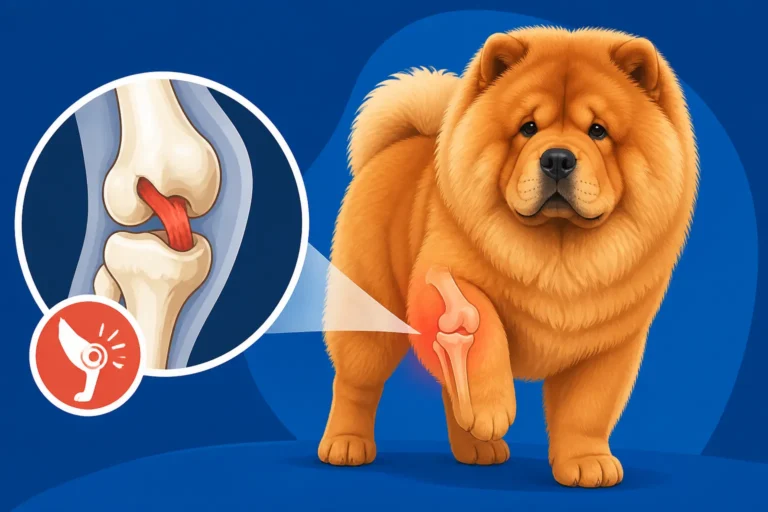
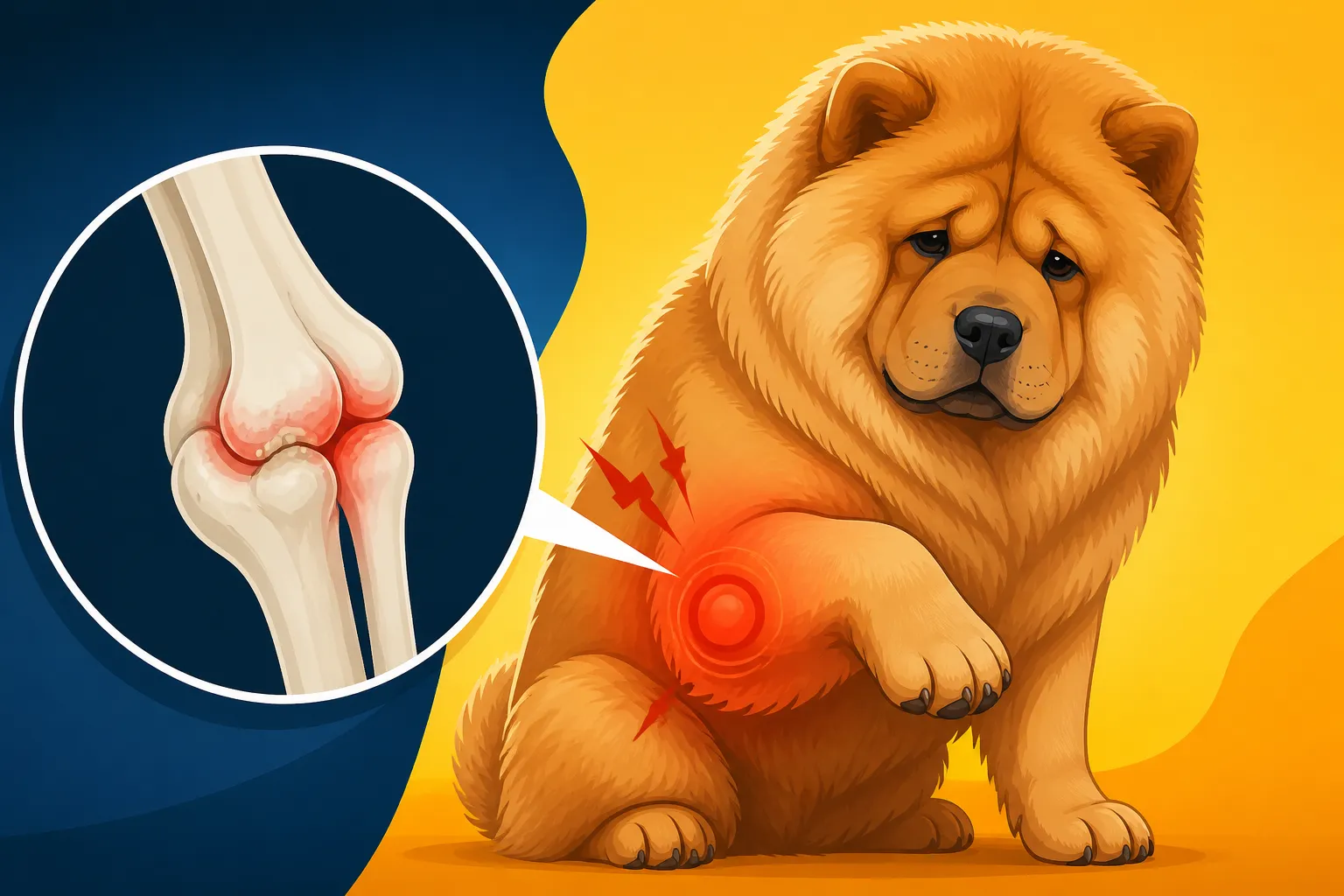
The elbow joint in any dog is a sophisticated hinge connecting three bones: the humerus (upper arm bone), and the radius and ulna (forearm bones). For proper function, these three bones must align perfectly, with cartilage providing a smooth, frictionless surface for movement. In a Chow Chow, just like in other large and rapidly growing breeds, disruptions in the growth plates of these bones during puppyhood can lead to an imperfect fit. Imagine two gears that don't mesh quite right; over time, the constant grinding causes wear and tear, and in the case of a dog's elbow, it leads to inflammation and pain. The deep-set nature of their physical structure and their powerful build can sometimes exacerbate the subtle mechanical stresses on their developing joints.
When the humerus, radius, and ulna don't grow at precisely the same rate or in perfect synchronization, even a tiny millimeter of mismatch can create uneven pressure points within the joint. These abnormal pressures prevent the cartilage from developing properly and cause localized areas of excessive stress. This mechanical stress triggers a cascade of issues, leading to the forms of elbow dysplasia we'll discuss. The Chow Chow's substantial bone structure and often dense muscle mass, while contributing to their impressive appearance, also mean that any underlying joint incongruity is subjected to considerable force during movement, accelerating damage.
The Four Key Forms of Elbow Dysplasia
Elbow dysplasia actually encompasses four primary conditions, which can occur individually or in combination, making each case potentially unique. The first is Fragmented Medial Coronoid Process (FCP), where a small piece of bone from the ulna breaks off, often due to abnormal pressure from the humerus. This fragment can then irritate the joint lining, causing severe pain.
Next, we have Ununited Anconeal Process (UAP), which involves a failure of a specific growth plate on the ulna to fuse properly with the rest of the bone. This typically happens early in a puppy's development, creating an unstable joint. The third form is Osteochondritis Dissecans (OCD) of the humeral condyle, where the cartilage lining the end of the humerus thickens and detaches, forming a painful flap or loose body within the joint. This lesion can be incredibly painful and restrict joint movement significantly.
Finally, Elbow Incongruity refers to the general misalignment of the joint surfaces themselves, which can be caused by discrepancies in bone lengths (e.g., the radius growing faster or slower than the ulna) or abnormal shapes of the joint surfaces. This constant rubbing and uneven weight distribution within the joint inevitably lead to breakdown. Regardless of the specific form, all these conditions contribute to the painful progression of osteoarthritis, a chronic degenerative joint disease.
How Elbow Dysplasia Damages the Joint
The primary way elbow dysplasia wreaks havoc on a Chow Chow's joint is through the relentless process of abnormal wear and tear, which ultimately leads to osteoarthritis. When the joint surfaces don't fit together perfectly, or when bone fragments are present, the smooth, protective articular cartilage begins to erode. This cartilage acts as a cushion and reduces friction, so its deterioration exposes the underlying bone, which is a significant source of pain.
As the body tries to stabilize the unstable or damaged joint, it initiates an inflammatory response and attempts to repair itself by laying down new bone. This results in the formation of osteophytes, or bone spurs, around the edges of the joint. While initially a protective mechanism, these bone spurs actually further restrict the joint's range of motion, increase pain, and perpetuate the cycle of degeneration. Over time, the joint capsule thickens, and the surrounding muscles may atrophy from disuse, further compounding the lameness and stiffness your Chow Chow experiences. The chronic nature of this inflammation and remodeling means that even if the primary lesion is treated, the secondary changes of osteoarthritis often continue to progress throughout the dog's life.
Why Chow Chows are Predisposed to Elbow Dysplasia
It’s truly disheartening to learn that a condition like elbow dysplasia is often inherent to a breed, and Chow Chows, unfortunately, are among those with a higher predisposition. This isn't a reflection of poor care by an owner but rather a complex interplay of genetic factors and the unique developmental characteristics of the breed. Understanding these underlying causes is key to both prevention and early management.
Understanding Heritability in Chows
Elbow dysplasia is considered a polygenic trait, meaning it’s influenced by multiple genes rather than a single gene, which makes eradicating it through breeding particularly challenging. If you’re looking at a Chow Chow, there’s a statistical likelihood based on the breed’s genetics that they carry some genetic markers for ED. While specific gene identification is still an area of ongoing research, it’s widely accepted that genetics play a significant role in how the bones and joints develop during a puppy’s rapid growth phase. This inherited tendency means that even if a Chow Chow appears perfectly healthy, they could still pass on the predisposition to their offspring.
The unfortunate reality is that certain bloodlines within the Chow Chow breed may have a higher incidence of elbow dysplasia due to a concentration of these predisposing genes. This is why thorough research into a puppy’s lineage and the health clearances of its parents is absolutely paramount. It’s not just about what "What Elbow Dysplasia Does to a Chow Chow" in an individual dog, but how the genetic lottery might affect an entire line. Even seemingly healthy parents can carry recessive genes that, when combined, produce offspring with the condition.
The Role of Responsible Breeding and Health Testing
Given the strong genetic component, the most powerful tool we have against elbow dysplasia is responsible breeding practices. This means breeders should be diligently performing health screenings on all breeding stock to minimize the risk of passing on these debilitating conditions. One of the most recognized and reliable methods for this is through the Orthopedic Foundation for Animals (OFA) Elbow Certification program. Breeders submit radiographs (X-rays) of their adult Chows' elbows, which are then evaluated by a panel of board-certified veterinary radiologists. Only dogs with "Normal" elbow scores should be bred.
If you’re considering bringing a Chow Chow into your family, insist on seeing proof of OFA elbow clearances for both parents. Don't just take their word for it; ask for official certificates. This is a non-negotiable step to increase the chances of getting a healthy puppy. You should also be asking "Which Health Tests a Chow Chow Breeder Should Run" beyond just elbows, such as hips and eyes, as responsible breeders go the extra mile. Learning "Where the Chow Chow Ranks in OFA Elbow Scores" can give you an idea of the breed's general challenges, reinforcing the need for careful selection. A breeder who dismisses health testing or claims their dogs don't need it because they 'look fine' is a red flag you should absolutely heed.
Environmental Factors and Growth Rates
While genetics lay the groundwork, environmental factors during a Chow Chow puppy's critical growth period can significantly influence whether elbow dysplasia develops or how severe it becomes. Rapid growth is a known risk factor. Puppies fed high-calorie, high-protein diets designed for ultra-rapid growth can experience bone development that outpaces soft tissue and cartilage development, leading to joint incongruity. This is why it's so important to understand "Why a Chow Chow Puppy Should Grow Slowly" and to feed a high-quality, large-breed puppy food formulated for slow, controlled growth. Overfeeding and excessive weight gain during puppyhood place undue stress on developing joints.
Beyond diet, the type and intensity of exercise a Chow Chow puppy receives also plays a crucial role. While exercise is essential for healthy development, too much high-impact activity—like long runs, jumping repeatedly, or navigating stairs frequently—can put excessive strain on immature joints before their growth plates have closed. For instance, repeatedly allowing a young Chow Chow puppy to navigate stairs or jump off furniture could contribute to micro-traumas in the developing elbow. Understanding "Whether a Chow Chow Puppy Should Climb Stairs" or engage in strenuous play for extended periods is vital. Controlled, moderate exercise on soft surfaces, like short walks and gentle play, is far more beneficial than high-impact activities for puppies.
Recognizing the Signs and Symptoms of Elbow Dysplasia
One of the most frustrating aspects of elbow dysplasia in Chow Chows is their inherent stoicism. These dogs are masters at hiding pain, often to their own detriment. This means that by the time an owner notices obvious lameness, the condition may already be quite advanced. This makes it crucial for Chow Chow parents to be incredibly vigilant and to recognize even the most subtle early warning signs.
Subtle Early Warning Signs in Puppies
For Chow Chow puppies, the signs of elbow dysplasia can be incredibly subtle, often dismissed as normal puppy clumsiness or a momentary misstep. You might notice a slight, intermittent lameness that seems to come and go, particularly after a period of rest or a burst of play. The puppy might favor one leg, even if just for a few steps, or show a reluctance to bear full weight on it. They might also appear stiff when getting up from lying down, taking a few awkward steps before loosening up. Sometimes, a puppy will try to hold its affected limb slightly out from its body when standing, a posture known as "elbows out."
Another telling sign can be a change in their gait. Instead of a smooth, balanced stride, you might observe a "bunny hop" when they run, where both hind legs move together, indicating they are trying to shift weight off their front limbs. They might also be less enthusiastic about playing with other dogs or reluctant to jump or run, preferring gentler activities. If you’re seeing your Chow Chow puppy "Signs a Chow Chow Puppy's Elbows Hurt" in any of these ways, it's not something to dismiss. Early veterinary intervention is paramount, as treatments are often more effective before significant joint damage has occurred. Pay close attention to how they get up after a nap – do they hesitate or seem uncomfortable? This slight discomfort can be an early indicator.
Progressive Lameness and Stiffness in Adults
As a Chow Chow with elbow dysplasia matures, or if the condition goes undiagnosed and untreated, the symptoms typically become more pronounced and persistent. Lameness may become constant, varying in severity but rarely disappearing entirely. This lameness is often exacerbated after exercise or periods of inactivity, a classic sign of osteoarthritis. Many owners report that their Chow Chow is notably stiff and reluctant to move after waking up or "Why a Chow Chow Limps After Rest." They might struggle to climb stairs, jump into the car, or even lie down comfortably. You might notice a decrease in their overall activity level, with less enthusiasm for walks or playtime.
The lameness often progresses to affect both front legs, though one side might be more severely impacted. The dog might shift weight to their hind limbs, leading to a compensatory stance or gait that can further strain other joints. Over time, the muscles in the affected forelimbs may begin to atrophy, making the limb appear thinner. Conversely, the muscles in the shoulders and neck might develop excessively as the dog attempts to compensate for the weakness and pain in the elbows. Palpation of the elbow joint by a vet might elicit pain, and a reduced range of motion, particularly when extending or flexing the elbow, is a common finding.
Behavioral Changes Associated with Pain
Beyond the physical signs, elbow dysplasia can lead to significant behavioral changes in a Chow Chow. A dog in chronic pain, especially one as naturally aloof and stoic as a Chow Chow, might become more irritable, less tolerant of handling, or even show signs of aggression when touched near the affected area. Imagine living with a constant ache; it would naturally impact your mood. Your once playful companion might become withdrawn, preferring to rest alone rather than engage in family activities. They might avoid eye contact or turn their head away if you try to pet their shoulder or chest area.
Owners might also notice subtle changes in sleeping positions, with the dog trying to find a posture that minimizes pressure on the painful elbows. A Chow Chow experiencing chronic discomfort might also exhibit changes in appetite or grooming habits. They might lick excessively at the painful joint, leading to skin irritation or hair loss in that area. If your Chow Chow, which typically handles a certain amount of fussing, suddenly snaps or growls when you try to brush their front legs, or seems uncharacteristically grumpy, it could very well be a sign of underlying pain that requires veterinary attention. Their natural tendency to hide pain makes these behavioral shifts even more important clues.
The Diagnostic Journey for Elbow Dysplasia
If you suspect your Chow Chow might be suffering from elbow dysplasia, getting an accurate diagnosis as early as possible is crucial. This journey typically involves a thorough physical examination, specialized imaging, and sometimes, interpretation by an expert. It can feel like a lot to navigate, especially when your heart aches for your furry friend, but each step is vital to getting them the right care.
The Initial Veterinary Examination
Your first step will be a visit to your regular veterinarian. They will begin with a comprehensive physical examination, which includes observing your Chow Chow's gait, feeling their joints, and assessing their range of motion. The vet will look for signs of lameness, stiffness, swelling, or pain when manipulating the elbow joints. They might ask you to walk your dog, jog them, and perhaps even watch them get up from a lying position. During palpation, the vet will carefully feel around the elbow for any abnormal bone changes, heat, or fluid accumulation.
It's important to remember that Chow Chows are notoriously stoic and can be quite resistant to examination, especially when they are in pain or feel uncomfortable. Their dense coats can also obscure subtle swelling. This makes it even more challenging for the vet to pinpoint the exact source of discomfort. You might even find yourself asking "Why a Chow Chow Is Hard to Examine at the Vet," which often means they'll need patience and a gentle approach, sometimes even mild sedation, to get a thorough assessment. Be prepared to provide a detailed history of your Chow Chow's symptoms, including when they started, what makes them better or worse, and any changes in their behavior or activity levels.
Radiographs and Specialized Imaging
If the initial examination raises suspicions of elbow dysplasia, the next step is typically radiographs (X-rays). Standard elbow X-rays are usually taken in several specific views to capture all the different components of the joint. These images allow the veterinarian to look for signs of incongruity, bone fragments (like FCP or UAP), cartilage lesions (OCD), and early signs of osteoarthritis such as bone spurs. For the most accurate assessment, these X-rays are often performed under sedation, as it allows the veterinary team to position your Chow Chow precisely without discomfort, ensuring clear, diagnostic images.
The timing of these X-rays is also important. For official OFA certification, dogs must be at least 24 months old. However, if your Chow Chow puppy is showing symptoms, X-rays can be taken much earlier to guide immediate treatment, often around 4-6 months of age. You might be wondering "When a Chow Chow's Elbows Should Be X Rayed," and the answer is usually as soon as symptoms appear, to prevent further damage. In some cases, especially if X-rays are inconclusive or surgery is being considered, your vet might recommend more advanced imaging techniques like a CT scan (Computed Tomography) or an MRI (Magnetic Resonance Imaging). These provide a much more detailed, three-dimensional view of the joint, which can be invaluable for pinpointing specific lesions and planning surgical interventions.
Interpreting the OFA Scores
Once the radiographs are taken, they are often sent to a specialist, such as the Orthopedic Foundation for Animals (OFA), for official grading. The OFA provides a standardized scoring system for elbow dysplasia, classifying elbows as Normal, Grade I, Grade II, or Grade III. A "Normal" score means no evidence of elbow dysplasia was found. Grade I indicates mild elbow dysplasia, Grade II moderate, and Grade III severe. These grades are crucial for breeders in selecting appropriate breeding stock.
For an owner, understanding these scores helps to confirm the diagnosis and gives an indication of the severity of the condition. It’s important to note that a dog can have clinical signs of pain even with a lower grade of dysplasia, or conversely, a high-grade score on X-rays without showing severe outward symptoms, especially in a stoic breed like the Chow Chow. The OFA score helps guide treatment decisions, particularly in cases where surgery might be an option. Knowing "Where the Chow Chow Ranks in OFA Elbow Scores" can also provide context regarding the breed's general susceptibility. While a specific diagnosis can be upsetting, it’s the vital first step toward developing an effective management plan for your Chow Chow.
Managing and Treating Elbow Dysplasia in Chow Chows
Once your Chow Chow has been diagnosed with elbow dysplasia, the focus shifts to management and treatment. This isn't a one-size-fits-all situation; the best approach depends on the severity of the dysplasia, your dog's age, overall health, and your family's lifestyle. It's often a lifelong journey, but with dedication, you can significantly improve your Chow Chow's comfort and quality of life.
Conservative Management Strategies
For many Chow Chows with mild to moderate elbow dysplasia, especially those where surgery isn't an option or is deemed too invasive, conservative management is the first line of defense. The cornerstone of conservative treatment is weight control. Excess weight places immense additional strain on already compromised joints, accelerating cartilage damage and increasing pain. Working with your vet to achieve and maintain an ideal body weight is paramount. It's essential to ensure you're "Keeping a Chow Chow at the Weight Its Elbows Can Carry."
Next, controlled exercise modification is key. This means avoiding high-impact activities like jumping, running on hard surfaces, or prolonged strenuous play. Instead, focus on short, frequent walks on soft ground, gentle swimming, or controlled leash walks. Nutritional supplements can also play a vital role. Glucosamine, chondroitin, and omega-3 fatty acids (like fish oil) are commonly recommended for their anti-inflammatory and cartilage-protective properties. These supplements help support joint health and can reduce discomfort. Additionally, your veterinarian may prescribe non-steroidal anti-inflammatory drugs (NSAIDs) during flare-ups or for long-term pain management, as well as other pain medications. These medications, while effective, can be expensive, and having robust pet insurance like Healthy Paws can be a real blessing in covering these ongoing prescription costs.
Surgical Interventions and Their Goals
When conservative management isn't sufficient, or if the dysplasia is severe and causing significant pain, surgical intervention may be recommended. The goal of surgery is typically to address the underlying anatomical problem, remove painful fragments, reduce joint incongruity, or slow the progression of osteoarthritis. One common procedure is arthroscopy, a minimally invasive technique where a small camera and instruments are inserted into the joint to remove fragments (like FCP or OCD lesions) and smooth rough cartilage surfaces. This often leads to quicker recovery times than traditional open surgery.
Other surgical options include osteotomies, where bones are cut and repositioned to improve joint alignment, such as a Proximal Ulna Osteotomy (PUO) for elbow incongruity or a Sliding Humeral Osteotomy (SHO) for UAP. In very severe, end-stage cases with debilitating osteoarthritis, a total elbow replacement might be considered, though this is a highly specialized and complex procedure not widely available. It's an important discussion to have with your veterinary orthopedic specialist to understand the potential benefits, risks, and recovery associated with each option. While surgery can offer significant relief, it’s not a magic bullet and often requires substantial recovery and rehabilitation. It's also worth noting that "What Elbow Surgery Costs on a Chow Chow" can be considerable, making financial planning or pet insurance a crucial consideration.
Rehabilitation and Long-Term Care
Regardless of whether your Chow Chow undergoes surgery or is managed conservatively, rehabilitation and long-term care are absolutely essential for their comfort and mobility. Physical therapy is paramount and might include therapeutic exercises, range of motion drills, massage, and modalities like cold laser therapy or therapeutic ultrasound. Hydrotherapy (swimming or underwater treadmill) is particularly beneficial as it allows for low-impact exercise, strengthening muscles without stressing the joints. These ongoing therapies help improve muscle strength, joint flexibility, and overall comfort.
Long-term care for a Chow Chow with elbow dysplasia is a commitment. It involves regular veterinary check-ups to monitor the progression of osteoarthritis and adjust pain management as needed. Your vet might recommend periodic X-rays to assess joint changes. Your Chow Chow will likely require continued joint supplements, and possibly ongoing pain medication or anti-inflammatories, often for the rest of their life. This is where pet insurance, such as a plan from Healthy Paws, can really alleviate the financial burden of chronic condition management, covering aspects like ongoing physical therapy sessions and specialized medications. The aim is to create a comprehensive, individualized plan that keeps your Chow Chow as active and pain-free as possible.
Living with a Chow Chow Affected by Elbow Dysplasia
Discovering your Chow Chow has elbow dysplasia can feel overwhelming, but with the right adjustments and unwavering dedication, these magnificent dogs can still lead full and happy lives. It's about adapting their environment and routines to support their joint health and ensure their comfort day in and day out.
Daily Life Adjustments and Exercise Modifications
Adjusting your Chow Chow's daily life is probably one of the most impactful things you can do. The key is controlled, low-impact exercise. Instead of long, strenuous hikes or rough play that involves sudden stops and starts, opt for several shorter, gentle walks on soft, even surfaces like grass. Avoid activities that encourage jumping, such as fetching balls thrown high, or navigating stairs frequently. Consider ramps for getting into cars or onto furniture, reducing the strain on their elbows. Think about "How a Chow Chow's Gait Wears Its Joints" – a stilted or painful gait will only exacerbate the issue, so modifications are essential.
Inside the home, provide comfortable, orthopedic beds that support their joints and help them get up more easily. Ensure their eating and drinking bowls are raised to a comfortable height, so they don't have to put extra strain on their front limbs to reach them. Keep floors carpeted or use non-slip rugs, especially in high-traffic areas, to prevent slips and falls that could cause further injury. During colder months, ensure your Chow Chow stays warm, as cold and damp weather can often worsen joint pain. These seemingly small changes accumulate into a significant improvement in their comfort.
Pain Management and Supportive Therapies
Living with elbow dysplasia means actively managing pain throughout your Chow Chow’s life. This often involves a multi-modal approach. Your veterinarian will likely prescribe a combination of medications, which may include NSAIDs, gabapentin for neuropathic pain, or other pain relievers. These medications are not a cure, but they are vital for keeping your dog comfortable and maintaining their mobility. Close monitoring and regular communication with your vet are crucial to adjust dosages and combinations as needed. Remember that "The Age a Chow Chow Gets Arthritis" can vary, but once it starts, it's often a lifelong condition.
Beyond medication, various supportive therapies can greatly enhance your Chow Chow's quality of life. Acupuncture, for example, can be very effective in managing chronic pain and inflammation, providing relief without the side effects of long-term medication use. Cold laser therapy can also reduce pain and inflammation and accelerate tissue healing. Regular massage, either performed by a professional or taught to you by a therapist, can improve circulation and reduce muscle tension around the affected joints. Hydrotherapy, as mentioned before, remains an excellent option for building muscle strength without joint impact. These ongoing treatments can certainly add up, and having reliable pet insurance, like Healthy Paws, which often covers these types of alternative and rehabilitative therapies, can make a huge difference in your ability to provide consistent care. As your Chow Chow ages, you’ll be looking at "How an Aging Chow Chow Stiffens" and adapting these treatments further.
Ensuring a Good Quality of Life
Ultimately, the goal is to ensure your Chow Chow maintains a good quality of life despite their elbow dysplasia. This means not only managing their physical discomfort but also nurturing their mental and emotional well-being. A dog in pain can become bored and depressed if their activity is too restricted. Find alternative ways to provide mental stimulation, such as puzzle toys, scent work, or short, gentle training sessions that don't put strain on their joints. Keep them engaged and part of the family, even if their physical activities are limited.
Regular grooming is also important, not just for their coat but as an opportunity to gently check their joints and muscles for new tenderness or swelling. Many Chow Chows are quite sensitive to handling, so gentle, positive reinforcement grooming sessions are key. Remember that a comfortable, loving home environment, paired with consistent medical management and appropriate lifestyle adjustments, can allow your Chow Chow to thrive. Even with a chronic condition like elbow dysplasia, your dedication to their care means they can enjoy many happy, comfortable years by your side.
Elbow Dysplasia Treatment Comparison
| Feature | Conservative Management | Surgical Intervention |
|---|---|---|
| Primary Goal | Pain relief, slow progression of osteoarthritis, maintain function | Correct anatomical defect, remove painful fragments, reduce incongruity |
| Methods | Weight control, controlled exercise, supplements, NSAIDs, pain medication, physical therapy, acupuncture, cold laser therapy | Arthroscopy (FCP, OCD removal), Osteotomies (UAP, incongruity correction), Total Elbow Replacement (severe cases) |
| Cost | Ongoing, includes medication, supplements, therapy sessions (can be covered by pet insurance like Healthy Paws) | Significant upfront cost for surgery, anesthesia, hospitalization, post-op care, followed by rehab and ongoing conservative management |
| Recovery Time | Variable, ongoing; adjustments for life | Weeks to months, often involves strict rest, gradual return to activity, followed by lifelong management |
| Invasiveness | Non-invasive | Invasive (minimally invasive for arthroscopy) |
| Best For | Mild to moderate cases, older dogs, or when surgery is not an option | Younger dogs with specific lesions, severe cases, or when conservative fails |
| Potential Outcomes | Improved comfort, slowed progression of arthritis, managed lameness | Resolution of primary issue, significant pain reduction, improved function; arthritis often still progresses |
Disclaimer
This article is intended for informational purposes only and does not constitute veterinary advice. Always consult with a qualified veterinarian for any health concerns or before making any decisions about your pet's medical care. The information provided here is not a substitute for professional veterinary examination, diagnosis, or treatment.