How Often a Chow Chow Loses the Second Eye
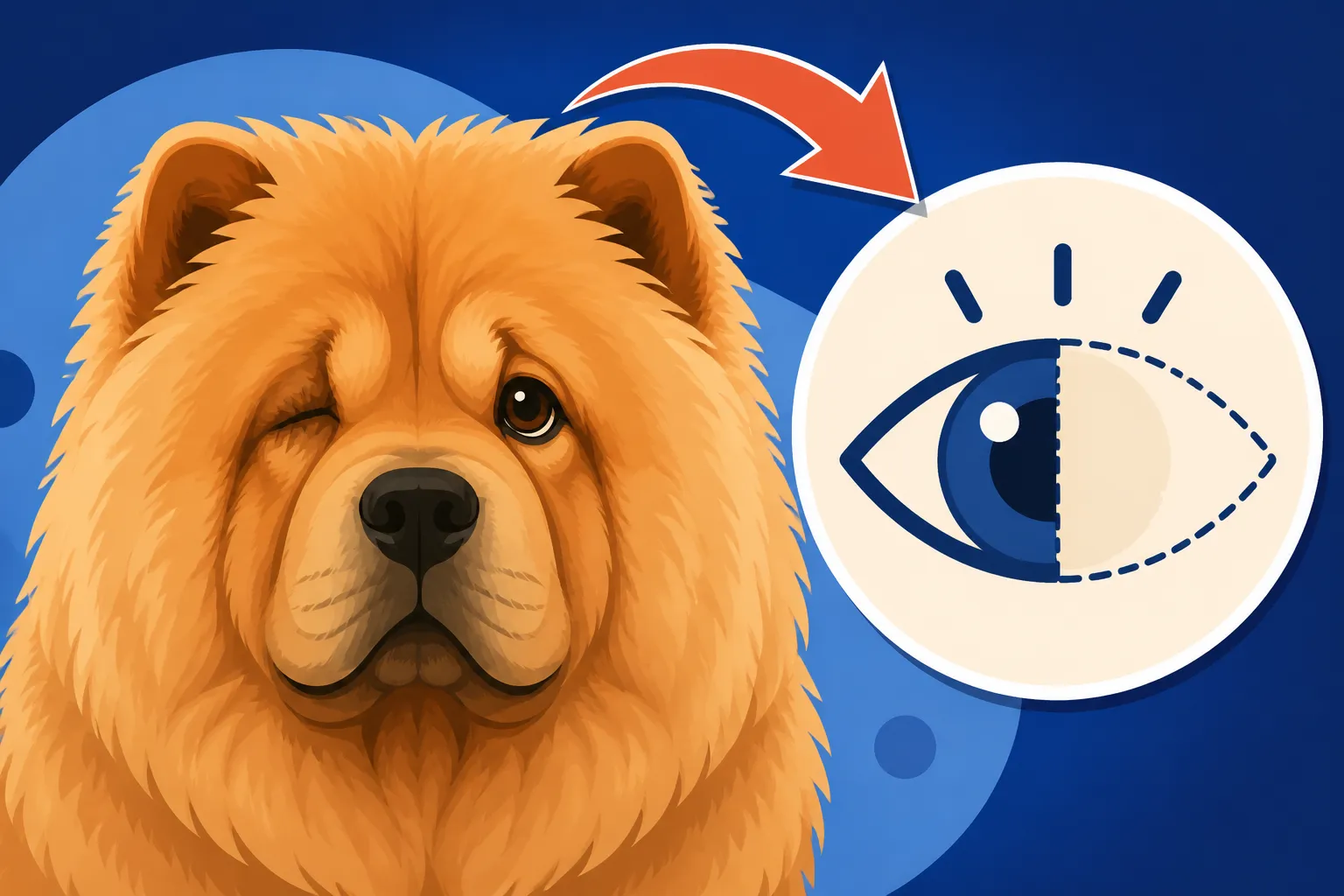
Discovering your beloved Chow Chow has been diagnosed with glaucoma in one eye is a truly heartbreaking moment, filled with anxiety not just for their immediate comfort but also for their long-term vision. The lingering, terrifying question for many owners is often: what about the other eye? The thought of your furry companion losing their sight completely is an immense burden, and understanding the probability and timeline for the second eye to be affected is absolutely crucial for proactive planning and care. This comprehensive guide aims to shed light on this challenging reality, offering insights into why Chow Chows are particularly susceptible and what steps you can take to protect their remaining vision.
The Alarming Reality of Glaucoma in Chow Chows
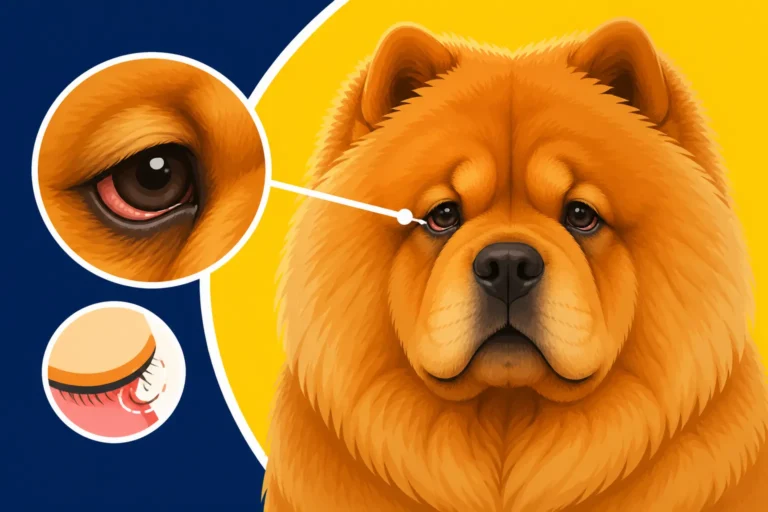
Glaucoma is a serious, often painful eye condition where pressure inside the eye increases, damaging the optic nerve and leading to blindness. For Chow Chows, this isn't just a random occurrence; it's a deeply rooted breed predisposition that makes it a particularly urgent and devastating diagnosis.
Why Glaucoma Hits Chow Chows Hard
Chow Chows, unfortunately, are genetically predisposed to a specific type of glaucoma called primary angle-closure glaucoma. This means their eyes are inherently structured in a way that makes them highly susceptible. Imagine a bathtub where the drain is too narrow or gets easily blocked; the water backs up, right? In a Chow Chow's eye, the drainage angle, which is where fluid (aqueous humor) exits the eye, is often congenitally narrow. This anatomical anomaly makes it extremely difficult for fluid to drain properly, causing pressure to build rapidly. You can learn more about Why a Chow Chow's Drainage Angle Is Narrow to understand the specific mechanics. This isn't something an owner can prevent through diet or exercise; it's a ticking genetic time bomb that breeders should always screen for, highlighting the importance of choosing a responsible breeder.
The Speed of Onset in the First Eye
One of the most terrifying aspects of glaucoma in Chow Chows is how incredibly fast it can progress. It's not uncommon for a Chow Chow to go from seemingly normal vision to complete blindness in the affected eye within a matter of hours to days if left untreated. This rapid deterioration is why veterinarians classify acute glaucoma as an ocular emergency. Owners often notice their dog squinting, showing redness, or rubbing the eye frantically, but by then, the internal pressure may have already skyrocketed, causing irreversible damage to the delicate optic nerve. Understanding How Fast Glaucoma Blinds a Chow Chow truly underscores the urgency required when you notice any troubling eye symptoms. Time is absolutely of the essence, and immediate veterinary attention, ideally from a veterinary ophthalmologist, can make a critical difference, even if the prognosis is guarded.
Signs to Watch For Beyond the Obvious
While a suddenly red, painful, or cloudy eye is a clear emergency, sometimes the initial signs of rising intraocular pressure can be more subtle, especially in the early stages or when the pressure isn't acutely high. Your Chow Chow might become a bit more withdrawn, less eager to play, or start bumping into furniture on one side. They might squint intermittently or blink more often. Their pupils might appear slightly different in size, even if not dramatically dilated. Owners might also notice a slight cloudiness or haziness in the cornea, which can be mistaken for other conditions. Being vigilant and knowing Signs a Chow Chow's Eye Pressure Is Rising can empower you to catch the problem at its earliest stages, potentially buying precious time for treatment. Remember, Chows are stoic dogs and often hide pain well, so any subtle change in behavior or appearance should prompt concern.
The High Risk for the Second Eye
Once one eye is diagnosed with primary angle-closure glaucoma, the reality is stark: the other eye is at extremely high risk. This isn't just bad luck; it's an unfortunate consequence of the underlying genetic predisposition.
The Bilateral Nature of Primary Glaucoma
For breeds like the Chow Chow, primary glaucoma is almost invariably a bilateral disease, meaning it affects both eyes. It's a systemic problem in their ocular anatomy, not an isolated incident. Even if only one eye shows symptoms first, the structural abnormalities that led to glaucoma in the first eye are present in the second eye. Think of it like a pair of shoes; if one has a manufacturing defect, the other likely does too, even if it hasn't fallen apart yet. This means that even if the second eye appears perfectly healthy and has normal pressure initially, it carries an almost certainty of developing glaucoma at some point. This is why a diagnosis in one eye immediately shifts the focus to preventative care for the other.
Statistical Likelihood of Second Eye Involvement
The statistics for primary angle-closure glaucoma in breeds like the Chow Chow are sobering. Studies indicate that if one eye is affected, the second eye will develop glaucoma in a very high percentage of cases – often cited as 50% to 80% or even higher within a year or two, sometimes sooner. It's not a question of if, but often when. The timeline varies, but active monitoring and prophylactic treatment for the seemingly healthy eye are critical. Without intervention, many Chow Chows will lose vision in the second eye within 6 to 12 months of the first eye being affected.
Here's a general idea of the progression:
| Timeframe After First Eye Diagnosis | Likelihood of Second Eye Involvement (without prophylaxis) | Action |
|---|---|---|
| 0-6 Months | Moderate to High (30-50%) | Immediate prophylactic treatment, frequent monitoring |
| 6-12 Months | High (50-80%) | Continued prophylactic treatment, very close monitoring |
| 1-2 Years | Very High (>80%) | Lifelong vigilance, ongoing treatment adjustments |
| Beyond 2 Years | Nearly Inevitable | Focus on comfort, quality of life, surgical considerations |
This table illustrates the aggressive nature of the disease and the urgent need for a proactive approach. Understanding What Glaucoma Does to a Chow Chow's Eye helps reinforce the importance of these statistics.
Factors Influencing the Second Eye's Onset
While the genetic predisposition is paramount, several factors can influence the timeline for the second eye's onset. Age is one; older Chow Chows might experience a slower progression due to less active aqueous humor production, while younger ones might see a more rapid onset. The type and severity of glaucoma in the first eye can also be an indicator. If the first eye experienced an extremely acute and aggressive pressure spike, it might suggest a highly compromised drainage system that could impact the second eye similarly. The consistency and efficacy of any prophylactic medication prescribed for the "good" eye play a significant role. Skipping doses or not adhering to the treatment plan can accelerate the onset. Additionally, any other underlying eye conditions, even minor ones, could potentially exacerbate the situation.
Proactive Measures and Management Strategies
While the outlook might seem grim, there are concrete, proactive steps you can take to delay or even prevent glaucoma in the second eye, or at least manage it effectively. This is where vigilant ownership truly makes a difference.
Regular Ophthalmic Check-ups are Non-Negotiable
Given the high risk, regular veterinary ophthalmic check-ups for your Chow Chow become absolutely vital. This isn't just a yearly visit anymore; it often means appointments every 3-6 months, or even more frequently, to monitor the intraocular pressure (IOP) in the healthy eye. A veterinary ophthalmologist will use specialized equipment to measure the pressure, examine the drainage angle, and assess the optic nerve for any subtle changes. These routine checks allow for the earliest possible detection of rising pressure, which is key to preserving vision. It's truly life-changing for your dog to catch this condition before symptoms become apparent. Many owners wonder Whether a Chow Chow Needs a Yearly Eye Exam, and in the case of a history of glaucoma, the answer is a resounding yes, and often much more frequently. These regular visits can be costly, so it's a good idea to factor this into your budget or consider pet insurance plans like those offered by Healthy Paws, which can help cover specialized care costs.
Prophylactic Treatment for the Unaffected Eye
After a diagnosis in one eye, most veterinary ophthalmologists will immediately recommend prophylactic treatment for the fellow (unaffected) eye. This typically involves daily eye drops designed to lower intraocular pressure, even if the pressure is currently normal. These drops work in various ways: by reducing the production of aqueous humor, by increasing its outflow, or both. Common medications include topical carbonic anhydrase inhibitors (e.g., dorzolamide) or beta-blockers (e.g., timolol). The goal is to keep the pressure consistently low, thereby delaying or preventing the onset of glaucoma in the second eye. This is a long-term commitment, often for the remainder of your Chow Chow's life, and adherence to the prescribed regimen is crucial for its effectiveness.
Surgical Options and Their Efficacy
While medication is the first line of defense, certain surgical options might be considered, both preventatively and as a treatment for active glaucoma in the second eye. For instance, procedures like goniotomy or laser cyclophotocoagulation aim to improve the drainage of fluid or reduce fluid production within the eye. Goniotomy is a procedure where a veterinary ophthalmologist surgically opens the drainage angle, potentially preventing future pressure buildup. Laser cyclophotocoagulation works by destroying some of the cells that produce aqueous humor, thereby lowering intraocular pressure. These surgeries, while not always a permanent fix, can buy significant time and preserve vision longer than medication alone in some cases. Discussing these options thoroughly with your veterinary ophthalmologist is essential to determine the best course of action for your individual Chow Chow's condition. For a broader overview of treatment, you might find How a Chow Chow's Glaucoma Is Treated helpful. Keep in mind that these advanced procedures are expensive, and having a comprehensive pet insurance plan from providers like Healthy Paws can alleviate some of the financial burden associated with such critical care.
Living with a Blind or Vision-Impaired Chow Chow
Even with the best preventative care, there's a significant chance your Chow Chow may eventually lose vision in both eyes. This can be an incredibly tough adjustment for both dog and owner, but with patience, adaptation, and unwavering love, a blind Chow Chow can still lead a full and happy life.
Adjusting the Home Environment
The first and most important step is to make your home a safe and navigable haven. Consistency is key. Avoid moving furniture around once your dog has learned the layout. Block off stairs with gates to prevent falls. Place soft, familiar blankets or rugs at the bottom and top of stairs if they must be used, to indicate boundaries. Use scent markers or textured mats to delineate important areas like food and water bowls, or the dog door. Padded corners on sharp furniture can prevent painful bumps. Consider keeping a radio or TV quietly on to provide auditory cues, and always speak to your Chow Chow as you approach them so you don't startle them. Remember, How a Chow Chow Adjusts to One Eye often involves learning a new internal map, and the more stable your home environment, the easier this process will be for them.
Maintaining Quality of Life
A blind Chow Chow still needs mental and physical stimulation. While long, off-leash hikes might be out, structured walks on a leash in familiar, safe areas are still beneficial. Engage their other senses! Scent work is fantastic for blind dogs – hide treats around the house and let them sniff them out. Puzzle toys filled with delicious kibble or peanut butter are great for mental enrichment. Use verbal cues consistently; teach commands like "step up," "step down," "wait," and "careful." Maintain a consistent daily routine for feeding, potty breaks, and playtime, as predictability offers immense comfort and reduces anxiety for a vision-impaired dog. Don't underestimate the power of touch and sound; gentle praise, petting, and the sound of your voice are more important than ever. Focusing on their overall well-being and health, including appropriate nutrition and regular check-ups, is vital. You can find more comprehensive advice on Caring for a Chow Chow Past Eight, many of which apply to dogs with vision impairment.
The Emotional Toll on Owners and How to Cope
It's completely normal for owners to grieve the loss of their dog's sight and worry endlessly about their future. Witnessing your vibrant companion struggle can be profoundly upsetting, leading to feelings of sadness, guilt, or even frustration. Allow yourself to feel these emotions, but also remember that your Chow Chow is relying on you more than ever for confidence and support. Connect with online forums or local support groups for owners of blind dogs; sharing experiences can be incredibly validating and provide practical tips. Focus on the positive aspects of their resilience and the unique bond you share. Celebrating every small adaptation and improvement can help shift your perspective. Remember, your dog senses your emotions, so try to project calm and confidence. With your love and careful management, your Chow Chow can continue to live a dignified and joyful life, finding their way with their heart, nose, and ears, even if their eyes can no longer lead the way.
Disclaimer
The information provided in this article is for educational and informational purposes only and does not constitute veterinary medical advice. Always consult with a qualified veterinarian or veterinary ophthalmologist for any health concerns or before making any decisions about your Chow Chow's care.