Whether an Entropion Chow Chow Can Be Bred
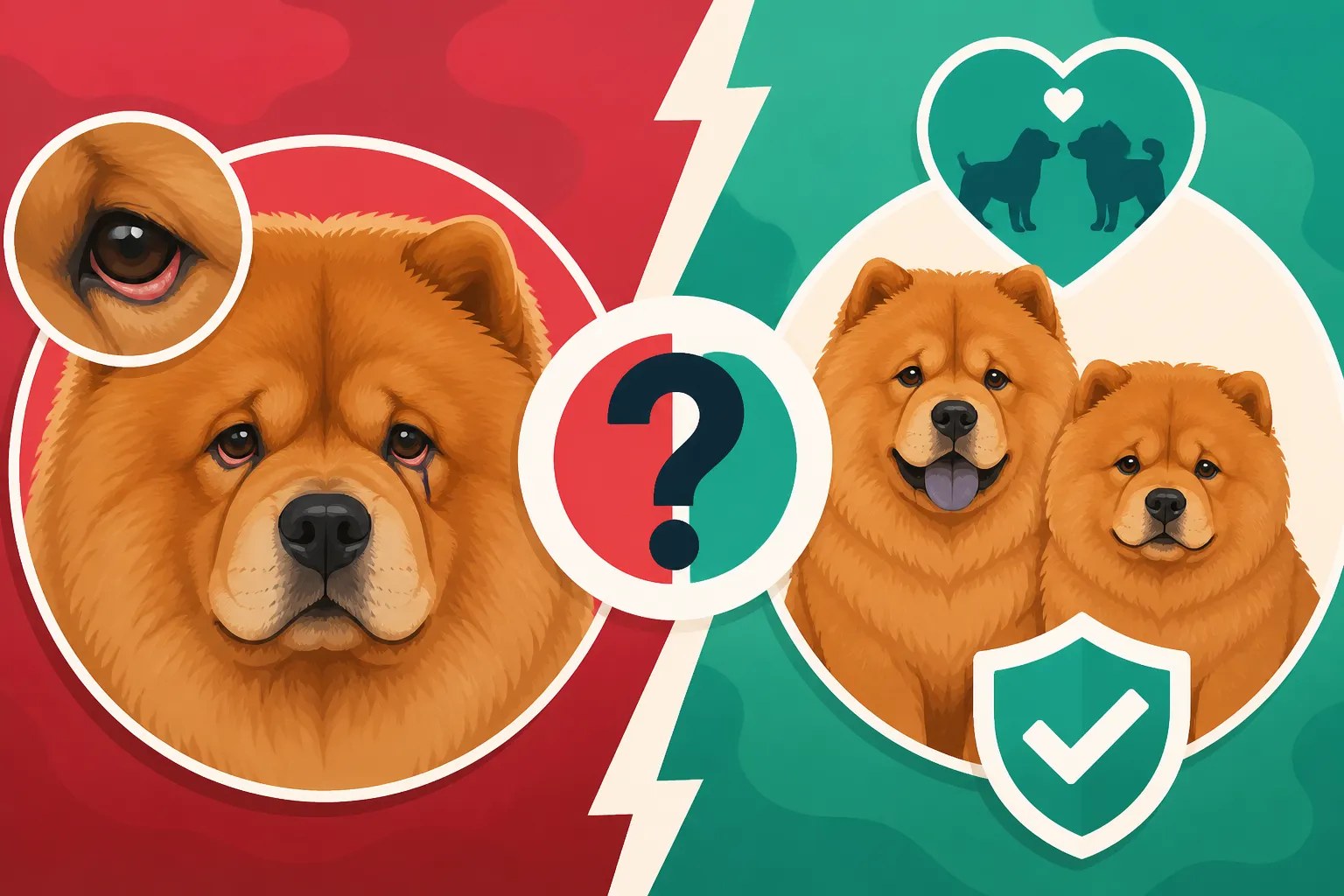
The discovery that your beloved Chow Chow has entropion can be incredibly distressing, especially if you've harbored dreams of them becoming part of a breeding program. This condition, where the eyelid rolls inward, causing painful irritation, raises profound questions about genetic health and ethical responsibility. This comprehensive guide aims to shed light on whether breeding an entropion-affected Chow Chow is a responsible path forward, delving into the genetic realities and the welfare implications for future generations.
Understanding Entropion in Chow Chows
Entropion is not just a cosmetic issue; it's a painful and potentially blinding condition that significantly impacts a Chow Chow's quality of life. For anyone considering breeding, a deep understanding of this eye problem is the first crucial step.
What Entropion Is and How it Affects the Chow Chow
Simply put, entropion is a condition where a portion of the eyelid, usually the lower one, rolls inward towards the eye. Imagine having an eyelash constantly scraping against your eyeball – that's essentially what your Chow Chow experiences. The inward-turned eyelid allows the eyelashes and surrounding fur to rub against the cornea, the delicate surface of the eye. This constant friction leads to irritation, discomfort, and can quickly escalate to more serious problems like corneal ulcers, infections, and even scarring that permanently impairs vision.
The suffering isn't just physical. A dog in constant pain from its eyes can become withdrawn, irritable, or even snap due to discomfort. It affects their ability to play, learn, and interact happily with their family. Understanding What Entropion Does to a Chow Chow's Eye truly highlights the severity of this condition and why it's not something to take lightly, especially when considering the future health of a breed line.
The Unique Anatomy of a Chow Chow's Eye
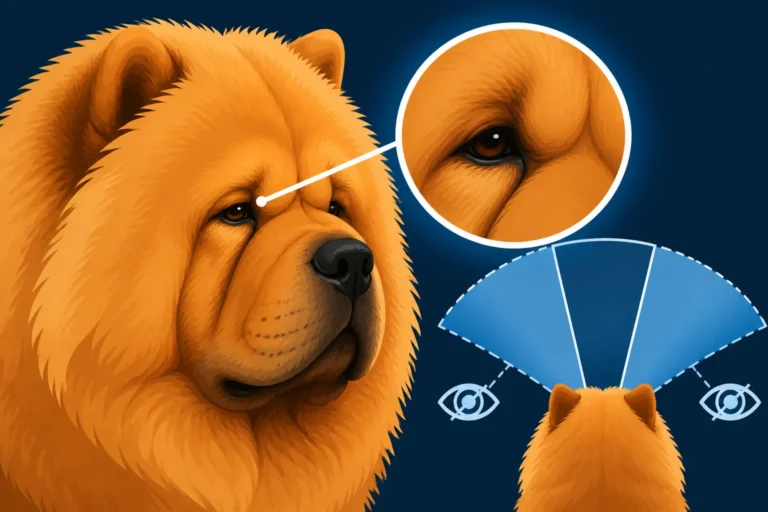
Chow Chows, with their deep-set eyes and distinctive facial structure, are unfortunately predisposed to entropion. Their breed standard often calls for a "scowling" expression, which is largely due to the heavy brow and facial folds. These very characteristics, while adding to their unique charm, can contribute to the inward rolling of the eyelids. The deep-set nature of their eyes means that even a slight inward turn of the lid can cause significant contact between the eyelashes and the cornea.
It's a bittersweet reality that the features we admire can sometimes be their Achilles' heel. The way a Chow Chow's face folds push the lid in is a direct anatomical contributor to this problem. When a puppy is growing, their head might not have fully developed, and the skin around their eyes can be looser, exacerbating the issue. This is why you might see the age entropion shows in a Chow Chow puppy varies, but it's often observed early in life as their facial structure develops.
Signs a Chow Chow Has Entropion
Recognizing the signs of entropion is vital, not just for potential breeding stock but for any Chow Chow owner. The symptoms often start subtly but become increasingly obvious as the irritation worsens. You might notice your Chow Chow squinting frequently, as if trying to relieve discomfort. Their eyes may appear watery, with excessive tearing, or you might see a thick, mucous-like discharge. Redness and inflammation of the conjunctiva (the pink tissue around the eye) are also common.
A dog with entropion might also rub its face on furniture or paw at its eyes, further irritating the delicate tissues. If you look closely, you might even be able to see the edge of the eyelid turning inward. Catching these Signs a Chow Chow Has Entropion early is critical for treatment, whether it’s temporary relief with lubricants or the more permanent solution of surgery. Sometimes, especially in young puppies, the condition can appear intermittent before becoming constant, making careful observation key.
Genetic Basis of Entropion
The core question for breeders is whether entropion is inherited. The answer, unfortunately, is a resounding yes, making it a critical consideration for responsible breeding practices.
Is Entropion Hereditary in Chow Chows?
Yes, entropion is widely recognized as a hereditary condition in Chow Chows, as it is in many other brachycephalic (short-nosed) or heavily wrinkled breeds. This means that a Chow Chow carrying the genetic predisposition for entropion can pass that trait on to its offspring. It's not a simple dominant or recessive gene in most cases; rather, it's often polygenic, meaning multiple genes are involved, making its inheritance pattern complex and sometimes unpredictable.
The challenge with polygenic traits is that even a dog that doesn't outwardly show signs of entropion might still carry the genes and pass them on. This is why responsible breeders take such extensive measures, often going beyond just visually inspecting potential breeding dogs. Ignoring the hereditary aspect is essentially playing genetic roulette with the health and comfort of future puppies. Research into whether entropion runs in Chow Chow lines clearly indicates a strong genetic component, underscoring the importance of careful selection.
The Complexities of Inheritance Patterns
Because entropion is often polygenic, predicting exactly which puppies will be affected, or to what degree, can be tricky. You might breed two dogs that appear phenotypically (visibly) clear of entropion, yet still produce affected puppies if both parents carry the underlying genes. Conversely, a mild case of entropion in a parent might produce severe cases in offspring, or vice-versa, depending on the combination of genes inherited. Environmental factors during a puppy's development can also play a minor role, such as nutrition or even how rapidly they grow, but the genetic blueprint is the primary driver.
This complexity means that simply treating an entropion-affected dog with surgery doesn't erase its genetic predisposition. The dog might look perfectly fine after corrective surgery, but its genetic code still carries the risk factors for the condition. This creates a significant ethical dilemma for breeders who want to improve the breed rather than perpetuate its health challenges.
Breeding Practices and Heritability
Responsible breeding aims to reduce the incidence of hereditary diseases within a breed. For entropion, this means actively selecting against affected individuals and, ideally, against those who have produced affected offspring, even if the parents themselves are visually clear. Breeders should be meticulous in their record-keeping and open about the health history of their lines. This level of transparency helps others make informed decisions and collectively works towards healthier breed stock.
This commitment to health testing and careful lineage selection is part of what a Chow Chow breeder should have tested before considering any dog for breeding. It’s not just about producing beautiful puppies; it’s about producing healthy ones, free from preventable suffering. Pet insurance providers like Healthy Paws often highlight the importance of careful breeding practices because they see firsthand the costs and emotional toll of hereditary conditions on owners.
Ethical Considerations for Breeding
When a dog has a known hereditary condition like entropion, the ethical waters of breeding become murky. It's not just about personal preference; it's about the welfare of living creatures and the integrity of the breed.
The Responsibility of a Breeder
A truly responsible breeder views themselves as a steward of the breed, committed to improving its health, temperament, and conformity to the standard. This means making tough decisions that prioritize the long-term well-being of the breed over short-term gains or personal desires. If a Chow Chow has entropion, especially if it required surgical correction, breeding that dog goes against the core principle of responsible breeding: to eliminate, or at least significantly reduce, the prevalence of inherited diseases.
The financial burden of entropion surgery, which can be substantial (you might wonder what entropion surgery costs on a Chow Chow), often falls to the new owners. Passing on this genetic predisposition, knowing the potential pain and expense it could cause, is a grave ethical breach. A reputable breeder's goal should always be to produce puppies healthier than the previous generation, not to risk perpetuating known faults.
The Welfare of the Future Puppies
Every puppy born deserves the best possible start in life, free from preventable pain and inherited defects. Breeding a Chow Chow with entropion knowingly increases the likelihood that its offspring will inherit the condition. Imagine the sadness of a new puppy owner seeing their little fluffball squinting, tearing, and in discomfort, knowing it was avoidable. These puppies may face multiple surgeries, lifelong medication, and chronic discomfort.
The concern extends beyond just the immediate offspring. If these affected puppies are then bred by less scrupulous individuals, the problem compounds, spreading the gene further through the breed. This domino effect can undermine years of effort by dedicated breeders trying to eliminate such issues. The ethical stance is clear: if there's a significant risk of passing on a painful, treatable-but-costly condition, the responsible choice is not to breed that individual.
The Long-Term Impact on the Breed Standard
While entropion can affect individual dogs, allowing affected individuals into the breeding pool has a detrimental impact on the entire breed over time. It dilutes the gene pool with undesirable traits and makes it harder for future generations of breeders to produce healthy dogs. The breed standard, in part, exists to guide breeders towards healthy and functional animals. When a structural fault like entropion becomes prevalent, it signals a deviation from that ideal.
Maintaining the integrity and health of the Chow Chow breed is a collective responsibility. Each breeding decision contributes to the overall genetic health of the population. By making thoughtful, ethical choices, breeders contribute positively to the breed's future, ensuring that the majestic Chow Chow remains healthy and beloved for generations to come.
Impact on the Offspring
The potential offspring are at the heart of the ethical dilemma when considering breeding an entropion-affected Chow Chow. The risks and responsibilities are significant.
Increased Risk of Entropion in Pups
If a Chow Chow with entropion is bred, there's a substantially increased risk that its puppies will also develop the condition. This isn't just a theoretical concern; it's a statistical probability based on genetic principles. The likelihood becomes even greater if the other parent also carries genes for entropion or comes from lines where entropion has appeared. Puppy owners might observe signs a Chow Chow puppy's eyes are sore very early on, sometimes even before they leave for their new homes.
The severity can vary, from mild cases that can be managed with eye drops to severe cases requiring multiple surgical interventions. Some puppies might need temporary eyelid tacking when very young, and then permanent corrective surgery later. This means a new family might be facing vet visits, pain management, and the emotional stress of watching their puppy suffer, all because of an avoidable genetic predisposition.
The Financial and Emotional Burden on Owners
Bringing a new puppy home is an exciting time, but discovering a serious health issue shortly after can be devastating. Owners of entropion-affected puppies face not only the emotional toll of their pet's discomfort but also significant financial costs. Surgical correction for entropion, sometimes on both eyes, can be very expensive. The entropion surgery every Chow Chow owner should budget for isn't a minor expense; it can run into thousands of dollars, depending on the vet, location, and complexity.
Even if a puppy's entropion is mild, ongoing vet visits, special eye drops, and potential future complications add up. This financial strain can be a shock for new owners, potentially impacting their ability to provide other necessary care or leading to difficult decisions. Pet insurance can help, and a provider like Healthy Paws might cover these costs if the policy is in place before diagnosis, but the pre-existing condition clause is often a barrier if the condition appears shortly after acquiring the puppy. This means many families are left to bear the full cost.
Perpetuating a Health Problem
Every time an entropion-affected Chow Chow is bred, or a Chow Chow from a line with a history of entropion is bred without careful consideration, the condition is further cemented within the breed's gene pool. This makes it harder for everyone committed to breeding healthier dogs. It’s like trying to bail out a leaky boat when new holes are constantly being poked in it.
The overall genetic health of the Chow Chow breed suffers. Future generations will continue to battle this painful and costly condition. Responsible breeding isn't just about the current litter; it's about the legacy left for the breed. Allowing entropion to persist through breeding decisions diminishes the breed's reputation and potentially impacts its overall welfare. It's a choice that ripples through generations of Chow Chows and their future families.
Alternatives and Responsible Practices
So, if breeding an entropion-affected Chow Chow isn't the responsible choice, what are the alternatives? And what practices should dedicated breeders adopt to ensure the health of their lines?
Health Testing and Pedigree Review
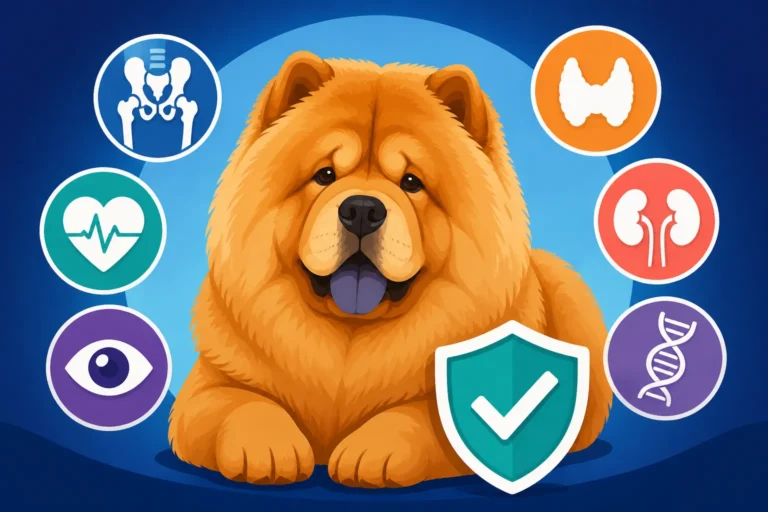
The cornerstone of responsible breeding is comprehensive health testing. For Chow Chows, this includes hip and elbow evaluations through organizations like the Orthopedic Foundation for Animals (OFA) and regular eye examinations by a board-certified veterinary ophthalmologist. The Canine Eye Registry Foundation (CERF), now part of the OFA Eye Certification Registry (OFA-EYE), requires annual examinations to screen for conditions like entropion, ectropion, glaucoma, and cataracts.
A diligent breeder will not only test their potential breeding dogs but also meticulously review the pedigrees of both prospective parents for any history of entropion or other hereditary conditions in their ancestors. They will also seek out breeders who are transparent about their health clearances and openly discuss any issues that have arisen in their lines. This due diligence goes far beyond a quick visual check and is a non-negotiable step for any truly responsible breeding program. This is part of which health tests a Chow Chow breeder should run.
Choosing Not to Breed Affected Dogs
The simplest and most effective solution, if a Chow Chow is diagnosed with entropion (especially if it requires surgery), is to remove that individual from the breeding program. This means spaying or neutering the dog, allowing them to live a happy, healthy life as a beloved pet without the risk of passing on their genetic predisposition. This applies even if the entropion has been successfully corrected through surgery, as the genetic potential for the condition remains.
This decision might be difficult, particularly if the dog has other desirable traits, but it's a necessary step for the betterment of the breed. Focusing on quality over quantity, and prioritizing health above all else, defines an ethical breeder. An individual Chow Chow might be stunning in appearance, but if they carry genes for a debilitating condition, their role should be as a cherished companion, not a parent.
Working with Mentors and Veterinary Professionals
No breeder operates in a vacuum. Connecting with experienced mentors who have a proven track record of breeding healthy Chow Chows is invaluable. These mentors can provide guidance, share insights into specific lines, and help navigate the complexities of breeding decisions. Similarly, establishing a strong relationship with a veterinarian who understands the breed's specific health concerns, and ideally, a veterinary ophthalmologist, is crucial. These professionals can provide expert opinions on health clearances, interpret results, and offer advice on genetic counseling.
They can also advise on proper care and management if a dog does develop entropion. For instance, they might discuss options for how entropion is repaired in a Chow Chow and guide owners through the recovery period. This collaborative approach ensures that breeders are making the most informed decisions possible, backed by scientific knowledge and years of practical experience. Even if an entropion Chow Chow cannot be bred, its welfare and quality of life are paramount, and veterinary support is key to that.
Living with an Entropion Chow Chow
Even if a Chow Chow with entropion isn't bred, its life is no less valuable. Ensuring their comfort and well-being becomes the primary focus for their dedicated owners.
Managing Entropion: Surgery and Care
If your Chow Chow develops entropion, whether they were part of a breeding program or not, the good news is that it's often a treatable condition. The most common and effective treatment is surgical correction. This procedure involves removing a small, crescent-shaped piece of skin and muscle from the eyelid, which then pulls the eyelid margin outward to its normal position. In some cases, especially with puppies, temporary eyelid tacking can be done to alleviate symptoms until the puppy's skull develops more fully. Sometimes, more than one surgery is needed, leading owners to question whether a Chow Chow needs entropion surgery twice.
Post-surgery care is crucial for a successful outcome. This usually involves keeping the surgical site clean, administering prescribed eye drops or ointments, and preventing the dog from rubbing or scratching their eyes with an Elizabethan collar (the dreaded "cone of shame"). Recovery time and the success rate are generally high, providing significant relief to the dog. It's a commitment, but one that drastically improves their quality of life.
Ensuring a Good Quality of Life
Beyond the immediate treatment, ensuring a Chow Chow with entropion lives a full and comfortable life involves ongoing vigilance. Regular check-ups with your vet or a veterinary ophthalmologist are important to monitor eye health and catch any recurrence or new issues promptly. You might need to regularly clean around their eyes, especially if they are prone to tearing, to prevent skin irritation or infection in the folds.
Even after successful surgery, some Chows may continue to have slightly watery eyes, or tear staining, due to their deep-set eyes or natural tear production. Managing these minor issues with gentle cleaning and appropriate products can keep them comfortable. The goal is always to minimize pain and maximize their ability to enjoy life, free from the constant irritation that entropion can cause. Many insurance providers, like Healthy Paws, recognize the importance of ongoing care for conditions like entropion, helping owners manage costs after diagnosis.
The Chow Chow's Overall Health Journey
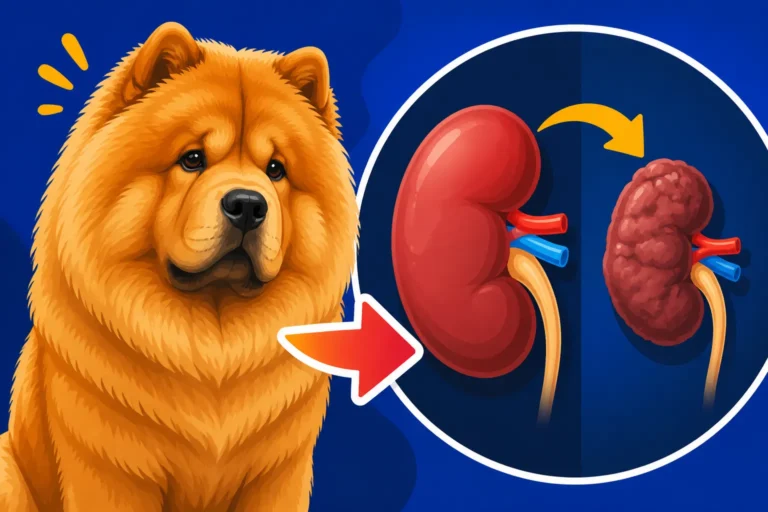
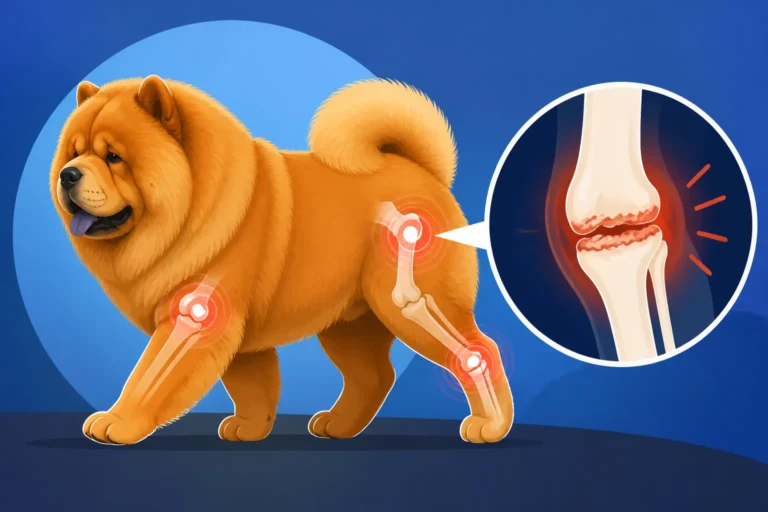
Entropion is just one piece of the larger health puzzle for a Chow Chow. These majestic dogs can be prone to other genetic conditions, such as hip and elbow dysplasia, thyroid issues, and certain autoimmune diseases. By addressing entropion proactively and making responsible breeding decisions, breeders contribute to a stronger, healthier future for the entire breed. For owners, understanding these potential health issues and being prepared for them is part of the commitment to a Chow Chow.
This includes providing a high-quality diet, appropriate exercise (while being mindful of their susceptibility to overheating, as discussed in heat is the Chow Chow's most immediate danger), and consistent veterinary care. A Chow Chow, when healthy and well-cared for, can live a wonderful life, typically the eight to twelve years a Chow Chow gets. Focusing on their health journey holistically, from genetic considerations to daily care, is the ultimate expression of love and responsibility for this unique and dignified breed.
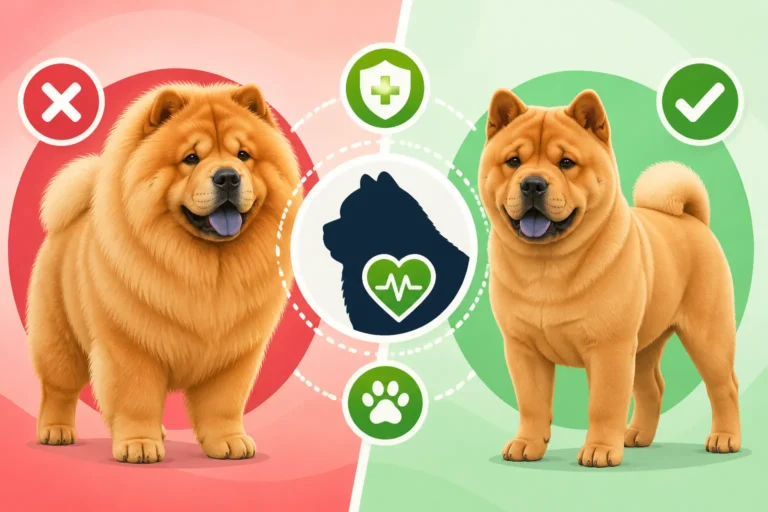
| Decision Point | Breeding a Chow Chow with Entropion | Breeding an Entropion-Free Chow Chow |
|---|---|---|
| Genetic Risk to Offspring | High risk of inheriting entropion | Significantly lower risk |
| Ethical Responsibility | Considered irresponsible | Responsible and ethical |
| Financial Burden on New Owners | High potential for surgery costs | Lower potential for eye-related costs |
| Impact on Breed Health | Perpetuates genetic defect | Improves breed health and welfare |
| Post-Surgery Status | Genetic predisposition remains | No genetic predisposition from parent |
| Veterinary Ophthalmologist View | Generally advises against breeding | Supports breeding if all clear |
Disclaimer
The information provided in this article is for general informational and educational purposes only and is not a substitute for professional veterinary advice. Always consult with a qualified veterinarian or veterinary ophthalmologist regarding any health concerns or before making any decisions related to your Chow Chow's health, treatment, or breeding.