How Common Elbow Dysplasia Is in Chow Chows
It’s a heart-wrenching moment for any Chow Chow owner: you notice a slight limp, a hesitation, or a stiffness that wasn't there before, especially after your beloved fluffy companion has been resting. You might wonder if it's just a sprain, or perhaps something more serious that’s common in the breed. This guide dives deep into elbow dysplasia, a condition many Chow Chow families sadly become all too familiar with, helping you understand its prevalence, signs, and how to navigate this challenging diagnosis.
Understanding Elbow Dysplasia in Chow Chows
Finding out your Chow Chow might have elbow dysplasia can be incredibly distressing. This isn't just a minor issue; it's a significant orthopedic problem that can severely impact their quality of life. Understanding what it is and why our Chows are particularly susceptible is the first step toward managing it effectively.
What Exactly is Elbow Dysplasia?
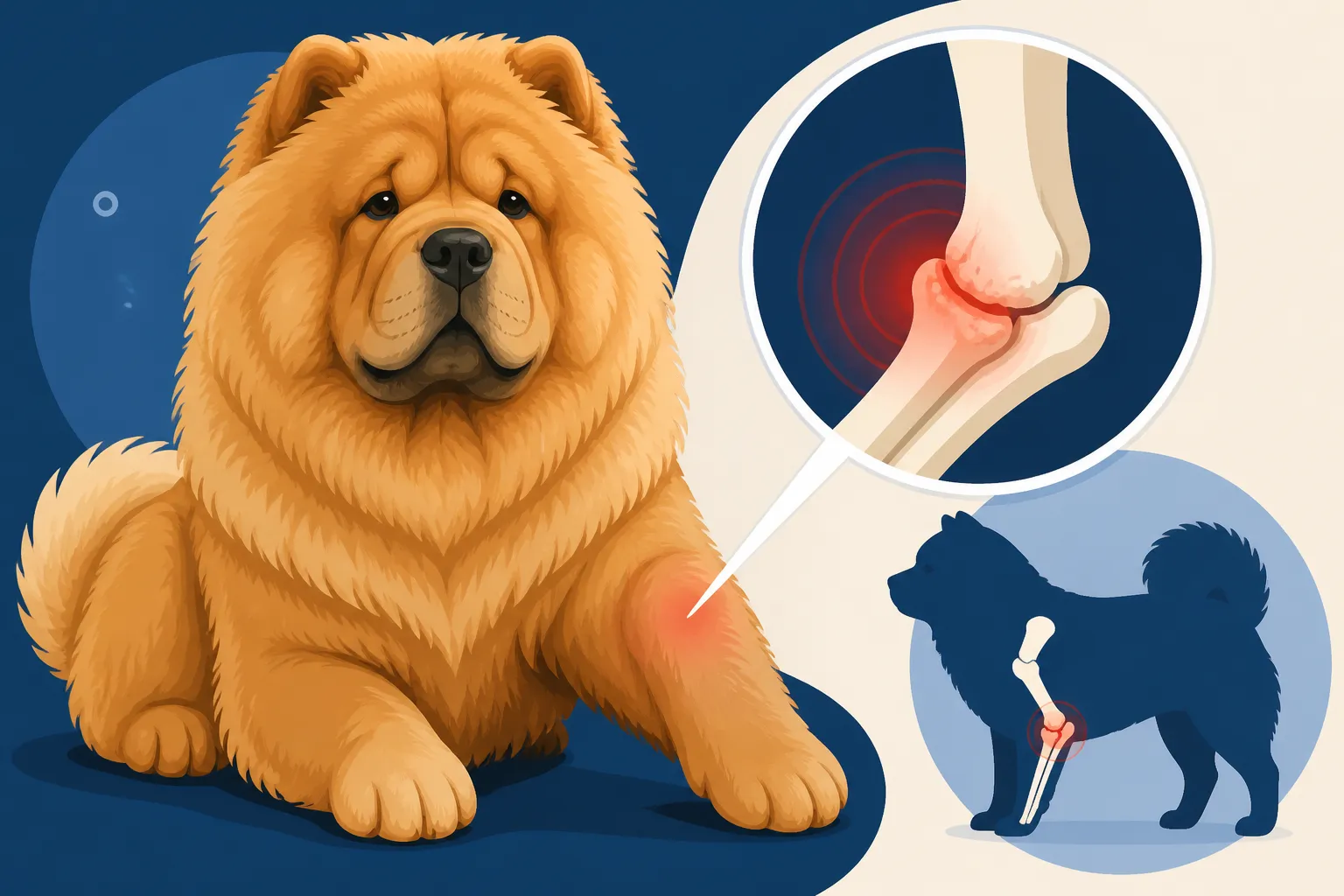
Elbow dysplasia isn't a single disease but rather a complex condition encompassing several developmental abnormalities in the elbow joint. This joint, crucial for movement, is where three bones meet: the humerus (upper arm bone), radius, and ulna (forearm bones). When these bones don't grow at the same rate or fit together perfectly, it creates instability, abnormal pressure, and eventually, painful osteoarthritis. Imagine a poorly constructed machine where the gears don't mesh; over time, the friction causes wear and tear, leading to breakdown. That's essentially what happens inside your Chow's elbow.
The primary forms of elbow dysplasia often seen include:
- Fragmented Coronoid Process (FCP): A small piece of bone in the ulna breaks off.
- Osteochondrosis Dissecans (OCD): Cartilage fails to mature properly, leading to a flap that detaches from the bone surface.
- Ununited Anconeal Process (UAP): A growth plate in the ulna fails to fuse.
- Elbow Incongruity: The three bones of the elbow don't align correctly, causing abnormal weight bearing.
Any of these issues can cause inflammation, pain, and lameness. The cartilage, which normally provides a smooth, shock-absorbing surface, starts to erode, and the body attempts to stabilize the joint by laying down new bone, leading to painful bone spurs. This degenerative process is irreversible, meaning early intervention is key to slowing its progression. For a deeper dive into the mechanics of the condition, you can explore resources like What Elbow Dysplasia Does to a Chow Chow.
Why Chow Chows Are Predisposed
It’s no secret that some breeds are simply more prone to certain health issues, and unfortunately, Chow Chows fall into this category when it comes to elbow dysplasia. Their genetics play a significant role. Breeders strive to produce healthy puppies, but even with the best intentions, the breed's genetic blueprint carries a predisposition.
Beyond genetics, their unique build might also contribute. Chow Chows have a distinctive "stilted" gait, a result of their relatively straight hind legs. While charming, this can alter the biomechanics of their movement, potentially putting different stresses on their joints compared to breeds with more angulated hindquarters. Their sturdy, heavy bone structure, combined with rapid growth in puppyhood, can also exacerbate any underlying joint incongruity. Large and giant breeds, in general, are at higher risk due to the sheer stress placed on their developing joints.
The Statistics: How Common Is It Really?
So, just how common is elbow dysplasia in Chow Chows? While precise figures can fluctuate, the breed is indeed considered one of the breeds with a higher incidence of elbow dysplasia. Organizations like the Orthopedic Foundation for Animals (OFA) collect data on canine orthopedic health, and their statistics consistently show Chow Chows ranking among the breeds with a notable prevalence.
According to OFA data, which evaluates elbow joints based on radiographs submitted by veterinarians, Chow Chows have a relatively high rate of abnormal elbow clearances. While the OFA doesn't typically publish exact percentages for individual breeds that are "affected" versus "normal," their statistics on breeds with hip and elbow issues frequently place Chow Chows in the higher risk categories. This isn't to say every Chow Chow will develop the condition, but the risk is significantly higher than in many other breeds. When you consider the general population of all dogs, the Chow Chow's standing means that this is a serious and prevalent concern for prospective and current owners. You can look into Where the Chow Chow Ranks in OFA Elbow Scores for more detailed statistics and what those scores mean.
Recognizing the Early Signs and Symptoms
One of the toughest parts of owning a Chow Chow is their often stoic nature. They are independent and can be masters at hiding discomfort, which means symptoms of conditions like elbow dysplasia might be subtle and easily missed until the problem is quite advanced. Learning to spot these early clues is paramount.
Subtle Clues in a Young Chow Chow
Elbow dysplasia often manifests during a Chow Chow's rapid growth phase, typically between 4 and 12 months of age. While a dramatic limp might be obvious, it often starts much more subtly. You might notice your puppy is reluctant to play as much as their littermates or seems to tire more quickly during walks. They might show a preference for lying down rather than standing, or exhibit an unusual way of sitting or rising.
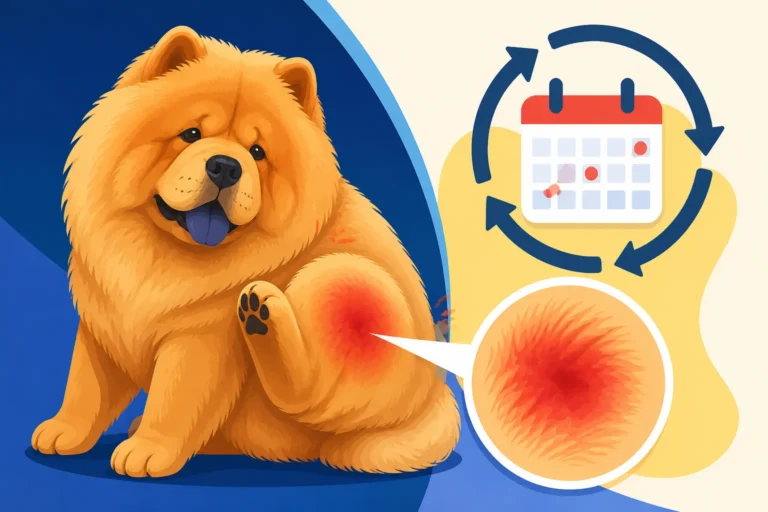
Look for a mild, intermittent lameness that seems to improve with rest, but then reappears after activity. Some owners describe it as a "bunny hop" gait, where the dog uses both hind legs simultaneously to propel itself forward, trying to alleviate pressure on the front limbs. You might also notice stiffness, particularly after they've been sleeping or inactive for a while. It’s vital to pay close attention during these formative months. If you observe your puppy showing signs of discomfort or an altered gait, especially if they are reluctant to use stairs or jump, it’s worth a prompt vet visit. This is especially important for young pups, as signs a Chow Chow puppy's elbows hurt can be fleeting.
Progression of Pain and Mobility Issues
As elbow dysplasia progresses without intervention, the subtle signs become more pronounced. The intermittent lameness can evolve into chronic, persistent limping that affects their daily life. You might notice they struggle to get up from a lying position, or they might shift their weight differently when standing, trying to alleviate pressure on the painful elbow.
The joint itself can start to appear swollen or feel warm to the touch, and manipulating it might elicit a pain response or resistance from your Chow. Muscle atrophy in the affected leg is also a common sign; the muscles might begin to waste away due to disuse, making the limb look thinner compared to the healthy one. This can be particularly hard to spot in a Chow Chow with their dense coat, but careful palpation during grooming or petting can sometimes reveal differences in muscle mass.
The Challenge of Detection in a Stoic Breed
Chow Chows, with their ancient lineage and independent personalities, are renowned for their stoicism. They aren't typically a breed to whine or cry out in pain, even when experiencing significant discomfort. This trait, while sometimes admired, makes detecting illnesses like elbow dysplasia incredibly challenging for owners. They will often endure pain silently, trying to maintain their normal routine for as long as possible.
Their thick double coat, another signature characteristic, can also obscure physical changes. Swelling or muscle loss around the elbow joint might be hidden beneath layers of fur, making visual assessment difficult. This means owners must be incredibly observant of behavioral changes—a slight decrease in enthusiasm for walks, a refusal to jump into the car, or a tendency to avoid being touched in certain areas could all be subtle indicators of pain. Regular, hands-on checks during grooming are invaluable for early detection. It's a true test of an owner's bond and vigilance to notice when a Chow Chow limps after rest or makes other small adjustments to their behavior.
Diagnosis and Management Approaches
Once you suspect elbow dysplasia, getting a definitive diagnosis is crucial. From there, your veterinarian will work with you to devise a management plan, which can range from conservative care to surgical intervention, all aimed at improving your Chow Chow's comfort and mobility.
The Diagnostic Process: From Exam to X-rays
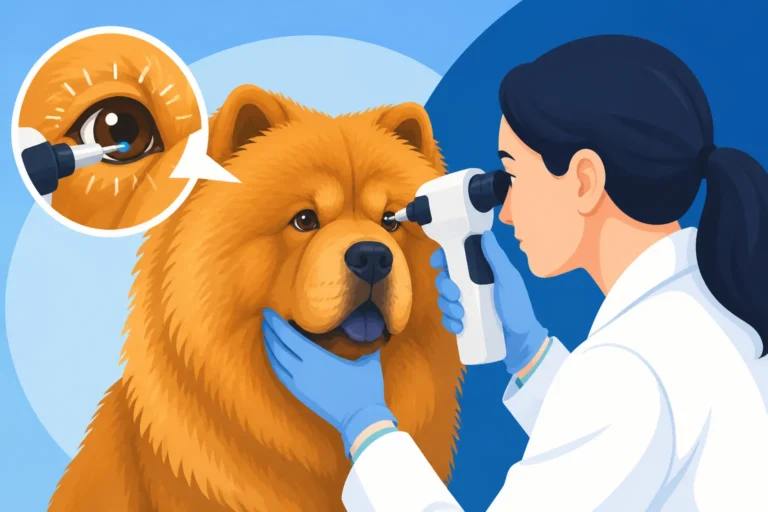
The diagnostic journey usually begins with a thorough physical examination by your veterinarian. They will observe your Chow Chow's gait, palpate the elbow joints, and assess their range of motion. During this examination, they might notice pain, swelling, or crepitus (a grinding sound) in the joint. However, given the Chow Chow's pain tolerance, definitive signs might not always be present during a basic exam.
The gold standard for diagnosing elbow dysplasia is radiography (X-rays). To get clear, diagnostic images, your Chow Chow will likely need to be sedated or anesthetized. This ensures they are perfectly still for the precise positioning required to view the complex elbow joint from multiple angles. These X-rays are then evaluated by a veterinarian, often a board-certified veterinary radiologist or orthopedic specialist, to identify the specific type and severity of dysplasia. Many veterinarians use the OFA guidelines for submission and evaluation, which help ensure consistent assessment. It's worth discussing with your vet When a Chow Chow's Elbows Should Be X Rayed, especially if you're considering breeding or if symptoms appear early.
Non-Surgical Treatment Options
For many Chow Chows with mild to moderate elbow dysplasia, or when surgery isn't an option, conservative (non-surgical) management can significantly improve their quality of life. The primary goals are pain control, reducing inflammation, and maintaining muscle mass and joint function.
A multi-modal approach often yields the best results:
- Weight Management: Keeping your Chow Chow at a healthy weight is perhaps the most critical factor. Every extra pound puts additional strain on already compromised joints. Your vet can help you determine an ideal weight and diet plan. Ensuring you are Keeping a Chow Chow at the Weight Its Elbows Can Carry is vital.
- Anti-inflammatory Medications: Non-steroidal anti-inflammatory drugs (NSAIDs) are commonly prescribed to reduce pain and inflammation.
- Joint Supplements: Glucosamine, chondroitin sulfate, and omega-3 fatty acids can support joint health and reduce inflammation, though their efficacy varies among individual dogs.
- Physical Therapy: Controlled exercise, hydrotherapy, and therapeutic massage can strengthen supporting muscles, improve range of motion, and reduce stiffness.
- Environmental Modifications: Providing soft bedding, ramps for cars or furniture, and avoiding slippery floors can make a big difference.
These treatments don't cure the dysplasia, but they manage the symptoms and slow the progression of osteoarthritis, allowing your Chow Chow to remain comfortable and active for as long as possible.
Surgical Interventions and Prognosis
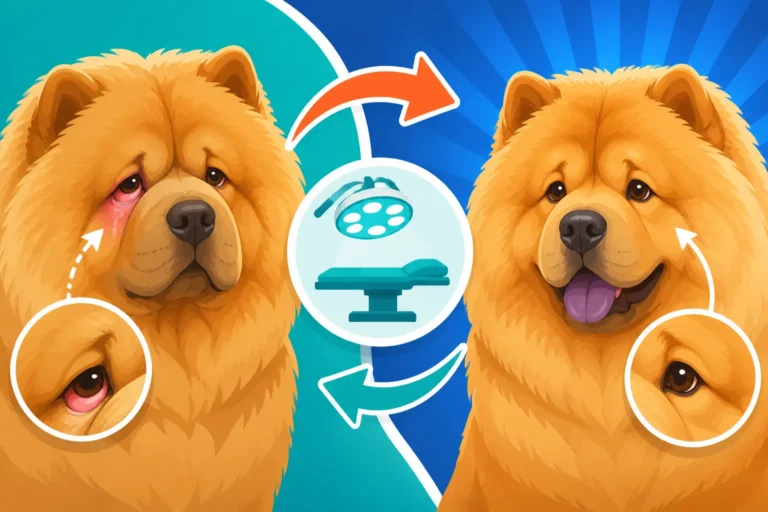
When conservative management isn't sufficient, or in cases of severe dysplasia, surgical intervention may be recommended. The type of surgery depends entirely on the specific form of elbow dysplasia diagnosed. For instance, arthroscopy (minimally invasive surgery) can be used to remove fragmented coronoid processes or OCD flaps. In more complex cases, procedures like Proximal Abducting Ulnar Osteotomy (PAUL) or sliding humeral osteotomy may be performed to alter the joint mechanics and improve congruity. In very severe, end-stage cases with debilitating pain, elbow replacement or joint fusion (arthrodesis) might be considered, though these are less common and typically reserved as a last resort.
The prognosis following surgery varies based on the severity of the dysplasia, the specific procedure performed, and how early the intervention takes place. While surgery can significantly reduce pain and improve function, it does not guarantee a completely normal elbow, and arthritis will still develop over time. Post-operative rehabilitation, including strict rest followed by controlled physical therapy, is crucial for optimal recovery. Many owners wonder What Elbow Surgery Costs on a Chow Chow, and it's a significant financial consideration, often requiring detailed discussions with your veterinary surgeon.
The Financial and Emotional Impact on Owners
Dealing with a diagnosis of elbow dysplasia in your Chow Chow isn't just about managing a medical condition; it also brings substantial financial and emotional challenges. From vet bills to lifestyle adjustments, it's a journey that requires commitment and support.
The Cost of Diagnosis and Treatment
Let's be realistic: veterinary care for chronic conditions like elbow dysplasia can be expensive. The initial diagnosis alone involves consultations, sedation, and multiple X-rays, which can easily run into several hundred dollars. If a specialist orthopedic consultation is needed, that adds another layer of cost.
Once diagnosed, treatment costs begin. Non-surgical management might include monthly prescriptions for NSAIDs (which can cost $50-$200 per month depending on the medication and dosage), regular joint supplements ($20-$50 per month), and potentially ongoing physical therapy sessions ($50-$150 per session, often needed weekly for a period). Surgical intervention, if recommended, is a major expense. Depending on the complexity and location, elbow surgery can range from $2,500 to $6,000 or more per elbow. This doesn't include the extensive post-operative care, medications, and rehabilitation. Over the course of your Chow Chow's life, these costs can accumulate significantly, making What a Chow Chow Costs Over Its Lifetime a truly substantial figure.
Navigating Pet Insurance for Elbow Dysplasia
This is where pet insurance can be a lifesaver, but it's crucial to understand the nuances, especially concerning pre-existing conditions. Most pet insurance policies, including those from providers like Healthy Paws, will not cover conditions that were present or showed symptoms before the policy's effective date or during its waiting periods.
If you enroll your Chow Chow in a pet insurance plan before any signs of elbow issues emerge, and before diagnosis, a comprehensive policy like those offered by Healthy Paws can provide significant financial relief. They typically cover diagnostics, surgery, medications, and even rehabilitation therapies related to accidental injuries and illnesses. However, if your Chow Chow already has a diagnosis or has shown symptoms, it will almost certainly be considered a pre-existing condition, meaning the costs associated with its treatment will not be covered. This underscores the importance of obtaining pet insurance for your Chow Chow as early as possible, ideally when they are a healthy puppy, to ensure coverage for potential breed-specific conditions that might arise later. Always read the policy details carefully to understand what is covered and what limitations apply.
Living with a Chow Chow with Chronic Pain
Beyond the financial strain, living with a Chow Chow experiencing chronic pain from elbow dysplasia takes an emotional toll. It's heartbreaking to see your beloved pet struggling, even with medication. You might feel guilty, frustrated, or helpless.
Your lifestyle will likely need adjustments. Long, strenuous hikes might be replaced with shorter, more frequent, controlled walks. Jumping into the car or onto the couch might become impossible, requiring you to lift them or install ramps. Special orthopedic beds become a necessity. Monitoring their comfort level daily, adjusting medications, and ensuring they have a good quality of life become central concerns. It's about finding a new rhythm that accommodates their needs, ensuring they can still enjoy life without unnecessary pain. The goal is to minimize pain and maximize mobility, understanding that arthritis is likely to become an issue as your Chow ages, just as The Age a Chow Chow Gets Arthritis might surprise some owners.
Prevention and Responsible Breeding Practices
While elbow dysplasia can be a formidable challenge, proactive steps in breeding and puppy rearing can significantly reduce its incidence and severity. Prevention starts long before a puppy arrives in its new home.
The Role of Health Screening for Breeders
For any responsible Chow Chow breeder, health screening for elbow dysplasia is a non-negotiable step. This involves X-raying breeding dogs' elbows and submitting the radiographs to a recognized registry, such as the Orthopedic Foundation for Animals (OFA) or the British Veterinary Association/Kennel Club (BVA/KC) in the UK. Dogs are then assigned a score or grade that indicates the health of their elbows. Only dogs with "normal" or "good" elbow clearances should ever be used for breeding.
A breeder who is genuinely committed to the health of the breed will be transparent about these results. They should be able to provide you with copies of the OFA certificates or BVA scores for both parents of any litter. This isn't just a suggestion; it’s a critical part of ethical breeding. Without this screening, breeders are essentially guessing about the genetic health of their lines, and that's a gamble no responsible owner should take. Always ask to see these health clearances when inquiring about a puppy, and don't settle for excuses. For more information, read Which Health Tests a Chow Chow Breeder Should Run.
Managing Puppy Growth for Joint Health
Even with excellent genetics, how a Chow Chow puppy is raised plays a crucial role in preventing or minimizing the expression of elbow dysplasia. Rapid growth, excessive weight, and high-impact exercise can all put undue stress on developing joints.
Key strategies for managing puppy growth include:
- Appropriate Nutrition: Feed a high-quality large-breed puppy food formulated for slow growth. These diets typically have controlled calcium and phosphorus levels to prevent abnormal bone development. Avoid free-feeding, and stick to recommended portion sizes.
- Controlled Exercise: While exercise is important for overall health, it needs to be age-appropriate and low-impact. Avoid activities that involve excessive jumping, running on hard surfaces, or repetitive pounding. Short, frequent walks on soft ground are preferable. Prolonged strenuous exercise, especially in young puppies, can significantly increase the risk.
- Avoid High-Impact Activities: Resist the urge to let your puppy climb stairs repeatedly, jump on and off furniture, or engage in intense, unsupervised play with larger, rougher dogs. These activities place immense stress on their still-developing growth plates and joints. Knowing Whether a Chow Chow Puppy Should Climb Stairs is a common concern that proactive owners address.
- Maintain a Lean Body Condition: Keep your puppy lean, allowing them to grow slowly and steadily. Overweight puppies put more stress on their joints, exacerbating any predispositions.
By carefully managing your Chow Chow puppy's environment and diet during their critical growth period, you give them the best possible chance for healthy joint development, even if they carry some genetic predisposition.
Choosing a Reputable Breeder to Minimize Risk
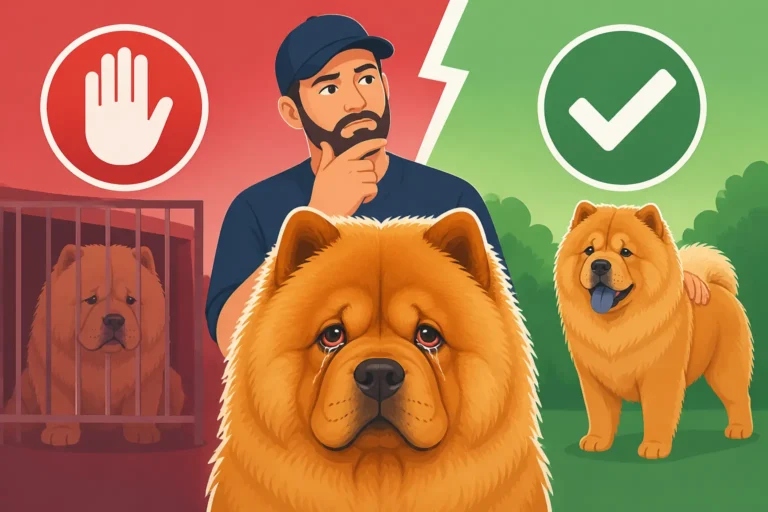
Ultimately, one of the most impactful decisions you can make to reduce the risk of elbow dysplasia in your Chow Chow is choosing a truly reputable breeder. A good breeder does more than just health test; they meticulously research pedigrees, understand genetic lines, and make breeding decisions based on improving the health and temperament of the breed.
When looking for a breeder:
- Ask about health clearances: Insist on seeing OFA or BVA certificates for both parents, specifically for elbows (and hips, as hip dysplasia is another common concern).
- Inquire about family history: Ask if elbow dysplasia has appeared in previous generations or in siblings of the parents. A good breeder will be open about potential issues in their lines.
- Observe the parents: If possible, meet the parent dogs. Are they sound and free from lameness? Are they of a healthy weight?
- Question their rearing practices: Understand how the puppies are raised, their diet, and their early exercise regimen.
- Expect a health guarantee: Reputable breeders often provide a written health guarantee, sometimes covering breed-specific genetic conditions like elbow dysplasia, for a certain period. This often dictates what recourse you have if your Chow Chow develops issues within that timeframe.
Choosing a breeder who prioritizes health over color or quick sales is the single most important step in welcoming a healthy Chow Chow into your family.
| Condition | Description | Common Symptoms | Typical Onset Age |
|---|---|---|---|
| Elbow Dysplasia | Abnormal development of the elbow joint, leading to arthritis. | Limping (especially after rest), stiffness, reluctance to play, bunny hopping | 4-12 months |
| Hip Dysplasia | Malformation of the hip joint, causing instability and pain. | "Bunny hopping" gait, difficulty rising, reluctance to climb, pain in hips | 4 months to several years |
| Patellar Luxation | Kneecap (patella) slips out of its groove. | Intermittent limping, skipping steps, "hopping" on three legs | Any age, often young |
| Osteochondrosis Dissecans (OCD) | Cartilage flap in a joint, common in shoulders, elbows, hocks, stifles. | Lameness, pain upon joint manipulation, joint swelling | 5-10 months |
Disclaimer
The information provided in this article is for general informational purposes only and is not intended as a substitute for professional veterinary advice, diagnosis, or treatment. Always seek the advice of your veterinarian or other qualified animal health provider with any questions you may have regarding a medical condition or the health and well-being of your pet.