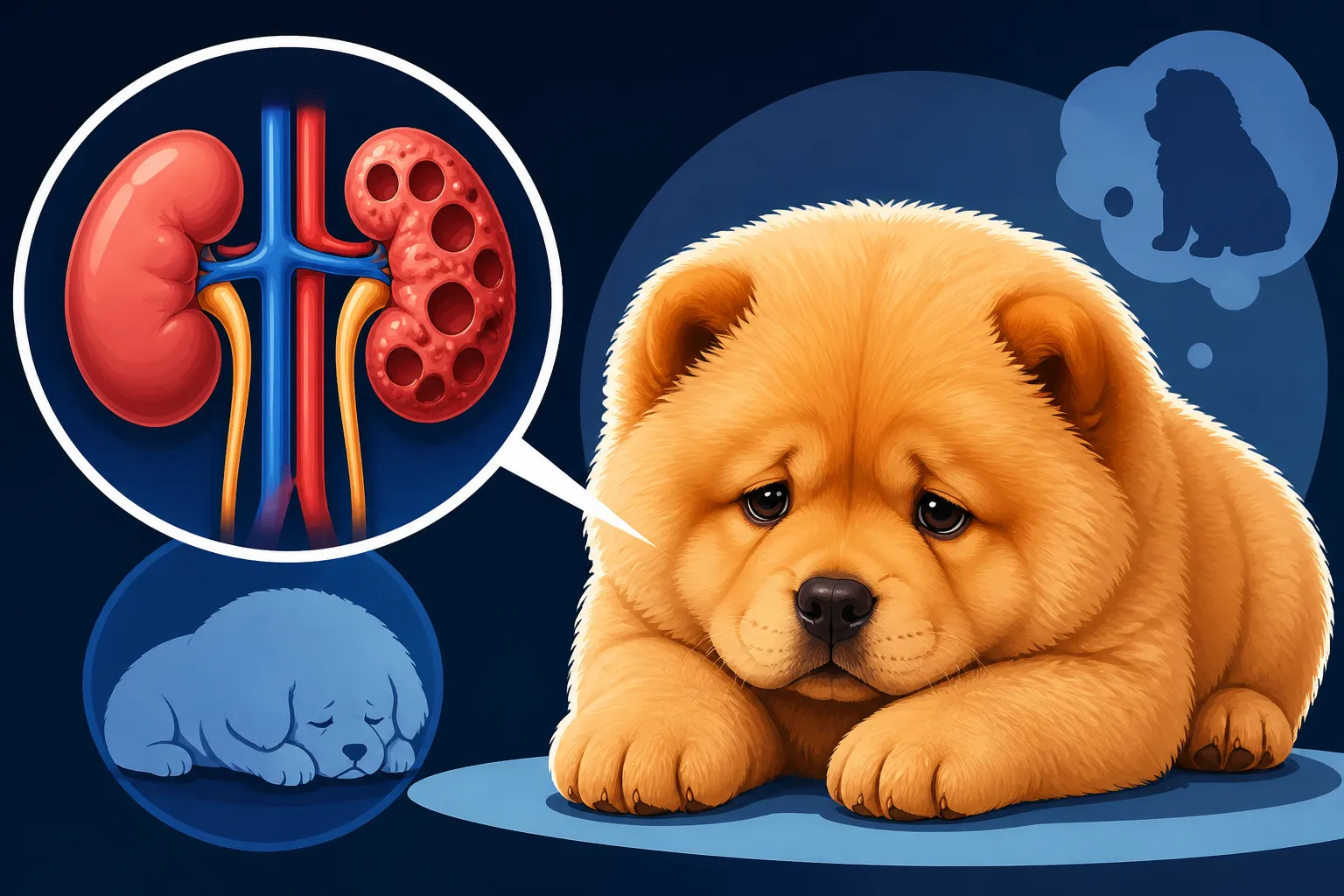
What Renal Dysplasia Does to a Chow Chow Puppy
Discovering that your adorable Chow Chow puppy might have a severe, progressive kidney disease like renal dysplasia is a truly heartbreaking and terrifying experience for any pet parent. The sudden shift from dreams of a long, happy life together to facing a devastating health challenge can feel overwhelming. This comprehensive guide aims to demystify renal dysplasia in Chow Chows, detailing exactly what it means for your puppy, how it progresses, and what steps you can take to provide the best possible care.
Understanding Renal Dysplasia in Chow Chow Puppies
Renal dysplasia is a developmental disorder of the kidneys, meaning the kidneys didn't form correctly during fetal development. For Chow Chows, it's a particularly cruel twist of fate because the breed is unfortunately predisposed to this inherited condition. Instead of developing into fully functional, mature kidneys capable of filtering waste and maintaining fluid balance, affected puppies have kidneys with immature and disorganized structures. This isn't something that happens to them after birth; it's something they are born with, a ticking time bomb often unnoticed until symptoms become undeniably severe. The challenge lies in its insidious nature – early on, a puppy might seem perfectly normal, masking the silent damage occurring within.
What Constitutes Renal Dysplasia?
At its core, renal dysplasia means that parts of the kidney tissue that should have matured into functional nephrons – the tiny filtering units – remain underdeveloped or disorganized. Imagine building a complex machine, but certain critical components are missing or improperly assembled; that's essentially what happens to the kidneys in a dysplastic puppy. Instead of an orderly arrangement of tubules and glomeruli designed for efficient filtration and reabsorption, you find fetal remnants, primitive ducts, and sometimes cysts. These dysfunctional areas cannot perform the vital tasks of removing toxins from the blood, regulating blood pressure, or producing hormones. Over time, the remaining healthy kidney tissue becomes overworked, leading to progressive scarring and further decline in function. This progressive damage explains why even mild cases can worsen with age, eventually leading to full-blown kidney failure.
The Genetic Predisposition in Chow Chows
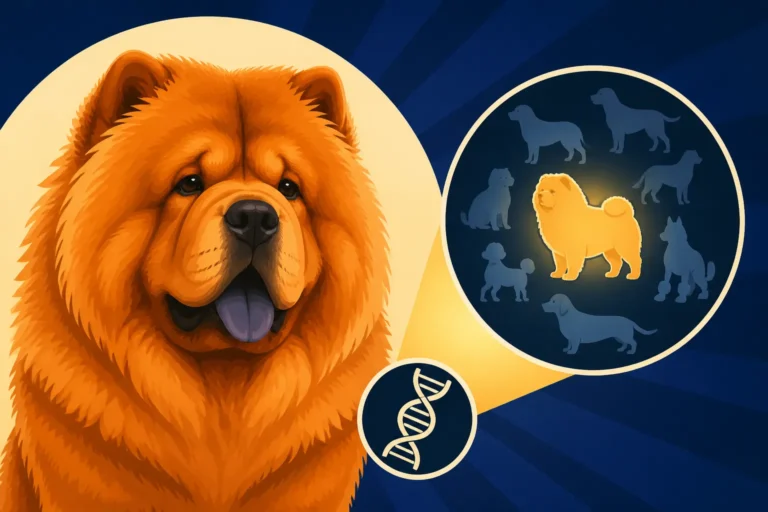
The Chow Chow's susceptibility to renal dysplasia isn't just bad luck; it's a genetically inherited condition. This means that specific genes passed down from the parents contribute to the improper development of the kidneys. While the exact mode of inheritance can be complex, often it's thought to be an autosomal recessive trait, meaning a puppy must inherit two copies of the faulty gene (one from each parent) to be affected. Dogs carrying only one copy might appear healthy but can still pass the gene on to their offspring, unknowingly perpetuating the problem within a breeding line. This genetic link is why ethical breeders are so crucial and why a responsible breeder should have tested their breeding stock for known genetic markers if available, or at least have a clear history of healthy kidneys in their lines. The unfortunate reality is that Familial Renal Dysplasia Kills Young Chow Chows, making careful breeding practices absolutely paramount for the future health of the breed.
Recognizing the Early Signs in Your Chow Chow Puppy
One of the most frustrating aspects of renal dysplasia is that the early signs can be incredibly subtle, easily mistaken for normal puppy behavior, or attributed to other, less serious issues. You might have a playful, seemingly robust Chow Chow puppy who occasionally seems a little more tired than its littermates, or perhaps it drinks a bit more water. These minor deviations from the norm are often dismissed, leading to delays in diagnosis that can unfortunately impact the puppy's prognosis. As the kidneys become more compromised, the signs become more pronounced and alarming, making early vigilance incredibly important.
Increased Thirst and Urination
This is often one of the first and most noticeable symptoms, yet it's frequently overlooked because, let's be honest, puppies drink a lot and pee a lot! However, with renal dysplasia, the amount of water your puppy consumes, and subsequently eliminates, will be significantly higher than normal for its age and activity level. The damaged kidneys struggle to concentrate urine, meaning they can't reabsorb enough water back into the body. This results in the puppy producing large volumes of very dilute urine, and to compensate for the fluid loss, they drink excessively. You might find yourself refilling the water bowl more frequently or noticing unusually large puddles during potty breaks. If you find yourself asking, "Why is my Chow Chow puppy constantly drinking and peeing?" it’s worth investigating. This persistent thirst and urination, known as polydipsia and polyuria respectively, are red flags. Observing Signs a Chow Chow Puppy Is Drinking Too Much is a critical first step.
Lethargy and Poor Growth
While puppies are bundles of energy, a Chow Chow puppy with renal dysplasia may show a noticeable lack of vigor. They might be less enthusiastic about playtime, spend more time sleeping, or tire out much faster than their littermates or other puppies of the same age. This isn't just "being a relaxed Chow Chow"; it's a sign that their body isn't functioning optimally. The accumulation of toxins in the blood (uremia) due to poor kidney filtration can make them feel generally unwell and sluggish. Additionally, inadequate kidney function can interfere with hormone production and nutrient absorption, leading to stunted or poor growth. A puppy that consistently lags behind its peers in size and muscle development, despite eating adequately, should raise concerns. You expect your puppy to grow strong and healthy, and when it doesn't, it’s a clear sign something is amiss.
Decreased Appetite and Weight Loss
As renal dysplasia progresses, the build-up of waste products in the blood can cause nausea and a general feeling of malaise, significantly impacting your puppy's appetite. What was once a voracious eater might become picky, disinterested in food, or even completely refuse meals. This reduced food intake, combined with the body's inability to properly utilize nutrients, inevitably leads to weight loss. This can be particularly tricky to spot in a young Chow Chow with its naturally dense, fluffy coat, which can easily hide a declining body condition. You might feel their ribs more prominently when petting them, or their muscle mass might diminish. This lack of appetite is often accompanied by other gastrointestinal signs, such as occasional vomiting or diarrhea, as the body struggles to cope with the internal imbalance.
The Progression and Severity of Renal Dysplasia
The journey with renal dysplasia is often a race against time, as the condition is progressive and, sadly, irreversible. While some puppies might have very mild forms that allow for a longer lifespan, many experience a rapid decline as their immature kidneys fail to keep up with the demands of a growing body. Understanding this progression can help you prepare for the challenges ahead and make informed decisions about your Chow Chow's care.
How Renal Dysplasia Shrinks a Chow Chow's Kidneys
In a healthy dog, kidneys are a decent size, performing their vital filtration duties. However, in cases of renal dysplasia, the kidneys are often smaller than normal, irregular in shape, and may feel unusually firm. This shrinking isn't because they're being "used up"; it's because they never fully developed in the first place, or the healthy tissue that did exist becomes progressively damaged and scarred. As more and more functional tissue is replaced by non-functional scar tissue (fibrosis), the kidneys lose their ability to filter waste and maintain crucial bodily balances. The damage effectively How Renal Dysplasia Shrinks a Chow Chow's Kidneys, leaving less and less capacity for normal function. This atrophy makes the prognosis challenging, as the kidney capacity continuously diminishes.
The Age Renal Dysplasia Manifests and Progresses
While renal dysplasia is a congenital condition, the age at which clinical signs become apparent can vary widely. Some Chow Chow puppies might show severe symptoms as early as 3-6 months of age, requiring intensive veterinary care. For others, the condition might be more subtle, with signs not becoming obvious until they are older puppies or even young adults, around 1-2 years old. This variability depends on the severity of the dysplasia and how much functional kidney tissue the puppy was born with. However, once symptoms start, the progression is typically relentless. The kidneys' inability to regenerate means that the damage accumulates, eventually leading to end-stage renal failure. This is why The Age Renal Dysplasia Kills a Chow Chow can be tragically young, highlighting the urgency of early diagnosis and management. The insidious nature means pet owners might not even realize the severity until it’s too late.
Potential Complications of Kidney Failure
As the kidneys fail, a cascade of severe health problems can develop, turning a difficult situation into a critical one. Beyond the immediate issues of toxin buildup, chronic kidney disease can lead to:
- Anemia: The kidneys produce erythropoietin, a hormone essential for red blood cell production. Failing kidneys produce less of this hormone, leading to a shortage of red blood cells and subsequent anemia. This contributes to lethargy and weakness.
- High Blood Pressure (Hypertension): Kidneys play a crucial role in regulating blood pressure. When they malfunction, blood pressure can dangerously increase, putting strain on the heart, eyes, and brain.
- Bone Disease (Renal Osteodystrophy): Imbalances in calcium and phosphorus, often seen in kidney disease, can lead to weakening of the bones and other skeletal issues.
- Oral Ulcers and Bad Breath: The accumulation of toxins in the body, particularly urea, can cause ulcers in the mouth and a distinct ammonia-like odor on the breath.
- Seizures: In severe, end-stage kidney failure, the buildup of toxins can affect the brain, leading to neurological symptoms, including seizures.
These complications dramatically impact the puppy's quality of life and are often the direct cause of severe illness or death. Managing these secondary conditions becomes as critical as trying to support the failing kidneys themselves.
Diagnosis and Management Options for Affected Puppies
If you suspect your Chow Chow puppy might have renal dysplasia, getting an accurate diagnosis is the critical first step. While the news can be devastating, understanding the condition is essential for implementing a management plan to maximize your puppy's comfort and lifespan. There's no cure for renal dysplasia, but proactive care can make a significant difference.
Diagnostic Tools for Renal Dysplasia
Diagnosing renal dysplasia involves a combination of tests, typically starting with routine blood work and urinalysis.
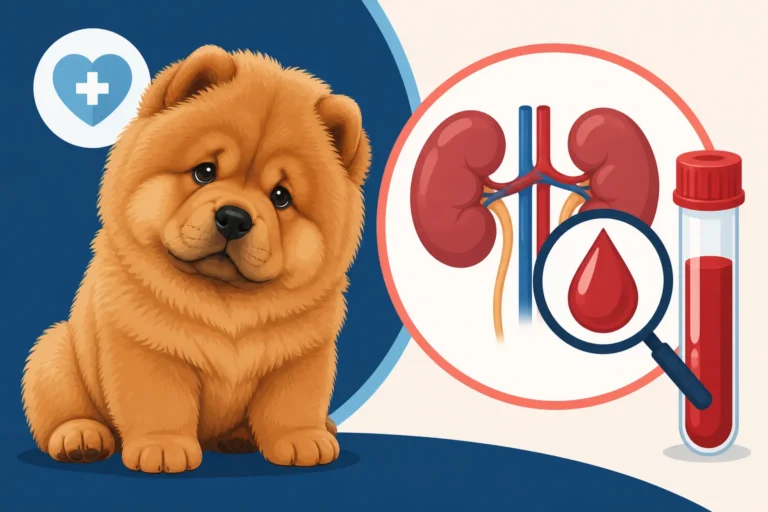
- Blood Work: A chemistry panel will look for elevated levels of creatinine and blood urea nitrogen (BUN), which are waste products that healthy kidneys should filter out. If these levels are high, it indicates impaired kidney function. Your vet will also check for electrolyte imbalances, like high phosphorus or low potassium, which are common with kidney disease.
- Urinalysis: A urine sample will reveal if the kidneys are able to concentrate urine properly. With renal dysplasia, the urine is often very dilute, even if the puppy is dehydrated. Protein in the urine (proteinuria) is another significant indicator of kidney damage.
- Imaging: Ultrasounds are incredibly helpful. They allow the veterinarian to visualize the size and structure of the kidneys. In cases of renal dysplasia, the kidneys might appear small, irregular, or have an abnormal internal architecture, sometimes with cysts. An ultrasound can also help rule out other causes of kidney issues.
- Kidney Biopsy: The definitive diagnosis of renal dysplasia often requires a kidney biopsy. This involves taking a small tissue sample from the kidney and examining it under a microscope. A veterinary pathologist can then confirm the presence of immature nephrons, disorganized tissue, and fibrosis, providing a conclusive diagnosis. This is an invasive procedure and is usually considered after other tests point strongly to renal dysplasia, to confirm the condition and rule out other diseases. For a clear understanding, When a Chow Chow Puppy Needs Kidney Bloodwork is a key indicator of when to seek veterinary attention.
Medical Management and Supportive Care
While there's no cure, management focuses on slowing progression, alleviating symptoms, and maintaining quality of life. This often involves a multi-faceted approach:
- Dietary Changes: A prescription kidney diet is fundamental. These diets are specifically formulated to be lower in protein, phosphorus, and sodium, which reduces the workload on the kidneys and helps manage toxin buildup. Brands like Royal Canin, Hill's Prescription Diet, and Purina Pro Plan Veterinary Diets offer excellent options.
- Fluid Therapy: Ensuring your puppy stays well-hydrated is crucial. In some cases, especially during periods of crisis or dehydration, subcutaneous fluids administered at home can significantly help support kidney function and flush out toxins.
- Medications: Various medications can help manage specific symptoms:
- Phosphate Binders: To control elevated phosphorus levels.
- Antihypertensives: To manage high blood pressure.
- Anti-nausea medications and appetite stimulants: To help maintain food intake.
- Potassium supplements: If potassium levels are too low.
- Erythropoietin injections: In severe cases of anemia to stimulate red blood cell production.
- Regular Monitoring: Frequent veterinary check-ups, including blood and urine tests, are essential to monitor the progression of the disease and adjust treatment protocols as needed. This proactive monitoring can help catch issues before they become emergencies.
The Role of Pet Insurance like Healthy Paws
Dealing with a chronic, progressive illness like renal dysplasia can be incredibly expensive, often racking up thousands of dollars in diagnostic tests, specialist consultations, prescription diets, and ongoing medications. This is where pet insurance can be a literal lifesaver. Companies like Healthy Paws offer comprehensive coverage that can help mitigate the financial burden of such a condition. While pre-existing conditions are typically not covered, if you have insurance in place before any signs of renal dysplasia appear, it can significantly ease the stress of providing long-term care. It's truly disheartening to see families struggle with treatment decisions purely due to cost, and a good insurance plan can remove that agonizing choice. Consider investing in a robust pet insurance policy, such as those offered by Healthy Paws, early in your Chow Chow's life.
Preventative Measures and Ethical Breeding
Given the genetic nature of renal dysplasia in Chow Chows, prevention largely hinges on responsible breeding practices. As prospective puppy owners, it's crucial to understand what to look for in a breeder and what questions to ask to minimize the risk of bringing home an affected puppy.
Health Testing for Breeding Chows
Reputable breeders are committed to the long-term health of their lines and perform extensive health testing on their breeding dogs. While a direct DNA test for renal dysplasia in Chow Chows is not universally available or fully comprehensive, breeders should still screen for potential kidney issues through other means. This includes regular complete blood counts and chemistry panels, and thorough urinalysis to assess kidney function. Additionally, performing regular kidney ultrasounds on breeding stock can help detect any abnormalities in kidney structure that might indicate a predisposition or carrier status. It is essential to choose a breeder who can show clear health certifications and a history of robust health in their dogs. Ask specifically about Which Health Tests a Chow Chow Breeder Should Run, and don’t shy away from asking for proof of these tests for both parents.
Why Choosing a Reputable Breeder Matters
The difference between a responsible breeder and an irresponsible one can literally be the difference between a lifetime of joy with a healthy dog and years of heartbreak and immense veterinary bills. A reputable breeder will:
- Health Test: They will transparently share all health clearances for the parents, including any available genetic tests for known breed-specific issues and general kidney health screenings.
- Provide a Health Guarantee: While not a foolproof solution, a strong health guarantee offers some protection against inherited diseases. Understand its terms fully before committing.
- Know Their Lines: They will be knowledgeable about the health history of their dogs' ancestors, not just the immediate parents. They should be able to discuss any instances of renal dysplasia or other serious health issues in their pedigrees. The question of Whether Renal Dysplasia Runs in Chow Chow Lines is one they should be able to answer confidently.
- Socialize Puppies: Healthy puppies come from healthy environments. A good breeder will socialize their puppies properly and care for them in a clean, nurturing environment.
- Be Available for Support: They should be a lifelong resource for you, willing to answer questions and provide guidance throughout your Chow Chow's life.
Avoiding "backyard breeders" or puppy mills is critical. These operations often prioritize profit over health, skimping on health testing and ethical breeding practices, which perpetuates severe genetic problems like renal dysplasia. The cheapest puppy almost always ends up being the most expensive in the long run.
Is There a DNA Test for Renal Dysplasia?
This is a question many prospective Chow Chow owners rightfully ask. For some breeds, specific genetic tests exist for inherited kidney diseases. While research is ongoing, a widely available, definitive DNA test that identifies all forms of renal dysplasia or all carriers in Chow Chows is not yet standard or fully comprehensive. This makes clinical screening methods, like regular bloodwork, urinalysis, and ultrasound, even more important for breeders. However, the scientific understanding of canine genetics is constantly evolving. It's always a good idea to check with national breed clubs, such as the Chow Chow Club of America, and veterinary geneticists for the latest information on available tests. As of now, the answer to Whether Renal Dysplasia Has a DNA Test is complicated, emphasizing the need for multiple screening methods.
Living with a Chow Chow Puppy Diagnosed with Renal Dysplasia
Receiving a diagnosis of renal dysplasia for your Chow Chow puppy is devastating, but it doesn't mean an immediate end. It means your journey together will be different, requiring immense dedication, care, and a realistic understanding of the prognosis. Your focus will shift to maximizing your puppy's quality of life for as long as possible.
Daily Care Adjustments for Your Puppy
Adapting your daily routine is paramount. Your diagnosed Chow Chow puppy will likely need a very structured and supportive environment:
- Strict Dietary Adherence: This is non-negotiable. Stick to the prescription kidney diet recommended by your veterinarian. Avoid table scraps and treats not approved for kidney patients, as even small deviations can upset their delicate balance.
- Hydration is Key: Always ensure fresh water is available. Encourage drinking, and be prepared to administer subcutaneous fluids at home if your vet recommends it. This might sound daunting, but your vet team can teach you how, and it becomes a routine quickly.
- Medication Schedule: Be diligent with all prescribed medications. Consistency is vital for managing symptoms and slowing progression. Setting reminders can be helpful.
- Comfort and Environment: Keep your puppy comfortable. Ensure they have a warm, soft place to rest. Minimize stress, as stress can exacerbate health issues.
- Monitoring Symptoms: Keep a close eye on your puppy's energy levels, appetite, thirst, urination, and any signs of nausea or discomfort. A logbook can be helpful to track these, especially when reporting back to your vet.
The Importance of Regular Veterinary Check-ups
With a diagnosis of renal dysplasia, your Chow Chow puppy will become a frequent visitor to the veterinary clinic. These regular check-ups are not just routine; they are critical for managing a progressive disease. Your vet will monitor:
- Kidney Values: Regular blood tests to track BUN, creatinine, phosphorus, and calcium levels.
- Blood Pressure: Hypertension is a common complication and needs to be managed to protect other organs.
- Urine Health: Urinalysis will check urine concentration and protein levels.
- Weight and Body Condition: To ensure your puppy is maintaining adequate nutrition.
- Overall Well-being: Your vet will assess your puppy’s general demeanor, hydration, and comfort levels.
These frequent visits allow your veterinary team to adjust medications, diet, and supportive therapies as the disease progresses, optimizing your puppy's comfort and helping to identify new complications early. This ongoing partnership with your vet is invaluable.
Quality of Life Considerations
This is perhaps the hardest aspect of living with a puppy diagnosed with a terminal illness. You will constantly be evaluating your Chow Chow's quality of life. This means looking beyond the numbers on a blood test and focusing on their overall happiness and comfort. Ask yourself:
- Are they still enjoying their favorite activities, even if it's just a short, gentle walk or cuddle time?
- Are they eating enough to maintain some energy?
- Are they experiencing pain or significant discomfort that can't be managed?
- Do they still have "good days"?
There will come a time when the bad days start to outweigh the good, and the treatments become more about prolonging suffering than preserving joy. Making the decision to say goodbye is the most painful act of love, but it is often the kindest choice for a beloved pet facing relentless decline. Companies like Healthy Paws can cover end-of-life care, but the emotional toll remains immense. Cherish every moment, provide the best care you can, and make decisions based on your puppy's well-being, not just your own desire for more time. Despite the challenges, knowing you've provided a loving, comfortable home for their entire life, however long or short, is its own reward.
| Symptom Category | Early Signs (Subtle) | Advanced Signs (Severe) |
|---|---|---|
| Urination & Thirst | Increased water intake, slightly more frequent peeing | Excessive drinking, frequent large volumes of dilute urine, accidents |
| Energy Levels | Mild lethargy, tires easily, less enthusiastic play | Significant lethargy, weakness, minimal interest in activity |
| Appetite & Weight | Slightly picky, occasional skipped meals, slow growth | Anorexia, severe weight loss, muscle wasting, vomiting |
| Appearance | Unremarkable, perhaps slightly smaller for age | Dull coat, poor body condition, sunken eyes |
| Other | Oral ulcers, bad breath, anemia, seizures (late stage) |
Disclaimer
The information provided in this guide is for informational purposes only and is not a substitute for professional veterinary advice. If you suspect your Chow Chow puppy has renal dysplasia or any other health condition, please consult with a qualified veterinarian immediately. Only a veterinary professional can accurately diagnose and recommend appropriate treatment plans for your pet.