Signs a Chow Chow’s Thyroid Is Low
It can be incredibly disheartening when your beloved Chow Chow starts acting a little "off" – perhaps they're not as playful, their beautiful coat is looking lackluster, or they're gaining weight despite no change in diet. These subtle shifts can be hard to pinpoint, especially with a breed known for its stoicism and dense fur. This comprehensive guide will walk you through the common and less obvious signs that might indicate your Chow Chow has an underactive thyroid, also known as hypothyroidism, helping you recognize these crucial clues early.
Understanding Hypothyroidism in Chow Chows
Hypothyroidism, a condition where the thyroid gland doesn't produce enough hormones, is surprisingly common in dogs, and certain breeds, like our magnificent Chow Chows, are particularly susceptible. These hormones are vital, regulating metabolism, energy levels, skin health, and nearly every bodily function. When their production dips, the effects can be wide-ranging and often insidious, creeping up on your dog and mimicking other conditions.
What is Hypothyroidism?
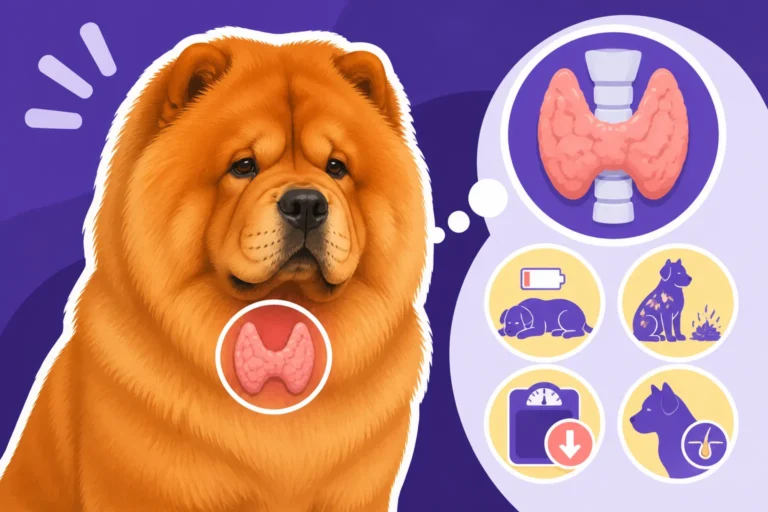
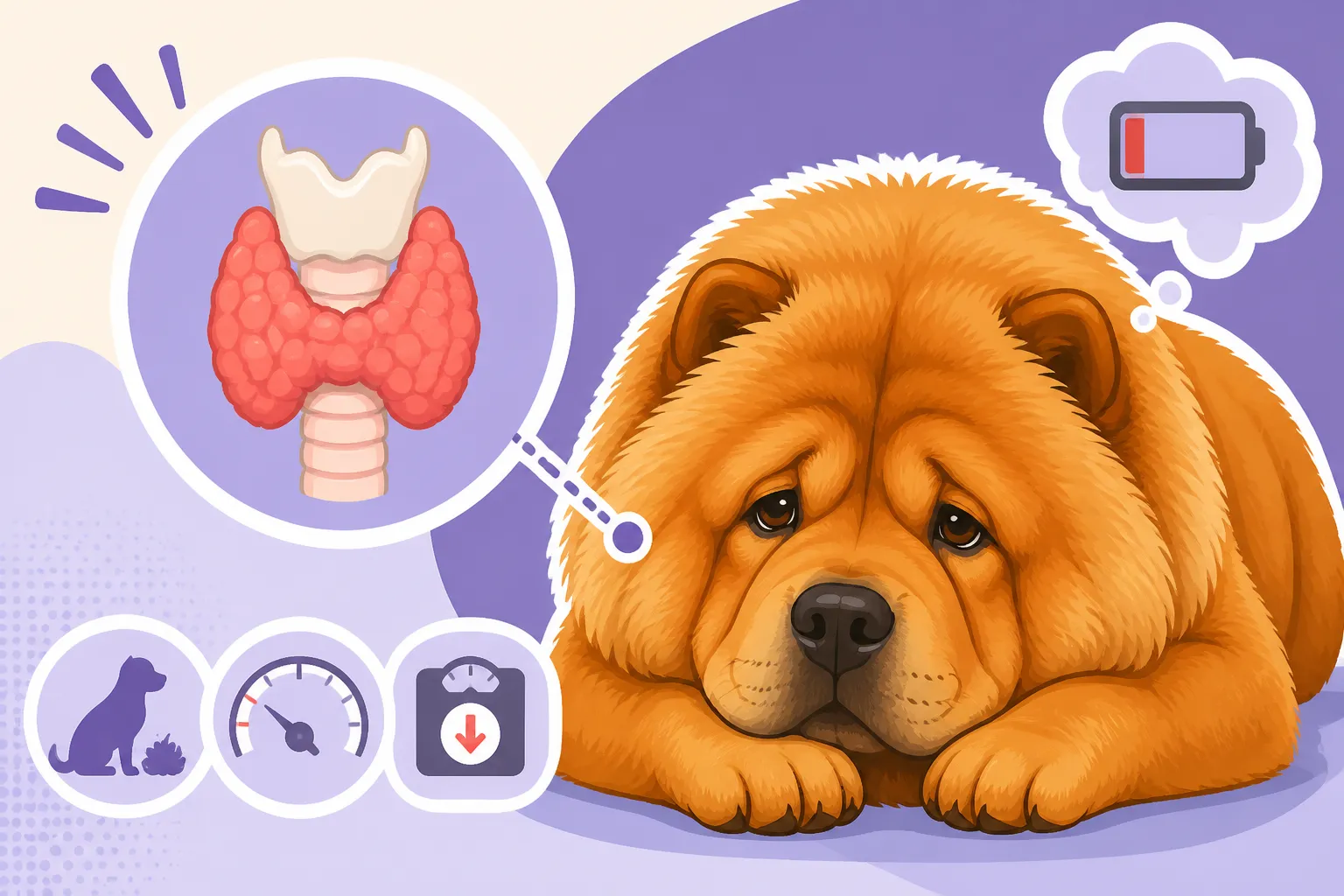
At its heart, hypothyroidism means a slowdown. The thyroid glands, located in your dog's neck, produce hormones like thyroxine (T4) and triiodothyronine (T3). These hormones act like the body's internal thermostat and accelerator pedal, controlling how quickly cells use energy. When there's a deficiency, everything from digestion to hair growth to brain function can be impacted. Think of it like your car trying to run on fumes – it might still go, but it's sluggish, inefficient, and eventually, parts start to wear down or malfunction. Most cases in dogs are primary hypothyroidism, meaning the problem lies directly with the thyroid gland itself. Often, this is due to an autoimmune condition where the dog's own immune system mistakenly attacks and destroys the thyroid tissue, a condition known as autoimmune thyroiditis.
Why Chow Chows Are Prone to It
Chow Chows, unfortunately, are genetically predisposed to developing hypothyroidism. While the exact reasons for this breed-specific susceptibility aren't fully understood, it's widely accepted that genetics play a significant role. Their robust, dense double coat and often calm demeanor can inadvertently mask the early signs of the disease, making it even harder for owners to notice changes until the condition is quite advanced. This breed's unique physiology and genetic makeup mean that regular monitoring and awareness of subtle symptoms are especially important. If you’re wondering when a Chow Chow's thyroid should be tested, it’s often recommended as part of routine health checks, particularly as they approach middle age.
Common Physical Indicators of Low Thyroid
When a Chow Chow's thyroid is running low, the physical manifestations often start subtly but become more pronounced over time. Because these hormones regulate so many body systems, the signs can appear in unexpected places, especially concerning their skin and coat.
Changes in Coat and Skin Health
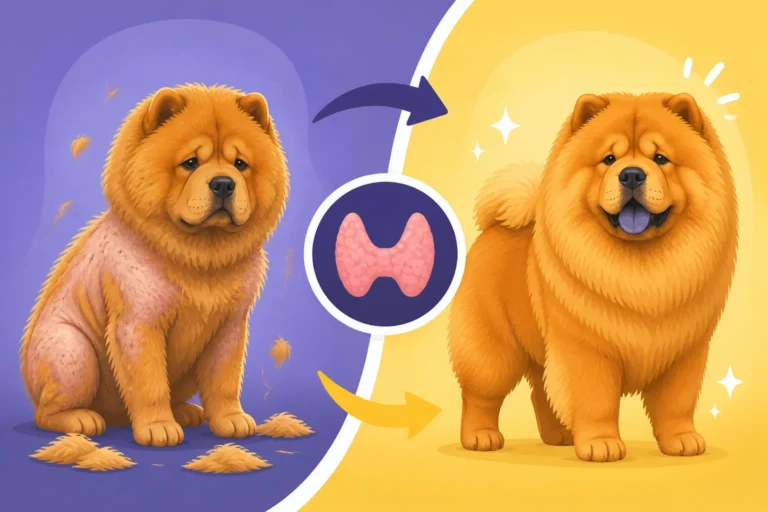
This is often one of the first areas where Chow Chow owners notice something is amiss. A healthy Chow Chow boasts a glorious, thick double coat. With hypothyroidism, you might notice your dog's once-luxurious fur becoming dull, dry, and brittle. It might feel coarse to the touch instead of soft. Owners often report excessive shedding that isn't related to their usual twice-yearly "coat blow," or conversely, a failure for new hair to grow back after shedding or clipping. Patches of hair loss, particularly on the flanks, chest, and tail, are classic signs. This hair loss is typically symmetrical and non-itchy, differentiating it from allergies or parasites. The tail, in particular, can develop a "rat tail" appearance, where the fur becomes thin and sparse. The skin itself can also suffer; it might become thickened, greasy, or develop dark pigmentation, a condition called hyperpigmentation. In some cases, chronic skin infections that don't seem to clear up might be a symptom, as the immune system is also compromised. Given how a Chow Chow's dense coat hides skin disease, it’s crucial to do regular, thorough grooming to check their skin. If you notice whether a hypothyroid Chow Chow loses coat, it's definitely a sign to consult your vet.
Unexplained Weight Gain and Metabolism Shifts
Another very common indicator of a low thyroid is unexplained weight gain. Despite no increase in food intake or a decrease in exercise, your Chow Chow might start putting on pounds. This happens because thyroid hormones are central to regulating metabolism. When these hormones are deficient, the body's metabolic rate slows down significantly, meaning it burns fewer calories. This isn't just a cosmetic issue; excess weight puts a strain on your dog's joints, heart, and other organs, potentially exacerbating other health problems. Owners often express frustration because they're doing everything right with diet and exercise, but their dog still packs on the weight. This weight gain can be particularly insidious in Chow Chows, as their dense fur can hide a substantial amount of extra padding, making it hard to notice until it's quite advanced. It's important to monitor your Chow Chow's weight diligently, and if you suspect that a Chow Chow's weight gain is thyroid-related, seek veterinary advice immediately.
Puffy Face and Swollen Features
While less common than coat and weight issues, some Chow Chows with advanced hypothyroidism can develop a distinctive change in their facial features. This is often referred to as a "tragic" or "puffy" facial expression. It's caused by the accumulation of a specific type of sugar-protein molecule (glycosaminoglycans) and fluid under the skin, especially around the eyes and cheeks. This can make their face appear swollen, giving them a heavy-browed or sad look. You might also notice a thickening of the skin around their neck. This particular sign is a strong indicator of more severe hypothyroidism, as it typically doesn't appear in the early stages. It's one of those subtle changes that might initially be dismissed as just "getting older," but when combined with other symptoms, it forms a clearer picture.
Behavioral and Energy Level Changes
Chow Chows are known for their independent and somewhat aloof nature. This characteristic, while endearing, can make it challenging to detect subtle behavioral shifts that might signal an underlying health issue like hypothyroidism. However, observant owners will notice changes that go beyond their usual reserved demeanor.
Increased Lethargy and Reduced Activity
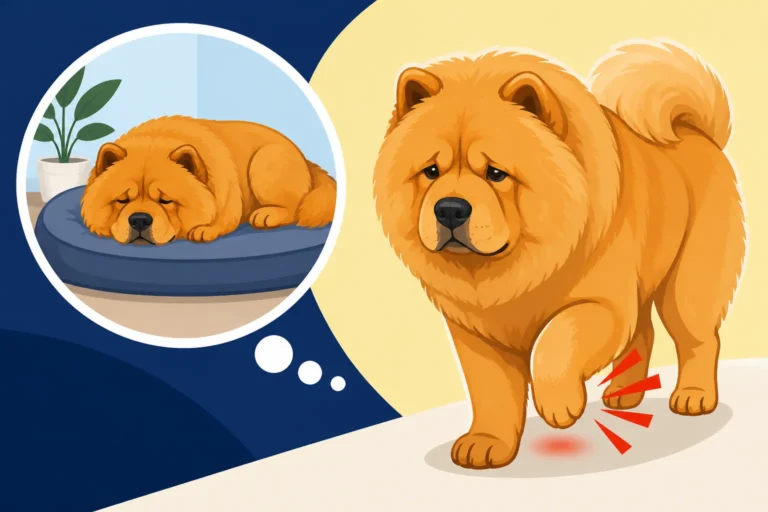
One of the most frequently reported behavioral signs of low thyroid is a noticeable decrease in energy and an increase in lethargy. Your Chow Chow might seem less enthusiastic about walks, shorter play sessions, or even their favorite activities. They might sleep more than usual, appear sluggish, or simply lack their characteristic spark. A dog that once enjoyed a good stroll around the neighborhood might now be reluctant to leave the house, or quickly tire during short excursions. It’s not just about physical tiredness; it's a general lack of drive and motivation. This can be particularly frustrating for owners who confuse it with simple aging, but this kind of profound lethargy is often beyond what you'd expect from a normally aging dog. This reduced activity can also contribute to the weight gain mentioned earlier, creating a vicious cycle.
Cold Intolerance and Seeking Warmth
Thyroid hormones play a crucial role in regulating body temperature. When a Chow Chow's thyroid function is low, their body struggles to generate and maintain heat efficiently. As a result, they may become intolerant to cold, even in environments that previously didn't bother them. You might notice your Chow Chow seeking out warm spots in the house more frequently, curling up tightly, or burrowing under blankets, even when the room temperature seems comfortable to you. They might shiver more easily or seem uncomfortable when outside on a chilly day, despite their thick double coat designed for colder climates. This symptom is particularly telling because it directly reflects the metabolic slowdown affecting their internal temperature regulation system.
Subtle Personality Shifts
While Chows are often described as independent and sometimes serious, a significant shift in their personality can be a red flag. With low thyroid, some Chow Chows become even more withdrawn, quieter, or less interactive with their family. They might seem more irritable, anxious, or even display uncharacteristic aggression, especially if they are uncomfortable or in pain from other symptoms. Conversely, a previously confident Chow might become more timid or fearful. These changes are often so subtle that they are initially dismissed as bad moods or simply "being a Chow." However, if your dog's temperament seems consistently altered, and they no longer seem like their usual self, it’s worth considering a deeper underlying cause. These shifts can affect how well your Chow Chow adjusts to new situations or interacts with others.
Less Obvious or Advanced Signs
While coat, weight, and lethargy are the classic indicators, hypothyroidism can manifest in other, less obvious ways, especially as the disease progresses or affects specific systems more severely. These signs often require careful observation and may not immediately point to a thyroid issue without other accompanying symptoms.
Eye and Ear Issues
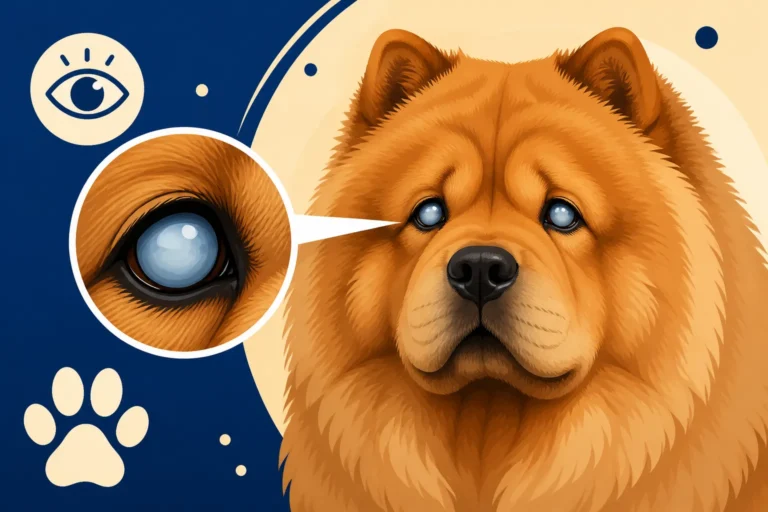
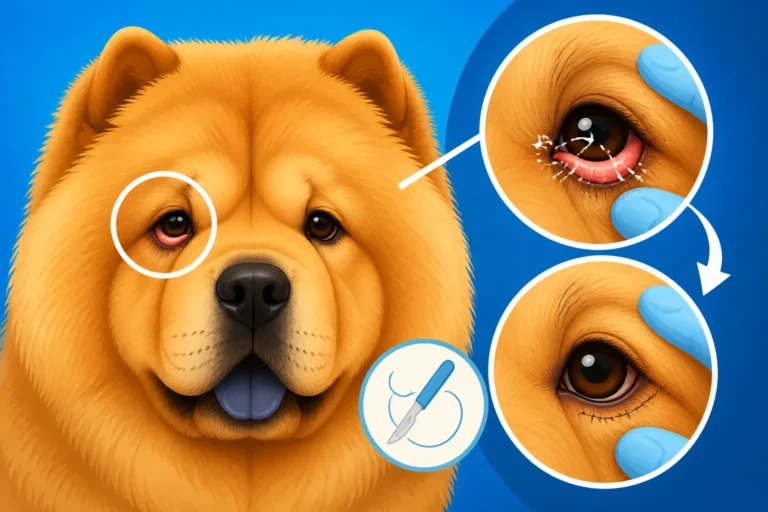
Believe it or not, a poorly functioning thyroid can impact your Chow Chow's eyes and ears. You might notice issues such as chronic ear infections that recur despite treatment, or a thickening of the ear leathers, making them feel boggy or puffy to the touch. In the eyes, some dogs may develop corneal lipid deposits, which appear as white or grey cloudy areas on the surface of the eye. While not exclusively caused by hypothyroidism, these can be a secondary symptom reflecting systemic metabolic disturbances. Furthermore, due to the general slowdown of the body, tear production can decrease, leading to dry eyes (keratoconjunctivitis sicca or KCS), which can make the eyes appear red, irritated, and produce thick discharge. Given the Chow Chow's propensity for eye issues like deep set eyes and entropion, any new or worsening eye problem should always be investigated promptly by a vet.
Reproductive Problems
For unspayed or unneutered Chow Chows, hypothyroidism can significantly impact reproductive health. Females might experience irregular heat cycles, prolonged estrus, or even infertility. Males might show decreased libido, poor semen quality, or testicular atrophy. Owners involved in breeding might notice difficulty conceiving or producing healthy litters. These reproductive issues stem from the thyroid hormones' critical role in regulating the endocrine system, which controls hormone production and reproductive function. If you have an intact Chow Chow and are observing any of these reproductive difficulties, especially alongside other general symptoms, a thyroid check should be a priority.
Neurological Symptoms
In rare and typically advanced cases, hypothyroidism can lead to neurological problems. This occurs when the chronic lack of thyroid hormones affects the nervous system. Symptoms can include weakness, unsteadiness or ataxia (a lack of coordination), facial nerve paralysis, or even seizures. Some dogs might develop a condition called polyneuropathy, affecting multiple nerves, leading to generalized weakness and muscle wasting. These neurological signs are usually seen in very severe, untreated, or long-standing cases of hypothyroidism, and they can be quite alarming for owners. If your Chow Chow is exhibiting any form of neurological deficit, a thorough veterinary workup, including a thyroid panel, is absolutely essential.
Table: Common vs. Hypothyroid Chow Chow Characteristics
| Characteristic | Healthy Chow Chow (Typical) | Chow Chow with Low Thyroid (Potential Symptoms) |
|---|---|---|
| Coat Appearance | Thick, dense, shiny double coat; regular, predictable shedding | Dull, dry, brittle fur; excessive or patchy shedding; poor regrowth; "rat tail" |
| Skin Health | Clean, supple, healthy pink or pigmented skin | Thickened, flaky, greasy, dark-pigmented skin; chronic infections |
| Weight | Stable, appropriate weight for size and build | Unexplained weight gain despite normal diet/exercise; obesity |
| Energy Level | Independent, calm, but alert; enjoys walks/play | Lethargy, increased sleeping, reduced interest in activities, sluggishness |
| Cold Tolerance | Tolerant of cooler temperatures due to double coat | Seeks warmth, shivers easily, uncomfortable in mild cold |
| Facial Features | Standard Chow Chow "scowl" or expression | Puffy face, swollen eyelids, "tragic" expression |
| Temperament | Reserved, dignified, loyal; can be aloof | Increased withdrawal, irritability, anxiety, uncharacteristic timidity |
Why Early Diagnosis Matters
Catching hypothyroidism early in your Chow Chow isn't just about managing symptoms; it's about safeguarding their long-term health, happiness, and potentially saving on more extensive veterinary costs down the line. It's a manageable condition, but only if identified and treated promptly.
Preventing Disease Progression
Untreated hypothyroidism can slowly but surely worsen over time, leading to more severe and debilitating symptoms. What starts as a dull coat and a little lethargy can progress to significant weight gain, chronic skin problems, cardiovascular issues, and in some cases, even neurological complications. Early diagnosis and the initiation of treatment can halt this progression, reversing most, if not all, of the symptoms and preventing further damage to your dog's body. It means your Chow Chow can continue to live a full and comfortable life without the ongoing drain of an underactive thyroid.
Improving Quality of Life
Imagine feeling constantly tired, cold, and uncomfortable in your own skin. That's what many dogs with untreated hypothyroidism experience. By identifying the problem early and starting appropriate medication, you can dramatically improve your Chow Chow's quality of life. Their energy levels will bounce back, their coat will regain its luster, their skin will clear up, and they'll simply feel better. This resurgence often brings back their characteristic playful moments and overall zest for life, which is incredibly rewarding for any pet parent. Ensuring their comfort and well-being is paramount, and addressing their thyroid condition is a major step in that direction.
Financial Considerations of Treatment
While a diagnosis of a chronic condition can be daunting, the cost of managing hypothyroidism is generally quite reasonable, especially when caught early. The primary treatment involves daily thyroid hormone replacement medication, typically levothyroxine, which is relatively inexpensive. However, if the disease progresses due to delayed diagnosis, the associated complications – severe skin infections, advanced cardiovascular issues, or neurological symptoms – can require extensive and costly veterinary care, including specialist consultations, advanced diagnostics, and long-term medications for secondary conditions. For example, if you're dealing with yearly bloodwork and they find a thyroid issue, having pet insurance like Healthy Paws in place before diagnosis can make a significant difference in covering the cost of ongoing monitoring and medication. While they won't cover pre-existing conditions, being proactive ensures future coverage. Regular check-ups, including a thyroid panel, are a small investment compared to the potential bills from untreated complications.
Disclaimer
The information provided in this article is for educational purposes only and is not a substitute for professional veterinary advice. Always consult with a qualified veterinarian for any health concerns or before making any decisions related to your pet's care.