The Age Renal Dysplasia Kills a Chow Chow
One of the hardest parts of loving a Chow Chow is facing the health challenges that can arise, and few are as devastating as renal dysplasia. This cruel kidney disease often strikes far too young, robbing families of precious years with their beloved companions. This guide aims to shed light on how this condition affects Chow Chows, particularly focusing on the heartbreaking question of when it typically claims their lives, and what you, as a dedicated owner, can do to understand, identify, and manage it.
Understanding Renal Dysplasia in Chow Chows
It’s truly a gut punch when you discover a health issue that’s been brewing silently in your beloved Chow Chow, especially something as serious as kidney disease. Renal dysplasia isn't just a generic term for kidney problems; it's a specific developmental defect that hits hard, and for Chow Chow owners, it's a topic that demands our full attention.
What is Renal Dysplasia?
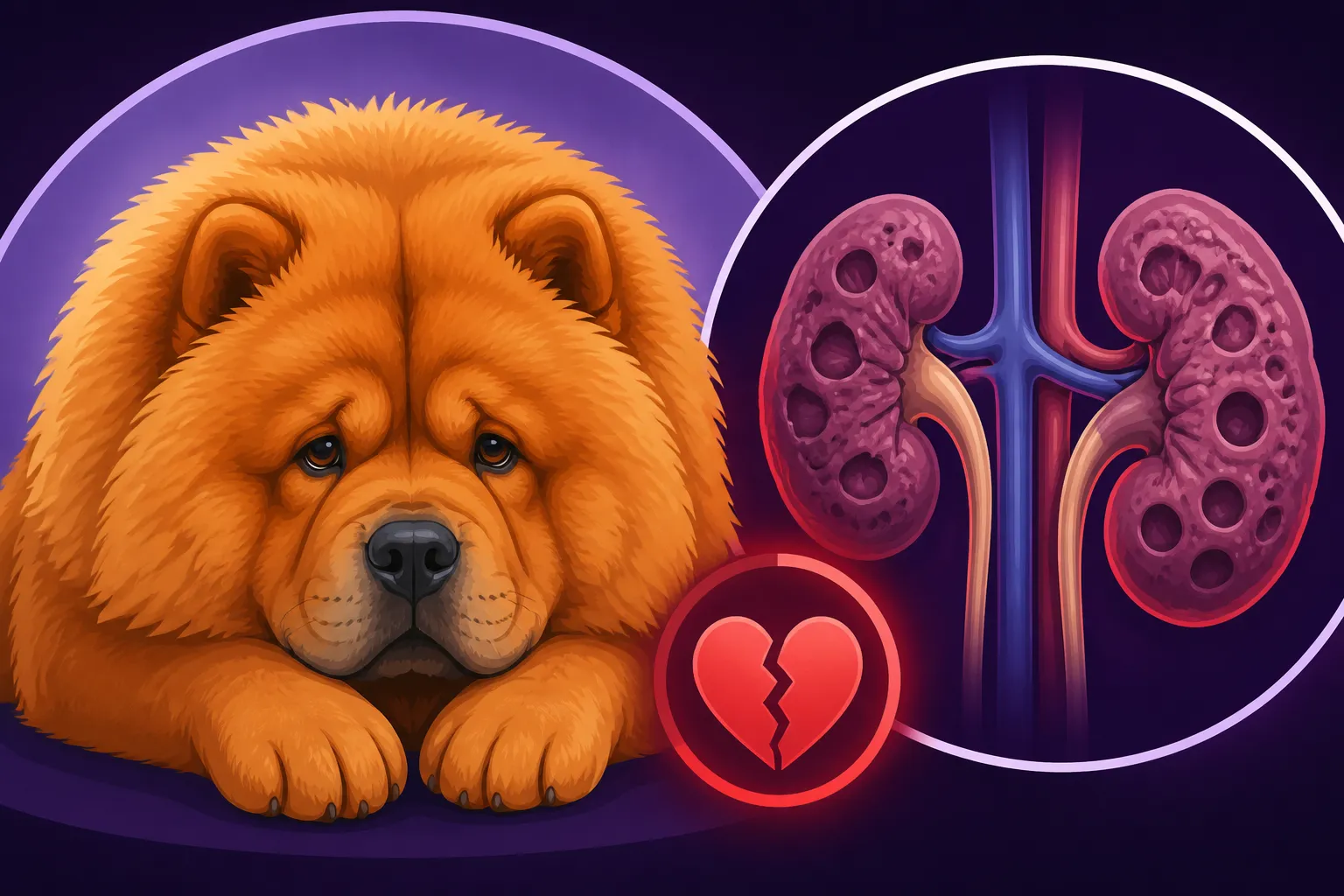
At its core, renal dysplasia is a congenital condition, meaning a Chow Chow puppy is born with it. It’s not something they pick up later in life like an infection or an injury. Instead, their kidneys – those vital organs responsible for filtering waste from the blood – simply didn't develop correctly while they were still in the womb. Imagine an architect drawing up plans for a house, but some crucial structural elements are just… missing or improperly formed. That’s essentially what happens to the kidneys in a Chow Chow with renal dysplasia. The kidney tissue is disorganized and abnormal, often containing primitive structures that never matured into fully functional nephrons, which are the tiny filtering units kidneys rely on. This means the kidneys, right from birth, are already compromised and cannot do their job efficiently.
How it Affects a Chow Chow's Kidneys
The impact of renal dysplasia on a Chow Chow's kidneys is profound. Because the nephrons don't develop properly, the kidneys essentially operate with a much smaller capacity than they should. Think of it like a car engine designed for a full tank of gas, but it can only ever hold a quarter. It can run, but not for long, and it will struggle under any stress. Initially, a puppy might seem fine because the remaining healthy kidney tissue can compensate, working extra hard to pick up the slack. However, this compensatory mechanism isn't sustainable. Over time, this overworked tissue starts to wear out, leading to progressive scarring and further deterioration. This is why you often hear that What Renal Dysplasia Does to a Chow Chow Puppy is a silent, insidious process. As more and more functional tissue is lost, the kidneys become less and less effective at filtering toxins, regulating blood pressure, and maintaining fluid balance. This slow, relentless decline eventually leads to chronic kidney disease, a condition where waste products build up in the blood, poisoning the body and causing a cascade of severe health issues.
Why Chow Chows are Prone to This Condition
It’s particularly frustrating when a breed seems predisposed to certain conditions, and unfortunately, Chow Chows are among those known to be susceptible to familial renal dysplasia. While it's not exclusive to them, their genetic lineage makes them a higher-risk breed. Research suggests a genetic component, indicating that it can be passed down from parent dogs to their offspring. This makes it incredibly challenging because responsible breeding practices are absolutely critical to try and reduce its prevalence. The specific genetic markers are still an area of ongoing study, but the evidence strongly points to a hereditary link. This predisposition means that even if a Chow Chow appears perfectly healthy, if their parents or grandparents carried the genes for renal dysplasia, their puppies could be at risk. This genetic susceptibility is precisely why prospective Chow Chow owners need to be so diligent when choosing a breeder, asking about health testing and family history.
The Heartbreaking Timeline of Renal Dysplasia
Coming to terms with a diagnosis of renal dysplasia is devastating, and naturally, one of the first questions that haunts every owner is about the timeline. How long do they have? The answer, heartbreakingly, isn't always straightforward, but understanding the typical progression can help prepare you for what might lie ahead.
When Symptoms Typically Emerge
This is where the insidious nature of renal dysplasia truly shines through, making it all the more challenging for owners. The onset of symptoms can vary widely, but for Chow Chows with significant kidney malformation, signs often start appearing distressingly early. Many puppies show their first symptoms between three months and two years of age. Imagine bringing home a fluffy, adorable Chow Chow puppy, full of life and mischief, only to begin noticing subtle changes a few months down the line. It's often not a sudden collapse but a gradual shift. You might observe a change in their drinking habits—a common early sign being Signs a Chow Chow Puppy Is Drinking Too Much. They might be urinating more frequently, or even having accidents in the house when they were previously perfectly housetrained.
Other early signs can include a lack of appetite, lethargy, or just a general failure to thrive compared to their littermates. They might not be gaining weight as expected, their coat might look duller, or they just seem "off." Because these symptoms can be vague and mimic other puppy ailments, it's tragically easy to overlook them or attribute them to something less serious. This delay in recognizing the signs often means the disease has progressed significantly before a diagnosis is even considered.
The Progression of the Disease
Once symptoms begin, renal dysplasia typically follows a progressive and unfortunately, often relentless course. In the early stages, the remaining healthy kidney tissue valiantly tries to compensate, but as the disease advances, more and more nephrons are lost or damaged. This leads to a gradual decline in kidney function, often referred to as chronic renal failure. The kidneys lose their ability to concentrate urine, leading to excessive thirst and urination. They also become less efficient at removing toxins from the bloodstream, causing a build-up of waste products like urea and creatinine. This buildup, known as uremia, manifests in a host of more severe symptoms:
- Vomiting and nausea: The toxins irritate the digestive system.
- Weight loss and muscle wasting: Lack of appetite and metabolic disturbances take their toll.
- Poor coat quality: A dull, dry coat is a common indicator of underlying health issues.
- Oral ulcers and bad breath: Uremic toxins can cause mouth sores and a distinct ammonia-like smell.
- Anemia: Kidneys produce a hormone that stimulates red blood cell production, and impaired kidneys lead to low red blood cell counts.
- Weakness and lethargy: A general feeling of malaise from the circulating toxins.
The progression isn't always linear; there can be periods of relative stability followed by sudden declines, especially if the dog experiences stress, dehydration, or other illnesses. The goal of management at this stage shifts from cure, which isn't possible, to slowing the progression and maintaining quality of life for as long as possible.
Factors Influencing Survival Time
This is the really tough part. While the question The Age Renal Dysplasia Kills a Chow Chow is central to this discussion, there's no single, definitive answer. The survival time for a Chow Chow with renal dysplasia is highly variable and depends on several critical factors:
- Severity of the malformation: Some puppies have severely malformed kidneys from birth, leading to very early onset and rapid progression, sometimes as young as a few months old. Others might have milder forms, where symptoms emerge later in life, and the disease progresses more slowly.
- Early diagnosis and intervention: Catching the disease early, even if there's no cure, allows for proactive management that can extend a Chow Chow's lifespan and improve their quality of life. This includes dietary changes, medication, and fluid therapy.
- Supportive care: Consistent and dedicated supportive care, including a specialized diet, medications to manage symptoms like nausea and anemia, and regular veterinary check-ups, can make a significant difference. Brands like Healthy Paws can be a lifesaver here, as the ongoing costs of managing a chronic condition like this can be substantial, and having pet insurance can alleviate some of that financial burden, allowing you to focus on your Chow Chow's care without constant worry about bills.
- Individual resilience: Just like people, some dogs seem to cope better with chronic illness than others. Their overall health, genetic makeup, and even their temperament can play a role.
In severe cases, Chow Chows might succumb to the disease as young as 6-12 months. In milder cases, with diligent management, some might live into their middle years, perhaps 3-5 years old, or even slightly longer. However, it’s rare for a Chow Chow with diagnosed renal dysplasia to live to experience The Eight to Twelve Years a Chow Chow Gets under normal circumstances. This stark reality is incredibly hard to bear, highlighting why understanding and early detection are so crucial.
Recognizing the Signs and Getting a Diagnosis
It’s often a terrible feeling when you suspect something isn’t quite right with your furry family member, especially with a breed like the Chow Chow who can be incredibly stoic and adept at hiding pain. Renal dysplasia is no different; its signs can be subtle at first, making accurate and timely diagnosis paramount.
Early Warning Signs to Look For
Because renal dysplasia often affects young Chow Chows, it’s vital for owners to be hyper-aware of subtle changes in their puppies or young adults. Don’t dismiss small shifts in behavior or habits, especially if your Chow Chow is still growing. Here’s what to keep an eye out for:
- Excessive Thirst (Polydipsia): This is perhaps one of the most classic early indicators. If your Chow Chow puppy seems to be constantly at the water bowl, emptying it much faster than usual, or seeking out water in unusual places, pay attention. They’re trying to compensate for their kidneys' inability to concentrate urine effectively, leading to increased fluid loss.
- Increased Urination (Polyuria): Hand-in-hand with excessive thirst comes increased urination. You might notice more frequent trips outside, larger volumes of urine, or even unexplained accidents indoors from a previously housetrained pup. This isn't naughtiness; it's a physiological response to kidney dysfunction.
- Poor Growth or Weight Loss: A Chow Chow puppy with renal dysplasia might fail to thrive. They may be smaller than their littermates, or if older, they might start losing weight despite a normal appetite. Their muscle mass might diminish, and they might look thinner under their dense coat – something that can be hard to spot in a fluffy Chow.
- Lethargy and Weakness: A young Chow Chow is typically playful and energetic. If your pup seems unusually tired, less interested in play, or generally sluggish, it could be a sign that waste products are building up in their system, making them feel unwell.
- Vomiting or Decreased Appetite: As kidney function declines, toxins can build up and cause nausea. Your Chow Chow might skip meals, turn their nose up at food they once loved, or vomit, especially after eating. This can quickly lead to dehydration and further complications.
- Poor Coat Quality: A healthy Chow Chow has a magnificent, lustrous coat. If it starts looking dull, dry, or unkempt, despite regular grooming, it could indicate an underlying health issue affecting their overall nutrition and hydration.
It’s crucial to remember that Chow Chows are known for their dignified and somewhat aloof nature, which can sometimes be misinterpreted as "just being a Chow." However, genuine changes in energy, appetite, or bathroom habits should always warrant a vet visit.
The Diagnostic Process
Once you suspect something is wrong, getting an accurate diagnosis is the next critical step. This typically involves a multi-pronged approach by your veterinarian.
- Veterinary Examination: Your vet will perform a thorough physical exam, checking for signs like dehydration, pale gums, and any pain upon palpation of the kidneys.
- Blood Work: This is where the diagnostic picture often becomes clearer. Key indicators your vet will look for include:
- Elevated Blood Urea Nitrogen (BUN) and Creatinine: These are waste products normally filtered by the kidneys. High levels indicate impaired kidney function.
- Elevated Phosphorus: Damaged kidneys struggle to excrete phosphorus.
- Anemia: As mentioned, chronic kidney disease can lead to a decreased red blood cell count.
- Urinalysis: A urine sample will be analyzed for:
- Specific Gravity: This measures the urine's concentration. Dogs with renal dysplasia often have very dilute urine, even when dehydrated, indicating their kidneys can't concentrate it properly.
- Protein in Urine: While some protein can be normal, excessive protein loss in the urine can be a sign of kidney damage.
- Imaging:
- Ultrasound: This non-invasive imaging technique allows the vet to visualize the kidneys. In cases of renal dysplasia, the kidneys might appear smaller than normal, irregular in shape, or have structural abnormalities.
- Kidney Biopsy: This is often considered the definitive diagnostic tool for renal dysplasia. A small tissue sample from the kidney is taken and examined under a microscope. This allows a veterinary pathologist to identify the characteristic disorganized and immature kidney tissue. While invasive, it can provide a conclusive diagnosis, which is particularly important for understanding prognosis and making breeding decisions.
It’s important to discuss with your vet When a Chow Chow Puppy Needs Kidney Bloodwork if you have any concerns or if your puppy comes from a line with a history of kidney issues.
Differentiating Renal Dysplasia from Other Kidney Issues
Because kidney disease can stem from various causes, it's essential to differentiate renal dysplasia from other conditions. While symptoms like increased thirst and urination are common to many kidney problems, the age of onset and specific diagnostic findings help pinpoint renal dysplasia.
- Acute Kidney Injury: This is a sudden onset of kidney failure, often due to toxins, infections, or severe dehydration. While severe, it can sometimes be reversible. Renal dysplasia, being a developmental issue, is chronic and progressive from the start.
- Chronic Kidney Disease (CKD) from other causes: Older Chow Chows can develop CKD due to age-related degeneration, infections, or other underlying conditions. However, renal dysplasia typically presents in much younger dogs. The biopsy is key to distinguishing the congenital malformation from acquired kidney damage.
- Urinary Tract Infections (UTIs): UTIs can cause frequent urination and discomfort, but blood and urine tests will quickly reveal bacterial infection rather than kidney structural issues.
A thorough diagnostic workup, especially a kidney biopsy, is crucial to confirm familial renal dysplasia and avoid misdiagnosis, which could lead to inappropriate and ineffective treatments. This is especially true given the breed's predisposition to Familial Renal Dysplasia Kills Young Chow Chows.
Managing Renal Dysplasia and Supporting Your Chow Chow
Hearing that your beloved Chow Chow has renal dysplasia is a profoundly difficult moment. While there isn't a cure, the good news is that there are many things you can do to manage the condition, improve their quality of life, and extend their time with you. It’s a journey of dedicated care, unwavering love, and often, a hefty dose of emotional resilience.
Treatment Options and Palliative Care
The cornerstone of managing renal dysplasia is supportive and palliative care, aiming to alleviate symptoms, slow disease progression, and maintain comfort. This is a commitment for life, and it’s where pet insurance, like a plan from Healthy Paws, can really make a difference, helping cover the ongoing costs of medications, special diets, and vet visits that pile up over time.
-
Fluid Therapy: Dehydration is a constant threat for dogs with kidney disease due to their inability to concentrate urine. Your vet might recommend subcutaneous (under the skin) fluid therapy at home. This sounds daunting, but many owners quickly become proficient. Administering fluids a few times a week can significantly improve your Chow Chow’s hydration, flush out toxins, and make them feel much better.
-
Medications for Symptom Management:
- Anti-emetics: To combat nausea and vomiting, which are common due to uremic toxins.
- Phosphorus Binders: As kidneys fail, phosphorus levels in the blood rise, which can be harmful. Binders, given with food, prevent phosphorus absorption from the gut.
- Blood Pressure Medications: High blood pressure is common in kidney disease and can further damage the kidneys. Medications like ACE inhibitors (e.g., benazepril, enalapril) are often prescribed.
- Erythropoietin: For severe anemia, synthetic erythropoietin can stimulate red blood cell production.
- Potassium Supplements: Some dogs with kidney disease lose too much potassium, requiring supplementation.
- Antacids: To manage gastric acidity that can build up due to the disease.
-
Vitamin D supplementation: Kidneys play a role in converting Vitamin D to its active form. Supplementation may be necessary.
The goal is to tailor a medication regimen that addresses your Chow Chow’s specific symptoms and lab results, constantly adjusting as the disease progresses.
Dietary Considerations
Diet is arguably one of the most powerful tools in managing renal dysplasia. The right diet can significantly impact your Chow Chow's comfort and longevity.
-
Kidney-Friendly Commercial Diets: These specialized prescription diets, available through your veterinarian, are formulated to be:
- Lower in Protein: Not severely restricted, but controlled. The protein should be high-quality to minimize waste products while still meeting nutritional needs.
- Reduced Phosphorus: This is crucial, as phosphorus accumulation is highly detrimental to kidney patients.
- Controlled Sodium: To help manage blood pressure.
- Supplemented with Omega-3 Fatty Acids: These have anti-inflammatory properties that can benefit kidney health.
- Increased B Vitamins: These are often lost in urine by dogs with kidney disease.
-
Palatability is Key: Chows can be notoriously picky eaters, and dogs with kidney disease often have poor appetites due to nausea. Finding a kidney diet they will actually eat is paramount. You might need to try several brands or flavors. Warming food, adding a little low-sodium broth, or even small amounts of plain cooked chicken (after consulting your vet) can help entice them. Remember, some food is always better than no food.
-
Fresh Water Access: Always ensure your Chow Chow has access to fresh, clean water. Encourage drinking by having multiple water bowls around the house.
Choosing the right diet and ensuring your Chow Chow eats it consistently is critical. Regular check-ups and blood tests will help your vet monitor the effectiveness of the diet and adjust it as needed.
The Emotional Toll on Owners
Let's be honest, living with a Chow Chow with a chronic, progressive illness like renal dysplasia is incredibly tough on the human heart. You signed up for a loyal companion, not a patient. The emotional toll can be immense.
- Grief and Anticipatory Grief: You’re often grieving the loss of the future you envisioned with your healthy puppy, even while they are still with you. This anticipatory grief can be isolating and overwhelming.
- Guilt: Owners often grapple with guilt, wondering if they missed early signs, if they could have done something differently, or if they are doing enough now. Please know that renal dysplasia is a hidden, insidious disease, and you are doing your best.
- Financial Strain: The costs associated with managing a chronic illness are significant. Medications, specialized food, frequent vet visits, and potential emergency care for related complications can quickly add up. This is where pet insurance, such as plans offered by Healthy Paws, can provide much-needed financial relief, allowing you to prioritize your Chow Chow's care without constantly worrying about the budget. Remember, What an Aging Chow Chow's Bills Look Like can be substantial even for healthy senior dogs, let alone those with chronic conditions starting young.
- Burnout: The daily routine of administering medications, monitoring symptoms, encouraging eating, and cleaning up accidents can be exhausting. It’s okay to feel overwhelmed and to seek support from friends, family, or online communities.
- Decision-Making Stress: You’ll face difficult decisions about quality of life, when to increase interventions, and ultimately, when to say goodbye. These are the heaviest burdens an owner can carry.
It's crucial to acknowledge these feelings. Give yourself grace. Talk to your vet, talk to other Chow Chow owners who have faced similar challenges, and allow yourself to feel. Remember, your dedication and love are the most important contributions to your Chow Chow's well-being.
Prevention and Responsible Breeding
Given the devastating impact of renal dysplasia on young Chow Chows, prevention through responsible breeding practices is not just important—it's absolutely paramount. We have a moral obligation to try and reduce the incidence of such heartbreaking genetic conditions.
The Role of Genetic Testing
The absolute ideal scenario for combating familial renal dysplasia would be a widely available and reliable genetic test to identify carriers and affected dogs. Unfortunately, for Chow Chows, this isn't as straightforward as it is for some other genetic diseases.
While research is ongoing, a definitive, breed-specific DNA test for Chow Chow renal dysplasia isn't universally available or foolproof yet. Some labs may offer panels that include markers associated with kidney disease in general, but specific tests for the familial renal dysplasia seen in Chow Chows are still under development or not yet commercialized in a definitive way. This makes prevention harder, as breeders can't simply test a dog and declare it clear.
Despite the lack of a perfect DNA test, ongoing research into the genetic basis of Whether Renal Dysplasia Has a DNA Test for Chow Chows is critical. Supporting breed-specific health foundations and participating in research studies (if your dog fits the criteria) can contribute to future breakthroughs that might one day eradicate this disease. Until then, breeders must rely on other health screening methods and careful pedigree analysis.
What a Breeder Should Have Tested
Since a direct DNA test isn't widely available for renal dysplasia in Chow Chows, responsible breeders must employ a comprehensive approach to health screening and selection to minimize the risk. This involves looking beyond just the immediate parents.
- Pedigree Research: A breeder should have an in-depth knowledge of their dogs’ pedigrees, going back several generations, specifically looking for any history of kidney disease or unexplained early deaths in the lines. If there's any suspicion of renal dysplasia in the ancestry, those dogs should not be bred.
- Routine Kidney Panel Screening: Reputable breeders will conduct regular bloodwork on their breeding stock, including kidney function tests (BUN, creatinine, phosphorus) and urinalysis, as part of their annual health checks. While these won't predict renal dysplasia in a young, healthy dog, they can flag issues in adult breeding animals that might indicate a problem.
- Advanced Imaging: Some breeders may opt for ultrasound screening of their breeding dogs' kidneys to look for any structural abnormalities, although this is more challenging to interpret definitively for dysplasia.
- Kidney Biopsy (in some cases): While invasive, in situations where a breeding dog's offspring develop renal dysplasia, or if there's a strong family history, a kidney biopsy on potential breeding stock might be considered to definitively assess kidney health and rule out milder, subclinical forms of dysplasia. This is a big step, but a dedicated breeder might undertake it.
Beyond renal dysplasia, a responsible breeder should be conducting a range of other health tests, as outlined in guides like What a Chow Chow Breeder Should Have Tested. This includes orthopedic clearances (hips and elbows), eye certifications (like OFA Eye Certification), and thyroid testing. These certifications and results should always be verifiable through databases like the Orthopedic Foundation for Animals (OFA) or the Canine Health Information Center (CHIC). If a breeder is vague about health testing, or dismisses concerns about genetic diseases, it’s a significant red flag. You should always be able to view documentation for the parents' health clearances.
Supporting Research and Awareness
The fight against devastating conditions like familial renal dysplasia requires a collective effort. As Chow Chow enthusiasts and owners, we can all play a part in supporting research and raising awareness.
- Support Breed-Specific Health Organizations: Many national Chow Chow clubs have health committees or foundations dedicated to funding research into breed-specific health issues. Donating to these organizations, or simply participating in their awareness campaigns, can help provide the financial backing needed for scientific breakthroughs.
- Educate Prospective Owners: If you know someone considering a Chow Chow, share information about responsible breeding practices and the importance of health testing. Help them understand that choosing a puppy from health-tested parents isn't just a recommendation; it's a critical step to ensure a healthy start and avoid preventable heartbreak.
- Share Your Experience (Respectfully): If you've had a Chow Chow affected by renal dysplasia, sharing your experience in support groups or with trusted contacts can help others recognize symptoms earlier or make informed decisions. This isn't about shaming breeders, but about raising collective awareness within the community.
- Advocate for Transparency: Encourage transparency among breeders regarding health testing results and pedigree health histories. The more open the community is, the better we can collectively track and understand genetic predispositions.
Ultimately, while the question of Whether Renal Dysplasia Runs in Chow Chow Lines is a resounding yes, by understanding the disease, supporting ethical breeding, and advocating for more research, we can hope for a future where fewer Chow Chows and their families face the heartbreak of this condition. It's a long road, but one worth traveling for these magnificent dogs.
| Aspect | Early Onset Renal Dysplasia (Severe) | Late Onset Renal Dysplasia (Milder) | Other Kidney Disease (e.g., Senior CKD) |
|---|---|---|---|
| Typical Age of Onset | 3 months – 2 years | 2-5 years | 7+ years |
| Progression Speed | Rapid, often leading to early death | Slower, managed for longer periods | Gradual, age-related decline |
| Key Symptoms | Polydipsia, polyuria, poor growth, lethargy, vomiting | Similar, but less pronounced initially; may appear with stress | Polydipsia, polyuria, weight loss, muscle wasting, dental issues |
| Kidney Size on Ultrasound | Often smaller, irregular | May appear normal or slightly small | Varies, can be normal or small |
| Definitive Diagnosis | Kidney biopsy for disorganized tissue | Kidney biopsy for disorganized tissue | Bloodwork, urinalysis, biopsy shows acquired damage |
| Prognosis | Guarded to poor | Guarded, with dedicated management | Variable, depending on stage and management |
| Role of Genetics | Strong familial link | Strong familial link | Less direct genetic link, more age/environmental factors |
Disclaimer
The information provided in this guide is for informational purposes only and does not constitute veterinary medical advice. Always consult with a qualified veterinarian for any health concerns or before making any decisions about your Chow Chow's medical care.