Signs a Chow Chow Puppy’s Eyes Are Sore
Bringing home a fluffy Chow Chow puppy is an absolute joy, a whirlwind of tiny paws, a wrinkled forehead, and that adorable stilted gait. But amidst all the cuteness, many new Chow Chow parents quickly become acutely aware of the breed's predispositions, especially when it comes to their eyes. It's truly heartbreaking to see your little companion in discomfort, and often, their dense coat and naturally deep-set eyes can make it tricky to spot trouble early. This guide is here to walk you through the subtle, and not-so-subtle, signs that your precious Chow Chow puppy's eyes might be sore, helping you recognize issues quickly so you can get them the care they need.
Unraveling the Visual Clues of Eye Discomfort
The first line of defense in identifying sore eyes in your Chow Chow puppy is keen observation of their eyes themselves. These powerful visual signals can often tell you a lot before your puppy even makes a sound. Their eyes are naturally quite deep-set, which is part of their charming, unique look, but it also means you might need to gently part their facial folds to get a good look at the eyeball itself.
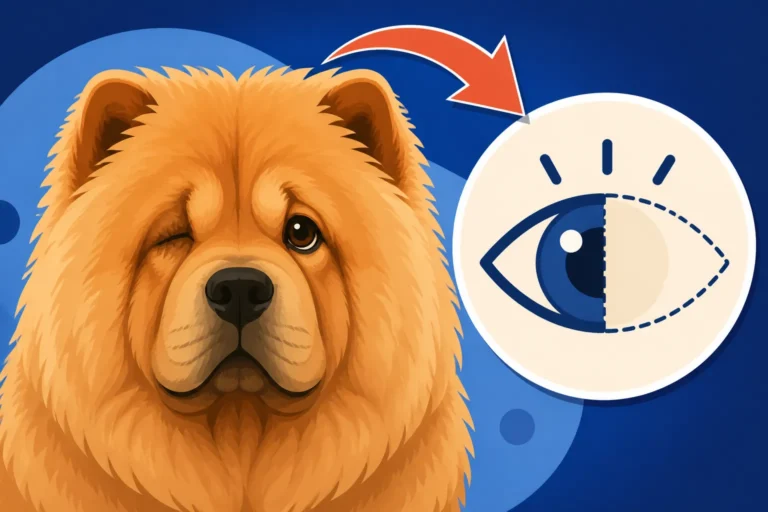
One of the most common and distressing visual cues is excessive squinting or holding one or both eyes partially or completely closed. This isn't just a sleepy look; it's a clear indication that something is causing irritation. Imagine how you'd react if a speck of dust got in your eye – you'd squint, blink rapidly, and try to relieve the discomfort. Your puppy is doing the same. For Chow Chows, this squinting is often a tell-tale sign of deeper issues, particularly if their eyelids are rolling inward, a condition known as entropion. This causes their eyelashes to constantly rub against the delicate surface of the eye, leading to chronic irritation and pain. If you notice your puppy consistently struggling to keep their eyes fully open, or if their eyelids appear to be rolling inward, it's a serious red flag that warrants immediate attention. You can read more about why this happens in our article, "Why a Chow Chow's Eyelid Rolls Inward".
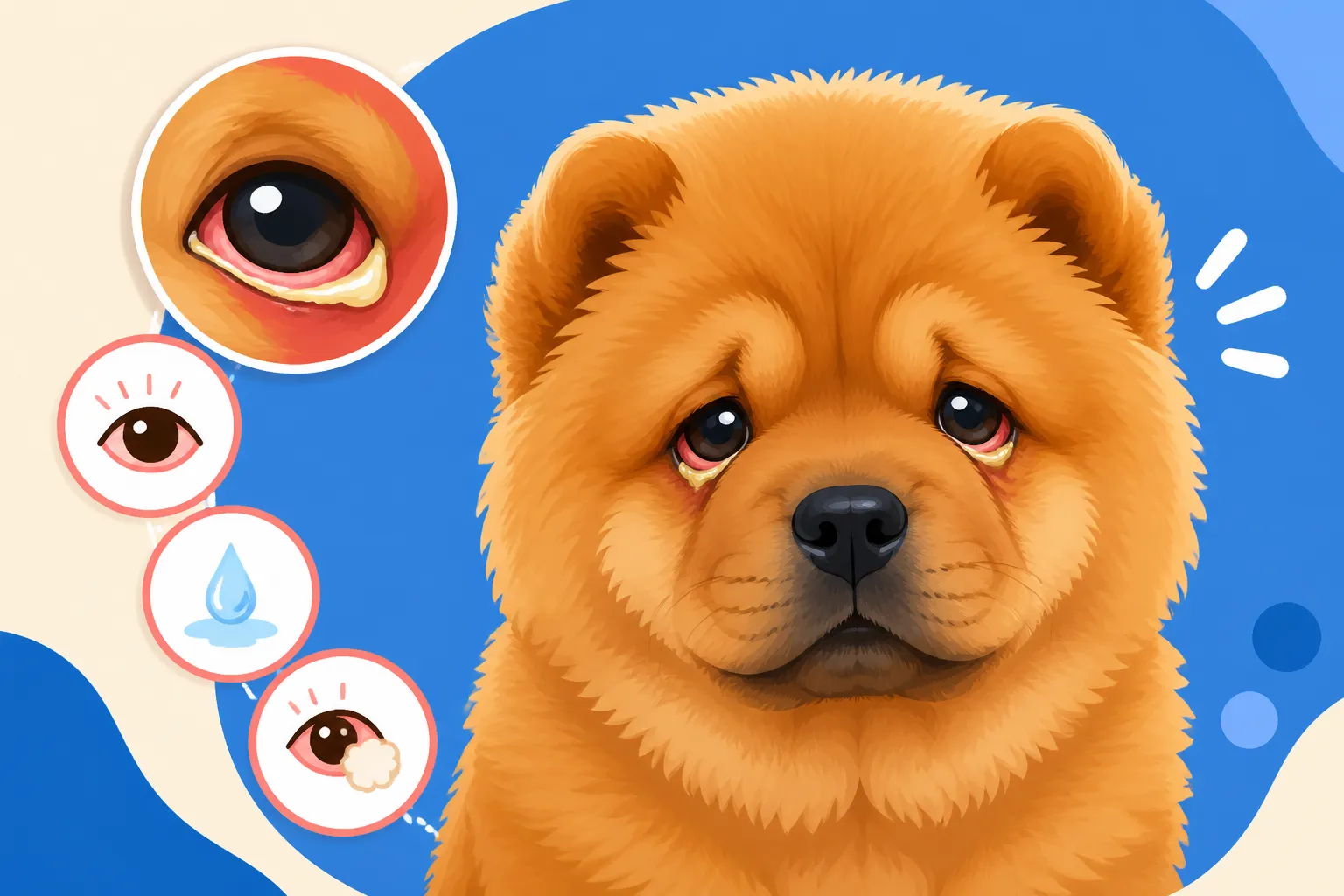
Beyond squinting, look for changes in the color and clarity of the eye. The white part of the eye, or sclera, should be clear and white, perhaps with a few fine, barely visible blood vessels. If you see pronounced redness, especially around the edges of the eyeball or spreading across the white surface, it points to inflammation. This could be due to a foreign object, an allergic reaction, or more seriously, the constant abrasion from an inverted eyelid. Sometimes, the cornea itself, which is the clear, outermost layer of the eye, might appear cloudy or dull instead of clear and shiny. A localized cloudy spot might indicate an ulcer, a painful lesion that can quickly worsen. Small, delicate blood vessels might also become very prominent and look bright red, a condition often called "bloodshot." This increase in visible blood vessels is the body's attempt to heal or fight off an irritant or infection, directing more blood flow to the affected area.
Behavioral Changes Indicating Pain
Chow Chows are known for their somewhat stoic nature and independence, which can sometimes make it difficult to discern when they are in pain. They're not always the type to whine or cry out, especially puppies who might try to tough it out. However, if you know your puppy's usual demeanor, subtle shifts in their behavior can be incredibly telling when their eyes are sore.
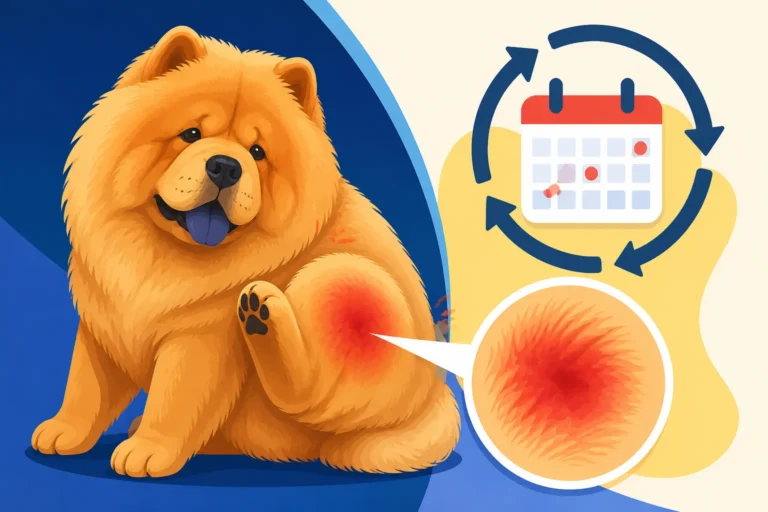
A significant behavioral change to watch for is pawing at their face or rubbing their head against furniture, carpets, or even your leg. This is their way of trying to relieve the intense itchiness or pain they're experiencing. While a quick scratch might be normal, persistent or aggressive rubbing is a cause for concern. They might also become unusually withdrawn or lethargic, preferring to lie down quietly rather than engaging in playful puppy antics. A happy, healthy Chow Chow puppy should have bursts of energy, investigating their surroundings, and interacting with you. If your puppy seems unusually subdued, reluctant to play, or less interested in food or treats, it's a sign that they might be in discomfort. Remember, a Chow Chow Hides Pain quite effectively, so these subtle behavioral cues are vital.
Another crucial behavioral indicator is increased sensitivity to light, also known as photophobia. If your puppy is constantly seeking out darker areas of the house, shying away from bright lights, or squinting even more intensely when exposed to light, their eyes are likely feeling a significant amount of pain. This can be a symptom of conditions like corneal ulcers or even glaucoma, though glaucoma is rarer in puppies. They might also start to avoid eye contact, not because they're being aloof, but because looking directly at you, especially if you're standing in a brightly lit area, causes them discomfort. Pay close attention to how they react when you turn on a light or step outside into the sunshine.
Spotting Discharge and Swelling
Beyond internal discomfort, physical manifestations like discharge and swelling are often very clear indicators that your Chow Chow puppy's eyes are not doing well. These external signs are usually impossible to miss, even with their dense coat and deep-set eyes.
Tearing, or epiphora, is a common sign, especially if it's excessive and persistent. Clear, watery discharge is often the first indicator of irritation. It’s the eye's natural way of trying to flush out whatever is bothering it, whether it's an allergen, a foreign body, or eyelashes rubbing against the surface due to issues like entropion. However, if the discharge changes from clear and watery to something thicker, discolored, or sticky, that's a serious escalation. Look for mucus, pus, or a yellowish-green discharge that might accumulate in the corners of their eyes or even mat their fur. This kind of discharge usually signals a bacterial infection, which can arise as a secondary problem from persistent irritation. When a Chow Chow's Eye Discharge Means Entropion, it often starts watery but can quickly become mucopurulent if infection sets in.
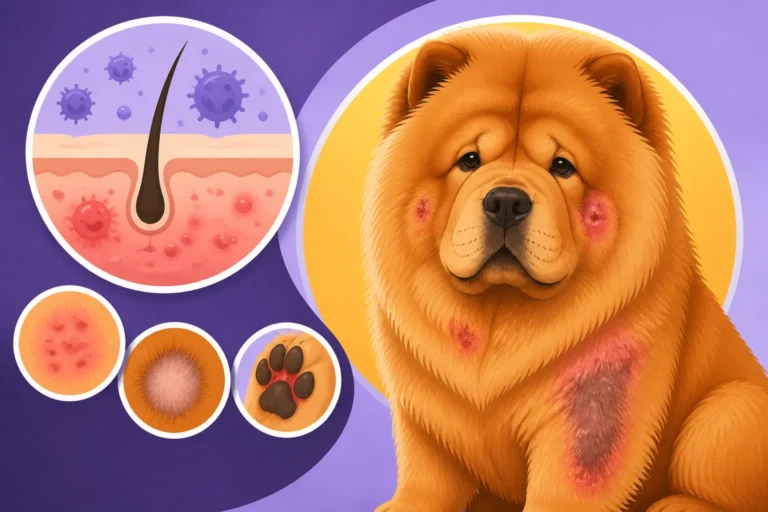
Swelling is another unmistakable sign of trouble. The eyelids themselves might appear puffy, red, or inflamed. This swelling can make it even harder for your puppy to open their eyes comfortably. Sometimes, the tissue around the eye, including the third eyelid (nictitating membrane), might become swollen and protrude more than usual. The third eyelid is typically only partially visible or not visible at all. If you see it constantly covering a significant portion of your puppy's eye, it’s a strong sign of inflammation or pain. You might also notice the skin folds around their eyes looking redder or feeling warmer to the touch. This can be exacerbated by their unique facial structure, where their thick facial folds push the lid in, creating a warm, moist environment ripe for irritation and infection. Understanding How a Chow Chow's Face Folds Push the Lid In is key to preventing some of these issues.
Here's a quick reference table for common signs:
| Visual Sign | Behavioral Sign | Discharge & Swelling | Potential Urgency |
|---|---|---|---|
| Persistent Squinting | Pawing or Rubbing Eyes | Excessive Clear Tearing | Moderate to High |
| Redness of Sclera/Eyelids | Lethargy / Reduced Play | Sticky/Mucus Discharge (Yellow/Green) | High |
| Cloudy Cornea / Visible Ulcer | Light Sensitivity (Photophobia) | Puffy/Swollen Eyelids | Very High |
| Visible Inward-Rolling Eyelid | Avoiding Eye Contact | Protruding Third Eyelid | Very High |
The Critical Need for Prompt Veterinary Intervention
It's tempting to think that a little irritation might just clear up on its own, especially with a young puppy. However, when it comes to a Chow Chow puppy's eyes, this couldn't be further from the truth. Eye conditions, particularly those involving the cornea, can deteriorate rapidly, leading to permanent damage or even blindness if not addressed promptly. This isn't a situation where you should "wait and see."
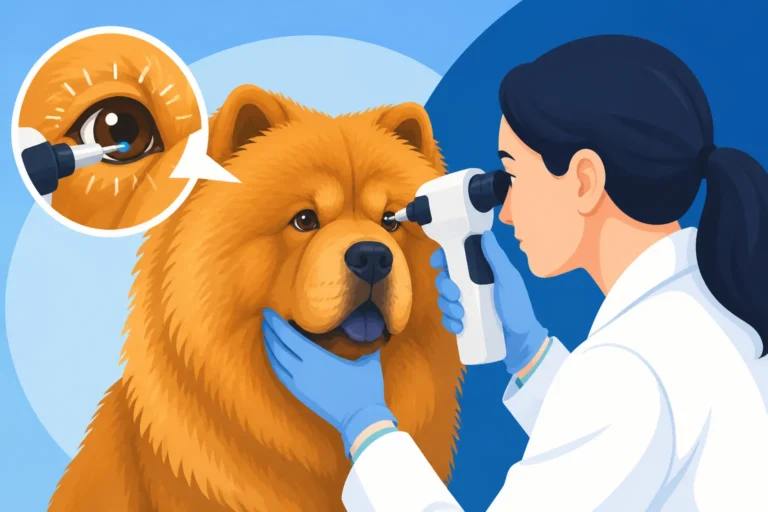
If you notice any of the signs we've discussed, even if they seem minor, it's absolutely crucial to contact your veterinarian immediately. They are equipped to properly diagnose the issue and start appropriate treatment. For instance, if entropion is present, a vet can confirm this condition, which often shows up early, as detailed in The Age Entropion Shows in a Chow Chow Puppy. They will perform a thorough eye exam, which might include staining the cornea to check for ulcers, measuring tear production, and examining the internal structures of the eye. A corneal ulcer, for example, is incredibly painful and can lead to vision loss if not treated aggressively. Understanding What a Corneal Ulcer Does to a Chow Chow underscores the urgency.
Treatment for sore eyes in a Chow Chow puppy can vary widely depending on the underlying cause. If it's a bacterial infection, antibiotic eye drops or ointments will be prescribed. For entropion, especially in puppies, temporary eyelid tacking might be recommended to alleviate the rubbing until the puppy matures. In some cases, a more permanent surgical correction might be necessary later. This can be a significant financial consideration, which is why many owners explore options like pet insurance from providers like Healthy Paws, who can help cover unexpected veterinary costs. Early diagnosis can prevent a minor issue from becoming a complicated, painful, and expensive ordeal. Remember, whether Entropion Can Blind a Chow Chow, highlights the potential severe outcome of neglecting these issues. Taking swift action not only eases your puppy's pain but also protects their long-term vision and quality of life. Don't hesitate – your puppy is depending on you to be their advocate.
Disclaimer
This article is intended for informational purposes only and does not constitute veterinary advice. Always consult with a qualified veterinarian for any health concerns or before making any decisions about your pet's health or treatment.