Whether a Chow Chow’s Entropion Affects Both Eyes
It's incredibly distressing to watch your beloved Chow Chow struggle with eye irritation, especially when you start to worry if both eyes are going to be affected by that painful inward roll of the eyelid known as entropion. This condition is far more than just an aesthetic concern; it causes constant discomfort and can lead to serious vision problems. Navigating the world of Chow Chow entropion can feel overwhelming, but this guide is here to shed light on whether both eyes are typically involved and what you can do to help your furry companion.
The Genetic Predisposition for Chow Chow Entropion
When you look at a Chow Chow, you see that magnificent mane, the deep-set eyes, and those lovely wrinkles. What you might not immediately realize is that these very features, which contribute so much to their distinctive appearance, also predispose them to certain health issues, with entropion being chief among them. It's truly a heartbreaking irony that their unique beauty can cause such discomfort.
Understanding the Chow Chow's Unique Facial Anatomy
The Chow Chow's characteristic deep-set eyes and prominent facial folds are major players in the development of entropion. Picture those plush folds around their face – sometimes, these folds are just a little too generous, pushing the lower eyelid (and sometimes even the upper eyelid) inward. This means the delicate eyelashes, instead of sweeping outwards as they should, are constantly rubbing against the cornea, the clear front surface of the eye. Imagine having a tiny, irritating brush constantly scrubbing your eyeball; that's essentially what your Chow Chow experiences. The breed's deep-set eyes also contribute to this problem by creating a tighter space, which further encourages the eyelid to roll inward. This isn't just bad luck; it's a structural issue that is often inherited, making Entropion Is the Chow Chow's Signature Problem a reality for many Chows.
Unilateral vs. Bilateral Manifestation
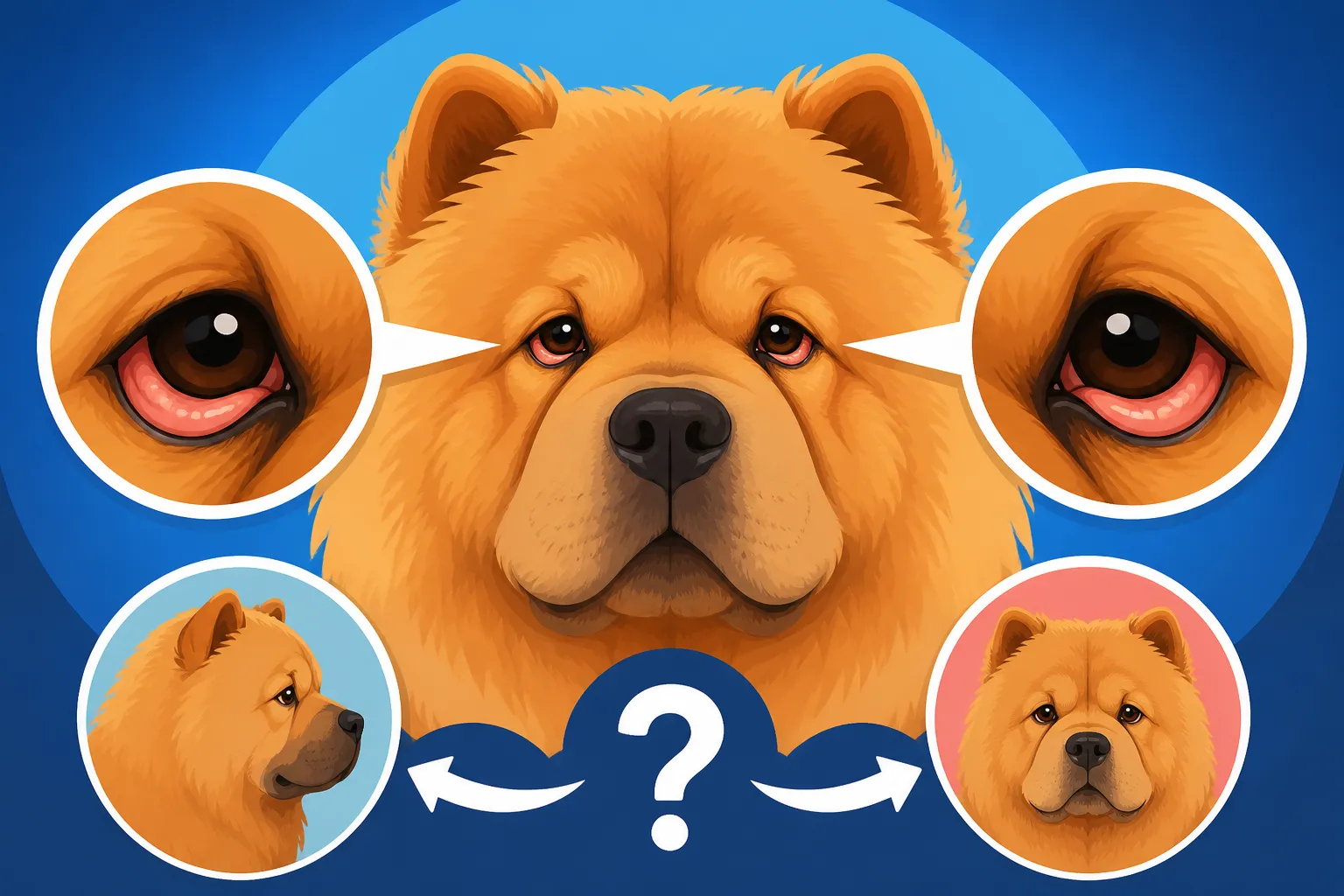
Now, to answer the burning question: does a Chow Chow's entropion affect both eyes? The straightforward answer is, often, yes. While it's entirely possible for entropion to manifest in just one eye (unilateral), it's incredibly common for both eyes to be affected (bilateral), either simultaneously or sequentially. Think of it this way: if the genetic and anatomical predispositions are present in your Chow Chow, those traits apply to both sides of their face. One eye might show symptoms first, perhaps due to a slight difference in facial development or an earlier minor irritation, but the underlying susceptibility means the other eye is often at significant risk or already subtly affected. For instance, you might notice your Chow squinting more with one eye, but upon closer inspection or a vet visit, you might find the other eyelid is also starting to roll, albeit less severely. The severity can also differ, with one eye being significantly more impacted than the other, leading to more obvious pain and discharge. Many owners report seeing The Age Entropion Shows in a Chow Chow Puppy as early as a few months, and it's important to monitor both eyes closely from that point onward.
Recognizing the Signs When Both Eyes Are Involved
Spotting entropion can be tricky sometimes, especially in a breed as stoic as the Chow Chow. They are masters at hiding pain, which is both a blessing and a curse. When both eyes are involved, the signs might be more pronounced, but they can still be subtle, leading to a frustrating delay in diagnosis if you don't know exactly what to look for.
Subtle Clues and Obvious Distress
If both eyes are affected, you might initially attribute symptoms to general eye irritation. However, with bilateral entropion, the signs often escalate. You'll likely notice excessive tearing from both eyes, often running down their face and staining the fur, especially in lighter-colored Chows. Both eyes might appear red and inflamed, and your Chow Chow will probably be squinting a lot more than usual with both eyes, trying to alleviate the constant irritation. They might also rub their face on furniture or their paws, desperate for relief. This persistent rubbing can introduce bacteria, leading to secondary infections, which further complicates the issue. On a walk, your Chow might seem more hesitant or bump into things, indicating compromised vision due to pain and corneal damage. Don't dismiss these behaviors as simple annoyances; these are clear Signs a Chow Chow Has Entropion, and when they occur in both eyes, it’s a strong indicator of bilateral involvement. The tell-tale sign of those eyelashes scraping across the sensitive surface of the cornea often leads to cloudiness or even visible ulcers if left unaddressed.
The Progression of Bilateral Entropion
The progression of entropion, particularly when it's bilateral, can be quite rapid and devastating. It might start as a mild irritation in one eye, perhaps only noticeable after a long walk or when your dog is tired. But then, you might observe the same slight inward turn in the other eye, or suddenly both eyes seem equally bothered. The constant friction from the inward-rolled eyelid and eyelashes can quickly lead to corneal ulcers, which are excruciatingly painful and can quickly worsen. If left untreated, these ulcers can rupture the eye or cause permanent scarring, severely impairing vision or even leading to blindness in Whether Entropion Can Blind a Chow Chow. This is why early detection and intervention are so critical. It’s not just about managing discomfort; it’s about preserving your Chow Chow's eyesight and quality of life. Regular veterinary check-ups, especially for a breed prone to this condition, are paramount, allowing your vet to detect even subtle changes in both eyes before they become severe emergencies.
Navigating Treatment and Care for Bilateral Entropion
Discovering that your Chow Chow needs intervention for entropion in both eyes can be a source of significant worry. You'll naturally have questions about the best course of action, the recovery process, and what it all means for your dog's future. The good news is that entropion is treatable, and with proper care, your Chow Chow can find immense relief.
Surgical Solutions and Considerations
The definitive treatment for entropion, especially when it's causing significant irritation and potential corneal damage in both eyes, is surgical correction. This procedure, often called blepharoplasty, involves carefully removing a small, crescent-shaped piece of skin and muscle from the affected eyelid(s). This tightens the eyelid and allows it to roll outward into its correct position, preventing those irritating lashes from scraping the cornea. For bilateral entropion, your veterinary ophthalmologist will likely discuss the option of performing surgery on both eyes at the same time. This is often preferred because it means only one anesthesia event, one recovery period, and immediate relief for both eyes. However, some owners or vets might opt for staged surgeries, especially if one eye is far more severe, or if there are other health considerations. This is a conversation you'll have with your vet, weighing the pros and cons for your individual Chow Chow. The goal is always to achieve the best possible outcome with the least amount of stress for your dog. For more detailed information on the procedure, you might want to look into How Entropion Is Repaired in a Chow Chow.
Post-Operative Care and Long-Term Outlook
The recovery period after entropion surgery is crucial for ensuring a successful outcome. Your Chow Chow will likely go home with an Elizabethan collar (the dreaded "cone of shame") to prevent them from rubbing or scratching their healing eyes, which is absolutely vital. You'll also be given eye drops or ointments to administer, typically for a couple of weeks, to prevent infection and reduce inflammation. Keeping the incision sites clean and dry is important, and your vet will schedule follow-up appointments to monitor healing and remove stitches, usually within 10-14 days. Most Chow Chows recover remarkably well, and the relief they experience is almost immediate. Many owners report a complete change in their dog's demeanor once the constant pain is gone. While surgery is highly effective, it's not always a one-and-done deal. In some cases, especially with severe entropion or if the underlying facial structure is particularly challenging, a second minor corrective surgery might be needed later in life, which is why your vet might discuss Whether a Chow Chow Needs Entropion Surgery Twice. The long-term outlook for Chow Chows who receive timely and appropriate surgical correction for bilateral entropion is generally excellent, leading to a much more comfortable and happy life.
Financial Realities and Proactive Measures
Addressing entropion, especially when both eyes are involved, does come with financial considerations. It's a common concern for Chow Chow owners, as veterinary specialist care can add up. Understanding these costs and knowing how to prepare can make a big difference.
Understanding the Costs Involved
The cost of diagnosing and treating bilateral entropion can vary significantly depending on your location, the veterinary clinic's pricing, and the severity of the condition. Initial consultations with a general veterinarian, referral to a veterinary ophthalmologist, diagnostic tests, the surgical procedure itself (which can be more complex for both eyes), anesthesia, medications, and follow-up visits all contribute to the total. On average, What Entropion Surgery Costs on a Chow Chow can range from several hundred to well over a thousand dollars per eye, meaning bilateral surgery effectively doubles that initial estimate. These costs can be a significant burden for many families, especially if the condition requires multiple visits or procedures. It's not just the surgical fee; remember to factor in the cost of specific eye drops, pain medication, and potentially special diets if your dog's appetite is affected during recovery. Being prepared for these expenses is key to providing your Chow Chow with the best care without undue financial stress.
| Aspect of Care | Unilateral Entropion (Estimated Cost) | Bilateral Entropion (Estimated Cost) |
|---|---|---|
| Initial Vet Exam | $50 – $150 | $50 – $150 |
| Ophthalmologist Consult | $150 – $300 | $150 – $300 |
| Pre-surgical Bloodwork | $100 – $250 | $100 – $250 |
| Surgery (per eye) | $800 – $2,000 | $1,600 – $4,000+ |
| Anesthesia | Included in surgery or separate | Included in surgery or separate |
| Post-Op Medications | $50 – $150 | $50 – $150 |
| Elizabethan Collar | $20 – $50 | $20 – $50 |
| Follow-up Exams | $50 – $100 | $50 – $100 |
| Total Estimate | $1,220 – $2,900 | $2,020 – $5,000+ |
Note: These are general estimates and can vary widely based on location, clinic, and individual case complexity.
The Role of Pet Insurance and Responsible Breeding
This is where pet insurance can truly be a lifesaver. Companies like Healthy Paws offer coverage that can significantly ease the financial strain of unexpected veterinary bills, including surgeries for conditions like entropion. Enrolling your Chow Chow in a comprehensive pet insurance plan early can help cover a large percentage of these costs, ensuring you can make treatment decisions based on what's best for your dog, not just your wallet. Just be sure to read the policy details, as pre-existing conditions are typically not covered.
Beyond insurance, proactive measures start with responsible breeding. A reputable Chow Chow breeder will be acutely aware of the breed's predisposition to entropion and will take steps to minimize its occurrence in their lines. They should have a clear understanding of What a Chow Chow Breeder Should Have Tested and be transparent about the health history of their breeding dogs and puppies. They should be able to show you certifications or results from veterinary ophthalmologist exams on the parent dogs, indicating no signs of entropion. Some puppies might even undergo early intervention like When a Chow Chow Puppy Gets Eyelid Tacking if mild entropion is noted, which can sometimes prevent the need for more extensive surgery later. While entropion cannot be entirely eliminated due to the breed's conformation, choosing a puppy from health-tested parents significantly reduces the risk. Always ask direct questions about entropion incidence in their lines and be wary of breeders who dismiss the condition or claim their dogs are completely free of any genetic predispositions.
Disclaimer
The information provided in this article is for general informational purposes only and is not intended as a substitute for professional veterinary advice, diagnosis, or treatment. Always seek the advice of your veterinarian or other qualified health provider with any questions you may have regarding a medical condition.