Why a Chow Chow With Entropion Squints
It's incredibly distressing to see your beloved Chow Chow squinting, isn't it? That subtle narrowing of their eye, often accompanied by a blink or a paw at the face, immediately tells you something isn't right. This guide is here to shed light on precisely why your Chow Chow with entropion might be squinting and what that really means for their comfort and eye health.
Understanding Entropion in Chow Chows
Entropion is unfortunately a very common and often painful condition in Chow Chows, so much so that many breeders and owners consider it a hallmark concern for the breed. It’s not just a minor annoyance; it’s a serious issue that directly impacts your dog's quality of life. Understanding its roots helps explain why that squint is such a critical signal.
The Anatomy of a Chow Chow's Eyelid Challenge
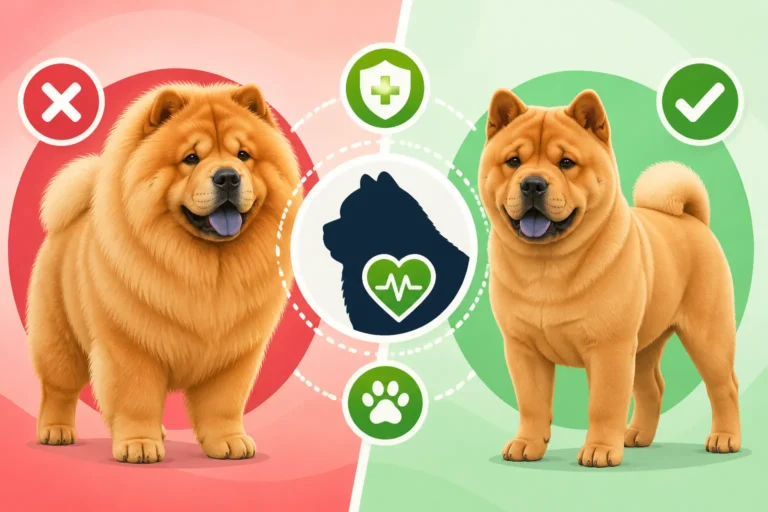
Chow Chows are majestic dogs known for their dense coats, lion-like manes, and distinctive scowl. While these features contribute to their unique charm, they also predispose the breed to certain health problems, with entropion being high on the list. The breed standard calls for deep-set eyes, which, combined with the heavy facial folds and thick fur around their eyes, can create a perfect storm for the lower (and sometimes upper) eyelid to roll inward towards the eyeball. This inward rolling is precisely what we call entropion. Think of it like a curtain being pulled inwards, allowing abrasive elements to constantly rub against a sensitive surface. This anatomical predisposition is a key reason why many Chow Chows eventually develop entropion. It’s a frustrating reality for many owners, as their dog's defining characteristics are also the source of potential discomfort.
What Entropion Actually Does to the Eye
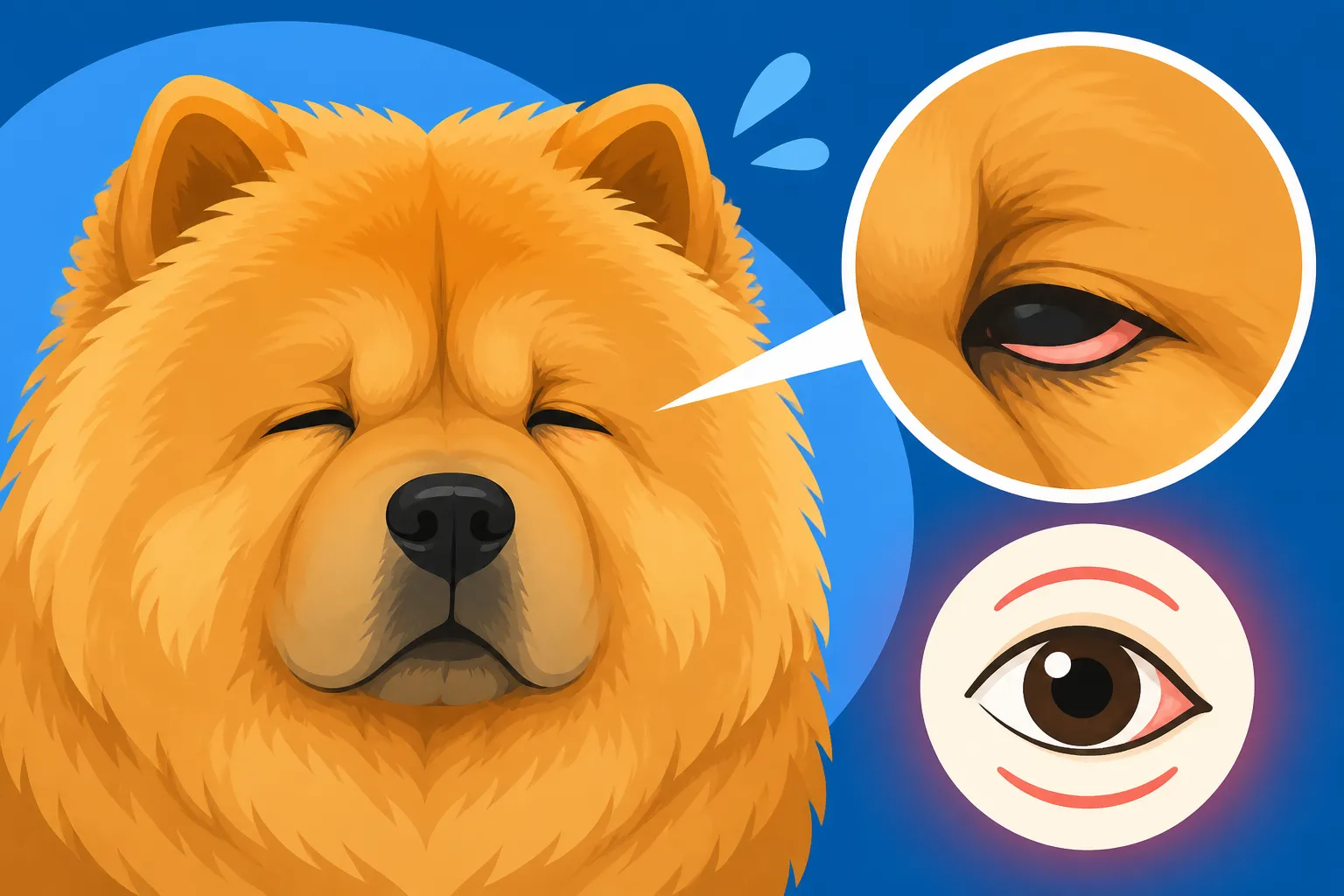
When the eyelid rolls inward, the eyelashes and the coarse hairs from the surrounding fur are no longer directed outward, away from the eye. Instead, they constantly brush against the delicate surface of the cornea – the clear, outermost layer of the eye. Imagine having a tiny, stiff brush constantly sweeping across your own eye; it would be incredibly irritating and painful. This constant friction causes a range of problems. Initially, it leads to irritation and inflammation, making the eye red and uncomfortable. Over time, this persistent rubbing can cause more serious damage, including abrasions, corneal ulcers, and even scarring. It's a progressive issue, meaning that without intervention, the damage tends to worsen, leading to chronic pain and potentially severe vision impairment. Knowing What Entropion Does to a Chow Chow's Eye truly highlights the severity of this seemingly simple inward roll.
The Squint: A Clear Sign of Discomfort
That squint you're observing isn't just a quirky facial expression; it's a profound indicator of pain and irritation in your Chow Chow. It's your dog's instinctual way of trying to find relief from the relentless assault on their eye.
The Body's Natural Defense Mechanism
Squinting, or blepharospasm as it’s medically known, is a protective reflex. When the eye experiences irritation or pain, the muscles around it contract, causing the eyelids to narrow. This serves several purposes:
- Reduces Exposure: By partially closing the eye, the dog minimizes the contact between the abrasive eyelashes/fur and the cornea, offering a brief respite from the rubbing.
- Decreases Light Sensitivity: Irritated eyes often become highly sensitive to light (photophobia). Squinting reduces the amount of light entering the eye, which can alleviate some of the discomfort.
- Attempts to Clear Irritation: Sometimes, the act of squinting can encourage increased tear production, which might momentarily help to flush out any debris or provide lubrication, though this is usually insufficient to counteract the underlying issue of entropion.
It's a clear, non-verbal plea for help. If you notice your Chow Chow frequently squinting, especially with one eye, it's a strong Sign a Chow Chow Has Entropion.
More Than Just Squinting: Other Accompanying Signs
While squinting is a primary indicator, it rarely comes alone. If your Chow Chow has entropion, you'll likely notice a cluster of other symptoms that collectively paint a clearer picture of their discomfort. These can include:
- Excessive Tearing (Epiphora): The eye constantly produces tears in an attempt to wash away the irritants. This often results in wetness or tear staining on the fur beneath the eye, which can become a breeding ground for yeast infections in the facial folds if not kept clean.
- Redness and Inflammation: The whites of the eyes (sclera) and the conjunctiva (the pink tissue lining the eyelids) will often appear red and inflamed due to the constant irritation.
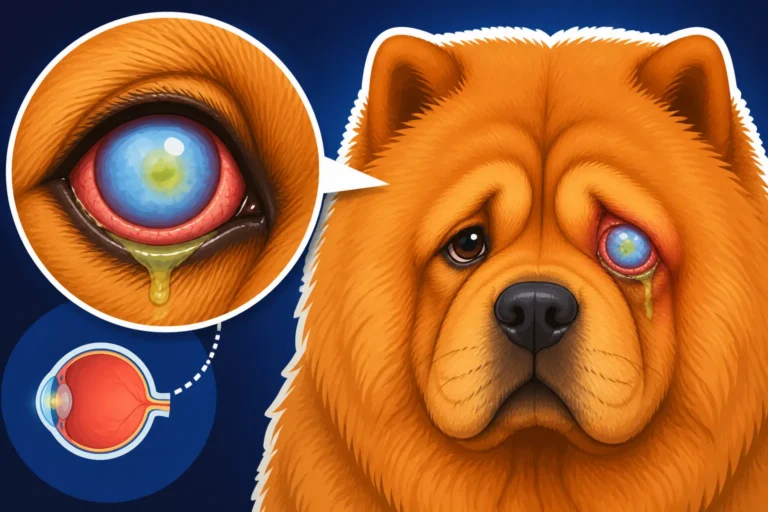
- Mucoid or Purulent Discharge: As the irritation progresses, bacterial infections can take hold, leading to a thick, yellowish-green discharge that can crust around the eye. This isn't just a sign of infection, but also another source of discomfort and stickiness.
- Rubbing or Pawing at the Eye: Your Chow Chow might try to relieve the itching or pain by rubbing their face on furniture or pawing at the affected eye. This can, unfortunately, exacerbate the problem and introduce more bacteria, potentially leading to secondary infections.
- Cloudiness or Ulcers on the Cornea: With severe or prolonged entropion, the constant rubbing can cause damage to the cornea itself. You might notice a hazy or cloudy appearance on the surface of the eye, which indicates corneal edema or scarring. In worse cases, a painful What a Corneal Ulcer Does to a Chow Chow. These ulcers are open sores on the eye's surface and are incredibly painful, posing a significant risk to vision if not treated immediately. These are not minor issues and require urgent veterinary attention.
Why Prompt Veterinary Attention is Crucial
Ignoring the signs of entropion, especially persistent squinting, is not an option for responsible Chow Chow owners. The consequences of delayed treatment can be severe and may lead to irreversible damage to your dog's vision.
The Risk of Corneal Damage and Vision Loss
The constant friction from ingrown eyelashes and fur against the cornea is a recipe for disaster. What starts as mild irritation can quickly escalate into serious damage. Corneal ulcers are intensely painful and can deepen rapidly, potentially perforating the eye. If left untreated, chronic irritation leads to corneal scarring, which appears as opaque or hazy areas on the cornea. This scarring directly obstructs vision, making it difficult for your Chow Chow to see clearly. In the most severe cases, untreated ulcers and scarring can lead to permanent blindness, or even necessitate the surgical removal of the eye to alleviate intractable pain. It's a stark reminder of Whether Entropion Can Blind a Chow Chow. Early intervention is key to preventing these devastating outcomes and preserving your Chow Chow's eyesight and comfort.
Diagnostic Steps and Treatment Options
If you suspect your Chow Chow has entropion due to squinting or other signs, don't delay in contacting your veterinarian. A thorough eye examination is essential to confirm the diagnosis and assess the extent of the damage.
The diagnostic process typically involves:
- Visual Examination: The vet will carefully examine your Chow Chow's eyelids and eyes, observing how the lids roll and checking for redness, discharge, and signs of irritation. They'll also look for the characteristic deep-set eyes and facial folds that contribute to the condition, as described in Why a Chow Chow's Deep Set Eye Causes Trouble.
- Fluorescein Stain Test: This involves applying a special orange dye to the eye. If there's any corneal abrasion or ulcer, the dye will stick to the damaged area and glow bright green under a blue light, revealing the extent of the corneal injury.
- Schirmer Tear Test: This measures tear production, as some eye conditions can be exacerbated by dry eyes.
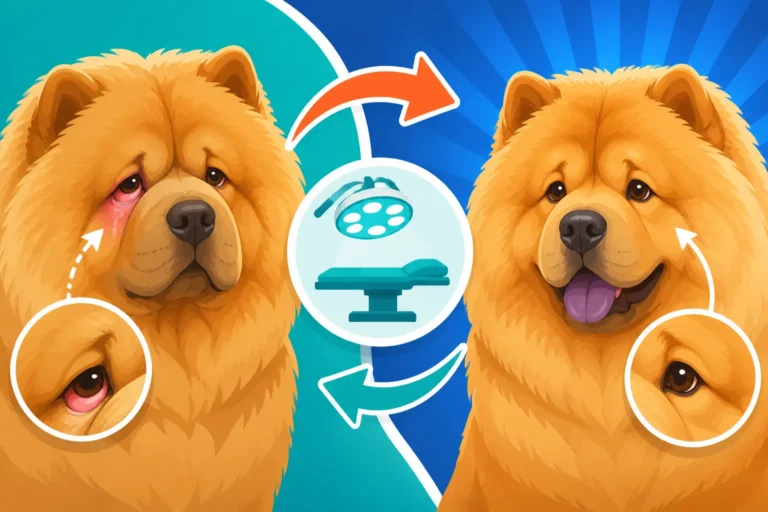
Once entropion is confirmed, the primary treatment is usually surgical. The goal of surgery is to remove a small strip of skin from the affected eyelid, allowing the eyelid margin to roll outward into its correct position. There are a couple of approaches depending on the age of your Chow Chow and the severity:
- Eyelid Tacking (for puppies): In younger Chow Chows, sometimes temporary sutures are placed to roll the eyelid out, giving the puppy's face a chance to grow and mature into a better position. This is often done around The Age Entropion Shows in a Chow Chow Puppy. This might postpone or even prevent the need for full corrective surgery later.
- Corrective Surgery (Blepharoplasty): For adult Chow Chows or puppies where tacking wasn't enough, permanent surgery is performed. This involves precisely removing a crescent-shaped piece of skin and muscle from the eyelid and then stitching it back together, effectively tightening the eyelid and preventing it from rolling inward. This is the most definitive way to address the problem and provides lasting relief. Understanding How Entropion Is Repaired in a Chow Chow can help you prepare for this common procedure.
Your vet might also prescribe topical antibiotics or anti-inflammatory eye drops to manage any existing infection or inflammation before or after surgery.
Living with a Chow Chow Susceptible to Entropion
Even after diagnosis and treatment, managing entropion in a Chow Chow requires ongoing care and vigilance. This breed's unique physiology means that susceptibility can sometimes remain, or repeat issues may arise.
Managing Discomfort Before and After Treatment
Before surgical correction, your vet might recommend temporary measures to alleviate your Chow Chow’s discomfort. Lubricating eye drops or ointments can provide a protective barrier over the cornea, reducing friction and soothing the irritation. In some cases, a prescribed antibiotic eye drop might be used to tackle any secondary bacterial infections that have developed. It’s important to remember these are only palliative measures, not a cure for entropion itself.
Post-surgery care is crucial for a successful outcome. Your Chow Chow will likely need to wear an Elizabethan collar (the "cone of shame") to prevent them from rubbing or scratching at the surgical site. You'll also be responsible for administering eye drops or oral medications to manage pain, reduce inflammation, and prevent infection. The recovery period typically involves keeping the surgical area clean and dry, and avoiding strenuous activity. Generally, How Long a Chow Chow Recovers From Eye Surgery is a few weeks, with sutures usually removed around 10-14 days after the operation. Strict adherence to your vet's post-operative instructions is vital for proper healing and to prevent complications.
The Importance of Regular Eye Checks
Because Chow Chows are predisposed to entropion, even after successful surgery, continuous monitoring of their eye health is paramount. It’s not uncommon for some dogs to require further intervention if the initial surgery wasn't fully corrective or if other parts of the eyelid begin to roll inward. Regular check-ups with your primary veterinarian are essential, and they may recommend periodic visits to a veterinary ophthalmologist, especially if you notice any recurrence of squinting, excessive tearing, or redness.
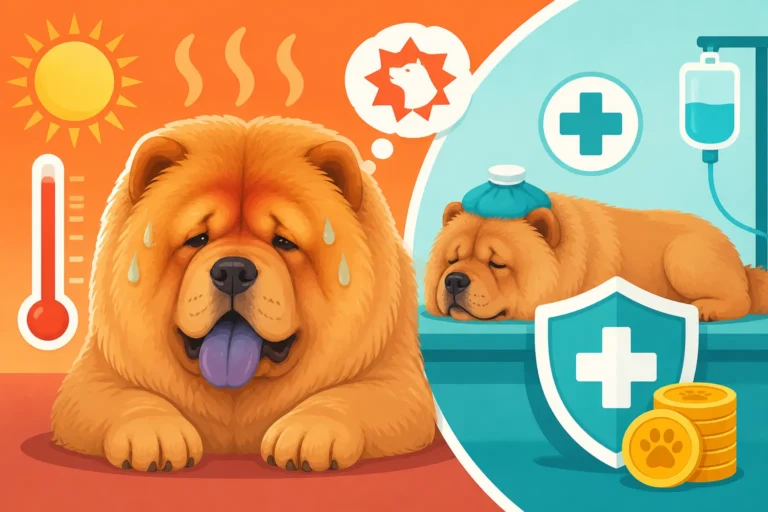
Learning to recognize Signs a Chow Chow Has Entropion, like that tell-tale squint, discharge, or rubbing, will empower you to act quickly. Proactive care also includes keeping the fur around their eyes trimmed short (carefully!) to minimize irritation from stray hairs, and gently cleaning their facial folds daily to prevent moisture and debris buildup. Pet insurance plans like those offered by Healthy Paws can be invaluable for budgeting for these potential veterinary costs, as entropion surgery and follow-up care can be significant investments. Even for a condition like entropion that is so prevalent in Chow Chows, having good insurance can make the decision for treatment much easier, ensuring your furry friend gets the best care without undue financial strain. Being aware of potential costs like What a Chow Chow's Eye Drops Cost a Month, or What a Veterinary Ophthalmologist Charges for a Chow Chow, allows you to plan.
Entropion: Symptoms and Treatment Overview
| Symptom | Description | Potential Outcome (Untreated) | Treatment Typically Involved |
|---|---|---|---|
| Squinting (Blepharospasm) | Persistent or intermittent closing/narrowing of the eye. | Chronic pain, further irritation, hinders vision. | Corrective surgery, pain relief. |
| Excessive Tearing | Constant wetness below the eye, tear staining. | Skin irritation, secondary infections in facial folds. | Eyelid surgery to correct inward roll. |
| Redness/Inflammation | Visible redness of conjunctiva and sclera. | Chronic discomfort, worsening eye health. | Topical anti-inflammatories, surgery. |
| Eye Discharge | Clear, mucoid, or purulent (yellow/green) discharge. | Secondary bacterial infections, discomfort, crusting. | Topical antibiotics, surgery. |
| Rubbing/Pawng at Eye | Dog attempts to scratch or rub the affected eye. | Self-trauma, introduction of more bacteria, worsening damage. | Elizabethan collar, surgery, pain management. |
| Corneal Ulcers/Cloudiness | Hazy appearance, visible lesions on the clear part of the eye. | Severe pain, vision loss, potential eye rupture, blindness. | Urgent veterinary intervention, surgery, intensive eye drops. |
Remember, your Chow Chow's squint is a signal. It's a key indicator of pain and irritation that needs your immediate attention and a trip to the vet. Protecting their precious eyesight and ensuring their comfort is a critical part of being a Chow Chow parent.
Disclaimer
This article is intended for informational purposes only and does not constitute medical advice. Always consult with a qualified veterinarian for any health concerns or before making any decisions about your pet's health or treatment plan.