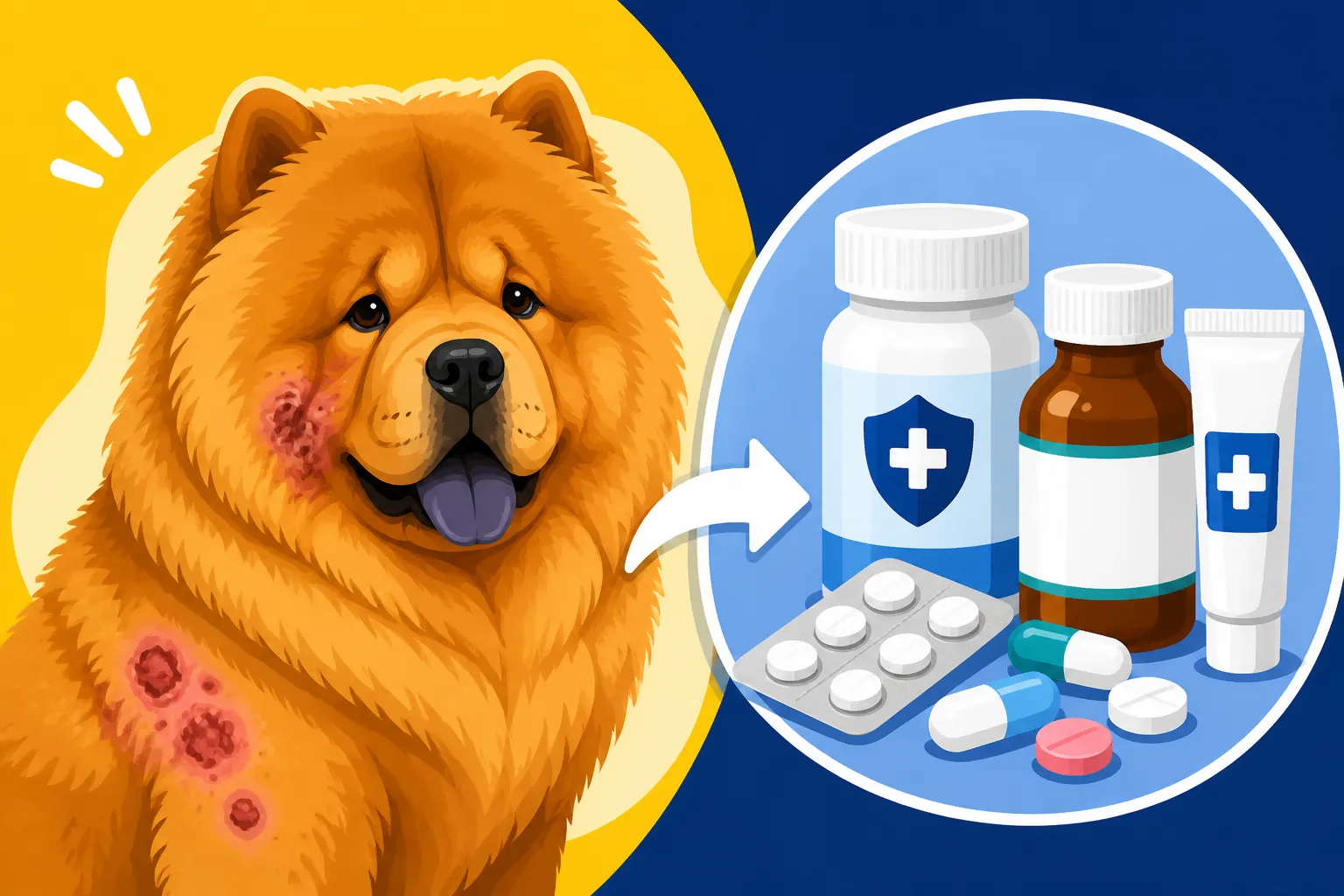
Which Medication a Chow Chow With Pemphigus Takes
Finding out your beloved Chow Chow has Pemphigus Foliaceus can be absolutely terrifying, leaving you reeling with questions about what this means for their comfort and future. It’s a complex autoimmune skin condition that requires careful management, and understanding the medications involved is crucial. This comprehensive guide will walk you through the primary treatments, what to expect from them, and how to support your Chow Chow every step of the way.
Understanding Pemphigus Foliaceus in Chow Chows
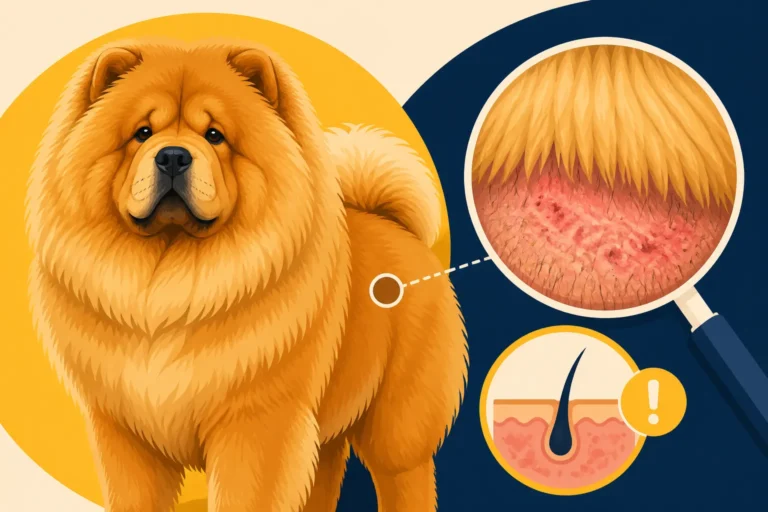
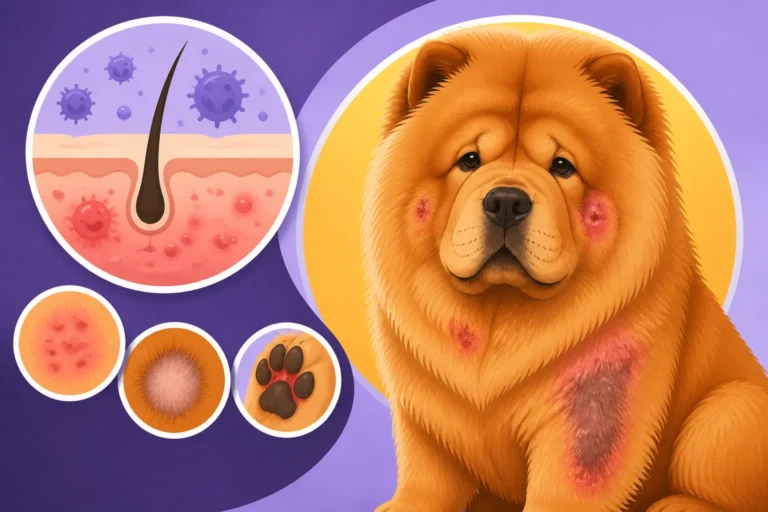
Pemphigus Foliaceus (PF) is an autoimmune skin disease, which means your Chow Chow's own immune system, for reasons not fully understood, mistakenly attacks healthy cells in its skin. Instead of protecting the body, it turns inward, targeting the "glue" that holds skin cells together in the outer layers. This attack leads to the formation of pustules, crusts, and scabs, primarily on the face, ears, footpads, and sometimes body. It's a frustrating and often painful condition that demands attentive care.
The Autoimmune Attack on Skin
Imagine your dog's skin as a meticulously constructed brick wall. In a healthy dog, the bricks (skin cells) are held together by a strong mortar (desmosomes). With Pemphigus Foliaceus, the immune system mistakenly identifies this vital "mortar" as a foreign invader and launches an attack. Antibodies are produced that target these desmosomes, causing the skin cells to separate from each other. This cellular breakdown creates tiny fluid-filled blisters (pustules) that quickly rupture, leading to the characteristic crusts and scabs you’ll typically see. It’s an internal battle manifesting on the outside, and it can be incredibly uncomfortable for your dog. For a deeper dive into the root cause, you might want to read about why a Chow Chow's immune system attacks its skin.
Common Symptoms and Diagnosis
The signs of Pemphigus Foliaceus can be quite varied, making it a tricky condition to diagnose without veterinary expertise. Often, owners first notice red, itchy patches, followed by small pustules that look like pimples. These pustules are fragile and quickly break open, drying into yellow-brown crusts. You might see these lesions on the bridge of the nose, around the eyes, on the ear flaps, or even on the paw pads, causing them to become thickened and cracked. Sometimes, the claws can be affected, leading to brittleness or even shedding.
Because a Chow Chow’s dense coat hides skin disease so effectively, these lesions can go unnoticed until they become more severe or cover larger areas. If you suspect anything, don't delay a vet visit. Your veterinarian will typically perform a skin biopsy, taking small samples of affected skin under sedation, to confirm the diagnosis. This is critical because other skin conditions can mimic PF. To recognize the early indicators, knowing the signs a Chow Chow has an autoimmune skin disease is really helpful.
The Mainstay Medications for Pemphigus Foliaceus
Once your Chow Chow receives a confirmed diagnosis of Pemphigus Foliaceus, the goal of treatment is to suppress the overactive immune system, reduce inflammation, and heal the skin lesions. This usually involves a multi-pronged approach, often starting with strong medications and then carefully tapering them down to the lowest effective dose for long-term management. These medications are powerful, and while they can be life-changing for your dog, they also come with potential side effects that need to be monitored.
Corticosteroids: The First Line of Defense
Corticosteroids, such as prednisone or prednisolone, are typically the initial and most potent weapon against Pemphigus Foliaceus. These medications work by profoundly suppressing the immune system, quickly reducing the inflammation and halting the attack on the skin cells. Your vet will usually prescribe a high "induction" dose to get the condition under control rapidly. This phase might last several weeks, and you’ll likely see a dramatic improvement in your Chow Chow's skin.
However, these medications come with a significant list of side effects, especially at high doses. You might notice your Chow Chow drinking and urinating excessively (polydipsia and polyuria), having an insatiable appetite, panting more, and becoming restless. Over time, chronic steroid use can lead to muscle wasting, a pot-bellied appearance, thinning skin, and increased susceptibility to infections. The critical next step is to slowly and carefully "taper" the dose down once the skin lesions are controlled. This tapering process is not something you should ever do on your own; it must be guided by your veterinarian to prevent a flare-up of the disease and to minimize withdrawal symptoms.
Immunosuppressants: Steroid-Sparing Alternatives
Because of the potential long-term side effects of corticosteroids, many veterinarians aim to reduce the steroid dose to the absolute minimum required to maintain remission. This is where other immunosuppressants often come into play. These medications are used as "steroid-sparing agents," meaning they help control the immune response, allowing the steroid dose to be lowered or even discontinued in some cases.
- Azathioprine (Imuran): This is a common choice for Chow Chows with PF, especially when a high dose of steroids is needed long-term. Azathioprine directly interferes with the production of immune cells. It can take several weeks to see its full effect, so it's usually started alongside steroids and then the steroid dose is gradually reduced. Side effects can include gastrointestinal upset, bone marrow suppression (leading to low white blood cell counts), and liver toxicity, so regular blood monitoring is essential.
- Cyclosporine (Atopica, Cyclavance): While often associated with allergies, cyclosporine is a powerful immunosuppressant that can be very effective for Pemphigus Foliaceus. It works by inhibiting specific immune cells involved in the autoimmune reaction. Like azathioprine, it can take time to become fully effective. Common side effects include vomiting and diarrhea, especially when first starting the medication. These often improve over time or with administration alongside food.
- Mycophenolate Mofetil (CellCept): This medication is another potent immunosuppressant sometimes used, particularly in cases that don't respond well to other treatments. It works by inhibiting the proliferation of lymphocytes, a type of white blood cell involved in immune responses. Gastrointestinal side effects are common, and liver and kidney function must be monitored.
These medications are generally expensive, and the cost of long-term treatment can add up significantly. This is why many Chow Chow owners find immense value in having pet insurance. Companies like Healthy Paws can provide crucial financial support for chronic conditions like Pemphigus Foliaceus, helping to cover the ongoing costs of medication, veterinary visits, and diagnostic tests. It’s worth checking if your plan covers autoimmune diseases, as whether insurance covers a Chow Chow's autoimmune disease is a critical question for many.
Other Adjunctive and Novel Therapies
Beyond the primary steroid and immunosuppressant options, other treatments might be used to support your Chow Chow's skin health or manage specific aspects of Pemphigus.
- Niacinamide and Tetracycline: This combination is an older, milder approach sometimes tried for very early, localized, or less severe cases of PF, or as an adjunct to stronger drugs. Niacinamide (a form of Vitamin B3) has anti-inflammatory properties, and tetracycline is an antibiotic with immunomodulatory effects. This combination has fewer side effects than steroids but is often not powerful enough on its own for most Chow Chows with active Pemphigus Foliaceus.
- Oclacitinib (Apoquel): While primarily used for allergic dermatitis, Apoquel can have some anti-inflammatory effects and might be considered in certain situations, though it's generally not a standalone treatment for severe PF. Its main benefit is reducing itchiness, which can be a secondary symptom.
- Topical Treatments: For localized lesions, your vet might prescribe topical steroid creams, antibiotic ointments, or medicated shampoos to help manage infection and reduce inflammation directly on the skin. These are typically used in conjunction with systemic medications.
Table of Common Pemphigus Medications for Chow Chows
| Medication Class | Example Drug | Primary Mechanism | Common Side Effects | Key Considerations |
|---|---|---|---|---|
| Corticosteroids | Prednisone | Broad immune suppression, anti-inflammatory | Increased thirst/urination, hunger, panting, weight gain | First-line, rapid action, significant long-term side effects at high doses. Requires careful tapering. |
| Immunosuppressants | Azathioprine (Imuran) | Inhibits immune cell production | GI upset, bone marrow suppression, liver toxicity | Steroid-sparing, slower onset, requires blood monitoring. Often used with steroids. |
| Cyclosporine (Atopica) | Inhibits specific immune cells | GI upset (vomiting, diarrhea), gingival hyperplasia | Steroid-sparing, slower onset, can be effective if steroids are not tolerated. | |
| Mycophenolate Mofetil | Inhibits lymphocyte proliferation | GI upset, bone marrow suppression | Reserved for unresponsive cases, typically more expensive, requires close monitoring. | |
| Adjunctive Therapies | Niacinamide/Tetracycline | Anti-inflammatory, immunomodulatory (milder) | Minimal, GI upset possible | Less potent, used for mild cases or in combination. |
Navigating Treatment Challenges and Side Effects
Living with a Chow Chow that has Pemphigus Foliaceus means embracing a new routine of vigilance and consistent care. The medications are powerful tools, but they require a partnership between you, your vet, and often a bit of trial and error to find the perfect balance for your individual dog. It’s not just about giving pills; it’s about understanding the nuances of their effects and responding proactively to any challenges.
Managing Steroid Side Effects
The initial high doses of corticosteroids can be tough on both you and your Chow Chow. The increased thirst will mean more frequent potty breaks, so be prepared for more trips outside, even in the middle of the night. Their increased appetite can lead to begging and frustration, so maintaining a controlled diet is essential to prevent unhealthy weight gain, which can put extra strain on their joints, especially if they are already prone to issues like elbow dysplasia. Keeping them hydrated with fresh water at all times is also crucial.
Over time, if the steroid dose can’t be reduced significantly, you might notice thinning of the skin or a pot-bellied appearance. They may also become more susceptible to infections, both bacterial and fungal, as their immune system is suppressed. This means being extra diligent about cleaning any wounds or skin issues, and reporting new bumps or rashes to your vet immediately. The good news is that many of these side effects lessen considerably once the dose is tapered down to a maintenance level.
Monitoring and Adjusting Treatment
Regular veterinary check-ups are paramount when treating Pemphigus Foliaceus. Your vet will want to see your Chow Chow frequently, especially during the initial induction and tapering phases, to assess how the skin lesions are responding and to monitor for side effects. This will involve physical examinations, and often, blood tests. These blood tests are vital for checking organ function, particularly the liver and kidneys, and for monitoring blood cell counts to ensure that the immunosuppressant medications aren’t causing issues like bone marrow suppression.
The treatment plan for Pemphigus Foliaceus is rarely static. It's often a dynamic process of adjustment. If lesions flare up, the medication dose might need to be increased temporarily. If side effects become too severe, your vet might switch to a different immunosuppressant or adjust the dosage. This is why clear communication with your veterinary team is so important. Don't hesitate to report any changes in your Chow Chow's behavior, appetite, or skin condition, no matter how minor they seem. It's a journey, and finding the right balance takes patience and ongoing evaluation. It's also important to remember that Pemphigus is often a lifelong condition, meaning your Chow Chow will likely require ongoing medication, as whether Pemphigus is lifelong in a Chow Chow is a common concern.
Financial Considerations and Support
The reality of treating a chronic autoimmune disease like Pemphigus Foliaceus is that it can be expensive. The medications, particularly the specialized immunosuppressants, can carry a hefty price tag. Add to that the cost of frequent veterinary visits, blood work, and potential emergency care for flare-ups or infections, and the financial burden can quickly become overwhelming for many families.
This is where pet insurance truly shines. A comprehensive policy from a provider like Healthy Paws can make a monumental difference, covering a significant portion of these ongoing medical expenses. While every policy differs, a good plan can help alleviate the stress of unexpected vet bills, allowing you to focus on getting your Chow Chow the best possible care without worrying about the cost. It's important to research what pet insurance costs on a Chow Chow at eight, or at any age, and to understand policy exclusions for pre-existing conditions. Enrolling early is always best.
Prognosis and Long-Term Care
Living with a Chow Chow diagnosed with Pemphigus Foliaceus is a commitment, but it's one that can be managed successfully with the right approach. While it is a serious condition, many Chow Chows can lead full and comfortable lives with consistent treatment and careful monitoring. The key is to be proactive, educated, and unwavering in your dedication to their well-being.
The Lifelong Journey
Pemphigus Foliaceus is, for the vast majority of Chow Chows, a lifelong condition. This means that while periods of remission are achievable, your dog will likely require some form of medication, whether it's a very low dose of steroids or an immunosuppressant, for the rest of their lives. The goal isn't necessarily to cure the disease, but to control it effectively so that your Chow Chow remains comfortable and enjoys a good quality of life. Expect routine vet visits to continue, perhaps less frequently once a stable maintenance dose is found, but consistently throughout their life. These check-ups will monitor for any signs of relapse or new side effects, ensuring adjustments are made as needed.
Environmental Factors and Flare-Ups
Certain environmental factors can sometimes trigger or worsen Pemphigus flare-ups. Sun exposure is a known culprit for some dogs, especially those with lesions on their nose or sparsely haired areas. Just like in humans, prolonged UV exposure can exacerbate autoimmune skin conditions. You might need to adjust your Chow Chow’s outdoor schedule to avoid peak sun hours, or even consider dog-safe sunscreens for sensitive areas. For more detailed advice, read about how sun worsens a Chow Chow's Pemphigus.
Stress can also play a role in immune system function, and while hard to quantify, reducing stress in your Chow Chow’s environment can be beneficial. Maintaining a consistent routine, providing a calm home, and ensuring they feel secure can contribute to their overall health.
Ensuring a Good Quality of Life
Ultimately, the focus of long-term care for a Chow Chow with Pemphigus Foliaceus is maintaining their quality of life. This means ensuring they are comfortable, pain-free, and happy despite their condition. Pay close attention to their behavior, appetite, and energy levels. While Chows can sometimes be aloof, any significant changes should be noted. If your Chow Chow starts to withdraw, become less active, or shows signs of discomfort, it might indicate a flare-up or an adverse reaction to medication. Knowing what Pemphigus Foliaceus does to a Chow Chow helps you anticipate and address specific concerns.
Regular grooming is also crucial, not just for their famous coat, but to allow you to regularly inspect their skin for any new lesions or issues. Your Chow Chow depends on you to be their advocate and to work closely with your veterinary team to ensure they receive the best possible care throughout their many years. Even as they become a senior, caring for an old Chow Chow with chronic conditions requires patience and dedication.
Disclaimer
The information provided in this article is for educational purposes only and is not a substitute for professional veterinary advice. Always consult with a qualified veterinarian for any health concerns or before making any decisions about your Chow Chow's medical care.