How Pemphigus Is Diagnosed in a Chow Chow
Finding out your beloved Chow Chow has a skin problem can be incredibly stressful, especially when those pesky symptoms just don't seem to clear up with typical treatments. It’s even more disheartening when you suspect something more serious, something autoimmune, might be lurking beneath that magnificent double coat. This guide is here to walk you through the precise steps and tests involved in diagnosing Pemphigus in a Chow Chow, helping you understand the journey ahead and advocate effectively for your furry family member.
Recognizing the Early Signs of Pemphigus in Your Chow Chow
When you notice something isn't quite right with your Chow Chow's skin, it's natural to feel a knot in your stomach. These regal dogs are known for their dense, beautiful coats, which can sometimes be a blessing and a curse when it comes to spotting skin issues early. Pemphigus, an autoimmune skin disease, can be particularly tricky to pinpoint in its initial stages, often mimicking more common, less severe conditions.
The Frustration of Vague Symptoms
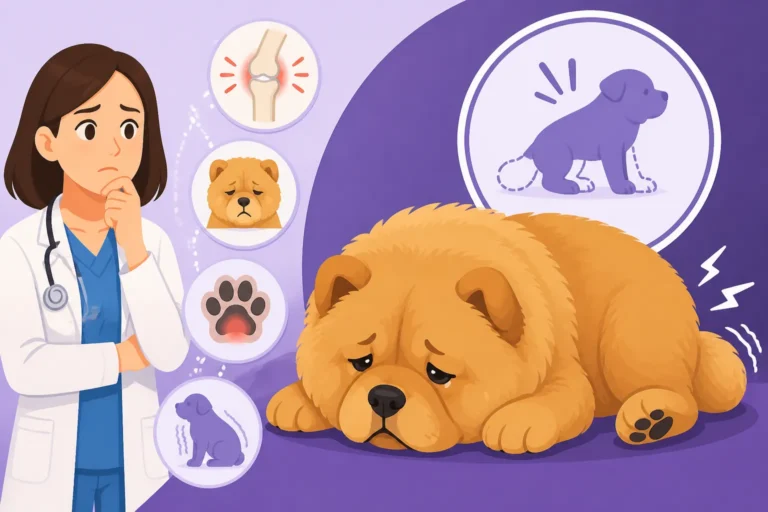
Initially, the signs of Pemphigus can be incredibly subtle and easily dismissed as something minor. You might notice your Chow Chow scratching a bit more than usual, or perhaps you'll catch a faint whiff of a yeasty odor from their skin. Owners often report seeing small areas of redness, or what looks like little bumps or pimples, that don't seem to respond to the usual over-the-counter remedies or even initial antibiotic courses from the vet. This can lead to a frustrating cycle of trial and error, making you feel like you're constantly chasing a moving target. The sheer volume of their fur, whether a rough or smooth coat, can effectively hide these early indicators, meaning by the time you spot something obvious, the condition might be more advanced. For more information on differentiating general skin issues, you might find our guide on Why a Chow Chow's Dense Coat Hides Skin Disease helpful.
What Pemphigus Foliaceus Does to a Chow Chow
Pemphigus Foliaceus (PF) is the most common form of pemphigus seen in dogs, and unfortunately, Chow Chows are one of the breeds predisposed to it. This autoimmune condition causes the immune system to mistakenly attack the connections between skin cells in the outermost layer of the epidermis. The result is the formation of pustules—small, pus-filled blisters—that are usually superficial and rupture easily, quickly developing into crusts and scabs. These lesions can be incredibly itchy and painful for your Chow Chow.
Typically, PF first appears on the face, particularly around the eyes, the bridge of the nose, and the ear flaps. You might see dramatic crusting and scabbing in these areas, often symmetrical. Over time, if left undiagnosed and untreated, it can spread to the body, including the paw pads, where it can cause thickening, cracking, and lameness due to pain. Your dog might become lethargic or lose their appetite due to discomfort. The presence of these specific lesions is a strong indicator, but as mentioned, early on, they might just look like general skin irritation. To understand the broader implications, read about What Pemphigus Foliaceus Does to a Chow Chow.
Differentiating Pemphigus from Other Skin Conditions
One of the biggest hurdles in diagnosing Pemphigus is its uncanny ability to mimic other common skin ailments. Bacterial skin infections (pyoderma), fungal infections (like ringworm), and even severe allergies can present with similar pustules, crusts, and itching. This is precisely why a thorough diagnostic process is so crucial. A vet might initially treat for a bacterial infection, and if the symptoms only partially improve or return quickly, it signals that a deeper investigation is needed. Without definitive tests, it's almost impossible to differentiate PF from these other conditions, which is why a proper diagnosis is vital for effective treatment. It’s not uncommon for owners to spend weeks or even months trying various treatments for what they think is an allergy or infection, only to have the symptoms persist, further validating the challenge of this particular condition.
The Veterinary Diagnostic Journey for Pemphigus
Once your veterinarian suspects an autoimmune skin disease, they'll embark on a structured diagnostic journey. This process is designed to systematically rule out other conditions and ultimately confirm Pemphigus. It requires patience and persistence, but it’s the only way to get your Chow Chow the correct treatment.
The Initial Vet Examination and Basic Tests
When you first bring your Chow Chow in with concerning skin lesions, your vet will perform a comprehensive physical examination. This involves meticulously checking their entire body, paying close attention to the skin, coat, and any visible lesions. They will also gather a detailed history from you, asking about when the symptoms started, how they've progressed, any treatments you've tried, and your dog's general health and lifestyle. This initial information is critical.
Following the physical exam, several basic diagnostic tests are typically performed to rule out more common skin issues. These include:
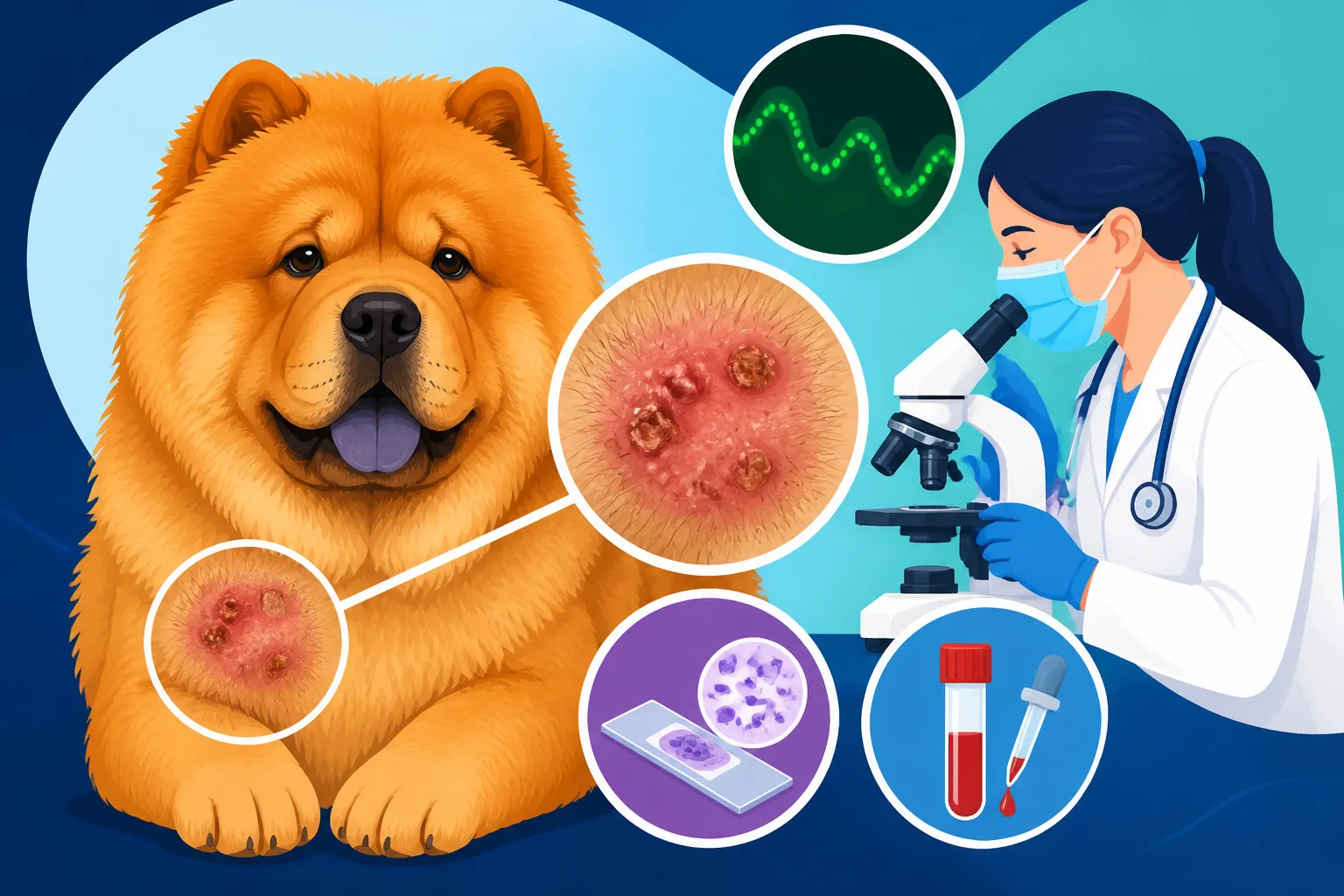
- Skin Scrapes: Your vet will use a blade to gently scrape the surface of the skin, collecting cells and debris to examine under a microscope. This is primarily done to check for external parasites like demodex or sarcoptic mange mites, which can cause severe itching and skin lesions that might resemble PF.
- Cytology: This involves taking samples directly from pustules or under crusts using tape strips or impressions. The sample is then stained and examined under a microscope to identify bacteria, yeast, and inflammatory cells. While cytology can indicate infection, it can also show specific cells (acantholytic cells) that, while not definitive on their own, are highly suggestive of Pemphigus.
- Fungal Cultures: Samples of hair and skin may be sent to a lab to culture for dermatophytes (ringworm). Fungal infections can also cause crusting and hair loss, making this an important rule-out.
These initial tests are essential because treating common infections or parasites is much simpler and less invasive than managing an autoimmune disease. If these initial tests come back negative, or if treatments for identified issues don't resolve the problem, it strengthens the suspicion of Pemphigus. Recognizing the Signs a Chow Chow Has an Autoimmune Skin Disease can prompt you to discuss these tests with your vet sooner.
The Importance of Biopsy for Confirmation
After ruling out the usual suspects, the most definitive diagnostic step for Pemphigus is a skin biopsy. This is the gold standard for confirming an autoimmune skin condition. The thought of your Chow Chow undergoing a procedure like this can be worrying, but it's truly the best way to get a clear answer.
The biopsy procedure involves:
- Sedation or Anesthesia: Your Chow Chow will be sedated or given general anesthesia to ensure they are comfortable and still during the procedure. Given that Chow Chows can be quite stoic and sometimes sensitive to handling, this helps ensure a stress-free experience for them and an accurate sample collection for the vet.
- Sample Collection: The veterinarian will use a small punch biopsy tool to collect multiple small samples of affected skin, usually 6-8 samples from different areas. It's crucial that these samples are taken from fresh, intact lesions (like unruptured pustules or the edge of a crust) rather than old, ulcerated areas, as these provide the most diagnostic information.
- Pathology: The collected skin samples are then sent to a specialized veterinary dermatopathologist. This expert examines the tissue under a microscope, looking for specific changes characteristic of Pemphigus Foliaceus.
The information gleaned from a biopsy is invaluable, as it directly visualizes the cellular changes occurring in the skin, providing the conclusive evidence needed for diagnosis.
Understanding Histopathology Results
The dermatopathologist’s report from the biopsy is the key to unlocking the diagnosis. What they look for are specific microscopic changes within the skin tissue that are pathognomonic (unique and highly characteristic) for Pemphigus Foliaceus.
The hallmark finding is acantholysis, which is the separation of keratinocytes (the main cells of the epidermis) from each other. This separation leads to the formation of intraepidermal pustules, meaning pustules within the top layer of the skin. These pustules typically contain neutrophils (a type of white blood cell) and, crucially, acantholytic cells. These are keratinocytes that have detached from their neighbors and often appear rounded. The presence of these acantholytic cells within the pustules is the definitive microscopic sign of Pemphigus Foliaceus.
If the pathologist confirms acantholysis and the presence of acantholytic cells, along with the appropriate clinical signs, then a diagnosis of Pemphigus is made. This detailed cellular analysis is what differentiates Pemphigus from bacterial infections or other inflammatory skin conditions, even if they look similar on the surface. Understanding these results paves the way for the correct course of action, which often involves specific medications. You can learn more about this in Which medication a Chow Chow with Pemphigus takes.
Additional Diagnostic Tools and Considerations
While a skin biopsy is the cornerstone of a Pemphigus diagnosis, other tests and practical considerations also play a role in the overall management and understanding of your Chow Chow's condition.
Direct Immunofluorescence (DIF) and Indirect Immunofluorescence (IIF)
In some complex or atypical cases, your veterinarian might recommend more specialized tests like Direct Immunofluorescence (DIF) or Indirect Immunofluorescence (IIF). These tests delve deeper into the immune system's role in the disease.
- Direct Immunofluorescence (DIF): This test involves taking a fresh skin biopsy (not preserved in formalin like a standard biopsy) and sending it to a specialized lab. The lab then uses fluorescent antibodies to detect if specific immune proteins (autoantibodies) are bound to the surface of the skin cells within the tissue. For Pemphigus Foliaceus, DIF would look for antibodies binding to the desmosomes, the structures that hold skin cells together. A positive DIF test provides further evidence of an autoimmune attack directly within the skin.
- Indirect Immunofluorescence (IIF): For this test, a blood sample is taken from your Chow Chow. The lab then checks for circulating autoantibodies in the blood that target skin cells. While less sensitive than DIF for Pemphigus Foliaceus, a positive IIF can support the diagnosis and sometimes indicate disease activity.
These tests are generally less commonly used as primary diagnostic tools than a standard biopsy, but they can be incredibly valuable when the biopsy results are equivocal or when a deeper understanding of the immune response is desired. They offer another layer of confirmation in challenging cases.
Bloodwork and General Health Assessment
Even though Pemphigus Foliaceus is a skin-specific autoimmune disease and doesn't typically manifest with unique markers in routine bloodwork, a full blood panel (Complete Blood Count and Chemistry Panel) is almost always performed during the diagnostic process. Why? For several crucial reasons:
- Overall Health Status: It provides a baseline assessment of your Chow Chow's general health, checking organ function (kidneys, liver), blood cell counts, and electrolyte levels. This is important to ensure there are no other underlying health issues that could complicate diagnosis or treatment.
- Rule-Out Other Conditions: It helps rule out systemic illnesses that might have skin manifestations but are not autoimmune in nature.
- Pre-Treatment Assessment: Pemphigus treatment often involves powerful immunosuppressive medications, such as corticosteroids. These drugs can have significant side effects, and having baseline bloodwork allows the vet to monitor for any adverse reactions once treatment begins. Knowing what your Chow Chow's normal blood values are before starting medication is incredibly important for safe and effective management. This falls under the general category of Autoimmune Disease in a Chow Chow and how it's managed. For a comprehensive look at necessary check-ups, consider our guide on What a Chow Chow's Yearly Bloodwork Should Cover.
Financial Considerations and Pet Insurance
Navigating a diagnosis like Pemphigus in your Chow Chow can be emotionally and financially demanding. The process involves multiple vet visits, specialized tests like biopsies and potentially immunofluorescence, and consultations with veterinary dermatologists. Each step carries a cost, and these can add up quickly.
- Initial Consultations and Basic Tests: Expect costs for initial vet exams, skin scrapes, cytology, and fungal cultures.
- Biopsy: The biopsy itself, including anesthesia, sample collection, and histopathology fees, can be substantial.
- Specialized Tests: If DIF or IIF are pursued, these will incur additional lab fees.
- Dermatologist Consultations: Referrals to a board-certified veterinary dermatologist can provide expert guidance but also come with specialist consultation fees.
This is where having a good pet insurance policy, like one from Healthy Paws, can truly be a lifesaver. Pet insurance can help alleviate the financial burden by covering a significant portion of these diagnostic costs, allowing you to focus on your Chow Chow's health rather than the bills. Many pet owners find that an insurance plan from Healthy Paws can significantly reduce the financial stress during such a challenging time, ensuring they can pursue all necessary tests without hesitation. Be sure to check policy details, but a comprehensive plan from Healthy Paws can make a huge difference in managing the unexpected expenses of a chronic condition.
What Happens After a Pemphigus Diagnosis?
Receiving a definitive diagnosis of Pemphigus for your Chow Chow is a pivotal moment. While it might feel overwhelming, it also marks the beginning of a clearer path towards management and improving your dog's quality of life.
Starting Treatment and Monitoring Response
Once Pemphigus Foliaceus is confirmed, your veterinarian or a veterinary dermatologist will initiate a treatment plan, typically involving immunosuppressive medications. Oral corticosteroids, such as prednisone, are usually the first line of defense, often prescribed at high initial doses to bring the disease under control. Other immune-modulating drugs may be added or used in conjunction with steroids to achieve better control and minimize steroid side effects in the long run.
Monitoring your Chow Chow's response to treatment is crucial. This involves regular follow-up appointments, often every few weeks initially, to assess how the skin lesions are healing, observe for new lesions, and monitor for any side effects of the medication. Bloodwork will also be done periodically to check liver and kidney function, especially with steroid use. The goal is to taper the medication down to the lowest effective dose that keeps the disease in remission. The diagnosis is merely the first step on a long-term journey of careful management.
Living with a Pemphigus Diagnosis
Living with a Chow Chow diagnosed with Pemphigus means committing to long-term management. Pemphigus is typically a lifelong condition, meaning there is no "cure" in the traditional sense, but rather a need for continuous management to prevent flare-ups. You'll become intimately familiar with your dog's skin, learning to recognize the subtle signs of a potential relapse, such as new pustules or increased crusting.
Maintaining open and honest communication with your veterinary team is paramount. They will guide you through medication adjustments, potential side effects, and general care strategies. Sun exposure can often worsen Pemphigus lesions, especially on sparsely haired areas like the bridge of the nose, so protecting your Chow Chow from intense sunlight, as discussed in How Sun Worsens a Chow Chow's Pemphigus, might be part of the care plan. While it's a chronic condition, with diligent management and appropriate medication, many Chow Chows with Pemphigus can lead comfortable and happy lives. Understanding Whether Pemphigus is lifelong in a Chow Chow helps set realistic expectations for their care.
| Feature / Condition | Pemphigus Foliaceus | Bacterial Pyoderma | Fungal Infection (Ringworm) | Allergic Dermatitis |
|---|---|---|---|---|
| Primary Lesions | Pustules, quickly rupture into crusts & scabs | Pustules, papules, epidermal collarettes, crusts | Circular patches of hair loss, scaling, redness, crusting | Redness, itching, papules, self-trauma, often no pustules |
| Location | Often face (nasal bridge, eyes, ears), paw pads, spreading | Anywhere, often groin, armpits, ventral abdomen | Face, ears, paws, body | Ears, paws, armpits, groin, face |
| Itchiness | Variable, can be intensely itchy or mildly so | Variable, can be itchy | Variable, can be itchy | Often intense itching |
| Diagnostic Method | Skin Biopsy (Histopathology) is definitive, cytology suggestive | Skin scrapes (rule out mites), Cytology | Fungal culture (DTM), Wood's lamp, direct microscopic exam | Rule out other conditions, trial elimination diets, allergy testing |
| Microscopic Findings | Acantholytic cells in pustules, intraepidermal pustules | Neutrophils, bacteria, sometimes cocci | Fungal spores and hyphae on hair shafts | Inflammatory cells (mast cells, eosinophils), no bacteria if sterile |
| Response to Antibiotics | Minimal or temporary improvement, relapses quickly | Good initial response, may recur if underlying cause not treated | No response | No response to antibiotics alone |
Disclaimer
This article is intended for informational purposes only and does not constitute veterinary advice. Always consult with a qualified veterinarian for any health concerns or before making any decisions about your pet's health or treatment.