How to Cool a Chow Chow Down Fast
It's every Chow Chow owner's worst nightmare: seeing your beloved, stoic companion suddenly distressed, panting excessively, and looking utterly miserable on even a moderately warm day. Their dense double coat and unique build make them incredibly susceptible to overheating, and when it happens, time is of the essence. This guide will walk you through exactly how to quickly cool your Chow Chow down in an emergency, recognizing the warning signs, and understanding what steps you absolutely must take to protect their health.
Recognizing the Urgent Signs of Overheating in Your Chow Chow
Spotting the early indicators of your Chow Chow struggling with the heat is critical, because once they're in full-blown heat stroke, the situation can escalate to life-threatening very quickly. Don't assume their usual reserved demeanor means they're fine; Chows are masters at hiding discomfort until it's severe.
Early Warning Signals to Watch For
The first signs often aren't as dramatic as you might think, especially if you're used to their general puffiness. You might notice your Chow Chow starting to pant more heavily than usual, even if they haven't been exercising intensely. This isn't just a casual pant; it's deep, rapid breathing where their tongue might hang out further than normal, and their lips might be pulled back more severely. They might also appear restless, pacing around or struggling to find a comfortable spot to lie down, even in the shade. Often, their gums can become a brighter red than their usual healthy pink, signaling increased blood flow trying to dissipate heat. Another subtle sign can be a loss of interest in food or water, or just a general sluggishness that's more pronounced than their typical laid-back attitude. If you see these, it's time to take immediate action.
Progression to Severe Heat Stroke
When a Chow Chow moves past initial discomfort into true heat stroke, the symptoms become much more alarming, and you're entering a veterinary emergency. Their panting will become frantic, almost a gasp for air, and they might start drooling excessively, with thick, ropey saliva. Their gums can change from bright red to a dusky purplish-red or even very pale, signaling circulatory collapse. You might notice their coordination faltering; they could stumble, appear disoriented, or even collapse. Vomiting and diarrhea are also common in severe cases, sometimes containing blood. Seizures can occur, and ultimately, without intervention, they can lose consciousness. It's truly terrifying to witness, and at this stage, every second counts. Understanding Signs a Chow Chow Is in Heat Stroke is paramount for any owner.
Immediate First Aid for an Overheated Chow Chow
Once you suspect your Chow Chow is overheating, you need to act fast. These initial steps can buy you crucial time while you prepare for or seek veterinary care. Remember, your goal is to lower their body temperature gradually and safely, not too rapidly.
Move to a Cooler Environment and Offer Water
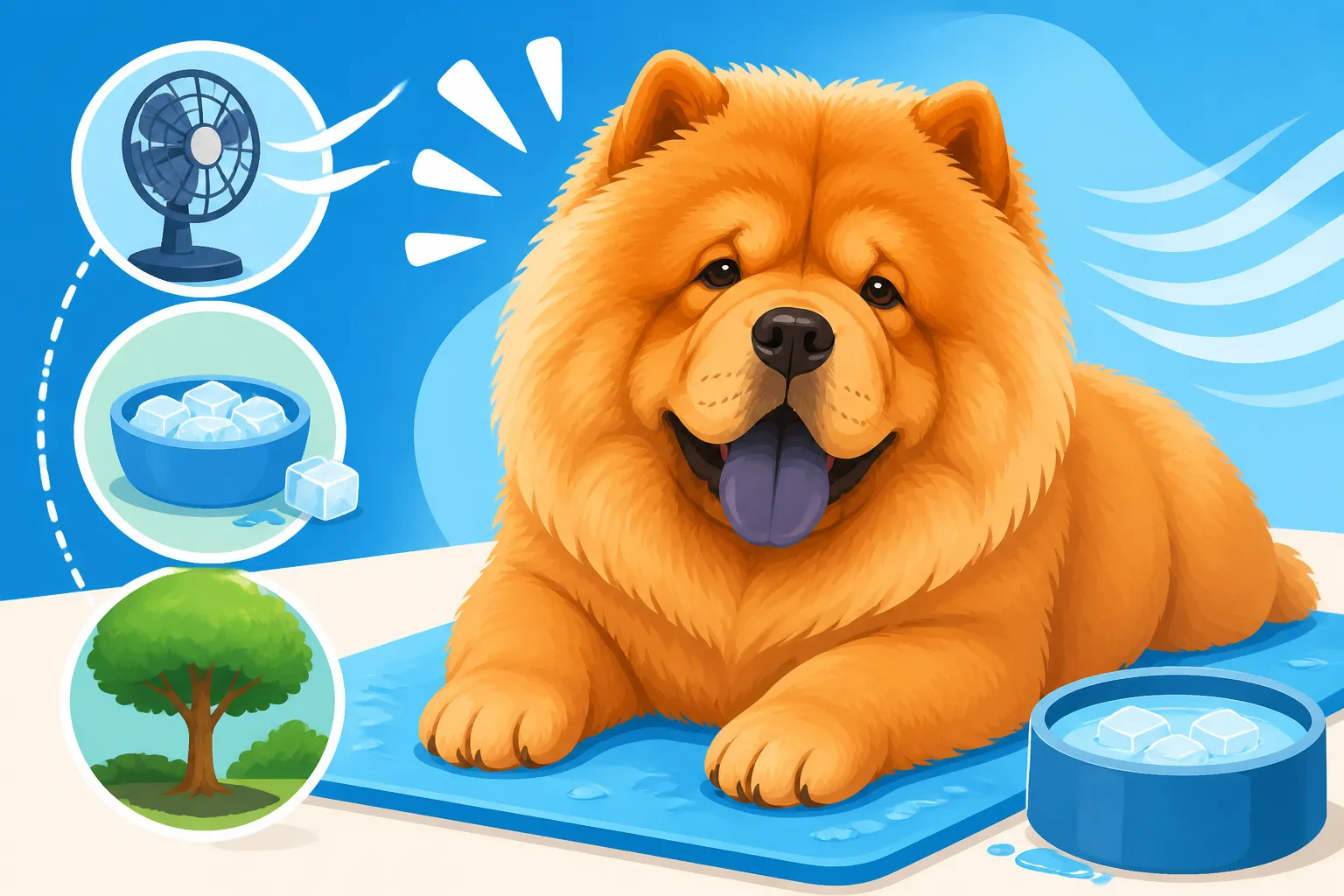
The very first thing to do is get your Chow Chow out of the heat source immediately. If you're outside, move them into the deepest shade you can find, or ideally, into an air-conditioned car or building. If you're at home, take them to the coolest room, perhaps one with a tile floor, and crank up the air conditioning or a fan. Position them directly in front of a fan if possible.
Once they're in a cooler spot, offer them fresh, cool (not ice-cold) water. Don't force them to drink, but make it available. If they're too weak to drink from a bowl, you can try offering small amounts by hand or from a syringe, but be careful not to let them inhale it, as this could lead to aspiration pneumonia. The most important thing is simply making water accessible. You might be surprised to learn How Much Water a Chow Chow Drinks in Summer is significantly more than in cooler months.
Applying Cooling Methods Safely
This is where you can make a significant difference. Start by wetting their paws, ear flaps, and the area around their abdomen and groin with cool (again, not icy) water. A garden hose set to a gentle spray or wet towels can work wonders. Focus on these areas because they have less fur and more blood vessels close to the surface, allowing for faster heat exchange.
Wet towels are incredibly effective. Soak several towels in cool water, wring them out slightly, and lay them over your Chow Chow's body, especially on their back, neck, and chest. Change these towels frequently as they warm up. You can also place cool, damp cloths on their paw pads. A crucial point here: avoid ice packs or extremely cold water directly on their skin. Rapid cooling can cause blood vessels to constrict, trapping heat inside their body, and can even lead to hypothermia, which is another dangerous situation. Gentle, consistent cooling is the key.
Another great trick is using rubbing alcohol on their paw pads. The alcohol evaporates very quickly, drawing heat away from the body. Just a small amount wiped on the pads can help.
Advanced Cooling Techniques and Veterinary Intervention
While you're performing first aid, it's vital to remember that an overheated Chow Chow is a veterinary emergency. These initial steps are simply to stabilize them on the way to professional medical care.
When to Seek Emergency Veterinary Care
Let me be absolutely clear: if your Chow Chow is showing any signs beyond mild panting and restlessness – if they're disoriented, collapsing, vomiting, or showing any neurological symptoms like seizures – you need to get them to an emergency veterinarian immediately. Call ahead to let them know you're coming so they can prepare. Even if your dog seems to improve with your at-home cooling, a vet visit is still crucial. There can be internal damage to organs like kidneys, liver, and brain that isn't immediately visible, and only a vet can assess and treat this. This is why having pet insurance like Healthy Paws can be so incredibly reassuring, knowing you can focus on getting them the best care without immediate financial stress.
Veterinary Treatments and Prognosis
At the vet clinic, they will continue aggressive cooling measures, often using intravenous (IV) fluids to combat dehydration and maintain blood pressure, and sometimes even a cool water enema if needed. They will monitor your Chow Chow's core body temperature carefully to ensure it doesn't drop too low. Blood tests will be run to check for organ damage, clotting disorders, and electrolyte imbalances. In severe cases, they might need oxygen therapy, medications to prevent seizures, or treatments for kidney failure.
The prognosis for heat stroke depends entirely on the severity of the overheating and how quickly treatment was initiated. Dogs treated promptly for mild heat exhaustion usually recover fully. However, if their temperature was extremely high or they were overheated for an extended period, the damage can be permanent or even fatal. The cost of treating heat stroke can be substantial, as it often requires intensive care and extended hospitalization. Knowing What Heat Stroke Costs to Treat in a Chow Chow can help owners prepare for such emergencies.
| Cooling Method | Application | Pros | Cons | Urgency Level |
|---|---|---|---|---|
| Cool Water Sprays | Gentle hose/shower, focus on paws, belly, groin. | Fast, accessible, effective for general cooling. | Can be stressful for some dogs, risk of over-cooling if too cold. | High |
| Wet Towels | Soak in cool water, wring, apply to body. Change often. | Targeted cooling, comforting, easy to control. | Need constant changing, less effective for severe cases alone. | High |
| Fans/AC | Position dog in front of fan, move to air conditioning. | Non-invasive, continuous air circulation. | Slower cooling, not enough for severe cases. | Medium |
| Rubbing Alcohol | Wipe on paw pads. | Quick evaporation, draws heat effectively. | Only for paw pads, needs careful application. | High |
| Cooling Mats/Vests | Place dog on mat, put vest on. | Passive, portable, good for prevention/mild. | Slower, not emergency treatment, can get warm. | Low/Medium |
| Ice Packs | AVOID DIRECTLY. Use wrapped in cloth, briefly. | Very fast cooling (if used carefully). | High risk of vasoconstriction (trapping heat), frostbite. | Very Low – AVOID |
Preventing Future Overheating Incidents
The best treatment for overheating is prevention. Being proactive and understanding your Chow Chow's unique vulnerabilities can save their life and avoid a terrifying experience.
Managing Exercise and Outdoor Activities
Your Chow Chow isn't built for long runs in the park, especially when it's warm. Their dense double coat, which protects them from both cold and heat, combined with their brachycephalic (short-nosed) structure, means they don't cool down efficiently. When temperatures start to climb, restrict walks and outdoor playtime to the coolest parts of the day – early mornings or late evenings. Avoid the midday sun entirely. Even on cooler days, keep exercise moderate. Pay attention to What Temperature Is Too Hot for a Chow Chow and always err on the side of caution.
If you must be outside, keep walks short and frequent. Always bring water and a portable bowl, and take breaks in the shade. Consider a cooling vest or bandanna (wet, not frozen) for outings, but never rely on these alone in hot weather. Remember, a brisk twenty-minute walk for a Labrador can be a life-threatening ordeal for a Chow Chow in the same conditions.
Environmental Modifications for Your Chow Chow's Comfort
Creating a cool haven for your Chow Chow is essential, especially during warmer months. This means consistent access to air conditioning. For many Chow Chow owners, central air is not just a luxury but a necessity for their dog's safety. If you don't have AC, consider window units in the rooms your Chow Chow spends most of their time in, or invest in strong fans. You might be interested in knowing Whether a Chow Chow Needs Air Conditioning and how crucial it truly is.
Cooling mats, designed to dissipate heat or filled with self-cooling gel, can offer a welcome spot for your Chow to relax. Ensure they always have access to fresh, cool water, refreshing it often throughout the day. Some owners even use kiddie pools filled with shallow, cool water for their Chows to wade in, which can be a fun way for them to cool off, assuming they're amenable to it.
Never, ever leave your Chow Chow unattended in a car, even for a few minutes with the windows cracked. The temperature inside a car can rise to deadly levels incredibly quickly, even on what seems like a mild day. This applies to garages, sheds, or other enclosed, poorly ventilated spaces as well.
Grooming and Dietary Considerations
While you might be tempted to shave your Chow Chow in summer, please don't! Their double coat acts as insulation, protecting them from both heat and cold. Shaving it actually removes this natural defense, exposing their skin to sunburn and potentially causing their coat to grow back incorrectly or not at all. You can learn more about Why Shaving Does Not Cool a Chow Chow. Instead, focus on thorough regular grooming to remove loose undercoat, which can trap heat. Regular brushing, especially during their twice-yearly coat blows, helps to improve air circulation close to their skin. Understanding The Twice a Year a Chow Chow Blows Its Coat can help you plan your grooming schedule.
Feeding a high-quality, balanced diet is always important for overall health. While diet won't directly prevent overheating, keeping your Chow Chow at a healthy weight will reduce the strain on their body and make them less susceptible to heat-related issues. An overweight dog will struggle far more with heat than one at an ideal weight. Always ensure they have access to plenty of fresh water, adding ice cubes to their bowl on warm days can encourage them to drink more. For owners conscious about their Chow Chow's well-being and potential health costs, especially for breeds prone to specific issues, looking into pet insurance providers like Healthy Paws can provide peace of mind.
Disclaimer
The information provided in this guide is for educational purposes only and is not a substitute for professional veterinary advice. Always consult with a qualified veterinarian for any health concerns or emergencies related to your Chow Chow.