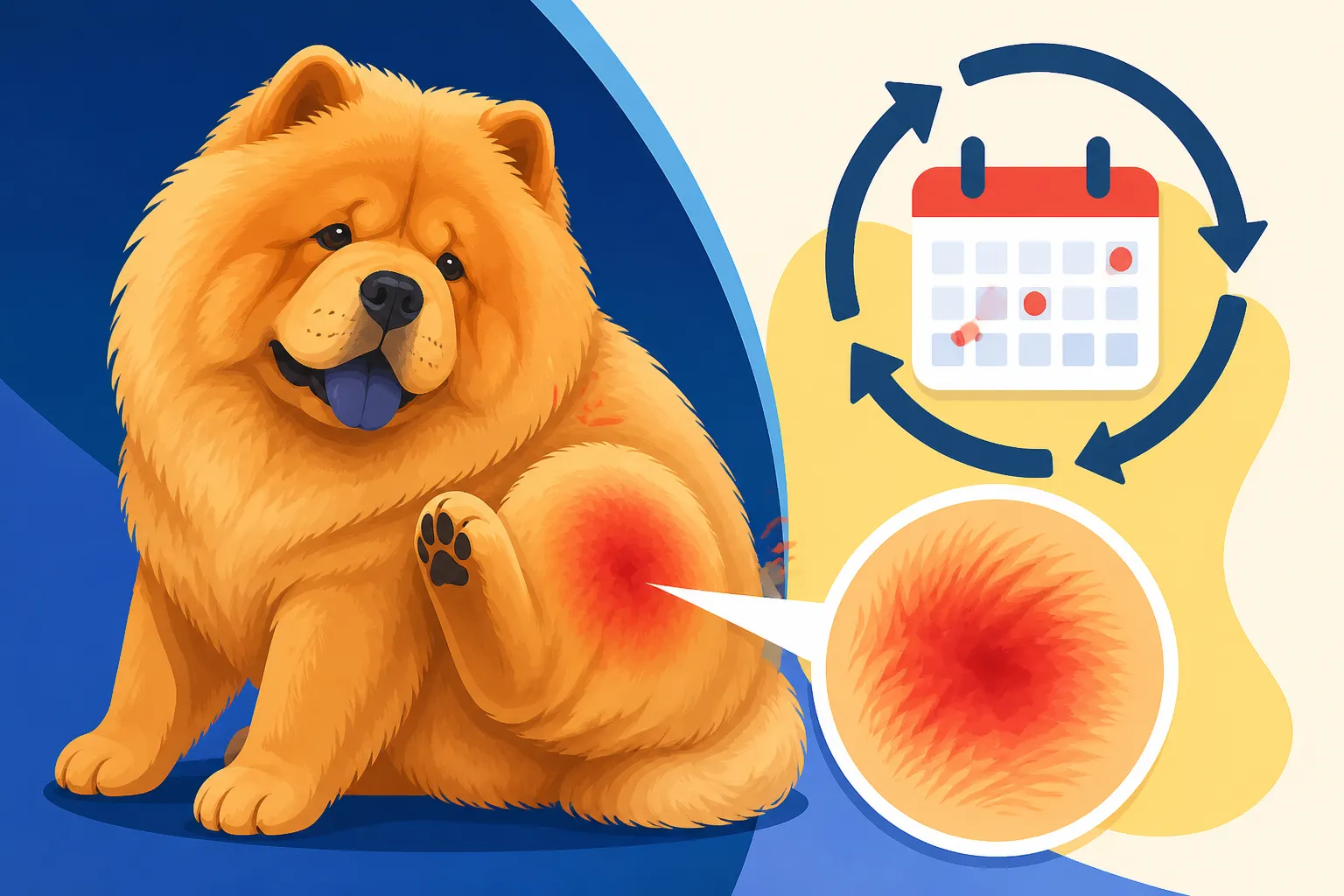
How Often a Chow Chow Gets Hot Spots
It’s a truly disheartening moment when you discover a hot spot on your beloved Chow Chow. One minute, their magnificent, dense coat seems perfectly fine, and the next, you’re uncovering a raw, weeping, angry red lesion that appeared seemingly out of nowhere. The truth is, these painful skin infections, medically known as acute moist dermatitis, are a frustratingly common foe for Chow Chow owners, and understanding how often they strike, and why, is key to keeping your furry companion comfortable.
Understanding Hot Spots: What They Are and Why They're a Chow Chow Problem
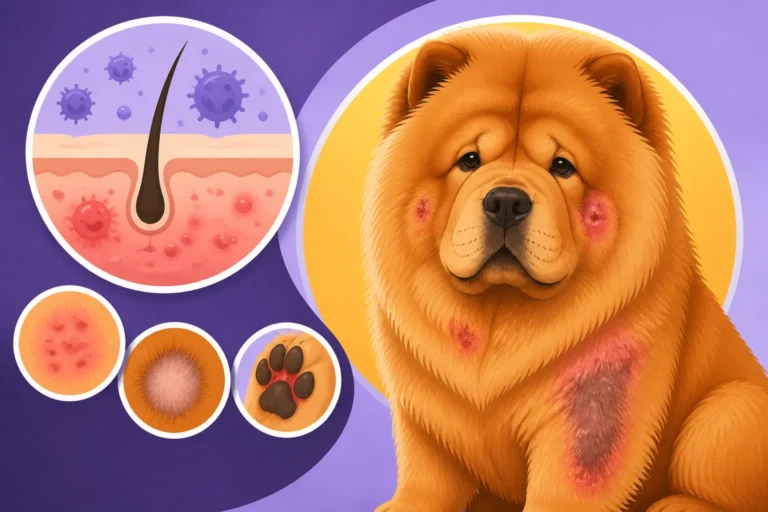
Let's start with the basics: what exactly is a hot spot? Imagine an itch that just keeps getting worse. Your Chow Chow feels a tingle, a bite, or an irritation, and they lick, chew, or scratch at it. This seemingly innocent act quickly escalates. The constant moisture from their saliva, combined with the warmth and the dense fur, creates the perfect breeding ground for bacteria. Within hours, that small irritation explodes into a rapidly spreading, oozy, intensely painful lesion. It’s a vicious cycle that can feel impossible to stop once it starts.
For Chow Chow owners, this situation is often compounded by their breed's unique characteristics. Their incredibly thick double coat, while beautiful, is a master at trapping moisture and heat close to the skin. This means that once a hot spot begins, it can spread underneath that heavy fur almost invisibly, making it much harder to detect early. By the time you notice the irritation, it’s often already quite advanced, leaving your poor Chow Chow in significant discomfort.
The frequency with which a Chow Chow gets hot spots can vary wildly from dog to dog. Some Chows might go their entire lives without ever experiencing one, while others seem to be in a constant battle with these lesions, especially during certain seasons or if underlying issues are present. It's not uncommon for a predisposed Chow Chow to develop several hot spots over the course of a single year, particularly if the root cause isn't addressed. It often feels like you just get one healed, and another pops up.
The Chow Chow's Unique Predisposition: Coat, Skin, and Sensitivity
The Chow Chow’s distinctive traits, from their magnificent double coat to their sometimes sensitive skin and even their stoic nature, all contribute to their susceptibility to hot spots. It’s a perfect storm of biological factors that makes them prime candidates for these miserable skin conditions.
The Double Coat and Trapped Moisture
First and foremost, the Chow Chow's dense, glorious double coat is a major factor. This coat, comprised of a soft, woolly undercoat and a longer, coarser outer guard coat, is designed to protect them from extreme temperatures. However, in humid climates or during hot months, it can become a literal incubator for skin problems. Moisture from a bath that isn’t thoroughly dried, sweat from exercise, or even just a sudden rain shower can get trapped against the skin for extended periods. This creates the ideal damp, warm environment for bacteria to flourish, leading to a hot spot. It’s why thoroughly drying your Chow Chow to the skin is so critical after any water exposure.
Furthermore, this incredible coat means that early signs of skin irritation are often completely hidden. You might not see the initial redness or irritation because it's buried under inches of fur. By the time the hot spot has grown large enough to become noticeable from the outside, perhaps through a matted patch or a sudden change in your dog's demeanor, it’s already a full-blown infection. This makes regular, diligent grooming absolutely non-negotiable for a Chow Chow owner, as discussed in How to Line Brush a Chow Chow.
Skin Allergies and Irritations as Triggers
Beyond just trapped moisture, many hot spots are actually secondary infections stemming from an underlying irritation. Chow Chows, like many breeds, can be prone to various allergies – whether environmental, food-related, or flea allergies. When your Chow Chow experiences an allergic reaction, their skin becomes itchy and inflamed. They start licking, chewing, and scratching to relieve the discomfort, inadvertently breaking the skin barrier and introducing bacteria from their mouth and paws. This scratch-itch cycle quickly spirals into a hot spot.
It's a frustrating reality for many owners when they discover Whether a Chow Chow Gets Skin Allergies. Finding the specific allergen can be a long and expensive journey, involving elimination diets or allergy testing. Flea bites, even just one or two, can trigger an intense reaction in a flea-allergic Chow Chow, leading to aggressive scratching and a rapid hot spot development. Always ensure your Chow Chow is on a reliable flea and tick preventative, year-round, even if you don't see visible fleas.
Other Contributing Factors
Several other elements can increase a Chow Chow's vulnerability. Poor grooming, particularly infrequent brushing that leads to matting, is a huge culprit. Mats pull on the skin, cause irritation, and further trap moisture and debris, creating perfect conditions for hot spots. This is why hot spots on a matted coat (Whether a Matted Chow Chow Gets Hot Spots) are such a common occurrence. Additionally, minor cuts, scrapes, insect bites (like mosquitoes or gnats), or even skin fold dermatitis in the breed's natural wrinkles can be starting points. Anything that causes your Chow Chow to persistently lick or chew a spot can ignite a hot spot. Their sometimes stoic nature can also be a double-edged sword; they might quietly suffer with an itch for longer before showing obvious signs of discomfort, giving a hot spot more time to develop.
Spotting the Signs: Finding Hot Spots Hiding in Plain Sight
Finding a hot spot on a Chow Chow can feel like searching for a needle in a haystack, especially with their magnificent, dense coat. Owners often lament that by the time they discover one, it's already a significant problem. However, knowing what to look for, even subtle clues, can help you intervene faster and prevent a small irritation from becoming a massive, painful lesion.
Behavioral Cues That Indicate Trouble
Your Chow Chow might not overtly scratch and whine like some other breeds when something is bothering them; their independent and often stoic nature can lead them to suffer in silence for a while. This is why paying close attention to their subtle behavioral changes is so important. Do you notice them licking a particular area more than usual, even seemingly casually? Are they suddenly restless at night, shifting around or trying to rub a specific part of their body against furniture or the floor? Is their demeanor a bit off – perhaps more withdrawn, less enthusiastic about walks, or more irritable when touched? These could all be indicators that an itch has started, and a hot spot could be brewing.
Another tell-tale sign is localized tenderness. If your Chow Chow flinches, pulls away, or even snaps when you try to pet a certain area, investigate immediately. This could indicate a very painful hot spot that has already taken hold. Remember, for a breed that can sometimes be reserved about handling, any sign of discomfort should be taken seriously and warrants a thorough check.
Uncovering Hot Spots in the Dense Coat
Visually inspecting a Chow Chow’s skin requires dedication. It’s not enough to just pat their coat. You need to get your fingers down to the skin, parting the fur methodically. Start with areas where hot spots commonly occur: behind the ears, on the neck, along the flanks, at the base of the tail, and on their legs. These are often easy-to-reach licking spots or areas prone to matting and friction. Run your hands over their entire body, feeling for any lumps, bumps, moisture, or areas of stickiness.
Once you find a suspicious spot, gently part the fur to get a good look at the skin underneath. A hot spot typically appears as a raw, red, moist, and often oozing lesion. The surrounding fur might be matted with discharge, and the skin itself will likely be inflamed and sore. Don’t be surprised if you have to clip away a significant amount of fur around the lesion to properly assess and treat it. This is often the first step a vet will take, as the hair traps moisture and hinders healing. This is especially important because Why a Chow Chow's Dense Coat Hides Skin Disease.
| Sign/Symptom | Appearance/Behavior | Why it's critical for Chow Chows |
|---|---|---|
| Persistent Licking/Chewing | Dog focuses on one body part, often subtly at first. | Often the first sign, but easily missed due to their stoic nature. |
| Matted or Wet Fur | Clumped, sticky fur, sometimes with a foul odor. | Dense coat easily hides moisture and discharge, allowing rapid spread. |
| Red, Inflamed Skin | Area will be bright red, swollen, and warm to the touch. | Hidden beneath the fur, often only found by touch or when advanced. |
| Pain or Tenderness | Fliching, growling, or snapping when the area is touched. | Indicates significant discomfort and a well-established hot spot. |
| Hair Loss | Patch of fur missing directly over the lesion. | May be the first visible sign, but means the lesion is already large. |
| Pustules or Scabs | Small bumps or crusted areas on or around the lesion. | Indicates bacterial infection and healing process, but also ongoing irritation. |
Prevention and Prompt Action: Minimizing Hot Spot Recurrence
When it comes to hot spots in Chow Chows, an ounce of prevention is worth a pound of cure – or, in this case, a whole lot of painful vet visits and medication. While you might not eliminate them entirely, you can significantly reduce their frequency and severity by being proactive and responding swiftly.
Diligent Grooming and Coat Care
This is perhaps the most critical component of hot spot prevention for a Chow Chow. Regular, thorough grooming is non-negotiable. For rough-coated Chows, this means brushing several times a week, ensuring you get right down to the skin to remove loose undercoat and prevent mats. Even smooth-coated Chows need consistent brushing to manage shedding and keep their skin healthy. Pay extra attention to common matting areas like behind the ears, under the legs, and the "britches" around their rear.
Bathing practices are equally important. While you don't need to bathe your Chow Chow every week, when you do, use a good quality dog shampoo and, most importantly, ensure they are dried completely to the skin. This can be a time-consuming process for a Chow Chow due to their thick fur, often requiring a high-velocity dryer. Why a Chow Chow Must Be Dried to the Skin cannot be stressed enough; any trapped moisture is an open invitation for a hot spot. During a coat blow, which happens twice a year, the risk increases dramatically, so double down on your grooming efforts.
Environmental Control and Allergy Management
Managing your Chow Chow’s environment and potential allergies can drastically reduce hot spot triggers. If you suspect environmental allergies, keep their bedding clean, vacuum regularly, and consider air purifiers. During pollen season, wiping down their paws and coat after outdoor excursions can help remove allergens. For Chows that seem to get hot spots regularly, discussing allergy testing or a prescription diet with your veterinarian might be beneficial. Brands like Purina Pro Plan Veterinary Diets or Royal Canin Veterinary Diet offer specialized formulas that can help pinpoint and manage food sensitivities.
Keeping your Chow Chow cool, especially in warmer climates, is also vital. Overheating can lead to increased licking and discomfort, which can then trigger hot spots. Ensure they have access to cool, shaded areas, plenty of fresh water, and consider a cooling mat or a vest on particularly hot days. While shaving a Chow Chow is generally not recommended, managing their activity during peak heat can prevent heat-related issues, as explained in How to Cool a Chow Chow Down Fast.
Prompt Veterinary Attention and Treatment
Despite your best efforts, hot spots can still happen. The moment you even suspect a hot spot, contact your veterinarian. Early intervention is crucial to prevent the lesion from spiraling out of control. Your vet will likely clip the hair around the affected area to allow it to breathe and facilitate medication application. They may prescribe topical treatments like medicated sprays, creams, or wipes, and often oral antibiotics and anti-inflammatories to control the infection and reduce inflammation and itch.
Remember that these treatments, especially if recurring, can add up. This is where pet insurance, such as a plan from Healthy Paws, can be incredibly beneficial. Having a good pet insurance policy can help offset the costs of repeated vet visits, medications, and any potential diagnostics needed to uncover underlying causes of frequent hot spots, giving you peace of mind to seek immediate treatment without financial strain. Healthy Paws offers comprehensive plans that can cover these unexpected skin issues. Regular What a Chow Chow's Yearly Exam Costs can also help catch potential problems early.
Managing hot spots on a Chow Chow requires vigilance, proactive care, and a strong partnership with your veterinarian. By understanding their unique predispositions and implementing consistent preventive measures, you can help your Chow Chow lead a much more comfortable, itch-free life.
Disclaimer
The information provided in this guide is for general informational purposes only and does not constitute veterinary advice. Always consult with a qualified veterinarian for any health concerns or before making any decisions about your pet's health or treatment.