Whether a Smaller Chow Chow Lives Longer
It’s a natural thought, isn't it? When we bring a beloved Chow Chow into our lives, we instantly want them to be with us forever. And often, we hear whispers in the dog world that smaller dogs tend to live longer than their larger counterparts. This can lead to a lot of speculation and hope, especially for those of us with Chows on the daintier side. But when it comes to our magnificent, fluffy companions, does being a smaller Chow Chow really translate to a longer lifespan? Let's dive deep into this common question, because the answer, like so many things with Chows, is a little more nuanced than it seems.
The Nuance of Chow Chow Size and Longevity
The general observation that smaller dog breeds often outlive larger ones holds some truth across the canine kingdom. Think about tiny Chihuahuas living into their late teens, while a massive Great Dane might only reach 7 or 8 years. It's a noticeable trend, often attributed to the accelerated growth rates and increased cellular stress in larger breeds. However, applying this broad stroke directly to variations within a single breed like the Chow Chow requires a closer look.
A Chow Chow's size variation, within its breed standard, isn't as extreme as comparing a Chihuahua to a Great Dane. Chows typically range from about 45 to 70 pounds and 17 to 20 inches tall. A smaller Chow might be at the lower end of that spectrum, say 45-50 pounds, while a larger one could be closer to 65-70 pounds. We're talking about a difference of perhaps 20-25 pounds, not hundreds. This difference, while noticeable, isn't usually significant enough on its own to drastically alter the biological processes that dictate lifespan in the way that inter-breed size differences do. Instead, other factors tend to overshadow the minor variations in size within the breed.
What Constitutes a "Smaller" Chow Chow?
When we talk about a "smaller" Chow Chow, we're not typically discussing miniature or toy versions of the breed. There's no recognized "mini Chow Chow" breed. What we often mean is a Chow Chow that falls on the lower end of the breed standard's weight and height range. Perhaps a female Chow that matures at 45 pounds, or a male that tops out at 55 pounds. These are still well within the accepted parameters for the breed.
Sometimes, a Chow Chow might be smaller due to genetics – they simply inherited genes that resulted in a slightly more compact build. Other times, it could be due to environmental factors during development, such as nutritional deficiencies in puppyhood, although a responsible breeder would strive to prevent this. It's important to distinguish between a naturally smaller, healthy Chow and one whose smaller stature might be indicative of underlying health issues or poor breeding practices. A healthy, well-fed Chow Chow puppy from good lines should grow at a steady, appropriate pace, regardless of whether it ends up on the smaller or larger end of the scale.
The Real Determinants of a Chow Chow's Lifespan
While the idea of a smaller Chow living longer is appealing, the truth is that a multitude of other factors play a far more critical role in determining How Long a Chow Chow Lives on Average. These are the elements we, as owners, can genuinely influence or at least be aware of when choosing a puppy.
Genetics and Responsible Breeding Practices
This is, hands down, one of the biggest influences on a Chow Chow's lifespan. Good genes stack the deck in your favor. A Chow Chow from a reputable breeder who prioritizes health will likely have a longer, healthier life than one from a backyard breeder or puppy mill.
Responsible breeders perform extensive health testing on their breeding stock to screen for common breed-specific ailments that can drastically shorten a Chow's life or diminish its quality. We're talking about conditions like Elbow Dysplasia Ranks the Chow Chow Near the Top, hip dysplasia, thyroid disease, and certain eye conditions. For instance, reputable breeders will have hip and elbow clearances from the Orthopedic Foundation for Animals (OFA) and eye certifications from the Canine Eye Registry Foundation (CERF). They understand that healthy parents produce healthy puppies, irrespective of whether those puppies are on the smaller or larger side of the breed standard. Skipping these crucial steps is a massive gamble, and often results in heartbreaking, expensive health issues down the line. Even the most perfectly sized Chow won't live a full life if burdened with debilitating genetic conditions.
Comprehensive Veterinary Care from Puppyhood
Consistent, quality veterinary care is absolutely non-negotiable for a long and healthy Chow Chow life. This starts the moment you bring your puppy home with their initial vaccinations and deworming, and continues throughout their life with regular wellness exams. These check-ups aren't just for shots; they're opportunities for your vet to catch subtle changes that could indicate emerging health issues.
As your Chow ages, these visits become even more vital. Caring for a Chow Chow Past Eight often means more frequent vet visits, sometimes including yearly bloodwork to monitor organ function. Early detection of conditions like kidney disease, liver issues, or even some cancers can make a huge difference in prognosis and management. This proactive approach to health can extend your Chow's quality of life significantly, far more than their specific weight within the breed range. Having a robust pet insurance plan, like one from Healthy Paws, can be incredibly helpful in ensuring you can always afford the best care for your Chow Chow, regardless of their size or age. It helps mitigate the stress of unexpected vet bills.
Nutrition Tailored to Their Needs
What you feed your Chow Chow has a direct impact on their overall health and longevity. High-quality dog food, appropriate for their life stage (puppy, adult, senior), activity level, and any specific health concerns, is crucial. Overfeeding can lead to obesity, which is a major health risk for any dog, but especially for a Chow Chow whose breed is already prone to joint issues. Extra weight puts undue stress on their joints, exacerbating conditions like elbow or hip dysplasia, and can contribute to other serious problems like diabetes and heart disease.
Conversely, underfeeding or feeding a diet lacking essential nutrients can also lead to a host of problems, impacting their immune system, coat health, and energy levels. It's a delicate balance. A lean, healthy weight, where you can easily feel their ribs without seeing them, is ideal. This is a far more important factor in extending a Chow's life than whether they are 5 pounds lighter or heavier than the next Chow. Discuss your Chow's diet with your veterinarian to ensure they're getting everything they need to thrive.
Exercise and Mental Stimulation
Despite their somewhat sedate reputation, Chow Chows do need regular, moderate exercise. This doesn't mean marathon runs, especially given that Heat Is the Chow Chow's Most Immediate Danger and their unique gait from a relatively straight rear leg. But daily walks and opportunities to move keep their muscles strong, their joints flexible, and help maintain a healthy weight.
Beyond physical exercise, mental stimulation is also important. Chows are intelligent, independent thinkers. Engaging them with puzzle toys, training sessions, or even just novel experiences on walks can keep their minds sharp and prevent boredom-related behaviors. A dog that is both physically and mentally healthy is generally a happier and, quite possibly, a longer-lived dog. The amount and type of exercise needed remains consistent for most Chows, regardless of whether they are at the smaller or larger end of the size spectrum.
Dispelling the Myth: Why "Smaller Chow" Doesn't Equal "Longer Life"
The idea that a smaller Chow Chow will automatically live longer is, for the most part, a myth based on a generalized canine trend that doesn't really apply to intra-breed variations. The reality is that a Chow Chow's individual genetic makeup, the quality of care they receive throughout their life, and environmental factors are vastly more influential.
Focus on Health, Not Just Size
When choosing a Chow Chow, or caring for the one you have, shifting your focus from a specific size ideal to overall health and wellness is paramount. A smaller Chow Chow from questionable breeding, with a history of neglect, or who isn't receiving proper veterinary care, is far more likely to have a shorter, less healthy life than a larger Chow Chow who comes from health-tested parents and receives excellent care.
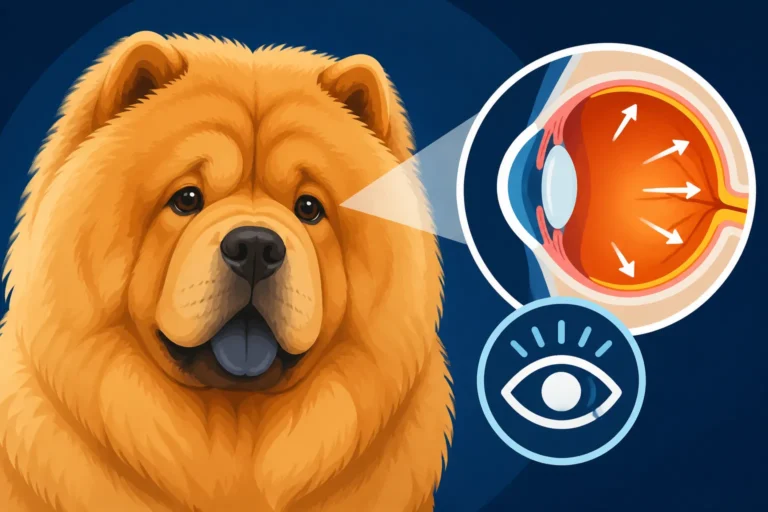
Think of it this way: a Chow Chow with well-managed Autoimmune Disease in a Chow Chow or who avoids serious eye conditions like Glaucoma Can Blind a Chow Chow in Days through early intervention and careful management will likely live a more comfortable and possibly longer life than a "smaller" Chow who develops a severe, untreated condition simply because their owner was fixated on size rather than health. Pet insurance from providers like Healthy Paws can be a lifesaver in these situations, ensuring that crucial treatments aren't delayed due to cost, for any size Chow.
Common Health Concerns Affect All Chow Chows
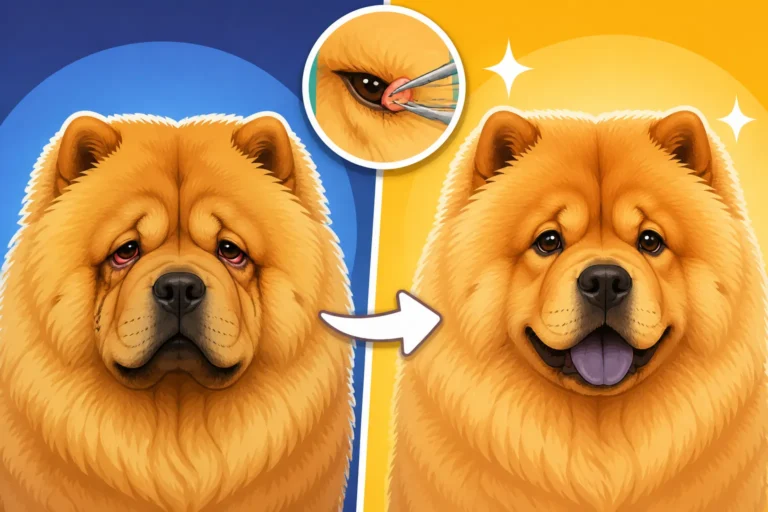
The health issues most commonly associated with Chow Chows, and which are often factors in What Most Chow Chows Die Of, affect the breed across its typical size range. Conditions like entropion, hip and elbow dysplasia, certain cancers, and thyroid issues aren't more prevalent in larger Chows than in smaller ones, or vice versa. They are breed-specific predispositions that must be screened for and managed regardless of a dog's place on the weight chart.
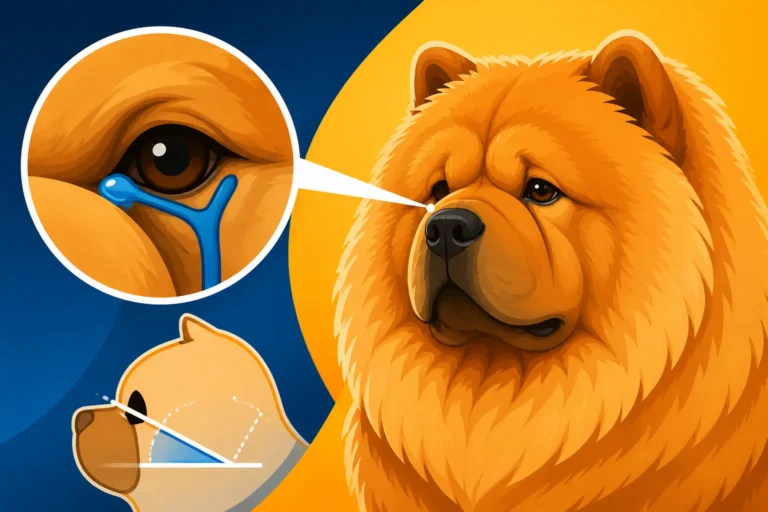
For instance, the genetic predisposition for Familial Renal Dysplasia Kills Young Chow Chows is not tied to whether a Chow is at the higher or lower end of the weight spectrum. It's a genetic lottery that responsible breeders try to mitigate through careful screening. Similarly, the unique conformation of the Chow's eye, which can lead to entropion, affects all Chows, big or small. The need for proactive care, a healthy diet, and appropriate exercise remains the same for every Chow Chow.
Table: Factors Influencing Chow Chow Lifespan
Let's look at how various factors compare in their influence on a Chow Chow's longevity:
| Factor | Influence on Lifespan | Notes |
|---|---|---|
| Genetics (Health Tests) | High | Directly impacts predisposition to serious diseases (e.g., hip/elbow dysplasia, eye issues, thyroid). Unhealthy genes shorten life. |
| Diet & Weight | High | Obesity drastically reduces lifespan and quality of life; proper nutrition supports overall health. |
| Veterinary Care | High | Proactive check-ups, vaccinations, and early detection/treatment of illness can add years to a Chow's life. |
| Exercise & Mental Stim. | Medium-High | Maintains muscle, joint health, and cognitive function. Prevents boredom and associated stress. |
| Environment & Safety | Medium-High | Protection from heatstroke, toxins, accidents; a secure yard, safe home environment are critical. |
| Breed Standard Size | Low-Negligible | Within the breed's normal size range, direct correlation to longevity is minimal. Other factors (above) are far more impactful. |
As you can see, a Chow Chow's specific size, as long as it falls within the healthy breed standard, simply isn't a primary driver of how long they'll be by your side. A larger Chow from health-tested parents, fed well, and seen by a vet regularly, has a much better chance at a long life than a small Chow whose background is unknown and whose care is lacking.
Prioritizing Health and Wellness for Your Chow Chow
Instead of worrying about whether your Chow Chow is on the smaller side, channel that energy into providing the best possible care, which truly makes a difference in The Eight to Twelve Years a Chow Chow Gets.
Choosing a Healthy Puppy
If you're still looking for a Chow Chow, prioritize finding a responsible breeder. Ask about their health testing protocols for the parents. Don't be shy about requesting to see the certificates for hip, elbow, and eye clearances. A good breeder will be transparent and proud of their health-tested lines. They might even have experience with pet insurance providers like Healthy Paws for their own dogs and can offer insights.
Avoid breeders who offer "mini" or "teacup" Chow Chows, as these are often marketing ploys that can indicate poor breeding practices focused on novelty rather than health, potentially leading to a host of health problems. A healthy, robust Chow Chow puppy, whether destined to be 50 pounds or 65 pounds, is the best starting point for a long life.
Lifelong Preventive Care
Once you have your Chow, commit to lifelong preventive care. This means:
- Regular Vet Check-ups: Don't skip these, even if your Chow seems perfectly healthy. Early detection saves lives.
- Vaccinations & Parasite Prevention: Keep them up to date on all necessary protections.
- Dental Care: Dental disease can lead to other systemic health issues. Regular brushing and professional dental cleanings are important.
- Weight Management: Keep a close eye on their weight and adjust food and exercise as needed. That dense Chow coat can hide weight gain, so feeling their ribs regularly is key.
- Grooming: Regular grooming isn't just about looks; it's also a chance to check their skin for lumps, bumps, or irritations that could be early signs of trouble.
By focusing on these practical, impactful aspects of care, you'll be doing everything you can to ensure your magnificent Chow Chow, regardless of their specific size, enjoys the longest, happiest, and healthiest life possible by your side. Ultimately, a Chow Chow's longevity is a testament to good genetics, diligent care, and the loving home they're a part of, far more than a measurement on the scale.
Disclaimer
This article is for general informational purposes only and does not constitute professional advice. Laws, prices and regulations vary by location and change over time. Consult a qualified professional for guidance on your specific situation.