Whether a Chow Chow Can Reach Fourteen
It's a bittersweet question many of us Chow Chow owners ponder: can our beloved, fluffy companions truly live to a ripe old age, perhaps even reaching fourteen years? For many, the average lifespan of 8 to 12 years feels far too short, and the dream of extra time with our loyal, independent friends is powerful. This guide will delve into the realities of a Chow Chow's lifespan, what makes some live longer than others, and how you can nurture your furry family member to potentially defy the odds and enjoy many healthy, happy years by your side.
Understanding the Typical Chow Chow Lifespan
When you bring a Chow Chow into your home, you're signing up for a journey that, for most, will span roughly 8 to 12 years. This range is often cited by veterinarians and breed organizations as the average. It's a tough pill to swallow when you consider how quickly they become an integral part of your life, but it's important to set realistic expectations from the outset.
What "Average" Really Means
The term "average lifespan" isn't a hard and fast rule; it's a statistical snapshot based on a large population of dogs. This means that while many Chow Chows will fall within that 8 to 12-year window, there will always be outliers – some who, tragically, pass much sooner due to unforeseen circumstances or aggressive diseases, and others who bless their families with several extra years beyond that upper limit. Just like in humans, every dog is an individual with its own unique genetic lottery and environmental influences. Don't let the average discourage you; instead, let it inform your commitment to providing the best possible care for however long you're fortunate enough to have them.
Factors Influencing Longevity Beyond the Average
So, what pushes a Chow Chow past the average and towards that coveted fourteen-year mark? It's often a combination of stellar genetics, impeccable daily care, a bit of luck, and a proactive approach to their health. Dogs that live longer often come from lines known for longevity, have never experienced significant traumatic injuries, and have owners who are vigilant about their diet, exercise, and veterinary care. Think of it as a multi-pronged approach where every piece contributes to the overall picture of health and endurance.
Key Contributors to a Longer Life
Extending your Chow Chow's life to or beyond the age of fourteen isn't just about wishing it were so; it's about making conscious choices and commitments throughout their life. From the food they eat to the environment they live in, every detail plays a role in their overall health and vitality.
The Role of Genetics and Responsible Breeding
This is arguably one of the biggest factors that starts before your Chow Chow ever comes home. A Chow Chow from a reputable breeder who prioritizes health testing and breeds for soundness is already ahead of the game. They've likely screened for common breed-specific issues that can cut a life short, such as Elbow Dysplasia Ranks the Chow Chow Near the Top, Familial Renal Dysplasia Kills Young Chow Chows, and various eye conditions like Entropion Is the Chow Chow's Signature Problem or glaucoma. While health testing can't guarantee a completely problem-free dog, it significantly reduces the risk of inheriting debilitating conditions that lead to premature decline. Understanding What a Chow Chow Breeder Should Have Tested is crucial when choosing a puppy.
A responsible breeder also tracks longevity in their lines. They know the lifespans of their dogs' parents, grandparents, and even great-grandparents. This isn't just about avoiding diseases, but about selecting for robust health and good constitution that naturally leads to a longer, more active life.
Optimal Nutrition and Weight Management
What goes into your Chow Chow's bowl directly impacts their health. A high-quality diet, appropriate for their age, activity level, and any specific health needs, is fundamental. Avoid overfeeding, as obesity is a silent killer, contributing to joint problems, heart disease, diabetes, and a host of other issues that shorten a dog's life. Keeping a Chow Chow at a healthy weight is especially important for their joints, considering their unique conformation. You can learn more about Keeping a Chow Chow at the Weight Its Elbows Can Carry.
| Age Stage | Nutritional Focus | Key Considerations |
|---|---|---|
| Puppy (0-1 year) | Controlled growth, balanced macro- and micronutrients | Avoid rapid growth; large breed puppy formulas advised |
| Adult (1-8 years) | Maintenance, energy for activity, joint support | Monitor weight; adjust calories based on exercise |
| Senior (8+ years) | Joint health, organ support, lower calories | Easily digestible; palatable; supplement as needed |
Regularly feel for their ribs and spine under that dense coat to ensure they're not putting on too much weight. A good rule of thumb is that you should be able to feel their ribs without pressing hard.
Consistent Veterinary Care and Preventive Measures
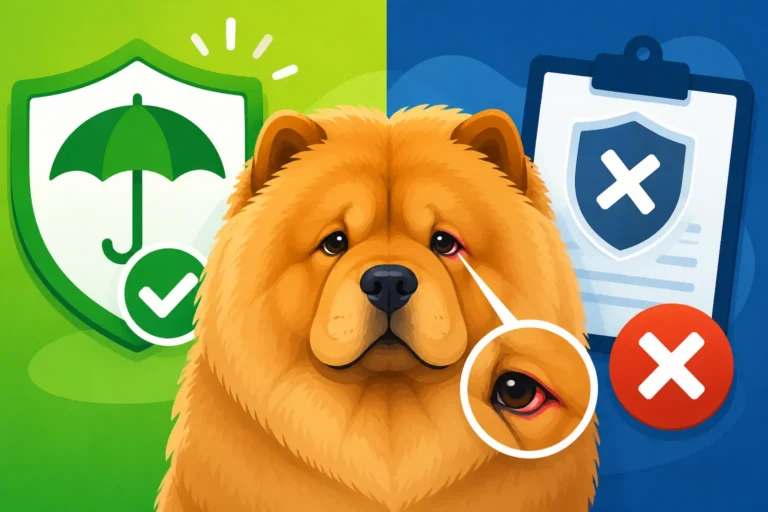
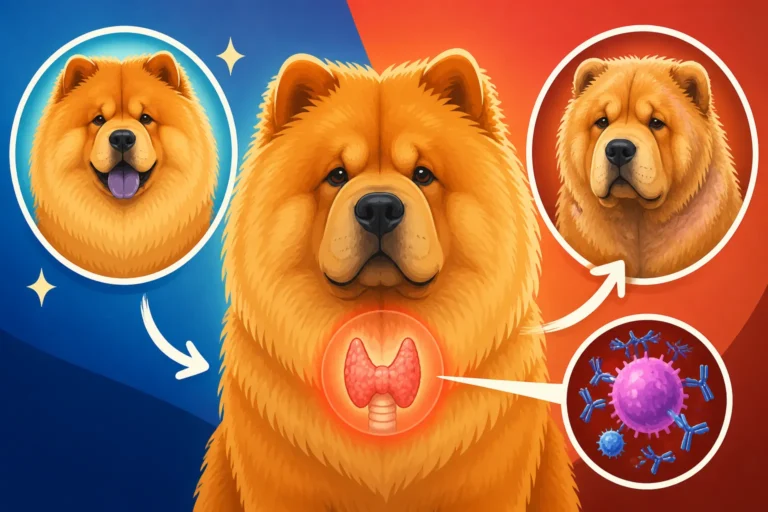
Regular check-ups are non-negotiable. Your vet is your partner in monitoring your Chow Chow's health, catching potential issues early, and offering preventive care. This includes vaccinations, parasite control, and routine bloodwork, especially as they enter their senior years. Early detection of conditions like What Autoimmune Thyroiditis Does to a Chow Chow or kidney issues can make a world of difference in managing them effectively and extending a good quality of life. Don't wait until something is visibly wrong; by then, it might be too late. Proactive care is key, including yearly eye exams to catch problems like glaucoma or entropion. Pet insurance providers like Healthy Paws can be a real lifeline here, helping to cover the costs of these crucial preventative and diagnostic tests, as well as unexpected illnesses or accidents.
Common Health Challenges That Shorten Lifespans
While we all hope for our Chow Chows to live long, full lives, it's also important to be aware of the common health challenges that can impact their longevity. Knowledge is power, and understanding these risks allows you to be more vigilant and proactive.
Orthopedic Issues
Chow Chows, with their sturdy build and unique straight rear legs, are prone to certain orthopedic problems. Elbow Dysplasia Ranks the Chow Chow Near the Top for this condition, and Hip Dysplasia in a Chow Chow is another concern. These conditions can cause chronic pain and significantly reduce a dog's quality of life if not managed well, leading to early euthanasia or a diminished quality of life. While these aren't typically immediate killers, the chronic pain and limited mobility can severely impact their overall well-being and lifespan. Early diagnosis and management, which might involve medication, physical therapy, or even surgery, can help.
Preventative measures, like controlled exercise as a puppy to ensure proper joint development and maintaining a healthy weight throughout life, are critical.
Eye Conditions
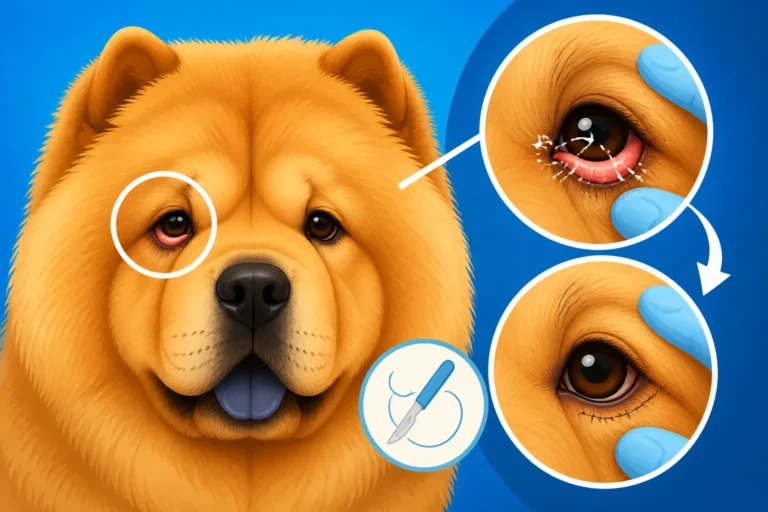
Chow Chows are famous for their deep-set eyes, which, while giving them a distinctive "scowl," can also contribute to various eye problems. Entropion Is the Chow Chow's Signature Problem, where the eyelid rolls inward, is incredibly common. Left untreated, the eyelashes can constantly irritate and damage the cornea, leading to pain, infection, and potentially blindness from corneal ulcers. While not directly life-threatening, chronic pain and loss of sight severely impact quality of life.
More acutely dangerous is Glaucoma Can Blind a Chow Chow in Days. This condition involves increased pressure within the eye, leading to rapid vision loss and intense pain. It's often an emergency and requires immediate veterinary intervention. Regular eye checks can help identify precursors or early stages of these issues. Having a robust pet insurance plan, like those offered by Healthy Paws, can provide immense relief when faced with expensive and urgent treatments for these conditions.
Heat Intolerance
This might seem less like a "disease" and more like an environmental factor, but Heat Is the Chow Chow's Most Immediate Danger and can absolutely be fatal, cutting a life short in a matter of hours. Their dense double coat, designed for colder climates, makes them extremely susceptible to overheating, especially in warmer regions or during vigorous exercise on a hot day. Their brachycephalic (short-nosed) muzzle also makes it harder for them to cool down efficiently through panting.
Owners must be extremely careful to avoid heat stroke, which can lead to organ failure and death. This means never leaving them in a car, limiting outdoor activity during peak heat, providing plenty of shade and water, and ensuring they have access to air conditioning. Recognizing Signs a Chow Chow Is in Heat Stroke is vital for immediate action.
Other Health Concerns
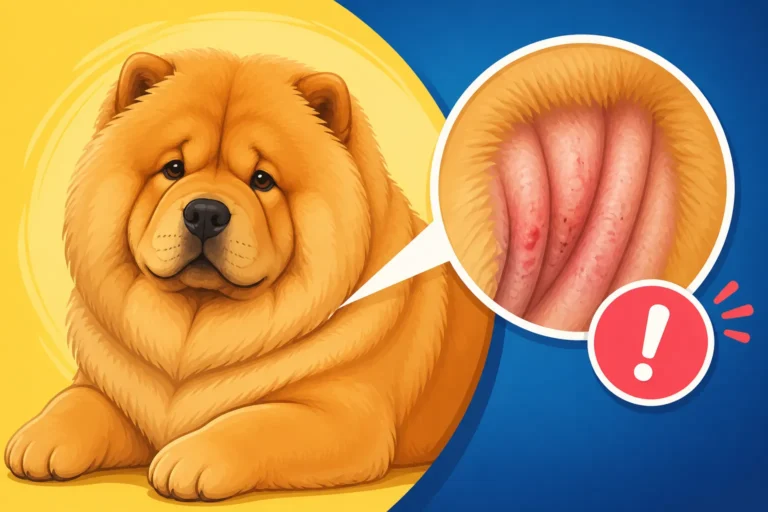
Like many breeds, Chow Chows can also be predisposed to other conditions such as certain cancers, autoimmune diseases like What Pemphigus Foliaceus Does to a Chow Chow, and sometimes bloat (gastric dilatation-volvulus), though this is less common than in deep-chested breeds. Each of these can significantly impact their lifespan. Vigilance, early detection, and prompt veterinary care are your best defenses against these serious issues.
Maximizing Your Chow Chow's Chances of Reaching Fourteen
While genetics and past breeding play a huge role, there's still a lot you, as an owner, can do to give your Chow Chow the best possible chance at a long, healthy life, potentially reaching that coveted fourteen-year milestone. It's a commitment to daily care, observation, and partnership with your veterinary team.
Proactive and Consistent Veterinary Care
This cannot be stressed enough. Beyond routine vaccinations and parasite control, consistent veterinary check-ups are vital. As your Chow Chow ages, these visits might become more frequent, potentially twice a year after the age of eight. During these visits, your vet can perform wellness screenings, including blood tests and urinalysis, to detect issues like kidney disease or thyroid problems early on. For an aging Chow Chow, these regular screenings are essential for Caring for a Chow Chow Past Eight.
Don't hesitate to discuss any subtle changes you notice in your dog's behavior, appetite, or energy levels. Chow Chows are notoriously stoic and can hide pain or discomfort, so your keen observation skills are paramount. Remember that financial concerns shouldn't deter vital care. Investing in pet insurance from providers like Healthy Paws early in your Chow Chow's life can provide significant support for unexpected medical expenses down the road, ensuring you can make decisions based on what's best for your pet's health, not just your wallet.
A Mindful Approach to Exercise and Mental Stimulation
While Chow Chows aren't endurance athletes, they do require regular, moderate exercise to maintain muscle tone, joint health, and a healthy weight. Daily walks, appropriate for their age and the weather, are crucial. Just be mindful of their heat intolerance, especially during warmer months, and keep walks shorter and in cooler parts of the day. You can find more specific advice on How Much Exercise a Chow Chow Actually Needs.
Beyond physical exercise, mental stimulation is just as important. Chow Chows are intelligent and can become bored without enough to do. Puzzle toys, training sessions, and interactive games can keep their minds sharp, which is essential for overall well-being and can help stave off cognitive decline as they age. A happy, engaged Chow Chow is generally a healthier one.
Creating a Low-Stress and Enriched Environment
A calm, predictable home environment contributes immensely to a dog's health. Chronic stress can suppress the immune system and exacerbate existing health issues. Ensure your Chow Chow has a quiet, comfortable space to retreat to when they need alone time, which is something many Chows cherish.
Enrichment also involves considering their specific needs, like grooming. Teaching a Chow Chow to accept being groomed from a young age is vital, as their dense coat requires regular care to prevent matting and skin issues. You can read more about Teaching a Chow Chow to Accept Being Groomed. A comfortable and well-maintained coat contributes to their overall comfort and hygiene, reducing the risk of skin infections that can add stress and discomfort.
Remember, reaching fourteen is an achievement for any Chow Chow, but with dedicated care, proactive health management, and a whole lot of love, you can certainly tip the scales in your furry friend's favor for a longer, happier life.
Disclaimer
This article is for general informational purposes only and does not constitute professional advice. Laws, prices and regulations vary by location and change over time. Consult a qualified professional for guidance on your specific situation.