How Renal Dysplasia Shrinks a Chow Chow’s Kidneys
It's incredibly distressing to discover that your beloved Chow Chow, especially a young one, might be facing a serious health challenge like kidney disease. Many owners are blindsided by conditions that affect internal organs, often because our furry friends are so adept at hiding discomfort until a problem is quite advanced. This guide is here to shed light on renal dysplasia, a congenital kidney disorder that, unfortunately, can cause a Chow Chow's kidneys to shrink and eventually lead to kidney failure, explaining how this devastating process unfolds.
Understanding Familial Renal Dysplasia in Chow Chows
Familial renal dysplasia (FRD) is a term that sounds complex, but at its heart, it refers to kidneys that haven't developed properly from birth. It's not something a Chow Chow "catches" later in life; it's a birth defect, a blueprint error during the development in the womb. For Chow Chows, this condition carries a particularly heavy burden, often leading to significant health issues and a tragically shortened lifespan.
The Developmental Anomaly of Renal Dysplasia
Imagine the intricate process of building a complex machine, and somewhere along the line, some crucial parts aren't formed correctly or are left out entirely. That's essentially what happens with renal dysplasia. During fetal development, the tiny filtering units of the kidney, called nephrons, fail to mature as they should. Instead of organized, functional tissue, you find immature glomeruli (the filtering tufts), underdeveloped tubules, and even persistent fetal structures that should have long since vanished. This abnormal development means the kidneys are simply not built to perform their vital function of filtering waste from the blood efficiently. It’s a profound developmental error that sets the stage for a lifetime of struggle for the affected pup. This unfortunate condition can tragically mean that Familial Renal Dysplasia Kills Young Chow Chows, often before they reach their full potential.
How Renal Dysplasia Progresses to Kidney Shrinkage
The kidneys are resilient organs, designed with a significant reserve capacity. However, when a Chow Chow is born with renal dysplasia, this reserve is severely compromised from day one. The few functional nephrons that do develop correctly are forced to work overtime, straining under the burden of filtering waste for the entire body. This relentless overwork leads to cellular damage and inflammation. Over time, the body’s natural response to this injury is to lay down scar tissue, a process known as fibrosis. This scar tissue is essentially non-functional, replacing healthy, filtering kidney tissue.
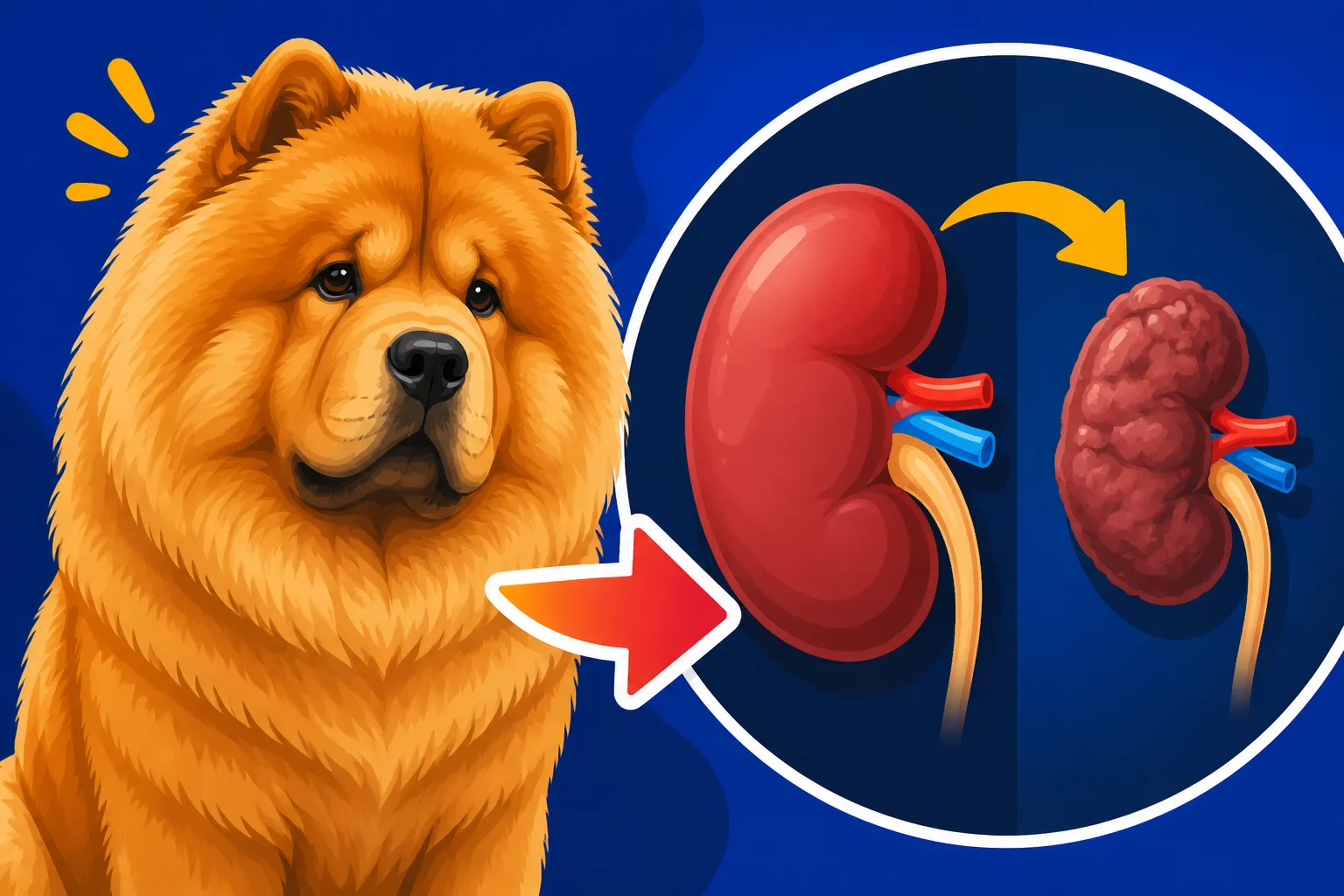
As more and more functional tissue is replaced by scar tissue, the kidneys lose their ability to maintain their normal size and shape. They begin to atrophy, becoming smaller, harder, and often irregularly shaped. This is the "shrinking" part of renal dysplasia – a slow, insidious process where the vital organs wither away, piece by piece, as they are gradually overwhelmed by their inability to function. It’s a painful reality that this shrinking represents a loss of function, leading to a build-up of toxins and eventually, chronic kidney disease. This progression severely impacts the dog's well-being, highlighting What Renal Dysplasia Does to a Chow Chow Puppy from a very young age.
The Impact of Shrinking Kidneys on a Chow Chow's Health
The kidneys are unsung heroes of the body, performing an astonishing array of tasks beyond just filtering waste. They regulate blood pressure, produce hormones essential for red blood cell production, maintain electrolyte balance, and manage the body's hydration. When kidneys are shrinking due to dysplasia, they are inherently compromised, and their ability to perform these life-sustaining functions diminishes drastically. This leads to a cascade of systemic problems that affect nearly every aspect of a Chow Chow's health.
Symptoms Associated with Diminished Kidney Function
One of the earliest and most noticeable signs of kidney trouble in a Chow Chow with renal dysplasia is a dramatic increase in thirst (polydipsia) and urination (polyuria). The damaged kidneys struggle to concentrate urine, meaning the body loses excessive amounts of water, leading the dog to drink constantly to compensate. You might notice the water bowl emptying much faster than usual, or more frequent accidents in the house, even if your Chow Chow was previously perfectly housetrained. This excessive drinking is a tell-tale sign that Signs a Chow Chow Puppy Is Drinking Too Much, and it shouldn't be ignored.
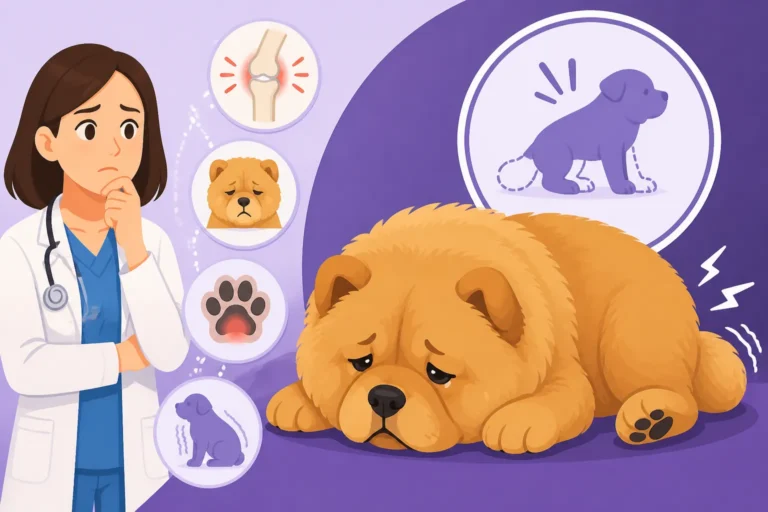
Beyond these initial signs, as toxins like urea and creatinine build up in the bloodstream, your Chow Chow will start to feel truly unwell. You might observe a marked loss of appetite, leading to weight loss despite consistent feeding. Lethargy and a general lack of energy are also common, as the dog simply doesn't have the vitality it once did. Vomiting and diarrhea can occur as the accumulating toxins irritate the digestive system. A dull, dry coat, pale gums, and even an unpleasant, ammonia-like odor on their breath (known as uremic breath) can also signal advanced kidney disease. In some severe cases, painful oral ulcers can develop.
The Role of Age and Severity in Disease Progression
The cruel reality of renal dysplasia is that its impact is often seen in very young Chow Chows, from puppyhood through early adulthood. Unlike acquired kidney disease which typically affects older dogs, FRD presents itself much earlier because the kidneys were never properly formed to begin with. The exact age at which symptoms become apparent, and how quickly the disease progresses, is directly tied to the severity of the malformation.
A Chow Chow with a very severe case of renal dysplasia, where a significant portion of kidney tissue is underdeveloped, might show signs of illness and decline within the first year of life. These cases often have the most devastating prognosis, with some pups succumbing to the disease before their second birthday. On the other hand, a Chow Chow with a milder form of the disease, where more functional nephrons managed to develop, might not exhibit noticeable symptoms until they are a few years old. While they might live longer, the disease is still progressive and will eventually lead to kidney failure. Understanding The Age Renal Dysplasia Kills a Chow Chow helps owners prepare for the difficult journey ahead.
Diagnosing and Managing Renal Dysplasia
Diagnosing renal dysplasia in a Chow Chow can be a challenging and emotional process. Owners are often in disbelief that their young, seemingly healthy puppy could be harboring such a serious internal condition. The diagnostic journey often involves a combination of tests, and while there's no cure for renal dysplasia, early diagnosis allows for supportive management strategies that can help improve a Chow Chow's quality of life for as long as possible.
Diagnostic Methods and What They Reveal
When a veterinarian suspects kidney issues in a young Chow Chow, a comprehensive diagnostic workup is essential. This usually begins with bloodwork, specifically looking at kidney values such as Blood Urea Nitrogen (BUN) and creatinine. Elevated levels of these waste products indicate that the kidneys aren't filtering effectively. Phosphorus levels can also be high in kidney disease, as the kidneys normally excrete excess phosphorus.
A urinalysis is another critical tool. In kidney disease, the urine often becomes dilute, meaning it has a low specific gravity, as the kidneys lose their ability to concentrate urine. Protein in the urine (proteinuria) is also a red flag, indicating damage to the kidney's filtering units. An ultrasound of the abdomen allows the veterinarian to visualize the kidneys directly. In cases of renal dysplasia, the kidneys may appear smaller than normal, irregular in shape, and sometimes show changes in their internal structure. While not always performed, a kidney biopsy remains the most definitive diagnostic test. This involves taking a small tissue sample from the kidney and examining it under a microscope to confirm the presence of immature nephrons, fibrosis, and other characteristic changes of dysplasia. It's crucial for your vet to perform these tests When a Chow Chow Puppy Needs Kidney Bloodwork if kidney disease is suspected, rather than waiting for advanced symptoms.
Supportive Care and Prognosis for Affected Chow Chows
The heartbreaking truth is that there is currently no cure for renal dysplasia. The damage to the kidney tissue is irreversible, and the focus of treatment shifts entirely to supportive care aimed at managing symptoms, slowing progression, and maintaining the best possible quality of life for your Chow Chow. Dietary management is often a cornerstone of this care. Vets will typically recommend a prescription kidney diet, such as Hill's k/d or Royal Canin Renal Support. These diets are specifically formulated with reduced protein (to lessen the workload on the kidneys), controlled phosphorus, and often increased omega-3 fatty acids to help manage inflammation.
Fluid therapy, either intravenously in a clinic setting or subcutaneously at home, can help keep a Chow Chow hydrated and flush toxins from the body. Various medications may be prescribed to address specific symptoms: phosphorus binders to prevent excess phosphorus accumulation, anti-nausea medications to combat digestive upset, and blood pressure medications if hypertension develops. Regular monitoring through blood and urine tests is essential to adjust treatments as the disease progresses. While the prognosis for Chow Chows with severe renal dysplasia is guarded and often leads to a significantly shortened life, comprehensive care can help. This is where having pet insurance like Healthy Paws can be a lifesaver, helping cover the ongoing costs of diagnostics, special diets, and medications for chronic conditions like renal dysplasia, ensuring you can provide the best care without financial strain. Though it's a tough road, understanding What Most Chow Chows Die Of often includes conditions like this, making proactive care even more vital.
Preventing Renal Dysplasia Through Responsible Breeding
Given the devastating nature of familial renal dysplasia and its impact on young Chow Chows, prevention through responsible breeding practices is paramount. As the name suggests, "familial" means it runs in families, pointing directly to a genetic component. While a definitive genetic test isn't widely available for Chow Chow renal dysplasia, breeders have a moral and ethical responsibility to take every possible step to reduce its incidence.
The Breeder's Role in Health Screening
A truly responsible Chow Chow breeder will be acutely aware of the health issues prevalent in the breed, including renal dysplasia. While there isn't a simple DNA test to screen for FRD yet, reputable breeders rely on a combination of strategies to minimize risk. This includes meticulous pedigree research, carefully investigating the health history of all dogs in a breeding line for any incidence of kidney disease or early death related to kidney failure. They will also perform regular health screenings on their breeding stock, including comprehensive blood panels and urinalysis, to check kidney function. Although these tests don't diagnose dysplasia directly, they can identify early signs of kidney impairment, prompting further investigation.
Transparency is key. A good breeder will openly discuss potential health concerns, be able to show you health records for the sire and dam, and explain what steps they take to prevent hereditary diseases. They should be willing to answer detailed questions about their dogs' health, diet, and exercise. It's crucial to seek out breeders who prioritize the health and longevity of their Chows, running all available health clearances before breeding. This commitment extends to understanding Which Health Tests a Chow Chow Breeder Should Run, and how these tests contribute to the overall well-being of the breed. Remember, the journey begins with choosing a breeder who stands by their ethical practices and offers guarantees related to hereditary conditions. In the unfortunate event that a puppy develops such a condition, having support from pet insurance like Healthy Paws can certainly help mitigate the financial burden of extensive veterinary care, allowing you to focus on your pet’s comfort.
Advocacy and Research Efforts
The fight against familial renal dysplasia in Chow Chows also relies heavily on advocacy and ongoing research. Breed clubs and dedicated Chow Chow enthusiasts play a vital role in raising awareness about this condition, supporting research initiatives, and encouraging breeders to adopt the highest standards of health screening. Veterinary geneticists are continuously working to identify the specific genes responsible for various hereditary diseases, and renal dysplasia in Chows is certainly an area of interest.
Participating in research studies, if given the opportunity, can contribute valuable data that might eventually lead to the development of a specific genetic marker or test for FRD. This would be a game-changer for breeders, allowing them to definitively screen their breeding stock and make informed decisions to eliminate the disease from future generations. By supporting these efforts and choosing breeders who are committed to health, we can hope for a future where fewer Chow Chows suffer from this devastating condition. Organizations like the Chow Chow Club of America often support health initiatives, providing resources for owners and breeders alike. While some issues like Whether a Chow Chow Is a Healthy Breed are complex, active research offers hope for improving the breed's future.
Kidney Health Comparison
Here’s a quick comparison of what you might expect to see in a healthy Chow Chow's kidneys versus one affected by renal dysplasia:
| Feature | Healthy Kidney | Kidney with Renal Dysplasia |
|---|---|---|
| Size | Normal for dog's age and breed | Often smaller, shrunken (atrophied) |
| Shape | Smooth, bean-shaped, consistent | Irregular, lumpy, distorted |
| Texture | Firm but pliable | Harder, fibrotic (scarred) |
| Internal Structure | Well-defined cortex, medulla, and nephrons | Disorganized, immature nephrons, fibrosis |
| Filtering Function | Highly efficient, concentrates urine | Impaired, leads to dilute urine and toxin buildup |
| Blood Test Results | Normal BUN, Creatinine, Phosphorus | Elevated BUN, Creatinine, Phosphorus |
| Urinalysis Results | Concentrated urine, minimal protein | Dilute urine, often with protein |
| Symptom Onset | Typically no kidney disease symptoms until old age (if at all) | Puppyhood to young adulthood |
Disclaimer
This article is intended for informational purposes only and does not constitute veterinary advice. If you suspect your Chow Chow is suffering from renal dysplasia or any other health condition, please consult with a qualified veterinarian immediately. Early diagnosis and intervention are crucial for managing any health issue in your pet.