Signs a Chow Chow Puppy Is Drinking Too Much
It can be incredibly unsettling to notice your fluffy Chow Chow puppy constantly heading to the water bowl, drinking seemingly insatiable amounts, and then needing to relieve themselves far more often than usual. This sudden, excessive thirst and increased urination, medically known as polydipsia and polyuria, isn't just an inconvenience; it can be a red flag for underlying health issues. This guide will walk you through understanding normal drinking habits, recognizing the signs of excessive thirst, exploring potential causes, and knowing when it's time to consult your veterinarian.
Understanding Normal Puppy Thirst Versus Excessive Drinking
It's easy to jump to conclusions when you see your Chow Chow puppy guzzling water, especially if you're a new pet parent. But before panic sets in, it’s important to understand what constitutes normal hydration for a puppy, particularly one of this breed, versus what might be a sign of something more serious. A puppy's activity level, diet, and environment all play a significant role in how much water they need.
What is a Normal Amount of Water for a Chow Chow Puppy?
Generally, a healthy dog needs about 0.5 to 1 ounce of water per pound of body weight per day. For a growing Chow Chow puppy, this can fluctuate quite a bit. A small, sedentary puppy might be on the lower end, while a larger, more active pup, or one in warmer weather, will need more. For instance, a 20-pound Chow Chow puppy should typically drink between 10 to 20 ounces of water daily. This isn't a hard and fast rule, as some days they'll be more playful and require more, and other days, they might nap more and drink less. What you're looking for is consistency within a reasonable range for their size and activity.
Consider the factors influencing their daily water intake. If your puppy has just finished an energetic play session in the yard, chasing toys or wrestling with a littermate, it's completely normal for them to make a beeline for the water bowl and drink deeply. Similarly, if they're eating a diet of dry kibble, they'll naturally drink more to help process the food than a puppy on a wet food diet, which has a higher moisture content. Even the ambient temperature in your home can affect their thirst; a slightly warmer room might prompt more drinking. It's about observing their overall behavior and patterns rather than fixating on a single moment of thirst.
When Drinking Becomes Concerning
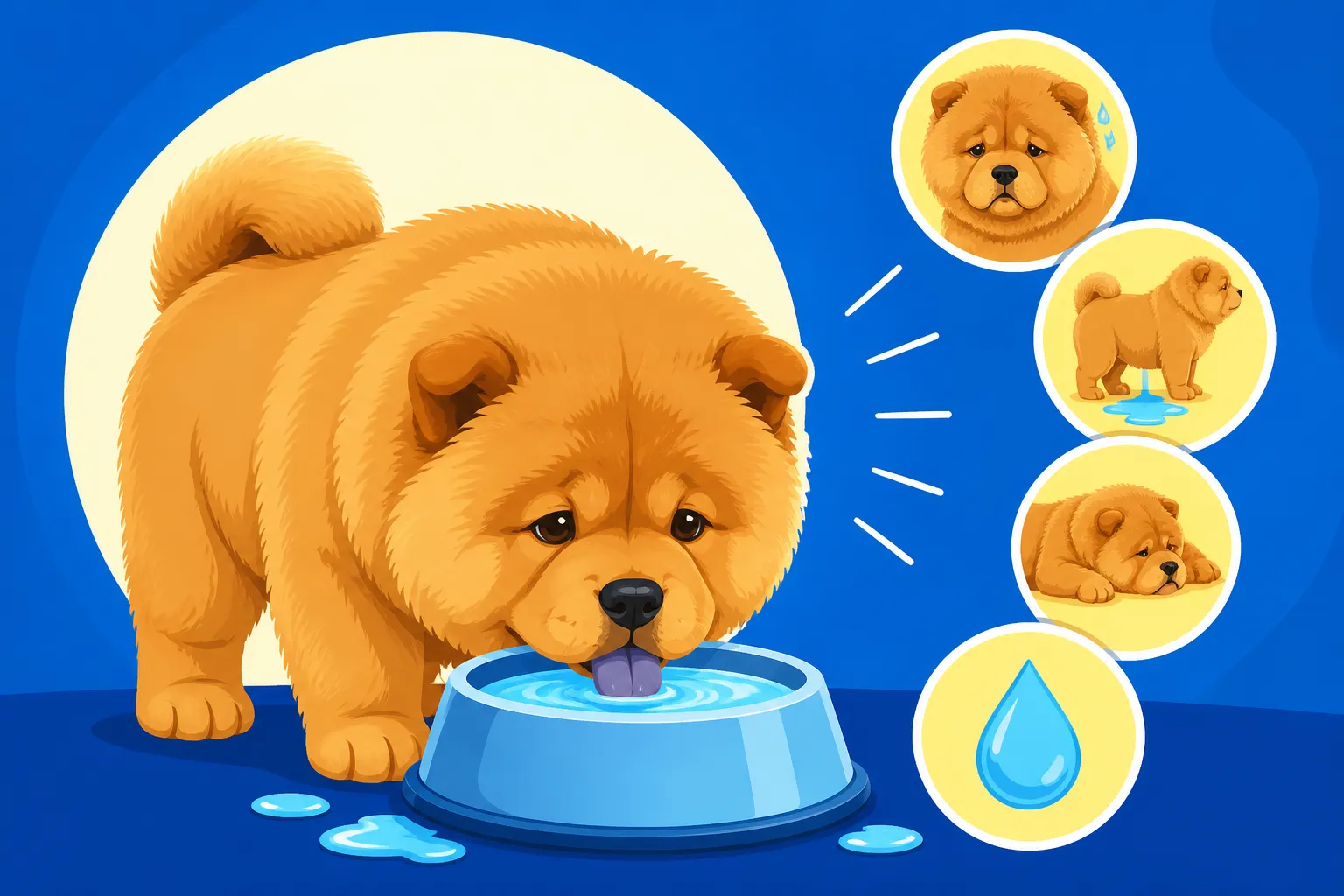
The shift from normal, healthy thirst to excessive drinking, or polydipsia, is often subtle but persistent. It's when your Chow Chow puppy seems constantly thirsty, irrespective of activity level or recent meals. You might find yourself refilling their water bowl multiple times a day when once or twice was sufficient. This isn't just a brief increase on a hot day; it's a sustained pattern. Along with increased drinking, you'll almost certainly notice an accompanying increase in urination, known as polyuria. This means more frequent trips outside, more urgent requests to go out, and potentially even accidents in the house from a puppy who was previously well house-trained.
These aren't isolated events. The excessive drinking and urination often go hand-in-hand and can be quite taxing on both the puppy and the owner. You might also notice their urine is very dilute, almost clear, because their kidneys are struggling to concentrate it. This is a crucial sign, as healthy urine should have a pale yellow hue. Keeping a mental note of how often you fill the water bowl and how often your puppy asks to go out can be incredibly helpful information for your vet.
Recognizing the Key Signs of Excessive Thirst in Your Chow Chow Puppy
Beyond just observing how much water your Chow Chow puppy is drinking, there are several other critical indicators that something might be amiss. These signs, especially when seen together, paint a clearer picture that it's time to investigate further.
Increased Urination and Accidents
The most direct consequence of a puppy drinking too much is, naturally, urinating too much. You'll find yourself needing to take your Chow Chow puppy out far more frequently than usual. This isn't just an annoyance; it's a significant change in their routine. A puppy that was previously doing well with housetraining might suddenly start having accidents inside the house. They might wake you up multiple times in the night to go out, or have accidents in their crate, which is typically a place they try to keep clean. The volume of urine might also be noticeably larger each time.
It’s important to distinguish between normal puppy accidents and polyuria. Young puppies, especially those under 12-16 weeks, still have small bladders and aren't fully developed in their ability to hold it. However, if your 5-month-old Chow Chow, who was reliably housetrained, suddenly starts soaking the carpet daily, that's a red flag. If you are noticing Signs a Chow Chow Puppy Is Drinking Too Much, it is vital to keep a record of these incidents. This data will be incredibly valuable for your veterinarian during diagnosis.
Changes in Energy Levels and Appetite
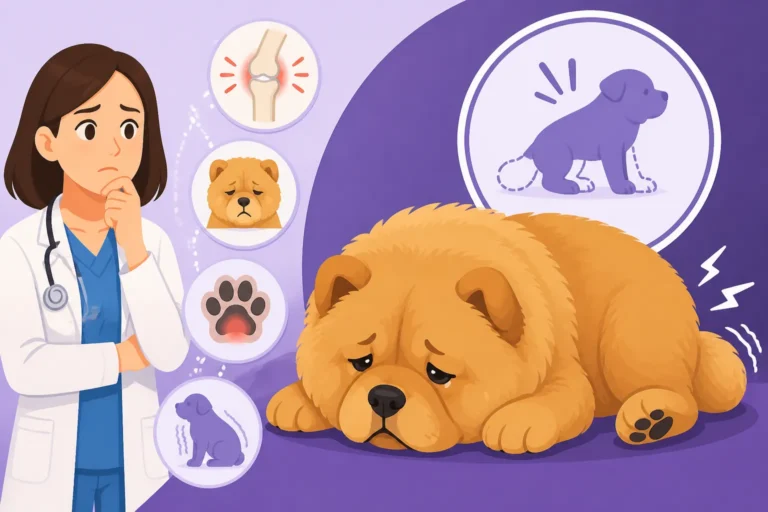
While excessive thirst directly relates to fluid intake, it can also be a symptom of conditions that affect a puppy's overall well-being. You might observe a noticeable drop in your Chow Chow puppy's usual playful energy. They might seem more lethargic, less interested in games or walks, and spend more time sleeping. This isn't just about being tired; it's a persistent lack of vigor. Some puppies might also experience changes in their appetite. While some conditions might lead to an increased appetite, others could cause a decrease. Watch for any sudden disinterest in their favorite kibble or treats, or conversely, a ravenous hunger despite eating their usual amount.
It’s a delicate balance with puppies, as their energy levels can naturally ebb and flow with growth spurts and nap times. However, if your typically boisterous puppy suddenly becomes consistently subdued and combines this with relentless thirst, it’s a strong indicator that their body is struggling with something. Pay attention to how they interact with you and their environment; a puppy in discomfort or dealing with an underlying illness will often show subtle changes in their enthusiasm for life.
Other Physical or Behavioral Clues
Beyond the obvious drinking and peeing, there are other, more subtle signs that can accompany excessive thirst in a Chow Chow puppy. Keep a keen eye on their coat quality; dullness, dryness, or excessive shedding could be related to systemic issues. Check their gums and tongue; while Chow Chows famously have blue-black tongues, their gums should still be moist. Dry, tacky gums can indicate dehydration, even if they're drinking a lot, suggesting their body isn't retaining fluids effectively. Sometimes, you might notice weight loss, despite a normal or even increased appetite, as the body struggles to utilize nutrients properly due to metabolic issues.
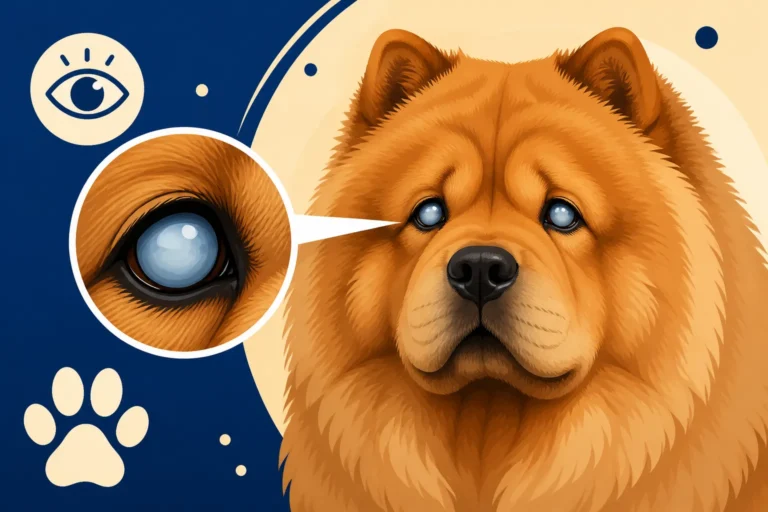
Behaviorally, a puppy dealing with chronic thirst or an underlying illness might seem restless, constantly seeking water. They might even try to drink from unusual sources, like puddles outside or even the toilet. Some puppies might become more irritable or clingy, signaling they don't feel well. It's crucial to consider the full picture of your puppy's behavior and physical condition. Even issues like Signs a Chow Chow Puppy's Eyes Are Sore can make a puppy generally uncomfortable, potentially affecting their thirst and appetite. A thorough examination of all these clues will help you and your vet piece together the puzzle.
| Sign | Normal Puppy Behavior | Concerning Puppy Behavior |
|---|---|---|
| Water Intake | Drinks after play, meals, or in warm weather; refills 1-2 times/day. | Constantly at water bowl; refills 3+ times/day; seems insatiable. |
| Urination Frequency | Needs to go out every few hours (age-dependent); few accidents after housetraining. | Needs to go out hourly; frequent accidents indoors from a trained pup; multiple night trips. |
| Urine Appearance | Pale yellow, slightly concentrated. | Very dilute, almost clear. |
| Energy Levels | Active, playful, then naps; bursts of energy. | Lethargic, subdued, less interested in play, more prolonged sleep. |
| Appetite | Eats meals eagerly; consistent intake. | Increased hunger (ravenous) OR decreased interest in food; weight loss despite eating. |
| Coat/Gums | Shiny coat, moist pink/dark gums. | Dull, dry coat; dry/tacky gums (despite drinking). |
| Other Behaviors | Normal puppy curiosity. | Restless, seeking water from unusual sources, increased clinginess or irritability. |
Potential Causes Behind Excessive Thirst in Chow Chow Puppies
When your Chow Chow puppy is drinking an unusual amount of water, it's not a condition in itself but rather a symptom of something else happening within their body. The causes can range from relatively benign and easily fixed to more serious medical conditions that require immediate veterinary attention.
Kidney Issues and Familial Renal Dysplasia
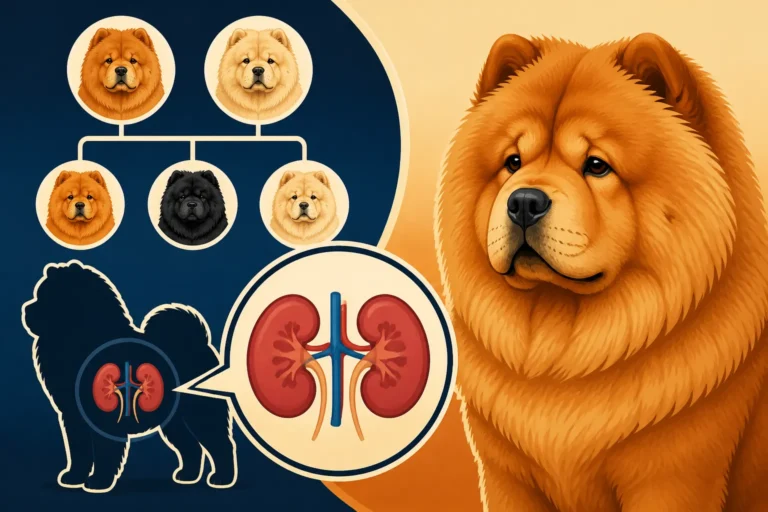
One of the most concerning causes of excessive thirst and urination in young dogs, especially in certain breeds, are kidney problems. The kidneys are vital for filtering waste products from the blood and concentrating urine. If they aren't functioning correctly, the body tries to flush out toxins by increasing water intake and urination. For Chow Chows, a particularly heartbreaking condition to be aware of is Familial Renal Dysplasia Kills Young Chow Chows. This inherited disorder, where the kidneys don't develop properly, can manifest in puppies as young as a few months old. Signs such as excessive drinking, increased urination, poor growth, and a generally "unthrifty" appearance are all hallmarks.
When your vet suspects kidney issues, they will likely run blood tests to check kidney values (BUN, creatinine, phosphorus) and a urinalysis to assess urine concentration and look for protein or other abnormalities. Early diagnosis of conditions like What Renal Dysplasia Does to a Chow Chow Puppy is crucial, though sadly, for familial renal dysplasia, the prognosis can be poor, and symptoms can unfortunately progress rapidly. Monitoring The Age Renal Dysplasia Kills a Chow Chow highlights the severity of this condition, often affecting puppies before they even reach adulthood.
Diabetes Mellitus
Another common culprit behind polydipsia and polyuria is diabetes mellitus, often simply called diabetes. In diabetic dogs, the pancreas doesn't produce enough insulin, or the body can't use insulin effectively. Insulin is essential for moving glucose (sugar) from the bloodstream into cells for energy. When cells can't get glucose, it builds up in the blood (high blood sugar). The kidneys then try to filter out this excess sugar, pulling large amounts of water with it, leading to increased urination and, consequently, increased thirst.
Signs a Chow Chow has diabetes can include not just excessive drinking and urination, but also a noticeable increase in appetite despite weight loss, and sometimes even lethargy. If your vet suspects diabetes, a simple blood glucose test and a urinalysis to check for glucose in the urine are usually the first steps. While diabetes can be managed with insulin injections and dietary changes, it's a serious, lifelong condition. Learning about Whether a Chow Chow Gets Diabetes is a critical aspect of understanding their health predispositions.
Infections and Other Inflammatory Conditions
Urinary tract infections (UTIs) are incredibly common in puppies and can absolutely cause increased drinking and urination. When the bladder or kidneys are infected, the body tries to flush out the bacteria, leading to frequent, often painful, urination and an increased thirst drive. Other signs of a UTI might include straining to urinate, bloody or cloudy urine, or licking at their genital area more than usual.
Beyond UTIs, other inflammatory conditions can also cause these symptoms. For example, certain types of vaginitis in female puppies or even prostatitis in male puppies can lead to discomfort and increased fluid turnover. Pyometra, a uterine infection, while less common in very young puppies, is a serious concern for intact female dogs. Your vet will perform a urinalysis and potentially a urine culture to pinpoint if an infection is the cause. These conditions are usually treatable with antibiotics or other specific medications.
Other Less Common or Behavioral Causes
While less frequent in puppies, other conditions can also cause excessive thirst. Hyperadrenocorticism (Cushing's disease), while typically seen in older dogs, can rarely occur in younger animals. Thyroid imbalances, like What Autoimmune Thyroiditis Does to a Chow Chow, can sometimes lead to increased thirst, although other signs like coat changes or lethargy are usually more prominent.
Sometimes, it can even be behavioral. A bored or anxious puppy might drink more as a self-soothing mechanism, especially if they are left alone for long periods. Dietary changes, particularly a sudden switch to a very salty or dry diet, can temporarily increase thirst. Even certain medications, like corticosteroids, can cause polydipsia as a side effect. It's essential to consider all angles when diagnosing the root cause. This is where your detailed observations of your puppy's behavior are invaluable.
When to Seek Veterinary Care and What to Expect
Noticing your Chow Chow puppy is drinking too much water is a clear signal that a visit to the veterinarian is in order. It's not something to "wait and see" with, especially with puppies, as their systems are still developing and they can dehydrate or become gravely ill much faster than adult dogs. Early intervention can make a significant difference in outcomes, particularly for serious conditions like familial renal dysplasia or diabetes.
The Importance of Prompt Veterinary Attention
If you're observing consistent polydipsia and polyuria in your Chow Chow puppy, it's crucial to schedule a vet appointment as soon as possible. Don't delay. What might seem like a minor change in behavior could be indicative of a rapidly progressing illness. For conditions like kidney disease, every day counts in managing the progression and maintaining your puppy's quality of life. Even if it turns out to be something less serious, getting a professional diagnosis will bring you peace of mind and allow for appropriate treatment.
When you call your vet, be prepared to describe precisely what you've noticed: how long the increased drinking has been going on, how much more water they're drinking, how often they're urinating, if there have been accidents, and any other changes in appetite, energy, or behavior. This detailed history is the first, and often most critical, piece of the diagnostic puzzle. Mentioning any other health concerns you might have, such as Whether a Chow Chow Bloats or signs of overheating, which can also affect thirst, is also important.
Diagnostic Tests Your Vet May Perform
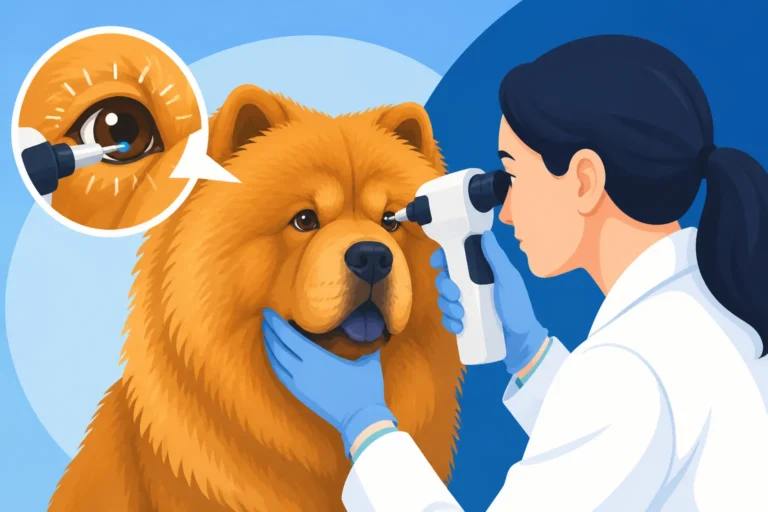
When you arrive at the clinic, your vet will start with a thorough physical examination, checking your puppy's hydration status, palpating their abdomen, and listening to their heart and lungs. After that, they'll likely recommend a series of diagnostic tests to get a clearer picture of what's happening internally.
- Urinalysis: This is a fundamental test. Your vet will examine a urine sample for its specific gravity (a measure of concentration), presence of glucose, protein, blood, crystals, or bacteria. A dilute urine sample is a key indicator of kidney issues or diabetes. If an infection is suspected, a urine culture may also be sent out to identify the specific bacteria and determine which antibiotics will be most effective.
- Blood Work: A complete blood count (CBC) will check for signs of infection or anemia. A biochemistry panel will provide crucial information about organ function, including kidney values (BUN, creatinine, phosphorus) and liver enzymes. It will also measure blood glucose levels to check for diabetes. If your vet is concerned about specific hormonal issues, more specialized blood tests might be ordered. Understanding What a Chow Chow's Yearly Bloodwork Should Cover gives insight into the comprehensive nature of these tests.
- Imaging: In some cases, X-rays or an ultrasound might be recommended, particularly if the vet suspects structural abnormalities in the kidneys or bladder, or is looking for tumors or stones. An ultrasound can provide detailed images of the internal organs.
These tests, while an investment, are essential for an accurate diagnosis. Many pet insurance plans, like Healthy Paws, can help cover the costs of these diagnostic procedures, making it easier for pet parents to get their puppies the care they need without added financial strain. Having a good insurance plan in place for your Chow Chow can make all the difference in managing unexpected health issues.
Managing and Treating the Underlying Cause
Once a diagnosis is made, your vet will outline a specific treatment plan tailored to your Chow Chow puppy's condition.
- For Infections: If a urinary tract infection is found, antibiotics will be prescribed. It's vital to administer the full course of antibiotics, even if your puppy seems to improve quickly, to ensure the infection is completely cleared and prevent recurrence.
- For Diabetes: Diabetes requires lifelong management, typically involving daily insulin injections, a carefully controlled diet, and regular monitoring of blood glucose levels. Your vet will teach you how to administer insulin and monitor your puppy's health at home.
- For Kidney Disease: Treatment for kidney issues, particularly conditions like What Renal Dysplasia Does to a Chow Chow Puppy, focuses on supportive care to slow the progression of the disease and manage symptoms. This often includes special prescription diets low in protein and phosphorus, medications to control blood pressure or nausea, and sometimes subcutaneous fluids if the puppy isn't hydrating adequately. Regular check-ups and blood work will be necessary to monitor kidney function.
- Behavioral Causes: If a behavioral cause is identified, your vet might suggest environmental enrichment, anxiety-reducing strategies, or working with a certified dog trainer or behaviorist.
The prognosis varies widely depending on the underlying cause. Some conditions, like UTIs, are easily curable. Others, like diabetes or familial renal dysplasia, require dedicated, ongoing management. Regardless of the diagnosis, your commitment to following your vet's recommendations and closely monitoring your Chow Chow puppy's health is paramount. Remember, early detection and consistent care are key to giving your furry family member the best possible quality of life. In cases requiring extensive, ongoing treatment, having support from a robust pet insurance provider like Healthy Paws can significantly ease the financial burden, allowing you to focus on your puppy's recovery and well-being.
Disclaimer
This article is intended for informational purposes only and does not constitute veterinary advice. Always consult with a qualified veterinarian for any health concerns or before making any decisions about your pet's health or treatment.