What Autoimmune Thyroiditis Does to a Chow Chow
It's incredibly disheartening when your beloved Chow Chow starts showing subtle changes that just don't feel right, but you can't quite pinpoint what's wrong. One day, their coat might seem a little duller, they're not quite as playful, or they've put on a few extra pounds despite no change in diet. These vague symptoms can be incredibly frustrating to decipher, especially with a breed as stoic and independent as the Chow Chow. This guide is here to shed light on one common culprit behind these mysterious changes: autoimmune thyroiditis, explaining precisely what it does to a Chow Chow and how to navigate this condition.
Understanding Autoimmune Thyroiditis in Chow Chows
Finding out your Chow Chow has an autoimmune condition can feel overwhelming, but understanding the basics is the first step toward effective management. It's a common endocrine disorder in dogs, and unfortunately, our fluffy friends are particularly predisposed.
What is Autoimmune Thyroiditis?
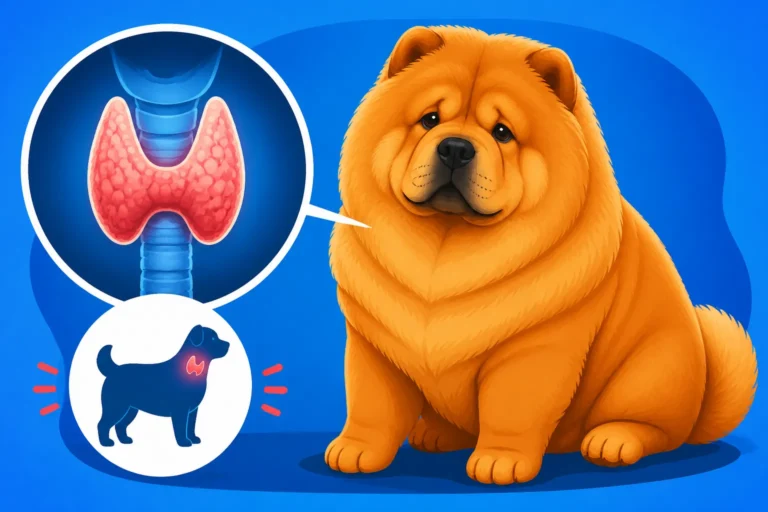
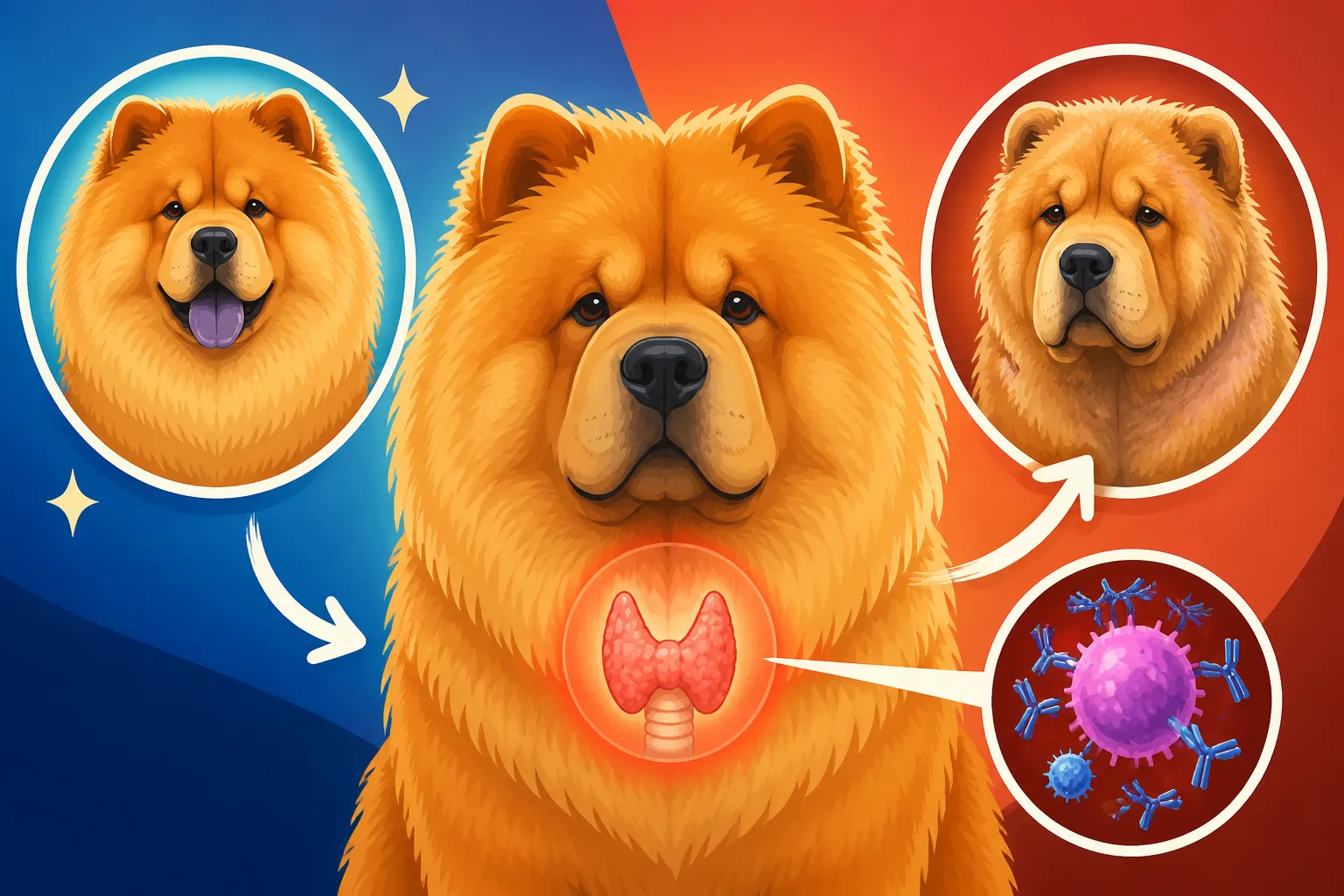
Imagine your Chow Chow's immune system, which is normally a diligent guardian protecting against invaders like bacteria and viruses, suddenly getting confused. In autoimmune thyroiditis, this guardian system mistakenly identifies the thyroid gland as a foreign threat and begins to attack it. The thyroid gland, located in the neck, is responsible for producing hormones that regulate metabolism, affecting virtually every cell and organ in the body. When the immune system attacks, it damages the thyroid tissue, leading to an insufficient production of these crucial hormones. This deficiency is called hypothyroidism.
Unlike some other forms of hypothyroidism, where the thyroid gland might simply fail to develop properly or is damaged by other means, autoimmune thyroiditis specifically highlights the immune system's role. This means it's not just a hormone deficiency; it's a systemic immune response that needs to be understood within the broader context of Autoimmune Disease in a Chow Chow. Over time, as more and more thyroid tissue is destroyed, the hormone levels drop significantly, causing a wide array of symptoms that can slowly but surely impact your dog's quality of life.
Why Chow Chows are Prone to It
It's a tough truth that certain breeds carry genetic predispositions to specific health issues, and Chow Chows are unfortunately high on the list for autoimmune thyroiditis. While the exact genetic markers are still being researched, it's believed that a combination of genes makes their immune systems more likely to malfunction in this particular way. This isn't a fault of breeding practices entirely, but rather a characteristic that has emerged within the breed's genetic blueprint over generations.
Their predisposition means that if you own a Chow Chow, especially one with a family history of thyroid issues, it’s not a matter of if it could happen, but when or if you need to be vigilant. This genetic link is part of why conscientious breeders will often include thyroid evaluations in their health testing panels for breeding stock. The condition typically manifests in middle-aged dogs, often between two and eight years old, but symptoms can emerge earlier or later depending on the individual dog and the progression of the disease.
Recognizing the Subtle Signs of Thyroid Issues
One of the biggest challenges with autoimmune thyroiditis in Chow Chows is how subtly the symptoms can manifest, often starting so mildly that they're easily overlooked or attributed to other things like "just getting older" or a change in weather. Their dense coats and generally reserved nature can also act as camouflage.
Common Physical Symptoms
The physical signs of hypothyroidism often revolve around changes in your Chow Chow's coat and skin, as well as shifts in their body weight. Many owners first notice that their dog's luxurious double coat, a hallmark of the breed, starts to look a bit lackluster. It might become dry, brittle, and sparse, with excessive shedding, particularly along the flanks, tail, and bridge of the nose. Some Chows develop what's often described as a "rat tail" where the hair becomes thin and dull. This isn't just cosmetic; it's because thyroid hormones are vital for healthy hair follicle function. You might also notice that the hair doesn't grow back readily if you trim it or if they have hot spots.
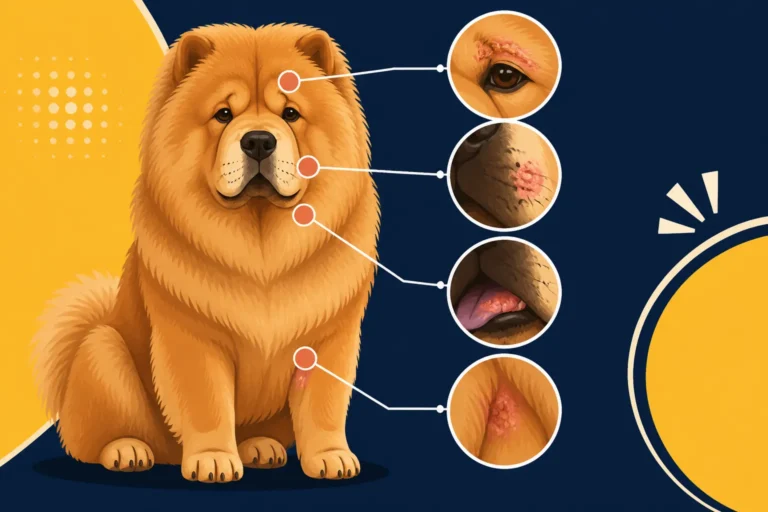
Beyond the coat, skin issues are very common. Their skin can become dry, flaky, and thickened, sometimes developing hyperpigmentation, which means it turns a darker, almost leathery color, especially in areas of friction or chronic irritation. Recurrent skin infections, often bacterial or yeast, are also frequent, as the compromised skin barrier and immune function make them more susceptible. It's a frustrating cycle where one problem leads to another, leaving your Chow Chow uncomfortable. When you consider Why a Chow Chow's Dense Coat Hides Skin Disease, you can appreciate why these skin issues can go unnoticed until they become quite advanced.
Another prevalent physical symptom is unexplained weight gain. Despite no increase in food intake or decrease in exercise, your Chow Chow might start to pack on the pounds. This is directly related to a slowed metabolism caused by the lack of thyroid hormones. The body isn't burning calories efficiently, so it stores them as fat. This can exacerbate joint issues, especially considering a breed like the Chow Chow already has a predisposition to orthopedic concerns. Keeping an eye on What an Adult Chow Chow Should Weigh is crucial, but it can be hard to spot the subtle changes under all that fluff. This is also why understanding How a Chow Chow's Coat Hides Weight Loss is important, as it speaks to the masking effect of their fur, though here we're discussing weight gain.
Behavioral and Metabolic Changes
Beyond the visible physical signs, autoimmune thyroiditis can manifest through changes in your Chow Chow's behavior and overall metabolic function. One of the most common complaints from owners is a noticeable decrease in energy and an increase in lethargy. Your previously active, albeit dignified, Chow might seem more sluggish, reluctant to go for walks, or spend more time sleeping. This isn't just laziness; it's a profound fatigue caused by the body's slowed metabolic rate, meaning cells aren't getting the energy they need to function optimally. They might show less interest in play or interactions, appearing more mentally dull or less responsive than usual.
Another significant metabolic change is intolerance to cold. Thyroid hormones play a key role in regulating body temperature. With insufficient hormones, your Chow Chow might struggle to stay warm, even in moderately cool weather. You might notice them seeking out warm spots, shivering, or generally seeming uncomfortable when the temperature drops. Conversely, while not a direct symptom of hypothyroidism, their thick coat already makes them susceptible to heat, so this metabolic shift might make temperature regulation even more challenging. If you also consider Why a Chow Chow Overheats So Easily, you can see how a combination of coat and metabolic issues could make them sensitive to both extremes if not properly managed.
Exercise intolerance often goes hand-in-hand with lethargy. They might tire quickly on walks they used to enjoy, lagging behind or panting excessively. Muscle weakness can also occur, contributing to this reduced stamina and general lack of vigor. Some owners even report a change in their dog's facial expression, often describing a sadder or duller look, sometimes referred to as a "tragic expression," which can be an indicator of facial muscle weakness and edema. It’s vital to be observant for these subtle shifts in behavior and energy levels, as they are often among the first Signs a Chow Chow's Thyroid Is Low.
The Challenge of Early Detection in Chow Chows
Detecting autoimmune thyroiditis early in a Chow Chow presents unique challenges, not only because the initial symptoms are often vague and progress slowly but also due to the breed's inherent characteristics. Their deep-set eyes, dense double coat, and naturally reserved, sometimes aloof, temperament can mask early warning signs that might be more obvious in other breeds. For instance, subtle changes in coat quality or skin flakiness can be hidden beneath layers of fur, only becoming apparent when the condition is more advanced. Similarly, a Chow Chow’s typical stoicism means they often don't overtly express discomfort or pain, making it harder to notice slight decreases in energy or enthusiasm that another dog might clearly communicate.
Owners might also mistakenly attribute a Chow Chow's increased sleeping or reduced playfulness to their calm, independent nature or simply to them getting older. This normal breed characteristic can inadvertently delay diagnosis. It's easy to think, "Oh, that's just Fido being a Chow," when in reality, it could be an early indicator of a metabolic imbalance. This makes it especially critical for Chow Chow owners to be meticulously observant of any deviation from their dog's established baseline behavior and physical condition. A proactive approach, including discussing these subtle changes with your veterinarian, even if they seem minor, is paramount. You might wonder, When a Chow Chow's Thyroid Should Be Tested, and the answer often leans towards earlier rather than later, especially if any of these elusive signs appear.
Diagnosing Autoimmune Thyroiditis Accurately
Once you suspect your Chow Chow might be suffering from thyroid issues, getting an accurate diagnosis is the next crucial step. This often involves a multi-pronged approach by your veterinarian.
Initial Veterinary Examination
Your journey to diagnosis usually begins with a thorough physical examination by your veterinarian. They'll perform a comprehensive check-up, noting any of the classic signs we've discussed, such as changes in coat texture, skin condition, weight, or overall demeanor. They'll feel your Chow Chow's thyroid gland, though it's often difficult to palpate effectively, and assess heart rate, body temperature, and other vital signs. The vet will also ask you detailed questions about your dog's history, behavior, and any symptoms you've observed, no matter how minor they seem. This is your chance to relay all those little things you've noticed – the increased sleeping, the subtle stiffness, the less enthusiastic greetings.
This initial exam might also include routine blood work, such as a complete blood count (CBC) and a biochemistry panel, to rule out other underlying health issues that could present with similar symptoms. While these tests won't directly diagnose thyroiditis, they can provide a general picture of your dog's health and help identify any other concurrent conditions that might complicate the diagnosis or treatment. Sometimes, a Chow Chow with hypothyroidism might show mild anemia or elevated cholesterol levels on routine bloodwork, which can be suggestive of the condition.
Comprehensive Thyroid Panel Testing
To definitively diagnose autoimmune thyroiditis, specialized thyroid hormone testing is necessary. This is where it gets a little more complex than just a simple blood test. A truly comprehensive thyroid panel is essential, not just a basic T4 (thyroxine) level. While total T4 (TT4) is a good initial screening tool, it can be influenced by many non-thyroidal illnesses and certain medications, leading to inaccurate results. This is known as "euthyroid sick syndrome," where a dog has normal thyroid function but low T4 due to another illness.
Therefore, your vet will likely recommend a panel that includes:
- Total T4 (TT4): Measures the total amount of thyroxine in the blood.
- Free T4 (FT4) by equilibrium dialysis: Considered a more accurate measure of the active thyroid hormone available to tissues, less affected by other illnesses.
- Thyroid-stimulating hormone (TSH): Produced by the pituitary gland to stimulate the thyroid. In primary hypothyroidism, TSH levels are often high because the pituitary is trying to stimulate a failing thyroid gland.
- Thyroglobulin Autoantibodies (TgAA): This is the crucial test for diagnosing autoimmune thyroiditis specifically. If these antibodies are present, it confirms that your dog's immune system is attacking its thyroid gland.
A full panel provides the most complete and accurate picture of your Chow Chow's thyroid function. It's an investment, but it's worth it for a correct diagnosis and effective treatment plan. You might be wondering What a Chow Chow's Thyroid Panel Costs, and while it varies by region and clinic, this comprehensive testing is typically more expensive than routine bloodwork due to its specialized nature. Pet insurance providers like Healthy Paws can often alleviate the financial burden of these diagnostic tests, which can be a huge relief for owners.
Differentiating from Other Conditions
The symptoms of hypothyroidism can unfortunately mimic those of several other health problems, making accurate differentiation crucial for effective treatment. Conditions such as Cushing's disease (hyperadrenocorticism), adrenal gland disorders, certain kidney diseases, and even some types of cancer can present with similar signs like lethargy, weight gain, and poor coat quality. Skin infections caused by allergies or parasites can also be mistaken for thyroid-related dermatological issues.
Furthermore, a dog's general health status can affect thyroid hormone levels. For instance, a severely ill Chow Chow with a non-thyroidal illness might show low T4 levels, known as euthyroid sick syndrome, even if their thyroid gland is perfectly healthy. Administering thyroid hormone to such a dog would be unnecessary and potentially harmful. This is why a comprehensive thyroid panel, which includes TSH and TgAA, is so vital. These additional markers help your veterinarian confirm whether the low T4 is truly due to a dysfunctional thyroid or a reflection of another systemic illness. Without this careful differentiation, your Chow Chow could receive inappropriate treatment, leading to continued discomfort and unresolved health issues.
Managing and Treating Hypothyroidism in Your Chow Chow
Once autoimmune thyroiditis is diagnosed, the good news is that it’s a very manageable condition. Treatment is generally straightforward and leads to a dramatic improvement in your Chow Chow's quality of life.
Lifelong Medication and Monitoring
The cornerstone of treating autoimmune thyroiditis is lifelong medication with synthetic thyroid hormone, typically levothyroxine. This medication simply replaces the hormones your Chow Chow's damaged thyroid gland can no longer produce sufficiently. It's usually given orally once or twice a day, and consistency is absolutely key. Missing doses or inconsistent timing can hinder your dog's progress and cause symptoms to resurface. It becomes a part of your daily routine, much like giving them their meals.
The initial dosage is carefully calculated by your vet based on your Chow Chow's weight and the severity of their condition. However, it's not a "set it and forget it" situation. After starting medication, your vet will typically recommend retesting blood thyroid levels within 4-8 weeks to ensure the dosage is correct and that the hormone levels are within the therapeutic range. This test should ideally be done 4-6 hours after their morning dose to check peak levels. Depending on these results, the dosage might be adjusted. Once stable, monitoring usually shifts to every 6-12 months, though your vet might recommend more frequent checks if symptoms recur or if there are other health concerns.
It’s important to understand that while the medication treats the symptoms of hypothyroidism, it doesn't cure the underlying autoimmune attack. Therefore, it's a lifelong commitment. The benefits, however, are profound: owners often report seeing their Chow Chow return to their old self, with improved energy, a healthier coat, and better skin within weeks to a few months of starting treatment.
Supporting Your Chow Chow's Overall Health
While medication is paramount, supporting your Chow Chow's overall health plays a significant role in managing autoimmune thyroiditis. Diet is one area to consider. While there isn't a specific "hypothyroid diet," ensuring a balanced, high-quality diet that supports a healthy weight is crucial. If your Chow Chow gained weight due to the condition, your vet might recommend a calorie-controlled diet to help them shed those extra pounds once their metabolism is normalized by medication.
Regular, appropriate exercise is also important. As your Chow Chow's energy levels improve with medication, you can gradually increase their activity. However, always be mindful of their individual limitations and the breed's natural tendencies. Overheating is always a concern for Chows, so exercising during cooler parts of the day is essential. Remember that The Eight to Twelve Years a Chow Chow Gets can be greatly enhanced by careful health management throughout their life, and proper exercise contributes to their well-being.
Environmental management includes ensuring they are comfortable. While they might have been cold-intolerant before treatment, their thick coats mean they can still easily overheat, especially during warmer months. Providing access to cool, shady spots and fresh water is always important. Regular grooming is also vital, as a healthy coat is easier to maintain and prevents matting, which can hide skin issues.
Financial Considerations and Insurance
Living with a chronic condition like autoimmune thyroiditis means ongoing costs, primarily for medication and regular blood tests. The price of levothyroxine varies depending on the dosage and whether you purchase a generic or brand-name version, but it's a monthly expense that adds up over your Chow Chow's lifespan. Then there are the periodic blood tests to monitor thyroid levels, which are essential for ensuring the medication is effective and adjusted as needed. These tests, while not as frequent as initial diagnostics, are a necessary part of long-term management.
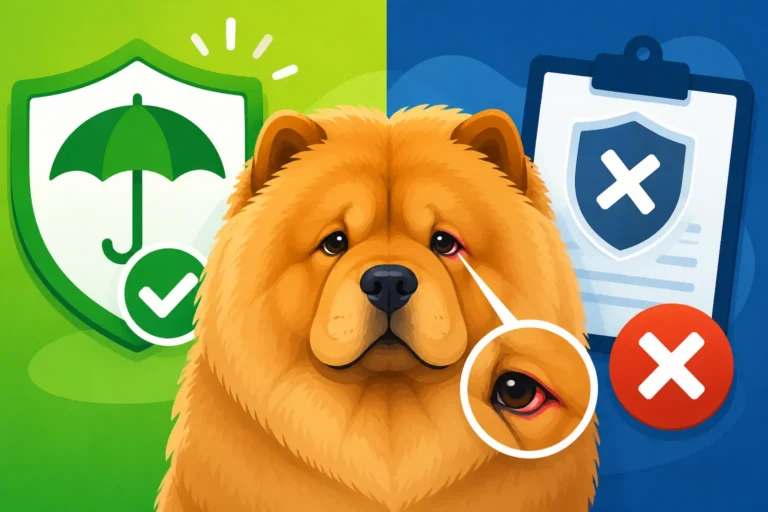
These recurring veterinary expenses can certainly be a financial strain for many pet parents. This is where pet insurance can be a genuine lifesaver. Providers like Healthy Paws offer coverage for chronic conditions, which can help significantly offset the costs of medication, blood work, and any related complications down the line. It's always best to enroll your Chow Chow in pet insurance before any symptoms of a chronic condition appear, as most policies consider pre-existing conditions ineligible for coverage. Planning ahead for potential health issues is one of the smartest things you can do as a Chow Chow owner, easing the burden when health challenges inevitably arise. Knowing What a Chow Chow's Yearly Bloodwork Should Cover also gives you a clear picture of what diagnostics might be needed.
Living with a Hypothyroid Chow Chow: Expectations and Quality of Life
Receiving a diagnosis of autoimmune thyroiditis is not a death sentence; it's a manageable condition that, with consistent care, allows your Chow Chow to live a full and happy life.
Prognosis and Long-Term Outlook
The prognosis for Chow Chows diagnosed with autoimmune thyroiditis and receiving appropriate treatment is generally excellent. With consistent daily medication, most dogs experience a significant improvement in their symptoms, often returning to their previous energy levels and overall vitality. The dull coat will typically regain its luster, skin issues will resolve, and any unexplained weight gain can be managed. It's truly remarkable to see the transformation in a dog once their thyroid hormone levels are normalized.
While it is a lifelong condition requiring continuous medication and periodic monitoring, it rarely shortens a Chow Chow's lifespan significantly. Instead, proper management enhances their quality of life, allowing them to enjoy their golden years more comfortably. As they enter their senior years, understanding Caring for an Old Chow Chow becomes even more critical, as their needs might evolve beyond just thyroid management. The key is vigilance, a good relationship with your vet, and unwavering commitment to their treatment plan.
Adjusting Daily Routines
Integrating medication and monitoring into your daily routine becomes second nature fairly quickly. Administering the levothyroxine, usually once or twice a day, will simply be another part of their feeding schedule or morning routine. It’s a small effort for a huge payoff in their health and happiness. You might find setting a reminder on your phone helpful to ensure consistency, especially if your schedule varies.
Beyond medication, you'll need to stay attentive to their energy levels and physical condition. While their cold intolerance might diminish, their dense coat still means you need to be mindful of overheating in warm weather. Adjusting walk times to early mornings or late evenings and providing access to shade and water are still essential considerations. Consistent, gentle grooming will help keep their revitalized coat in top condition and allows you to monitor their skin for any subtle changes. You'll likely develop a keen eye for nuances in their behavior and appearance, becoming an expert on your Chow Chow's unique needs.
The Importance of a Strong Vet-Owner Partnership
A strong, open, and communicative relationship with your veterinarian is perhaps the most critical component of successfully managing autoimmune thyroiditis in your Chow Chow. Your vet is your primary partner in monitoring your dog's health, adjusting medication dosages, and addressing any new or recurring symptoms. Don't hesitate to ask questions, voice concerns, or seek clarification on any aspect of their care.
Regular check-ups and adherence to the recommended schedule for blood tests are non-negotiable. These tests provide objective data that helps your vet ensure your Chow Chow is receiving the optimal dose of medication. You, as the owner, are the best observer of your dog's daily life, so sharing detailed observations about their energy, appetite, coat quality, and behavior between vet visits is incredibly valuable. Your advocacy for your Chow Chow is paramount; you are their voice, ensuring they receive the consistent and tailored care they need to thrive despite this lifelong condition.
Disclaimer
The information provided in this article is for general informational purposes only and is not intended as a substitute for professional veterinary advice, diagnosis, or treatment. Always seek the advice of your veterinarian or other qualified animal health provider with any questions you may have regarding a medical condition.