How Myotonia Stiffens a Chow Chow’s Muscles
There's nothing quite as alarming as seeing your beloved Chow Chow struggle with movements that should be effortless. That distinctive, dignified gait can become stiff, hesitant, and even painful, leaving you wondering what on earth is going on. This guide is here to shed light on a specific, inherited condition called Myotonia Congenita, which can profoundly impact a Chow Chow's muscle function and cause that very stiffness.
Understanding Myotonia Congenita in Chow Chows
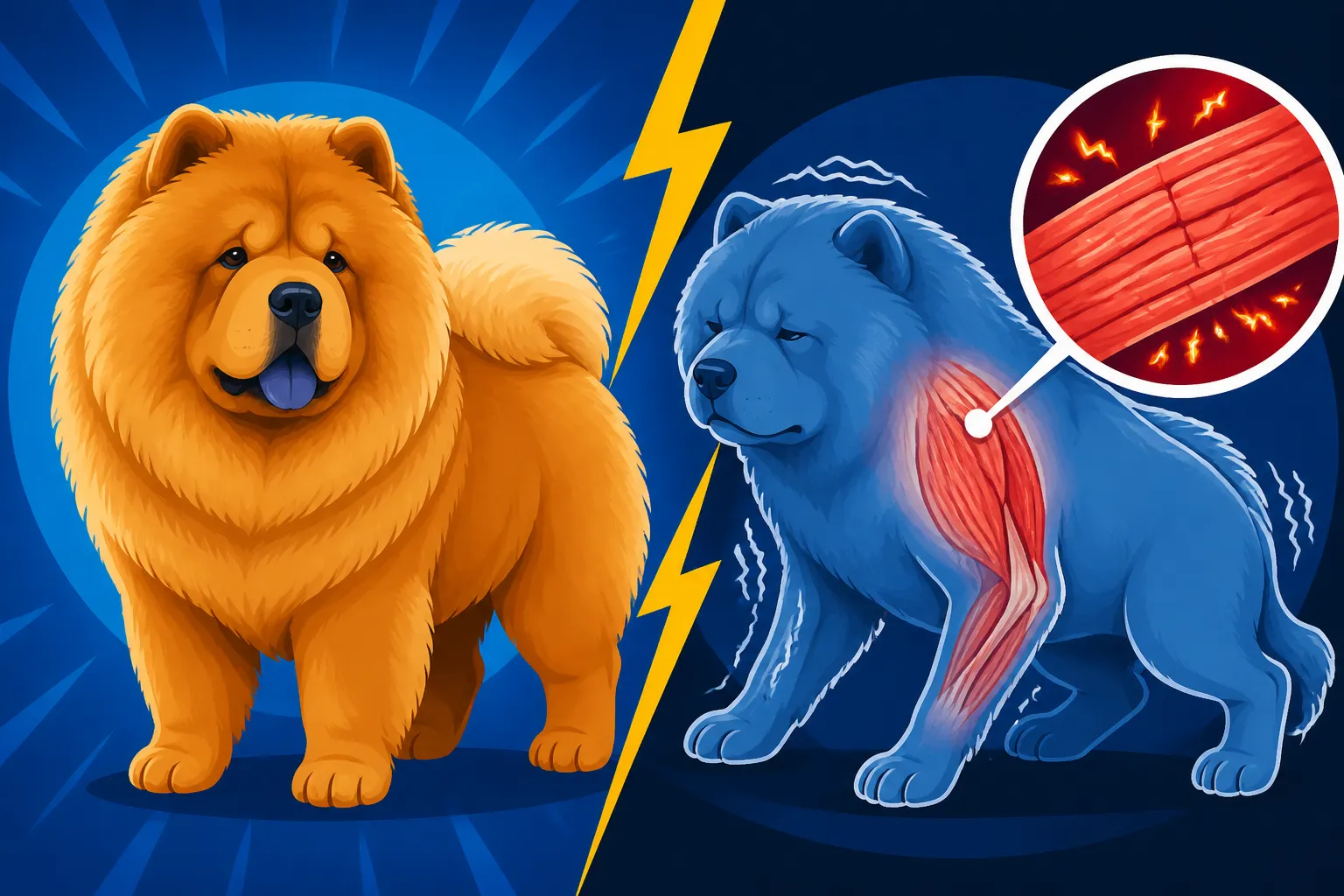
Myotonia Congenita is a fascinating yet challenging genetic disorder that affects the skeletal muscles of many breeds, including our beautiful Chows. It's essentially a problem with how the muscles relax after they've contracted. Imagine flexing your bicep, and instead of smoothly letting it go, it stays flexed for a moment longer than it should. That's a simplified way of understanding the "stiffness" myotonia causes.
What Causes Myotonia Congenita?
At its heart, Myotonia Congenita is a neurological condition rooted in a genetic mutation. Specifically, it involves a defect in a protein called the chloride channel, which plays a critical role in regulating muscle excitability. In healthy muscle cells, chloride channels help repolarize the muscle membrane after an action potential, essentially telling the muscle to relax. When these channels aren't working correctly due to the genetic mutation, the muscle fibers remain depolarized for too long. This leads to prolonged muscle contraction and, you guessed it, stiffness. It’s an inherited condition, meaning it’s passed down from parents to their puppies. This is why understanding What a Chow Chow Breeder Should Have Tested is so crucial, as responsible breeders aim to eliminate such genetic diseases from their lines.
The Genetic Basis: Recessive Trait
Myotonia Congenita in Chow Chows is typically inherited as an autosomal recessive trait. What does this mean for a Chow Chow family? It means a puppy needs to inherit two copies of the defective gene—one from each parent—to actually develop the condition. If a dog inherits only one copy, they are considered a carrier. Carriers won't show symptoms themselves, but they can pass the gene on to their offspring. This makes genetic testing incredibly important, not just for affected dogs but for their relatives too. Without proper testing, these genes can quietly persist in breeding lines, only to surface when two carriers produce a litter. It's a silent threat until it presents in a puppy, often much to the surprise and heartbreak of a new owner.
The Tell-Tale Signs of Muscle Stiffness and Weakness
Recognizing Myotonia Congenita can be tricky, especially in the early stages, or if you're not familiar with the breed's typical movement. Chow Chows naturally have a somewhat unique gait—often described as stilted or ponderous due to their relatively straight rear legs. However, myotonia adds another layer of stiffness that is quite distinct from their normal movement.
Early Symptoms in Chow Chow Puppies
The signs of Myotonia Congenita usually start to show up when a Chow Chow is still a puppy, often between 2 to 6 months of age. You might notice things that seem a bit off during playtime. For example, a puppy might seem enthusiastic to run and play, but after a burst of activity, they suddenly slow down, or their legs might "lock up" for a few seconds. They might struggle to stand up after resting or lying down, taking several awkward, stiff steps before they can move more fluidly. This stiffness can be particularly noticeable when they first start moving after a period of rest. Imagine a little Chow puppy trying to get up from a nap, looking like a toy soldier with stiff, unbending joints before eventually loosening up. This initial stiffness often improves with continued movement, which can sometimes make owners think it's just "growing pains" or a clumsy puppy phase. However, it's a critical symptom to watch out for.
Progressive Stiffness and Other Manifestations
As a Chow Chow with myotonia grows, the stiffness tends to become more pronounced and persistent. What starts as momentary rigidity can develop into a more constant struggle with mobility. You might observe a pronounced "bunny hop" gait, where both hind legs move together, or a generally stilted, awkward walk. The condition isn't limited to the legs; it can affect muscles all over the body. You might see:
- Difficulty Swallowing: Muscles in the throat can be affected, leading to trouble eating or drinking, which can, in turn, cause issues like aspiration pneumonia.
- Abnormal Facial Expressions: The muscles of the face can also stiffen, sometimes leading to a wide-eyed, fixed stare or difficulty blinking. You might even notice their jaws seem tight.
- Muscle Hypertrophy: Interestingly, the constant contraction and delayed relaxation of muscles can lead to them becoming abnormally large, or "hypertrophied." This might sound like a good thing, like your Chow is super muscular, but it's actually a sign of dysfunction, not strength. These muscles are often firm to the touch.
- Exercise Intolerance: While initial movement might lessen stiffness, prolonged or strenuous exercise can actually worsen it, leading to collapse or severe discomfort. This is different from a typical "tired" dog, as the stiffness is acute and debilitating.
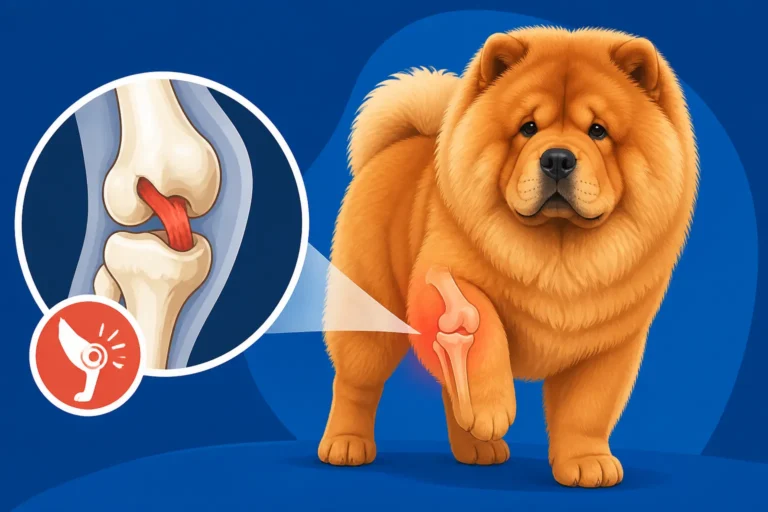
It's really important to differentiate this from other conditions that might cause lameness or stiffness, like Elbow Dysplasia Ranks the Chow Chow Near the Top or Hip Dysplasia in a Chow Chow, which are also common orthopedic issues in the breed. While those affect joints, myotonia is specifically a muscle problem. Observing these signs warrant an immediate veterinary visit to get a proper diagnosis.
Diagnosis and Management Strategies
If you suspect your Chow Chow might have Myotonia Congenita, the first step is always a prompt visit to your veterinarian. They will perform a thorough physical and neurological examination and likely recommend further diagnostic tests.
How Vets Confirm Myotonia
Diagnosing Myotonia Congenita often involves a combination of observations and specialized tests:
- Clinical Examination: Your vet will look for the characteristic signs of muscle stiffness, hypertrophied muscles, and the unique gait. They'll assess how your Chow moves, how they rise from a resting position, and their overall muscle tone.
- Electromyography (EMG): This is often the most definitive diagnostic tool. An EMG measures the electrical activity of muscles. In dogs with Myotonia Congenita, the EMG will show characteristic "diving bomber" sounds, which are specific electrical patterns indicative of prolonged muscle activity. This test helps to distinguish myotonia from other neuromuscular disorders.
- Muscle Biopsy: In some cases, a small sample of muscle tissue might be taken and examined under a microscope. While not always definitive for myotonia, it can help rule out other muscle diseases.
- Genetic Testing: Since this is a genetic condition, a DNA test is available for Myotonia Congenita in Chow Chows. This test can confirm the presence of the specific mutation and is invaluable for both diagnosis and for screening breeding animals. If you're looking at a puppy, always ask the breeder about genetic testing results for both parents, not just for myotonia but for other Chow Chow specific health concerns. This proactive approach can help you understand Whether Renal Dysplasia Has a DNA Test and other vital screenings.
Managing Myotonia Congenita: Medications and Care
Unfortunately, there is no cure for Myotonia Congenita, as it's a genetic condition. However, symptoms can often be managed to improve the dog's quality of life. The goal of treatment is to reduce muscle stiffness and improve mobility.
- Medication: The primary medications used are anti-myotonic drugs, such as mexiletine. This drug works by altering the electrical activity in the muscle cells, helping them to relax more normally. Finding the right dosage can take some trial and error, and your vet will closely monitor your Chow for effectiveness and potential side effects. Other medications, like procainamide, may also be considered.
- Physical Therapy: Gentle, consistent exercise can help maintain muscle flexibility and strength, and prevent contractures. Short, frequent walks rather than long, strenuous ones are usually recommended. Avoiding sudden bursts of activity can also help. Your vet might recommend specific stretches or exercises tailored to your dog's needs.
- Warmth and Comfort: Cold temperatures can sometimes exacerbate muscle stiffness, so keeping your Chow warm and comfortable, especially in colder climates, can be beneficial. A soft, supportive bed is also important for joint and muscle comfort.
- Dietary Considerations: While not a cure, a balanced diet is always essential. For Chows with difficulty swallowing, feeding smaller, more frequent meals or adjusting food consistency (e.g., softened kibble or wet food) might be necessary to ensure they get adequate nutrition.
Managing a chronic condition like Myotonia Congenita can lead to significant veterinary bills. This is where pet insurance, like a plan from Healthy Paws, can be incredibly helpful. Having coverage can alleviate some of the financial stress associated with long-term medication and ongoing veterinary care.
Living with a Chow Chow Affected by Myotonia
Caring for a Chow Chow with Myotonia Congenita requires patience, vigilance, and a commitment to providing a supportive environment. While it can be challenging, many dogs with proper management can lead fulfilling lives.
Daily Life Adjustments and Exercise Routines
Integrating care for myotonia into daily life means making some thoughtful adjustments. Their exercise routine, for instance, needs careful planning. Forget about long, vigorous hikes or intense playtime at the dog park. Instead, think about:
- Short, Controlled Walks: Multiple short walks throughout the day are often better than one long one. This helps keep muscles warm and flexible without over-stressing them.
- Warm-Up and Cool-Down: Just like human athletes, a Chow Chow with myotonia benefits from a gentle warm-up before activity and a gradual cool-down afterward.
- Consistency is Key: Regular, predictable routines can help manage muscle stiffness. Sudden changes in activity level can be more jarring for their system.
- Monitoring: Always watch your Chow for signs of fatigue, increased stiffness, or discomfort during and after activity. Learn Signs a Chow Chow Puppy Cannot Rise or is struggling, and adjust immediately.
- Safe Environments: Ensure their living space is safe and easy to navigate. Ramps might be helpful for getting onto furniture or into cars, especially if they have trouble with steps or jumping. Non-slip rugs on slick floors can also prevent slips and falls that could injure stiff muscles.
It's also essential to be mindful of their temperament. Chow Chows are known for being independent and sometimes aloof, but a dog in pain or discomfort might become even more withdrawn or irritable. Understanding How a Chow Chow Hides Pain is crucial so you can interpret subtle behavioral changes.
Long-Term Outlook and Quality of Life
The prognosis for Chow Chows with Myotonia Congenita varies depending on the severity of the condition and how well it's managed. Some dogs may have mild symptoms that are easily controlled with medication, allowing them to live a relatively normal lifespan. Others might experience more severe stiffness and require more intensive care throughout their lives. Regular veterinary check-ups are essential to monitor the progression of the disease and adjust treatment plans as needed. This usually means a vet who understands Why a Chow Chow Is Hard to Examine at the Vet and can make the experience as stress-free as possible.
Open communication with your veterinarian is vital. Don't hesitate to discuss any concerns, changes in your Chow's condition, or questions about long-term care. While Myotonia Congenita is a lifelong condition, with dedicated care and appropriate medical management, many Chow Chows can continue to be cherished members of their families, enjoying their lives with as much comfort and mobility as possible. Pet insurance, like that offered by Healthy Paws, can be a real lifeline for managing these ongoing costs, ensuring you can always provide the best care without undue financial strain. The goal is always to maximize their comfort and joy for The Eight to Twelve Years a Chow Chow Gets.
Understanding the Importance of Responsible Breeding
For future Chow Chow owners, the existence of Myotonia Congenita highlights the absolute necessity of choosing a responsible breeder. A reputable breeder will:
- Perform Genetic Testing: They will screen their breeding stock for known genetic conditions, including Myotonia Congenita. They should be able to provide clear documentation of these tests for both parents.
- Be Transparent: A good breeder will openly discuss the health issues prevalent in the breed and in their specific lines. They won't shy away from questions about health clearances.
- Prioritize Health Over Aesthetics: While a beautiful coat or specific color is appealing, a responsible breeder always prioritizes the health and temperament of their dogs. They understand the long-term implications of genetic diseases and work tirelessly to prevent them.
Choosing a well-bred puppy from health-tested parents significantly reduces the risk of inheriting conditions like Myotonia Congenita, ensuring a healthier start for your new companion. This due diligence can prevent much heartbreak and expense down the road, and it’s a commitment every prospective Chow Chow owner should make to the breed’s overall welfare.
| Symptom Category | Signs to Watch For | Impact of Myotonia Congenita |
|---|---|---|
| Mobility | Hesitation to move, reluctance to play | Stiff, awkward movements, "bunny hop" gait, difficulty rising |
| Muscle Function | Muscle rigidity, tremors, lack of smooth relaxation | Prolonged muscle contraction, noticeable stiffness after rest |
| Physical Appearance | Enlarged or unusually firm muscles (hypertrophy) | Muscles may appear overly developed but are dysfunctional |
| Eating/Drinking | Drooling, coughing during meals, slow eating, difficulty swallowing | Stiff throat muscles can impair ingestion, risk of aspiration |
| Exercise Tolerance | Quick fatigue, worsening stiffness after short activity | Limited endurance, discomfort with prolonged or strenuous effort |
| Facial Expression | Wide-eyed, fixed stare, difficulty blinking | Facial muscles stiffen, affecting normal expressions |
Disclaimer
The information provided in this article is for educational purposes only and is not intended to be a substitute for professional veterinary advice, diagnosis, or treatment. Always seek the advice of your veterinarian or other qualified health provider with any questions you may have regarding a medical condition.