What Changes in a Chow Chow After Eight
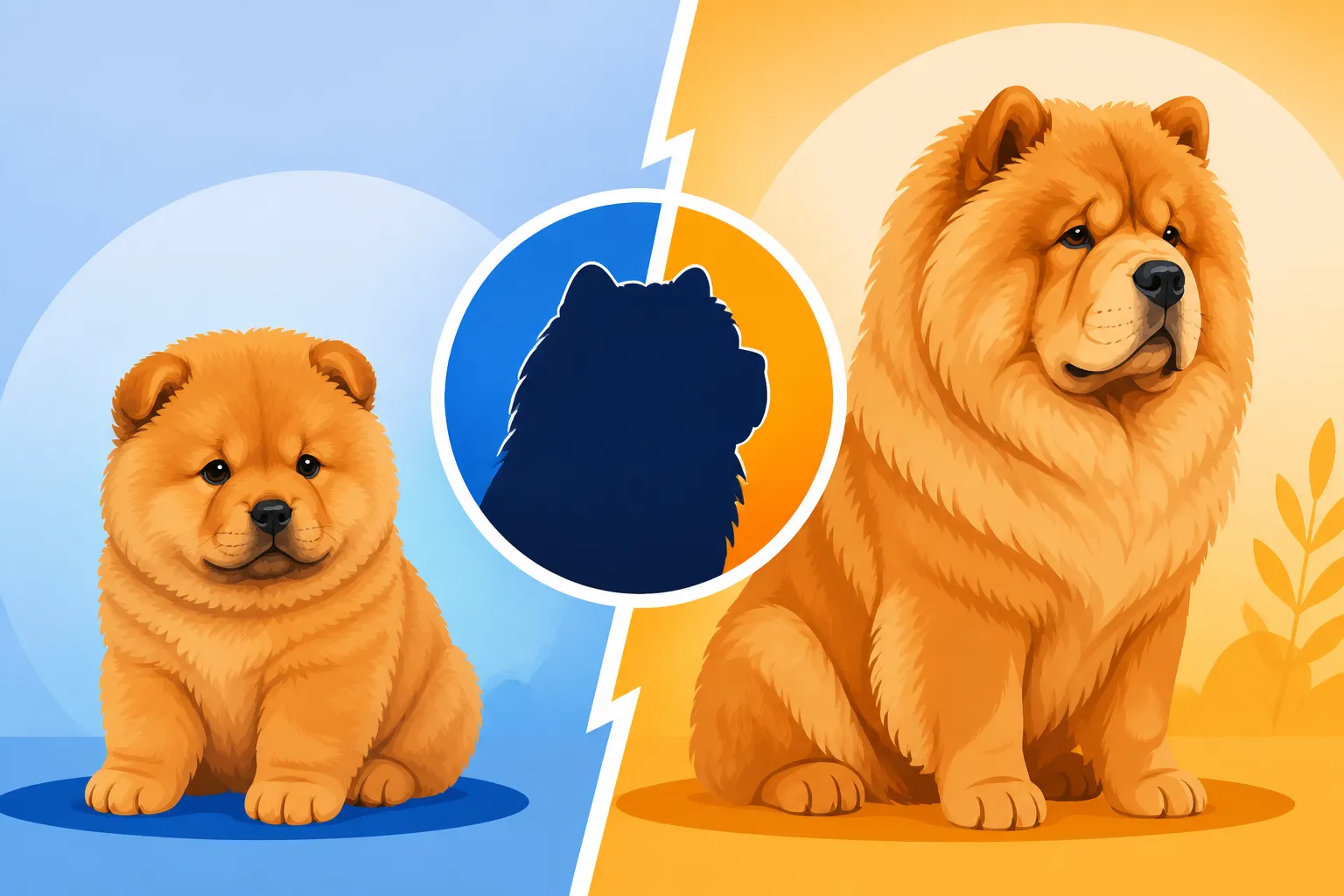
It's a bittersweet truth that our Chow Chows, with their majestic ruffs and dignified expressions, don't stay puppies forever. Many of us start noticing subtle shifts around the age of eight, wondering if these changes are normal or a sign of something more serious. This guide is here to walk you through the typical physical, behavioral, and health transformations you might observe in your beloved Chow Chow once they hit their senior years, helping you understand and prepare for this next chapter together.
Physical Changes in Your Aging Chow Chow
Just like humans, dogs experience a range of physical changes as they age, and our Chow Chows are no exception. Their once vibrant coats might tell a different story, their eyes might cloud, and their movements could become a little less spry. It’s all part of the natural process, but knowing what to look for can help you manage these changes effectively.
Coat and Skin Transformations
One of the first things many Chow Chow owners notice as their dog ages is a change in their magnificent coat. The deep, rich color might start to fade, particularly around the muzzle, eyes, and paws, giving way to distinguished silver or grey hairs. It’s a classic sign of aging, but it’s not just about color. You might also find that the coat itself becomes a bit coarser or, conversely, finer and thinner in certain areas. This is often due to changes in hormone levels and skin elasticity.
Beyond the aesthetics, the skin beneath that dense fur can also become drier and less supple, making it more prone to flakes or even minor irritations. You might also notice a decrease in the natural oils that keep their coat shiny and healthy. This means that your regular grooming routine might need some adjustments. Instead of just brushing, you might need to incorporate more moisturizing shampoos or conditioners, or increase the frequency of brushing to distribute natural oils and prevent matting. Remember, regular grooming is key for a Chow Chow at any age, but especially for an older one, as mats can pull on fragile skin and cause discomfort. If you're wondering What Changes in an Aging Chow Chow's Coat, it's often a combination of color, texture, and underlying skin health.
Eyesight and Hearing Decline
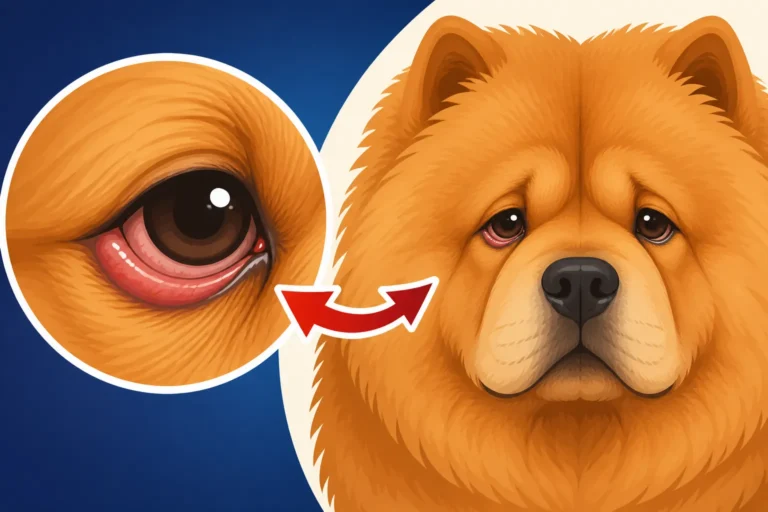
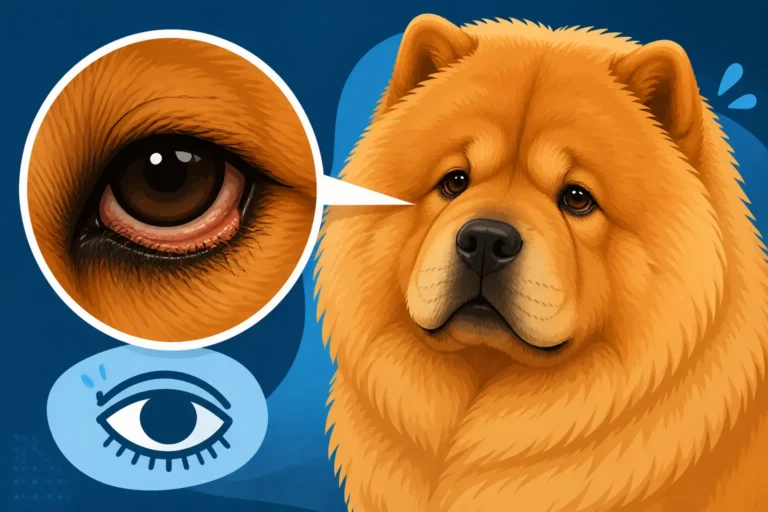
As your Chow Chow enters their senior years, their senses, particularly sight and hearing, may start to diminish. It’s heartbreaking to see them struggle, but understanding these changes can help you adapt your home and interactions. For the eyes, a common change is the development of lenticular sclerosis, sometimes called nuclear sclerosis. This is a blue-grey haziness in the pupils of both eyes, which is usually a normal part of aging and doesn't significantly impair vision, though it can make things appear a bit dimmer. If you've been asking Whether an Aging Chow Chow's Eyes Cloud, this is often what you're seeing.
However, more serious eye conditions, like cataracts or even glaucoma, can also occur and do impact vision significantly. Cataracts cause a clouding that can eventually lead to blindness, while glaucoma, which Chow Chows are unfortunately prone to, can cause painful pressure build-up and rapid vision loss. Regular veterinary check-ups, including eye exams, become crucial to distinguish between normal aging changes and treatable conditions. Similarly, hearing loss can creep in. You might notice your Chow Chow doesn't respond to their name as readily, or they don't seem to hear the doorbell anymore. This can be frustrating, but remember it's not defiance. Deafness in an Aging Chow Chow can be managed with visual cues, gentle touches, and maintaining a predictable routine. Always approach them from the front to avoid startling them.
Mobility and Joint Health
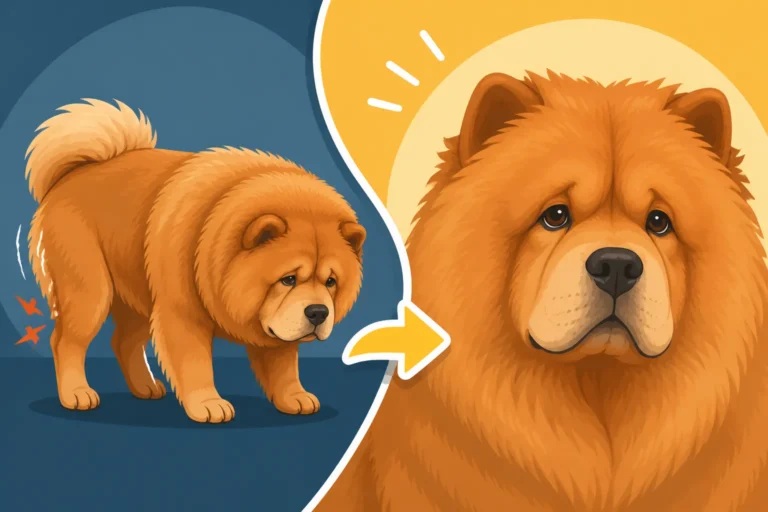
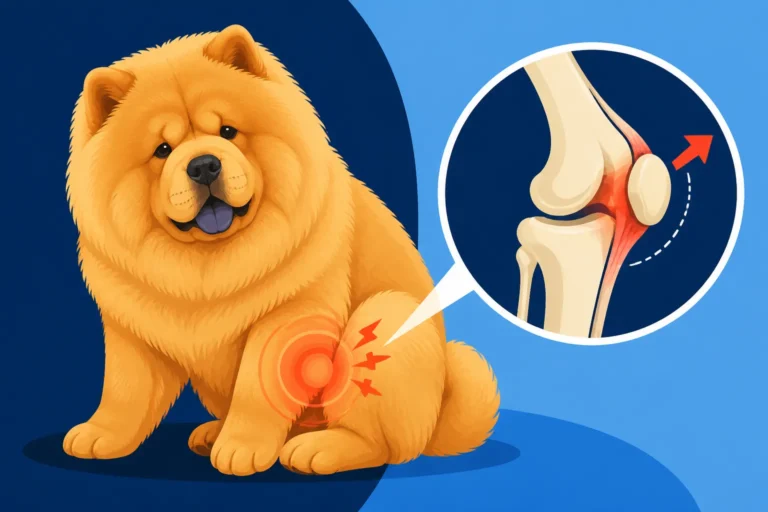
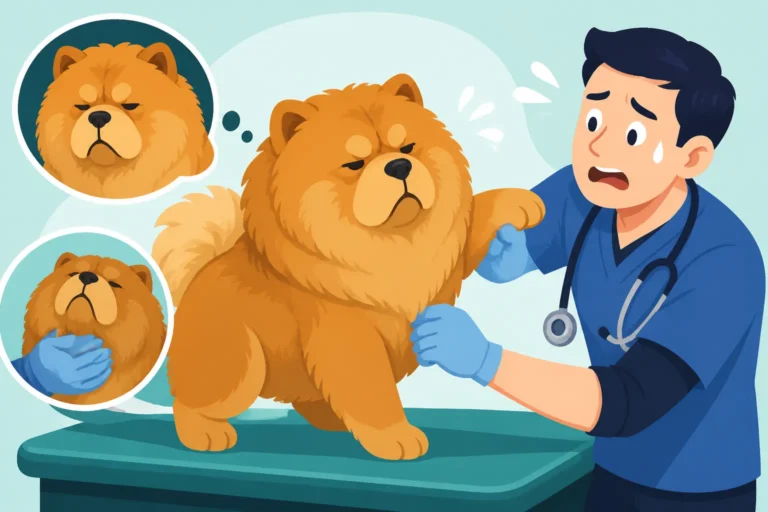
The hallmark "stilted gait" of a Chow Chow is part of their unique charm, but as they age, this can sometimes evolve into stiffness or even limping. A common issue for many senior dogs, including Chow Chows, is arthritis, or osteoarthritis. This condition, where the cartilage in their joints wears down, leads to pain, inflammation, and reduced flexibility. You might observe your Chow Chow having more difficulty getting up after a nap, struggling to climb stairs, or being less enthusiastic about walks they once loved. They might even become a bit slower on their daily strolls, or you might notice them lagging behind on longer outings. If you're seeing signs that How an Aging Chow Chow Stiffens impacts their daily life, it's definitely time to talk to your vet.
It's vital to provide a comfortable environment, perhaps with orthopedic beds and ramps to help them navigate stairs or get onto furniture. Exercise is still important for maintaining muscle mass and joint health, but it needs to be modified – shorter, more frequent walks are often better than one long, strenuous outing. Your vet might suggest supplements like glucosamine and chondroitin, anti-inflammatory medications, or even physical therapy to help manage their discomfort. Managing their weight is also crucial, as extra pounds put more strain on already compromised joints.
Weight Management
Maintaining a healthy weight becomes incredibly important as your Chow Chow ages. It might seem like they're not eating as much, or perhaps their metabolism has slowed down, making them prone to gaining weight even on their usual diet. Conversely, some senior Chows might lose weight due to underlying health issues. Both scenarios require careful attention.
Overweight Chows are at a higher risk for exacerbating joint problems, developing diabetes, and facing increased strain on their cardiovascular system. If your Chow Chow starts to put on pounds, even if they appear less active, it’s a good idea to re-evaluate their caloric intake and the type of food they’re eating. Senior-specific dog foods are often formulated with fewer calories and different nutrient balances to support aging bodies. On the other hand, unexplained weight loss can be a red flag for more serious conditions like kidney disease, cancer, or dental issues making eating painful. Monitoring your Chow Chow’s weight regularly and discussing any significant changes with your veterinarian is key to their long-term health. Adjusting diet and exercise to keep them at an ideal weight will greatly improve their quality of life.
Behavioral and Temperamental Shifts in Senior Chows
Beyond the physical, your Chow Chow's personality and habits can also evolve as they get older. While some changes are simply due to discomfort or sensory decline, others might hint at cognitive aging. It's important to remember that these aren't necessarily signs of defiance, but rather symptoms of an aging brain and body.
Changes in Affection and Interaction
Chow Chows are known for their reserved and independent nature, often bonding deeply with one person while being more aloof with others. As they age, you might notice subtle shifts in how they express or accept affection. Some senior Chows might become even more withdrawn, preferring quiet solitude over interaction, especially if they are experiencing pain or hearing loss that makes social situations overwhelming. They might be less tolerant of boisterous children or other pets, simply because they don't have the energy or patience they once did. This isn't necessarily a sign they've stopped loving you, but rather that their capacity for interaction has changed.
Conversely, some Chow Chows can become more clingy, seeking comfort and reassurance from their primary person. They might follow you more closely, or seek out physical contact more often. This could be due to anxiety stemming from declining senses, or simply a greater need for comfort as they become more vulnerable. If you've wondered Whether an Aging Chow Chow Grows More Aloof, the answer is often "it depends," as individual Chows react differently to the aging process. The key is to observe their cues and respect their boundaries, offering comfort when sought and giving them space when needed.
Sleep Patterns and Cognitive Decline
Sleep patterns often shift significantly in older dogs. You might notice your Chow Chow sleeping more deeply during the day but becoming restless or disoriented at night. They might pace, wander, or even bark without apparent reason, disrupting everyone's sleep. This could be linked to canine cognitive dysfunction (CCD), often referred to as "doggy dementia." CCD is a neurodegenerative disorder that shares similarities with Alzheimer's disease in humans.
Symptoms of CCD can include disorientation (getting "stuck" in corners, staring blankly), changes in social interaction, altered sleep-wake cycles, house-soiling accidents, and decreased activity levels. They might forget familiar commands or fail to recognize people they know well. It can be incredibly frustrating and sad to witness these changes. If you suspect cognitive decline, a visit to your vet is essential. There are medications, supplements, and environmental enrichment strategies that can help manage symptoms and slow the progression of CCD, improving your Chow Chow's quality of life and yours.
Tolerance for Change and Routine
Chow Chows, by nature, often thrive on routine and can be sensitive to change. As they age, this preference for predictability often intensifies. New people, new places, or even slight alterations to their daily schedule can become sources of stress and anxiety. Their ability to cope with novelty or unexpected events diminishes. This is partly due to cognitive changes, but also because older dogs often have less physical resilience to adapt.
Maintaining a consistent daily schedule for feeding, walks, and potty breaks can provide a sense of security and reduce anxiety. If changes are necessary, introduce them gradually and patiently. For example, if you're moving furniture or bringing a new object into the home, allow your Chow Chow to investigate it at their own pace without pressure. Creating a quiet, safe haven where they can retreat from household commotion is also beneficial. Patience and understanding are your greatest tools during this period, helping your senior Chow Chow navigate their changing world with as much comfort and dignity as possible.
Health Concerns in Senior Chows
The senior years bring an increased risk of various health conditions. Regular veterinary care becomes even more critical to catch potential problems early and manage chronic illnesses effectively. Understanding what to look out for can make all the difference.
Increased Risk of Chronic Illnesses
As Chow Chows mature into their senior years, their bodies become more susceptible to a host of chronic illnesses. Heart disease, kidney disease, liver issues, and various forms of cancer are unfortunately more common in older dogs. Conditions like hypothyroidism, where the thyroid gland doesn't produce enough hormones, can also become more pronounced, leading to lethargy, weight gain, and coat problems. Autoimmune Disease in a Chow Chow can also manifest or worsen with age, requiring careful management.
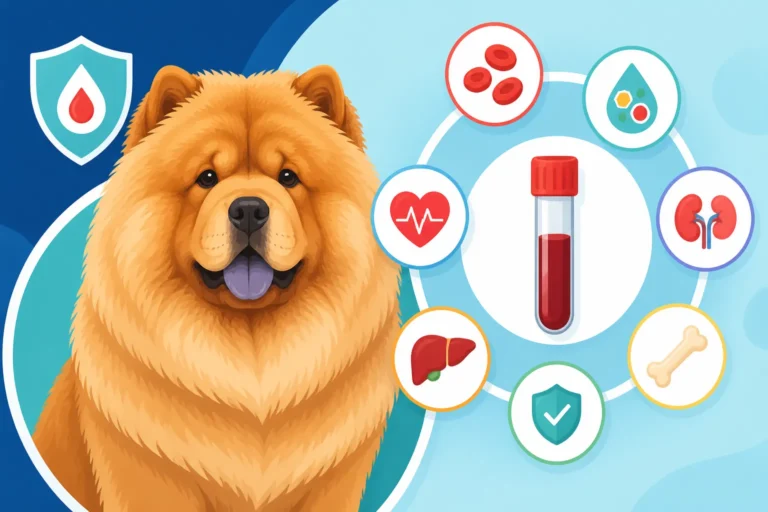
Catching these conditions early often allows for more effective treatment and better quality of life. This is why your veterinarian will likely recommend more frequent check-ups, often twice a year, and regular diagnostic testing. For instance, What a Chow Chow's Yearly Bloodwork Should Cover becomes much more comprehensive as they age, including panels to check kidney and liver function, thyroid levels, and blood cell counts. These tests can reveal subtle changes that might indicate a brewing problem before outward symptoms even appear. Discussing your Chow Chow's health history and any new symptoms, no matter how minor, with your vet is paramount. This proactive approach can help extend their healthy years significantly.
Dental Health
Dental disease is often overlooked in aging dogs, but it can have a profound impact on their overall health and comfort. Over years of eating, plaque and tartar build up on teeth, leading to gingivitis and periodontal disease. This can cause painful infections, tooth loss, and even spread bacteria through the bloodstream to vital organs like the heart and kidneys. Signs of dental problems in a senior Chow Chow include bad breath, difficulty chewing, drooling, pawing at the mouth, or a sudden preference for softer foods.
Regular dental cleanings under anesthesia, as recommended by your vet, are crucial. While the thought of anesthesia for an older dog can be daunting, modern veterinary medicine uses advanced protocols and careful monitoring to minimize risks. Home dental care, such as brushing (if your Chow Chow tolerates it) or dental chews designed for seniors, can also help maintain oral hygiene between professional cleanings. Never underestimate the relief a healthy mouth can bring to an older dog.
Organ Function and Systemic Changes
Beyond specific diseases, the general function of your Chow Chow's internal organs can naturally decline with age. Their kidneys might not filter waste as efficiently, their heart might not pump blood as strongly, and their digestive system might become more sensitive. These systemic changes can lead to a variety of symptoms that might seem vague but are indicators of overall aging. For example, increased thirst and urination could point to kidney issues, while a cough or reduced exercise tolerance might signal heart problems.
It's also worth noting that the body's ability to regulate temperature can change, making senior Chows more sensitive to extreme heat or cold. Their immune system may also become less robust, making them more susceptible to infections. This is why maintaining a comfortable home environment, ensuring adequate hydration, and providing a high-quality, easily digestible diet tailored for senior dogs are so important. Your vet will monitor these systemic changes through bloodwork and physical exams, offering guidance on how to best support your Chow Chow's aging body. This is also where pet insurance like Healthy Paws can truly be a lifesaver, as the costs associated with diagnosing and managing chronic conditions can add up.
Supporting Your Senior Chow Chow's Golden Years
While seeing your Chow Chow age can be challenging, these golden years offer a unique opportunity to provide them with extra comfort, care, and love. Adapting your approach to their needs will ensure their remaining years are as happy and healthy as possible.
Adapting Their Environment
Making simple adjustments to your home environment can significantly improve your senior Chow Chow's comfort and mobility. Consider their stiffening joints and reduced agility. Orthopedic beds provide excellent support for aching bones, while non-slip mats or rugs can help them navigate slippery floors without fear of falling. Ramps, instead of stairs, can allow them access to their favorite spots, like the couch or your bed, without putting strain on their joints.
For Chows with declining vision or hearing, consistency in their environment is key. Avoid moving furniture frequently, and ensure pathways are clear. If their eyesight is truly dimming, consider nightlights to help them navigate during nighttime wanderings. A designated quiet space, perhaps a comfy bed in a low-traffic area, can provide a sanctuary from household noise and activity, especially if they're experiencing Deafness in an Aging Chow Chow or increased anxiety. These small changes show your Chow Chow that you understand and support their changing needs.
Nutrition and Supplementation
As a Chow Chow ages, their nutritional requirements change. Their metabolism typically slows down, and their activity levels decrease, meaning they often need fewer calories to maintain a healthy weight. Senior dog food formulas are specifically designed to address these needs, often with lower fat content, higher fiber for digestive health, and added joint-supporting nutrients like glucosamine and chondroitin. For a Chow Chow that is a Fussy Eater in their younger years, they might become even more particular, so finding a palatable senior diet is crucial.
Supplements can also play a vital role. Omega-3 fatty acids, found in fish oil, can support joint health, skin, and cognitive function. Antioxidants may help combat cellular aging, and specific probiotics can aid a sensitive digestive system. However, it's crucial to consult your veterinarian before adding any supplements to your Chow Chow's diet. They can recommend the right types and dosages based on your dog's individual health needs. Remember, a well-balanced diet and appropriate supplementation are cornerstones of good senior care.
Veterinary Care and Monitoring
Consistent and proactive veterinary care is arguably the most important aspect of caring for an aging Chow Chow. Instead of annual check-ups, your vet will likely recommend bi-annual visits for senior dogs. This allows for earlier detection of age-related conditions and closer monitoring of any ongoing health issues. During these visits, your vet will perform a thorough physical exam, often including bloodwork, urinalysis, and potentially blood pressure checks or X-rays to assess organ function and joint health. Knowing What a Chow Chow's Yearly Bloodwork Should Cover can help you ask informed questions.
Be diligent about reporting any changes in your Chow Chow's behavior, appetite, thirst, or activity levels, no matter how minor they seem. These subtle cues can be early indicators of underlying health problems. Investing in pet insurance, such as Healthy Paws, early in your Chow Chow's life can be incredibly beneficial, as it can help offset the costs of diagnostic tests, medications, and treatments for chronic conditions that often arise in their later years. Understanding What an Aging Chow Chow's Bills Look Like can prepare you for these financial realities, and having good insurance can ease that burden. Your vet is your best partner in navigating the complexities of senior dog health, ensuring your Chow Chow receives the best possible care during their golden years.
Creating a Comfortable and Loving Senior Life
The journey through your Chow Chow's senior years is a profound one, marked by grace, quiet dignity, and a deepening bond. They may move a little slower, hear a little less, and need a bit more understanding, but their capacity for love remains boundless. Embrace these changes, provide them with patience and adapted care, and cherish every moment. By being attuned to their evolving needs, you can ensure their golden years are filled with comfort, peace, and the unwavering companionship they've always offered you. It’s all part of Caring for a Chow Chow Past Eight and making their final chapter truly special.
Disclaimer
This article is for general informational purposes only and does not constitute professional advice. Laws, prices and regulations vary by location and change over time. Consult a qualified professional for guidance on your specific situation.