Deafness in an Aging Chow Chow
It’s heartbreaking to watch our beloved Chow Chows age, isn't it? One of the quietest changes, yet one that can profoundly affect their daily lives and our bond, is the gradual loss of hearing. This guide aims to walk you through understanding why and how your Chow Chow might lose their hearing as they get older, how to spot the signs, and most importantly, how to adapt and continue providing them with a happy, secure, and loving home.
Understanding Age-Related Hearing Loss in Your Chow Chow
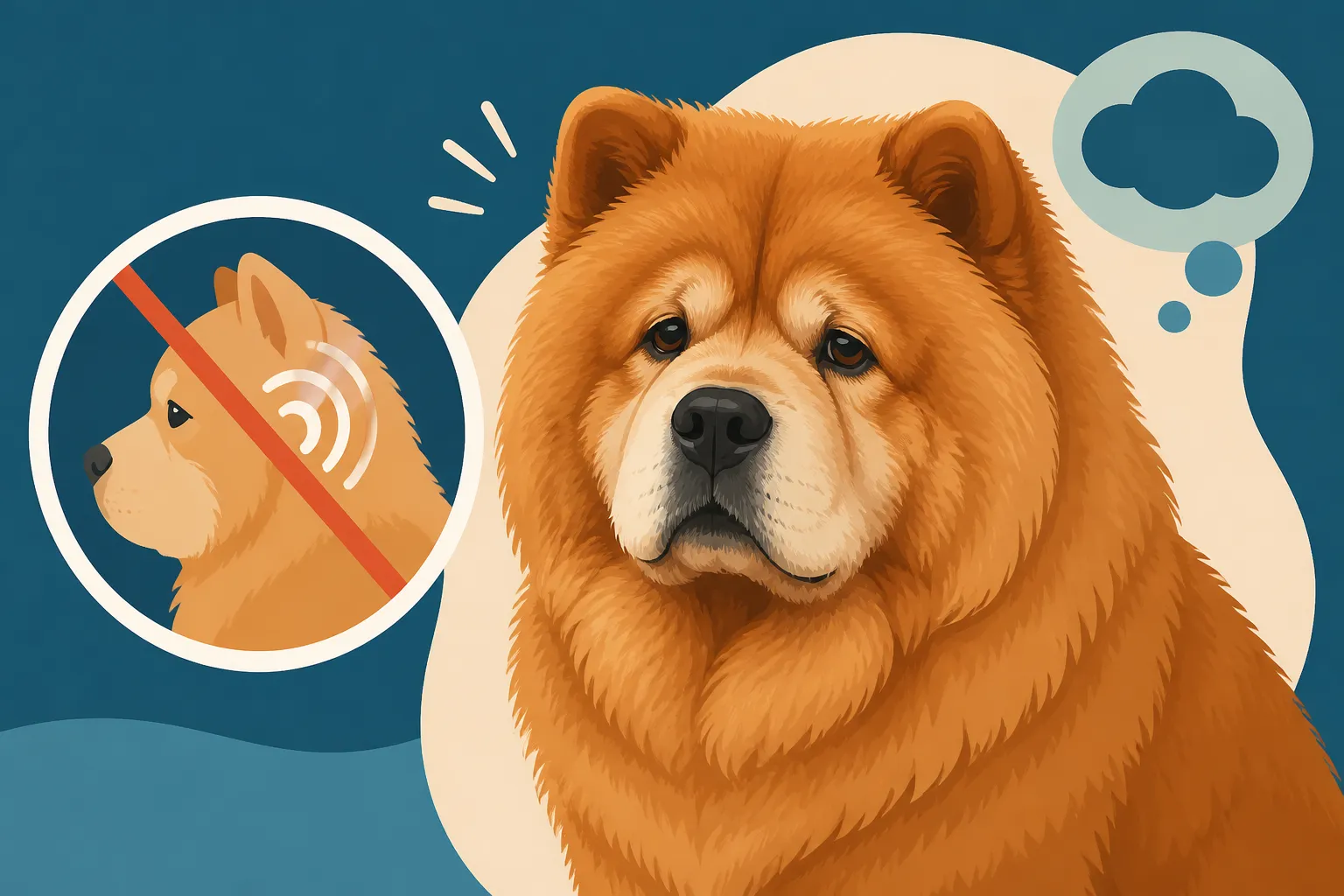
Just like humans, our dogs experience a decline in their senses as they gracefully move into their senior years. Hearing loss, or presbycusis, is a very common part of this aging process in Chow Chows and many other breeds. It’s not usually a sudden event, but a slow, creeping change that can be easy to miss in its early stages, especially with a breed as naturally reserved and independent as the Chow Chow.
What is Presbycusis and How Does It Affect Chows?
Presbycusis refers specifically to age-related hearing loss. It’s a degenerative condition that affects the tiny hair cells and nerve pathways in the inner ear. These cells are responsible for converting sound vibrations into electrical signals that the brain interprets. Over time, these cells can wear out, become damaged, or simply not function as efficiently as they once did. For a Chow Chow, whose independent nature might already make them seem a bit aloof, the early signs of presbycusis can be particularly subtle. You might just think they're being "more Chow" than usual, when in reality, they're simply not hearing you as clearly as they once did. This isn't just about ignoring commands; it's about missing environmental cues that we take for granted, like the rustle of leaves or the distant doorbell.
This gradual loss often starts with higher frequency sounds, which means your Chow Chow might still hear deeper tones, but the sharper, higher-pitched sounds that make up much of human speech or distant alerts fade first. Imagine trying to follow a conversation where half the words are missing – it’s frustrating and disorienting. This can lead to your senior Chow seeming more confused, perhaps startled by unexpected touches because they didn't hear you approach, or even displaying some anxiety. This is a natural consequence of their world shrinking audibly, and it's vital for us to recognize it as a physical change rather than a behavioral problem.
Other Potential Causes of Hearing Loss in Older Dogs
While presbycusis is the most common culprit for hearing loss in older Chow Chows, it's not the only one. Other factors can contribute to or exacerbate hearing issues, and it's important to differentiate them, as some might be treatable. Chronic ear infections, for instance, especially if left untreated for long periods, can cause permanent damage to the ear canal and eardrum. Chow Chows, with their sometimes dense ear fur and propensity for moisture being trapped, can be susceptible to ear issues if not routinely checked and cleaned.
Another concern could be the accumulation of wax or foreign objects in the ear canal. Sometimes, a particularly stubborn plug of wax can significantly impede sound transmission. A thorough veterinary examination can usually identify and safely remove such blockages, potentially restoring some hearing. Certain medications, known as ototoxic drugs, can also cause temporary or permanent hearing loss, though this is less common as a primary cause in aging dogs unless they are on specific long-term treatments. Tumors or polyps in the ear canal, though rare, can also obstruct hearing. It's why a vet check is always the first step when you suspect any change in your dog's health, even something as seemingly straightforward as hearing loss.
Spotting the Subtle Signs Your Chow Chow's Hearing Is Fading
Observing changes in your Chow Chow's behavior is key to recognizing hearing loss. Because Chow Chows are often described as independent and less overtly demonstrative than some breeds, their signals can be more subtle. You might initially dismiss changes as them just being "more Chow-like" or "slowing down," but these could very well be indicators that their world is becoming quieter. It's about paying close attention to deviations from their normal habits. When you're Caring for an Old Chow Chow you're already tuned into their needs, but hearing loss presents its own unique challenges.
Behavioral Clues and Misinterpretations
One of the first things many owners notice is their Chow Chow simply not responding to their name, or to familiar commands like "sit" or "stay" when they're not looking directly at them. You might find yourself raising your voice, calling them multiple times, or even having to go physically tap them to get their attention. The classic example is the doorbell ringing or a car pulling up – sounds that used to trigger an immediate alert or bark – now elicit no reaction at all. You might mistakenly think your Chow is being stubborn or defiant, but the truth is, they just didn't hear you.
Another common sign is an increased startling reflex. If your Chow Chow is resting and you approach them from behind or the side, they might jump or even snap defensively because they didn't hear you coming and felt surprised. This isn't aggression; it's a natural fear response to an unexpected touch when their auditory senses aren't providing warning. You might also notice them sleeping more deeply, undisturbed by household noises that would previously have woken them. Their sense of hearing is one of the many What Changes in a Chow Chow After Eight that you'll notice as they transition into their golden years.
Changes in Response to Sounds and Environment
Beyond not responding to direct commands, observe their reaction to general environmental sounds. Do they still react to the rustle of their treat bag? The clatter of kibble in their bowl? The jingle of keys? If these once-irresistible sounds now go unnoticed, it's a strong indicator. They might also appear more disoriented in new environments or even familiar ones if they've always relied on sound cues. For example, navigating a dimly lit room might become harder if they can't hear the echoes of their footsteps or your guiding voice.
Some Chow Chows might start barking more excessively, or conversely, less. Barking can increase out of frustration or anxiety, as they might be trying to compensate for their loss of hearing or are simply startled more often. Or they might bark less because they can’t hear other dogs or sounds that typically trigger a response. They might also seem less interested in going outside or interacting with other dogs, as the lack of auditory input can make social situations overwhelming or confusing. This is different from a Chow Chow who Whether an Aging Chow Chow Grows More Aloof, but can sometimes be misinterpreted similarly.
Here's a quick comparison of common observations:
| Observation | Possible Cause (Primary) | How to Differentiate |
|---|---|---|
| Not responding to name/commands | Hearing Loss | Do they respond when you're in their line of sight? |
| Startled easily by touch | Hearing Loss | Did you approach quietly, out of their view? |
| Sleeps more soundly, oblivious to noise | Hearing Loss | Previously, would they have woken to this sound? |
| Appears disoriented or confused | Hearing Loss | Is the confusion linked to missing auditory cues? |
| Increased or decreased barking | Hearing Loss/Anxiety | Is it reactive to things they can't hear, or a general change? |
| Seems "stubborn" or "ignoring" you | Hearing Loss | Are they genuinely not hearing you, or choosing to ignore? |
| Bumps into objects more frequently (not vision) | Hearing Loss/Disorientation | Are their eyes clear? Is it in low light? |
| Changes in interaction with other dogs | Hearing Loss/Aging | Are they missing cues from other dogs they can't hear? |
Remember that How a Chow Chow Hides Pain can make diagnosing any health issue tricky, and hearing loss is no exception. They are stoic by nature, so these subtle behavioral shifts are your most important indicators.
Adapting Your Home and Routine for a Deaf Senior Chow Chow
Discovering your senior Chow Chow is losing their hearing can be a difficult pill to swallow, but it’s not the end of their happy life. In fact, with some thoughtful adjustments, you can ensure they continue to thrive. The goal is to make their world safe, predictable, and full of clear, visual communication. This approach aligns well with the Chow Chow's inherent preference for routine and their perceptive nature.
Enhancing Safety and Communication
One of your top priorities for a deaf Chow Chow is safety, especially in and around the home. Since they can't hear approaching dangers, you'll need to be their ears. When outside, always keep them on a leash, even in a fenced yard, unless you are actively supervising and know the fence is escape-proof. A deaf dog cannot hear a car horn or a person approaching from behind, making off-leash excursions incredibly risky. Consider securing your yard further, perhaps with additional fencing or even a double-gate system if you have one. If your Chow enjoys short walks, which are important for How Much Exercise a Chow Chow Actually Needs, ensure they're always on a secure lead.
Communication shifts from verbal cues to visual and tactile ones. Start teaching hand signals for basic commands like sit, stay, come, and lie down. Pair these with clear body language. For example, when you want them to sit, make the hand signal and gently guide them into a sit, rewarding them immediately. Consistency is key here. You might also use vibrations – a gentle stomp on the floor to get their attention, or a quick, light tap on their shoulder or back when they’re not looking. Some owners even use vibrating collars (not shock collars!) to get their dog’s attention from a distance, which can be particularly useful in larger yards or open spaces, though this requires careful introduction and training.
Adjusting the Home Environment for Their New Reality
Making your home a safe and comfortable haven for a deaf Chow Chow involves a few practical changes. Firstly, consider adding motion-activated lights, especially in areas where they might roam at night or in dimly lit hallways. This helps prevent startling them and can aid their navigation if their vision is also declining (many older Chows might develop Whether an Aging Chow Chow's Eyes Cloud too). If you have stairs, especially steep ones, ensure they are well-lit and perhaps add non-slip treads, as a dog who can't hear might misjudge depth or footing more easily.
Create designated "safe zones" where your Chow Chow can rest undisturbed. These should be comfortable, easily accessible spots where they won't be surprised by people approaching. Always make sure to approach your sleeping Chow Chow carefully and from the front, gently tapping the floor or waving your hand to wake them, rather than startling them awake with a direct touch. Using a dog bed that is easily accessible and provides good joint support can also make a huge difference, especially as How an Aging Chow Chow Stiffens with age. The general principle is to create a predictable and visually rich environment that minimizes surprises and maximizes their sense of security.
Partnering with Your Veterinarian for Your Chow Chow's Hearing Health
When you first notice signs of hearing loss in your Chow Chow, your veterinarian is your most important partner. While age-related deafness (presbycusis) isn't curable, a proper veterinary assessment is crucial to rule out other treatable causes and to help you manage the condition effectively. This proactive approach ensures your Chow Chow receives the best possible care throughout their senior years.
Initial Veterinary Assessment and Diagnosis
Your first step should be to schedule a comprehensive check-up with your vet. Be ready to describe all the changes you've observed in your Chow Chow's behavior and responses. Your vet will perform a thorough physical examination, including a careful inspection of their ears. This often involves using an otoscope to look deep into the ear canals, checking for wax buildup, foreign objects, signs of infection, inflammation, or tumors. Sometimes, a simple ear cleaning or a course of medication for an infection can dramatically improve their hearing.
If the basic examination doesn't reveal any obvious causes, your vet might recommend more advanced diagnostics. This could include a sedated ear exam, especially if your Chow Chow is a bit difficult to handle around their ears (let's face it, Why a Chow Chow Is Hard to Examine at the Vet is a common refrain!). They might also suggest blood tests to check for underlying health conditions that could indirectly affect hearing. In some cases, a referral to a veterinary neurologist or an animal audiologist might be recommended for specialized testing, such as a Brainstem Auditory Evoked Response (BAER) test, which measures the electrical activity in the brain in response to sound. This test can precisely determine the degree and type of hearing loss. While pet insurance can't cover pre-existing conditions, for those looking ahead, a provider like Healthy Paws can be beneficial for unforeseen health issues down the road.
Managing Hearing Loss and Supporting Your Senior Chow
Once age-related hearing loss is confirmed, the focus shifts to management and support. There isn't a "cure" for presbycusis, but there's a lot you can do to improve your Chow Chow's quality of life. Your vet can provide advice on communication strategies, discuss any anxiety your dog might be experiencing due to their hearing loss, and ensure any other age-related conditions are being addressed. Remember that What a Chow Chow's Yearly Bloodwork Should Cover becomes even more crucial in their senior years, ensuring their overall health is optimized.
The key is consistency in your communication methods and creating a supportive environment. Continue using hand signals and tactile cues, making sure everyone in the household understands and uses them. Keep their routine as predictable as possible, as this reduces anxiety for deaf dogs who rely heavily on pattern. Regular, gentle exercise remains important, as does their diet. Your vet can also offer guidance on managing any accompanying cognitive decline, which often goes hand-in-hand with sensory losses in aging dogs. While considering the long-term costs of senior care, it's worth noting that if you have pet insurance, a company like Healthy Paws may cover various aspects of veterinary treatment, depending on your plan. Staying vigilant with regular check-ups, perhaps even more frequent visits as The Age a Chow Chow Is Considered Senior, will allow your vet to monitor their overall health and make adjustments to their care plan as needed. For new or worsening conditions, the financial support from a reliable pet insurance provider such as Healthy Paws can be invaluable. Don't forget, How Often a Chow Chow Needs a Wellness Exam, especially as they age, is key to early detection and management of all health concerns.
Disclaimer
This article is for general informational purposes only and does not constitute professional advice. Laws, prices and regulations vary by location and change over time. Consult a qualified professional for guidance on your specific situation.