Which Chow Chow Colors Cost the Most
One of the first things many aspiring Chow Chow owners wonder, right after falling in love with that majestic lion-like appearance, is "How much does a Chow Chow cost?" And almost immediately, the next question pops up: "Does the color make a difference?" It absolutely does, and navigating the nuances of Chow Chow pricing based on their unique coat colors can feel like trying to untangle a particularly stubborn mat in their dense fur. This guide is here to shed some light on why certain Chow Chow colors might command a higher price tag and what other crucial factors truly impact the cost of bringing one of these magnificent dogs into your home.
Decoding the Chow Chow Color Palette and Price
The Chow Chow breed standard recognizes specific colors, and understanding these is the first step in comprehending why some puppies might be priced differently. It’s not just about aesthetics; genetics play a huge role, influencing both rarity and demand.
The Five Recognized Standard Colors
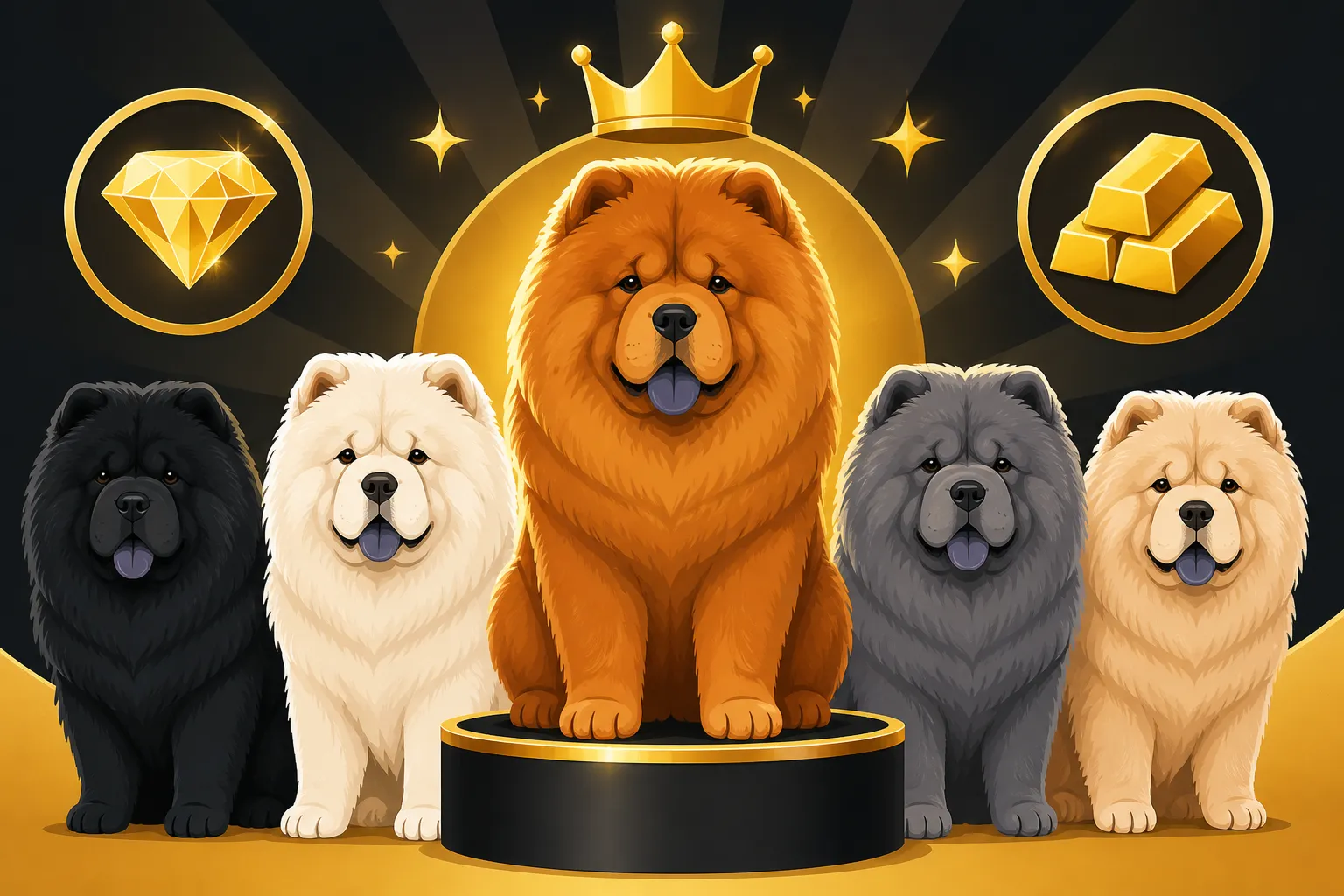
According to major kennel clubs, Chow Chows come in five standard, solid colors: red, black, blue, cinnamon, and cream. These are the colors that are accepted in the show ring and are generally what reputable breeders strive to produce.
- Red: This is arguably the most common and often the most recognizable Chow Chow color, ranging from a light golden red to a deep mahogany. It's often the color people picture when they think of a Chow Chow. Because red Chows are widely available and well-established in breeding lines, they might sometimes be found at a slightly lower entry price point compared to some other colors, though this is far from a hard and fast rule. A beautiful, well-bred red Chow is just as valuable and sought after as any other color, but sheer abundance can influence average cost.
- Black: A striking and powerful color, black Chow Chows possess a deep, rich coat that can sometimes have a silvery sheen, especially in certain lights or as they age. While not as common as red, black Chows are a classic and highly prized color. Their price typically falls within the mid-range of what you might expect for a healthy, well-bred Chow Chow puppy.
- Cream: These Chows range from a pale, almost white shade to a golden cream. Cream Chows can be quite stunning, with their ethereal appearance. They are not as common as red or black, and the lighter pigment often makes them stand out. Generally, cream Chows can fetch prices on the higher end, though perhaps not consistently as high as blue or cinnamon, depending on the breeder and demand in a specific area.
- Cinnamon: This color is truly unique, often described as a fawn or light tan with a reddish tint, sometimes resembling ground cinnamon spice. It’s distinctly different from red and can be quite beautiful. Cinnamon Chows are less common than red or black and often carry a slightly higher price tag due to their relative scarcity and distinct appeal. We'll delve deeper into why cinnamon, along with blue, often falls into a higher price bracket.
- Blue: Perhaps the most "exotic" of the standard colors, blue Chow Chows are actually a diluted black, appearing as a dark slate grey. Their rarity is often matched by a higher price point, making them one of the more expensive colors to acquire. Their stunning, unique coloration commands significant interest, and because the genetics required to produce a true blue are less common, breeders often price them accordingly.
Understanding Non-Standard or "Rare" Color Claims
Beyond the five standard colors, you might occasionally hear whispers of "rare" Chow Chow colors, sometimes even advertised with inflated prices. It's crucial to approach these claims with a healthy dose of skepticism.
Sometimes, what is marketed as a "rare" color is simply a variation within the standard colors that is less common, like a very light cream or a deeply pigmented red that leans almost purple. More concerning are claims of colors that are genuinely outside the breed standard, such as white (often a very pale cream marketed misleadingly) or even merle. Merle patterning, for instance, is not a naturally occurring coat color in Chow Chows and indicates cross-breeding. True, purebred Chow Chows do not come in merle. If a breeder is advertising a merle Chow Chow, it's a huge red flag, indicating they are either misrepresenting the breed or engaging in irresponsible cross-breeding practices, which can introduce unknown health issues.
Responsible breeders focus on health, temperament, and adherence to the breed standard, not on creating novel, non-standard colors. While an unusual shade of a standard color might be aesthetically pleasing, paying exorbitant amounts for a "rare" color, especially one that deviates from the standard, is often unnecessary and can be a sign of a less reputable breeder. The initial cost of a puppy is just one small part of what a Chow Chow costs over its lifetime, and prioritizing a healthy, well-bred puppy over a "rare" color gimmick is always the wisest choice.
Why Blue and Cinnamon Chow Chows Often Cost More
Among the standard colors, blue and cinnamon Chow Chows frequently carry a higher price tag. This isn't just arbitrary; it's rooted in genetics and the fundamental principles of supply and demand.
The Genetics of Dilution in Chow Chows
The existence of blue and cinnamon Chow Chows comes down to genetics, specifically the "dilute" gene. In simple terms, a blue Chow Chow is a black Chow Chow with two copies of the dilute gene (dd), which causes the black pigment to be diluted to a slate grey. Similarly, a cinnamon Chow Chow is a red Chow Chow with two copies of the dilute gene (dd), which turns the typical red into a lighter, fawn-like cinnamon shade.
Producing these colors reliably requires specific genetic pairings. A breeder needs parents who both carry the dilute gene to have a chance of producing blue or cinnamon puppies. If only one parent carries it, or neither does, then blue or cinnamon puppies won't appear in that litter. This makes these colors inherently less common to produce, as not all breeding pairs will have the necessary genetic makeup. Reputable breeders understand these genetics deeply, ensuring they are breeding for health and temperament first, with color being a secondary, albeit desired, outcome. The complexity and lower probability of these dilute colors appearing in a litter directly contribute to their higher market value. To understand more about the specific reasons for this, you might want to read Why a Blue or Cinnamon Chow Chow Costs More.
Supply and Demand for Specific Colors
Beyond the genetic hurdles, the simple economics of supply and demand heavily influence pricing. Blue and cinnamon Chow Chows are simply less common than their red or black counterparts. When something is rarer and there's a strong desire for it, the price naturally goes up.
Many prospective Chow Chow owners are drawn to the distinctive appearance of a blue or cinnamon coat, seeing them as more unique or visually striking. This heightened demand, coupled with the lower supply, creates a market where breeders can, and often do, ask for more. It's not necessarily about the color being "better," but rather its perceived exclusivity and aesthetic appeal to a certain segment of buyers. The careful, ethical breeding required to consistently produce healthy puppies of these colors also means significant investment from the breeder in terms of time, genetic testing, and ensuring the health and welfare of their breeding stock. This investment is, understandably, reflected in the final price of the puppy.
The True Drivers of Chow Chow Puppy Prices Beyond Color
While color can sway the initial price, it's crucial to understand that many other, more significant factors contribute to the cost of a Chow Chow puppy. These factors are far more indicative of a puppy's health, temperament, and overall quality than its coat hue.
The Critical Role of Breeder Reputation and Health Testing
The single biggest factor influencing a Chow Chow puppy's price, and indeed its future health and happiness, is the quality and reputation of the breeder. A responsible, ethical breeder invests an immense amount of time, effort, and money into their breeding program. This investment includes:
- Extensive Health Testing: Reputable breeders perform numerous health screenings on their breeding dogs before they are bred. For Chow Chows, this typically includes hip and elbow evaluations for dysplasia, eye certifications (like OFA Eye Certification or CERF), and thyroid panels. These tests help to reduce the risk of passing on hereditary conditions like entropion, glaucoma, elbow dysplasia, and autoimmune diseases. The costs of these tests, which can be considerable, are factored into the puppy price. It’s why you should always ask What a Chow Chow Breeder Should Have Tested. If a breeder offers a puppy for a significantly lower price but cannot provide proof of these health clearances for the parents, it's a massive red flag. You might save money upfront, but you could face exorbitant veterinary bills down the line.
- Optimal Care for Breeding Dogs and Puppies: Ethical breeders provide excellent nutrition, regular veterinary care, and a stimulating, clean environment for their adult dogs and growing puppies. They often keep their puppies until at least 8 weeks of age, ensuring they receive crucial early socialization and foundational training. They also typically provide initial vaccinations, deworming, and sometimes microchipping, all of which contribute to the puppy's initial cost.
- Lifelong Support: A good breeder will be a resource for you throughout your Chow Chow's life, offering advice and support. They often have a clause in their contract requiring the return of the dog to them if you can no longer care for it, demonstrating their commitment to their dogs.
Choosing a breeder based solely on price or a specific color is a risky game. It's far better to pay a fair price for a puppy from a breeder who prioritizes health and ethical practices, even if it means waiting for the right litter. The cheapest puppy almost always ends up being the most expensive in the long run.
Pedigree, Show Potential, and Geographic Location
Several other factors contribute to how a Chow Chow puppy is priced:
- Pedigree and Show Potential: Puppies from champion bloodlines, especially those with parents who have achieved high titles in conformation shows or other dog sports, often command higher prices. These puppies are considered to have exceptional conformation and temperament, making them desirable for those interested in showing or future breeding. Many breeders will offer puppies on "limited registration" if they are destined to be family pets rather than show or breeding stock, which can sometimes influence the price structure. You can learn more about this by reading Whether a Chow Chow Comes on Limited Registration.
- Geographic Location: The cost of living and the demand for Chow Chows can vary significantly by region. In areas where there are fewer reputable breeders or higher demand, prices might be higher. Conversely, in regions with many breeders, there might be more competitive pricing. Travel costs to pick up a puppy from a distant breeder also need to be factored into your overall budget.
- Breeder's Costs: The breeder's costs for high-quality food (like options from Ollie or Chewy's premium brands), vet visits for the dam during pregnancy, whelping supplies, stud fees (if using an outside stud), and the extensive time commitment involved in raising a litter are all reflected in the puppy's price. Breeding responsibly is not a money-making venture for most ethical breeders; it’s a passion, and the price covers a fraction of their actual expenses and dedication.
It’s important to see the puppy price as an investment in a healthy, well-adjusted companion, rather than just a transaction for a particular color.
Avoiding Pitfalls: The Risks of Chasing "Rare" Chow Chow Colors
The allure of a "rare" Chow Chow color can be strong, but it's a path fraught with potential dangers for both your wallet and the puppy's well-being. Understanding these risks is vital for any prospective owner.
When "Rare" Equates to Unethical Breeding
Unfortunately, the term "rare" is often exploited by unscrupulous breeders or puppy mills to justify exorbitant prices for puppies that may be unhealthy, poorly socialized, or not even purebred. When a breeder emphasizes a "rare" color above all else, rather than focusing on the puppy's health, temperament, and the health clearances of the parents, it's a major red flag.
These breeders might:
- Lie about parentage: Claiming a dog is a certain breed or color when it's a mixed breed or a non-standard variant from unknown lines.
- Skip vital health testing: Ignoring crucial genetic screening to cut costs, leading to puppies prone to hereditary conditions like hip dysplasia or entropion. For instance, addressing Whether a Chow Chow Needs Entropion Surgery Twice can be a huge financial burden if inherited eye issues are not screened for.
- Engage in inbreeding: Breeding closely related dogs to try and "fix" a rare trait, which can severely diminish genetic diversity and lead to a host of health problems.
- Provide inadequate care: Puppies raised in unsanitary conditions, without proper nutrition or human interaction, are often sickly and have behavioral issues.
The heartbreak and financial strain of owning a puppy from such a background far outweigh any initial perceived saving or the novelty of a "rare" color. Always prioritize the breeder's ethical practices and commitment to the breed's health.
The Importance of a Health Guarantee Over Color
When searching for a Chow Chow, a comprehensive health guarantee from a reputable breeder is infinitely more valuable than a unique coat color. A strong health guarantee demonstrates a breeder's confidence in the health of their lines and their willingness to stand behind their puppies.
This guarantee typically covers genetic health issues for a certain period, often the first year or two of the puppy's life. It might specify conditions like severe hip or elbow dysplasia, certain eye diseases, or life-threatening genetic defects. While no breeder can guarantee a puppy will never have any health issues, a health guarantee from an ethical breeder indicates they have done everything in their power to produce healthy puppies. They are often willing to offer a replacement puppy or a partial refund if a covered condition arises.
Consider this: a puppy with a "rare" color but no health guarantee could quickly become a financial black hole if it develops severe genetic problems. Treatments for conditions like joint dysplasia or complex eye surgeries can cost thousands, not to mention the emotional toll. Focusing on the breeder's commitment to health, backed by a solid health guarantee and verifiable parent health clearances, provides true peace of mind that no "rare" color can offer.
Here's a simplified look at how color can influence initial puppy prices, assuming all other factors (breeder quality, health testing, etc.) are equal:
| Chow Chow Color | General Rarity (Relative) | Typical Price Trend (Initial Puppy Purchase) | Key Consideration |
|---|---|---|---|
| Red | Most Common | Mid-range | Widely available, often first-time owner choice |
| Black | Moderately Common | Mid-to-Higher range | Classic, striking appearance |
| Cream | Less Common | Higher end of mid-range | Unique, lighter coat, can be mistaken for "white" |
| Cinnamon | Less Common | High range | Distinct dilute red, sought after |
| Blue | Least Common | Highest range | Dilute black, very distinct, high demand |
| Non-Standard | Not recognized | Potentially very high (buyer beware!) | Often indicates unethical breeding; health risks |
Note: These are general trends. Actual prices vary significantly based on individual breeders, location, pedigree, and health clearances.
The Holistic Financial Picture: Long-Term Chow Chow Ownership Costs
While the initial purchase price of a Chow Chow puppy, influenced by color and other factors, might seem like a big deal, it’s truly just the tip of the iceberg. The long-term costs of owning a Chow Chow are where the real financial commitment lies.
Budgeting for Veterinary Care and Pet Insurance
Throughout your Chow Chow's life, veterinary care will be a significant, and often unpredictable, expense. Even with a healthy, well-bred puppy, routine check-ups, vaccinations, parasite prevention (flea, tick, heartworm), and dental care add up. As they age, Chow Chows, like all breeds, can become prone to various health issues.
- Routine Vet Visits: Expect yearly wellness exams, which are essential for catching potential problems early. How Often a Chow Chow Needs a Wellness Exam is a good read to understand the importance of these regular check-ups.
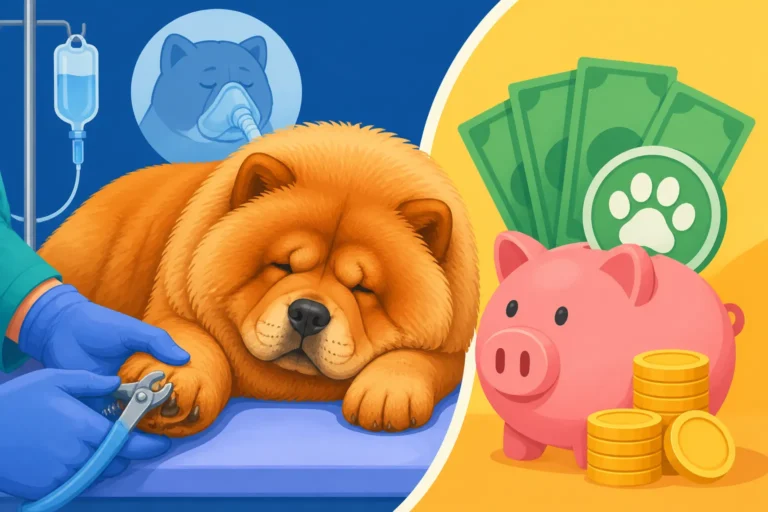
- Unexpected Illnesses or Injuries: This is where costs can skyrocket. Chow Chows can be susceptible to certain breed-specific issues like entropion, elbow and hip dysplasia, and autoimmune conditions. Surgeries, ongoing medications, or emergency visits can easily run into thousands of dollars. For instance, treating a severe case of Glaucoma Can Blind a Chow Chow in Days can be incredibly expensive and requires immediate, specialized care.
- Pet Insurance: This is where a good pet insurance plan can be a lifesaver. Companies like Healthy Paws offer various plans that can help mitigate the financial impact of unexpected veterinary emergencies, illnesses, and even some routine care, depending on the coverage. Investing in pet insurance when your Chow Chow is young and healthy can be a smart financial decision, potentially saving you from tough choices down the road. It’s definitely worth researching Whether Insurance Covers a Chow Chow's Entropion as a common Chow Chow health concern.
Don't underestimate these costs. While the initial purchase price might be in the hundreds or low thousands, the lifetime veterinary costs can easily be many times that amount. What an Aging Chow Chow's Bills Look Like can give you a sobering reality check on senior care.
Ongoing Expenses: Food, Grooming, and Supplies
Beyond veterinary care, the day-to-day and monthly expenses of owning a Chow Chow are substantial and add up over their 8-12 year lifespan.
- Nutrition: A quality diet is paramount for a Chow Chow's health, coat, and overall well-being. Given their unique digestive systems and sometimes sensitive stomachs, choosing premium dog food is often recommended. Brands like Ollie offer fresh, customized meal plans that can be excellent for Chows, though they come at a higher price point. Even high-quality kibble from trusted sources like Chewy's selection can be a significant monthly expense. You might be surprised to learn What a Chow Chow's Monthly Food Bill Runs. Feeding a Chow Chow properly means investing in their health from the inside out.
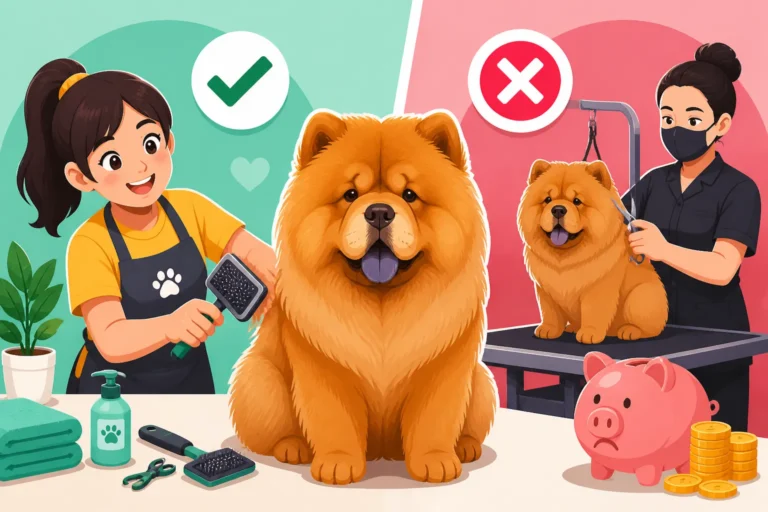
- Grooming: Chow Chows, especially the rough-coated variety, are known for their magnificent double coats. This coat requires meticulous and regular grooming to prevent mats, skin issues, and excessive shedding. While you can do much of the grooming yourself at home, professional grooming is often necessary for thorough coat maintenance, especially during their twice-yearly "coat blows." What Professional Grooming Costs for a Chow Chow can be quite substantial, particularly because of their dense fur and sometimes challenging temperament with strangers. Even if you do it yourself, you'll need quality tools like brushes, combs, and a high-velocity dryer, which is an initial investment.
- Supplies and Training: Factor in costs for a sturdy crate, comfortable bedding, leashes, collars, toys, and ongoing training classes. Chow Chows, with their independent nature, benefit immensely from early and consistent positive reinforcement training. While they may bond closely with one person, as explored in The Chow Chow Bonds to One Person and Tolerates the Rest, their unique temperament means training is an ongoing journey.
- Miscellaneous: Don't forget other costs like treats, waste bags, dog walking services if you work long hours, boarding or pet sitting for vacations, and licensing fees. These smaller expenses quickly accumulate. Overall, Whether a Chow Chow Is Expensive to Own is a question with a resounding "yes" when you consider the full picture.
Ultimately, while the initial price influenced by a Chow Chow's color is a factor, it's a minor one compared to the decade-plus commitment to their health, well-being, and daily needs. Responsible ownership is a marathon, not a sprint, and preparing for the comprehensive financial journey is key to a happy life with your Chow Chow.
Disclaimer
This article is for general informational purposes only and does not constitute professional advice. Laws, prices and regulations vary by location and change over time. Consult a qualified professional for guidance on your specific situation.