What Adopting a Chow Chow Costs
Bringing a Chow Chow into your life through adoption is a truly wonderful and selfless act, but let's be realistic – it's also a significant financial commitment. Many prospective owners get caught off guard by the total expense, thinking the adoption fee is the main hurdle. This comprehensive guide will walk you through the real costs involved in adopting a Chow Chow, from the initial fee to the unexpected expenses, helping you budget wisely and ensure you're truly prepared for everything this magnificent breed entails.
Understanding the Initial Adoption Fee
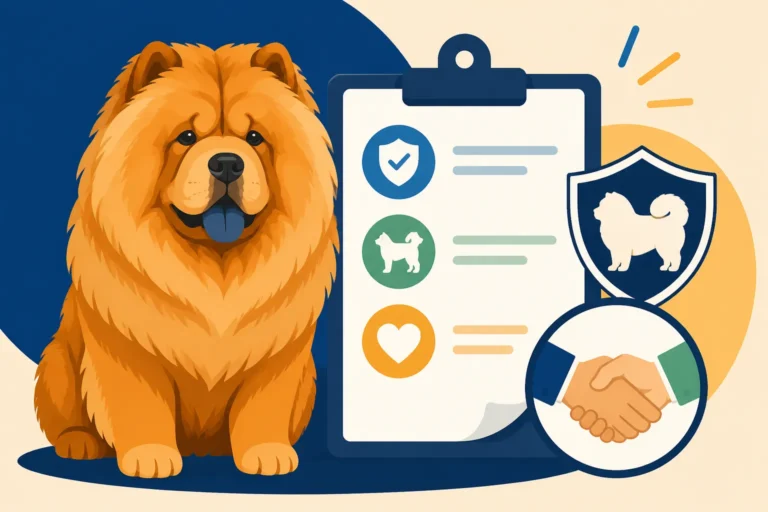
When you choose to adopt a Chow Chow from a reputable rescue organization, you're not just getting a dog; you're supporting the often-heroic work of people dedicated to saving and rehoming these incredible animals. The adoption fee, while an upfront cost, is usually a fraction of what the rescue has already invested in the dog's well-being. It's important to understand that this fee isn't about making a profit; it's about recovering some of the expenses incurred in preparing your new family member for their forever home.
What the Adoption Fee Typically Covers
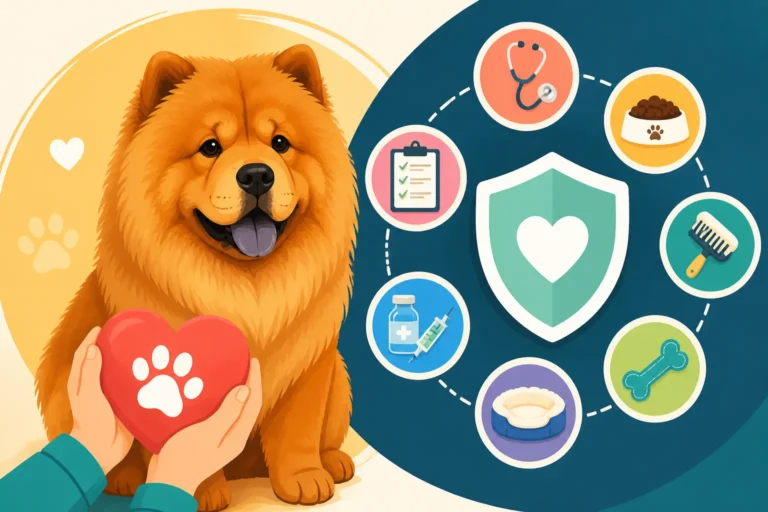
Rescue organizations go to great lengths to ensure their Chows are healthy, socialized, and ready for adoption. A standard adoption fee generally covers a range of essential veterinary care and support. This almost always includes a full veterinary check-up, ensuring the dog is in good physical condition before going home with you. It also covers age-appropriate vaccinations, like distemper, parvovirus, and rabies, protecting your Chow Chow from common diseases. Most reputable rescues will also spay or neuter every animal before adoption, which is a major surgery and a significant cost if you were to do it yourself. This prevents accidental litters and can reduce certain health risks later in life.
Beyond the basic medical care, the fee often helps cover microchipping, which is crucial for identification if your Chow ever gets lost, and sometimes initial deworming or flea and tick treatments. Many rescues invest in basic behavioral assessments and sometimes even professional training to address common issues or to better understand the dog's temperament, helping them match the right Chow with the right family. This often includes food, housing, and general care during their stay at the rescue. When you consider the true value of all these services, the adoption fee starts to look much more reasonable.
Why Adoption Fees Vary So Much
You might notice a wide range in adoption fees, even within the same breed or region. Several factors contribute to this variability. For instance, younger Chow Chow puppies often command higher fees because their care costs more due to multiple rounds of vaccinations and sometimes more intensive socialization efforts. They are also generally in higher demand. Conversely, senior Chow Chows or those with known medical conditions might have lower fees, or sometimes no fee at all, to encourage adoption for dogs that are harder to place. This is part of the compassionate approach many rescues take.
The location of the rescue can also play a role, as veterinary costs and operational expenses differ across states and cities. A rescue operating in a high-cost-of-living area will naturally have higher overheads. Furthermore, some specialized breed-specific rescues might have slightly higher fees due to the specific, often extensive, health needs prevalent in certain breeds, or the specialized diet and care they might provide. For a comprehensive look at what you might expect, you might be interested in our article on What a Rescue Chow Chow Costs to Take On. Always ask the rescue for a breakdown of what their adoption fee includes; transparency is a good sign.
The Essential "Welcome Home" Costs
Once you've paid the adoption fee and your new Chow Chow is ready to come home, your financial journey has only just begun. The first few weeks and months are crucial for setting up your Chow for success, and that involves providing all the necessary creature comforts and safety measures. These initial "welcome home" costs can add up quickly, so it's wise to have a budget set aside specifically for this phase.
Stocking Up on Supplies and Food
Bringing a new dog home means a trip to the pet store, or perhaps an online order from retailers like Chewy, to gather all the essentials. First and foremost, you'll need a good quality dog food. Chow Chows can sometimes be particular eaters, or have sensitive stomachs, so don't just grab the cheapest bag. Research reputable brands that offer balanced nutrition, or consider options like Ollie for fresh, human-grade food delivery if you're looking for a higher-end diet. The cost here will depend heavily on the quality and type of food you choose, and remember that senior Chows might need specialized diets.
Beyond food, you'll need food and water bowls, a sturdy leash and collar or harness (Chows are strong, so durability is key!), and a comfortable dog bed. Given their dense coats, Chows often appreciate a cooler sleeping surface, so a cooling mat might be a worthy investment, especially if you live in a warmer climate. Don't forget grooming tools; a good slicker brush, undercoat rake, and a sturdy comb are non-negotiables for keeping their magnificent coat free of mats and reducing shedding. Toys are also important for mental stimulation and bonding, but choose durable ones as Chows can be powerful chewers.
Preparing Your Home for a Chow Chow
Beyond the tangible supplies, there's the cost and effort of making your home safe and comfortable for your new arrival. This includes puppy-proofing (even if you're adopting an adult, it's a good idea to secure anything valuable or dangerous within reach), which might involve buying baby gates, securing electrical cords, and moving toxic plants. Many Chow Chow owners opt for a crate, which can be invaluable for housetraining and providing a safe den for your dog. A crate large enough for a Chow Chow can be a significant upfront expense.
You'll also need to consider your outdoor space. A secure, fenced yard is highly recommended for Chows, as their independent nature and strong prey drive mean they can easily wander off if not contained. If your fencing isn't up to par, the cost of repairs or installation can be substantial. Even if you have a secure yard, your Chow will still need regular walks, so comfortable walking shoes for you are also part of the budget! Thinking ahead about things like dog walking services or pet sitters for when you're away is also a good idea; while not an immediate cost, it's part of the overall ownership picture.
Navigating First-Year Veterinary Care
Even with a healthy adopted Chow Chow, the first year of veterinary care goes beyond the basic vaccinations and spay/neuter surgery covered by the adoption fee. There will be initial check-ups, follow-up visits, and the potential for addressing any underlying health concerns that may surface. It’s crucial to have a realistic understanding of these costs to ensure your Chow receives the best possible care from day one.
Initial Vet Visits and Health Checks
Your rescue organization will provide records of your Chow Chow's medical history, but it's always a good idea to schedule an introductory visit with your own veterinarian shortly after adoption. This initial check-up allows your vet to establish a baseline for your Chow's health, review their previous records, and discuss any immediate concerns you might have. They'll perform a thorough physical exam, check for parasites, and ensure your Chow is settling in well. This visit might involve additional fecal tests or blood work, especially if the rescue’s records are incomplete or if your vet identifies something that warrants further investigation.
During this first year, your Chow Chow might need booster shots for certain vaccinations, particularly if they were a puppy when adopted, or if there's a gap in their vaccination history. Your vet will also advise you on preventative medications, such as heartworm prevention, which is a monthly cost, and ongoing flea and tick control. These medications are vital for keeping your Chow healthy and happy, but they represent a recurring expense that many new owners overlook in their initial budgeting. It’s also wise to discuss diet and exercise, as maintaining a healthy weight is crucial for a breed prone to orthopedic issues like Hip Dysplasia in a Chow Chow.
Spaying/Neutering and Vaccinations
While most reputable Chow Chow rescues will handle spaying or neutering before adoption, it's not always the case, especially if you adopt a very young puppy or from a less rigorous organization. If your adopted Chow arrives unspayed or unneutered, this will be one of the most significant upfront veterinary costs. The procedure itself involves surgery, anesthesia, and post-operative care, and the price can vary depending on your location and your veterinarian's fees. Our article on What Spaying or Neutering a Chow Chow Costs delves deeper into these expenses.
Beyond this, remember that vaccinations are not a one-and-done deal. Your Chow will need annual or triennial booster shots for certain diseases, as well as regular rabies vaccinations as required by law. These routine preventative measures are essential for your Chow's long-term health and for meeting community health guidelines. Factor these into your yearly budget, as they are a fundamental part of responsible pet ownership.
Addressing Pre-existing Conditions
One of the compassionate reasons people adopt is to give a loving home to dogs who might have faced hardships. Sometimes, this means adopting a Chow Chow with a known pre-existing condition. While the rescue should be transparent about any health issues, new ones can sometimes emerge or require ongoing management. Chow Chows, for example, are notably prone to certain eye conditions like entropion. Our guide on The Entropion Surgery Every Chow Chow Owner Should Budget For can give you an idea of the costs associated with this common procedure. Even if the rescue has already addressed it, a second surgery is sometimes needed, or there could be long-term management of eye discomfort.
Other potential issues might include hip or elbow dysplasia, which can require ongoing medication, physical therapy, or even surgery later in life. Autoimmune conditions, skin allergies, or even dental problems are also possibilities. These conditions can lead to specialist veterinary visits, diagnostic tests, medications, and potentially costly surgeries. This is where pet insurance, like plans offered by Healthy Paws, can be an absolute lifesaver. While it's an additional monthly premium, it can significantly mitigate the financial strain of unexpected and expensive medical treatments, allowing you to focus on your Chow Chow's recovery without the added stress of crushing vet bills.
Budgeting for Ongoing Monthly Expenses
After the initial adoption and setup costs, you settle into a routine, but that routine comes with its own set of regular financial demands. These ongoing monthly expenses form the backbone of your Chow Chow ownership budget. Being prepared for these recurring costs will help ensure your Chow Chow enjoys a consistent quality of life without you feeling constantly surprised by bills.
Food and Treats
Food is undeniably one of the largest ongoing expenses for any dog owner, and a Chow Chow is no exception. While they may not eat as much as some larger breeds might suggest given their compact, sturdy build, providing high-quality nutrition is paramount for their health and well-being. The exact cost will fluctuate based on the brand, type of food (kibble, wet, fresh, raw), and your Chow's individual dietary needs. A bag of premium kibble might last a month or more, but if your Chow has allergies or sensitivities, you might opt for specialized diets or fresh food services like Ollie, which can increase the monthly outlay.
Don't forget treats! Training treats are essential for positive reinforcement, and dental chews can help maintain good oral hygiene. These add to the monthly grocery bill. It’s important to remember that a Chow Chow's appetite can sometimes be deceptive due to their thick coat, so regularly checking their weight and body condition is essential. Our article on How Much an Adult Chow Chow Eats can provide more specific guidance on typical consumption. Balancing quality with cost is key here, and platforms like Chewy often offer subscription services that can make budgeting and delivery more convenient.
Grooming Needs, Professional vs. Home
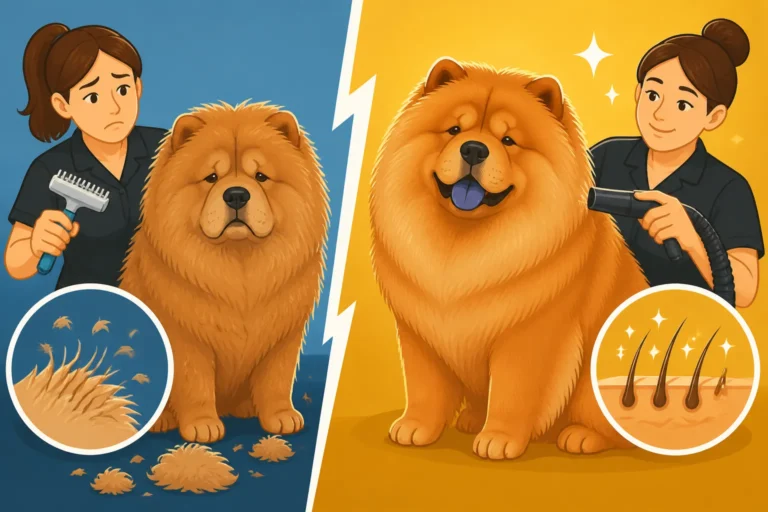
A Chow Chow's magnificent double coat is a hallmark of the breed, but it's also a significant grooming commitment. Whether you choose to tackle it yourself or employ professional groomers will heavily influence your monthly budget. A rough-coated Chow Chow, in particular, requires diligent brushing several times a week to prevent mats and keep the undercoat healthy. Even smooth-coated Chows need regular attention. Investing in quality grooming tools – a slicker brush, undercoat rake, and a high-velocity dryer – can be an initial expense, but it can save you a lot in professional grooming fees over the years.
If you opt for professional grooming, expect regular appointments every 6-8 weeks, with increased frequency during their twice-yearly "coat blow" seasons. The cost of a professional groom for a Chow Chow is often higher than for many other breeds due to the sheer volume of coat, the time it takes, and sometimes a "handling fee" due to the breed's sometimes reserved nature. These costs can vary widely depending on your location and the specific services requested. For more detail, you can read our insights on What Professional Grooming Costs for a Chow Chow. Even if you groom at home, remember that shampoo, conditioner, and ear cleaner will be recurring purchases.
Pet Insurance Premiums
Pet insurance, while an ongoing monthly expense, is an investment in peace of mind. As we discussed with pre-existing conditions, unexpected illnesses or accidents can lead to veterinary bills soaring into the thousands very quickly. Chow Chows, like many purebreds, are predisposed to certain health conditions that can become very expensive to treat. While it may feel like an extra bill, pet insurance helps ensure you can always afford the best possible care for your Chow Chow without having to make heartbreaking financial decisions.
The cost of pet insurance premiums varies based on several factors: your Chow's age, breed, your location, the type of plan you choose (accident-only, accident & illness, or comprehensive), and the deductible and reimbursement percentage you select. Providers like Healthy Paws offer various plans. It's important to research different providers and understand what's covered and what isn't, especially concerning hereditary or congenital conditions. Getting insurance when your Chow Chow is young and healthy will often result in lower premiums and fewer pre-existing condition exclusions.
Anticipating Potential Unexpected Costs
Even with the best planning, life with a Chow Chow will inevitably throw some financial curveballs your way. These unexpected costs aren't always easy to predict, but understanding the common culprits can help you build a buffer into your budget, ensuring you're not completely blindsided when they arise.
Behavioral Training and Socialization
Chow Chows are known for their independent and sometimes aloof personalities. While this is part of their charm, it also means that early and consistent socialization and training are absolutely critical. An undersocialized Chow Chow can develop behavioral issues that are not only challenging to live with but also costly to address. Puppy classes are an excellent investment, even if your adopted Chow is an adult, as it provides a structured environment for learning and exposure. These classes come with a fee, of course, but it's money well spent for a well-adjusted dog.
If your Chow Chow exhibits specific behavioral challenges, such as reactivity towards other dogs or guarding behavior, you might need to enlist the help of a professional dog trainer or a certified canine behaviorist. Their services can range from private one-on-one sessions to specialized group classes, and they can be a significant expense. However, addressing these issues proactively is far more beneficial and often less costly in the long run than dealing with the fallout of unchecked behavior. Our article on Whether a Chow Chow Needs a Professional Trainer Early offers more insights into this topic.
Emergency Vet Visits and Chronic Conditions
This is where the "unexpected" really hits hard. No one wants to imagine their beloved Chow Chow in an emergency, but accidents and sudden illnesses happen. Bloat, for instance, is a life-threatening condition that can affect deep-chested breeds like the Chow Chow and requires immediate, expensive veterinary intervention. Our article Whether a Chow Chow Bloats details the risks. Other emergencies could include ingesting something toxic, a sudden injury, or a rapid onset of a serious illness. These situations often involve emergency clinic fees, diagnostics, medications, and potentially surgeries that can easily run into thousands of dollars.
Beyond emergencies, some Chow Chows may develop chronic health conditions over time that require ongoing medical management. This could be anything from allergies needing regular medication, to arthritis requiring joint supplements and pain management, or even an autoimmune disease. These conditions necessitate frequent vet visits, continuous prescriptions, and sometimes specialized diets or therapies. This is another area where pet insurance can provide a crucial financial safety net. Without it, these ongoing costs can place an immense burden on your household budget, especially when you consider that What an Aging Chow Chow's Bills Look Like can climb significantly later in life.
Damage and Liability Concerns
A Chow Chow, with its strong guarding instincts and sometimes reserved nature, can inadvertently lead to property damage or even liability concerns. This isn't to say every Chow will cause problems, but responsible ownership includes preparing for the possibility. If your Chow develops separation anxiety, for example, they might chew furniture, scratch doors, or damage other household items, leading to repair or replacement costs. Their strong bite force means even playful chewing can do significant damage.
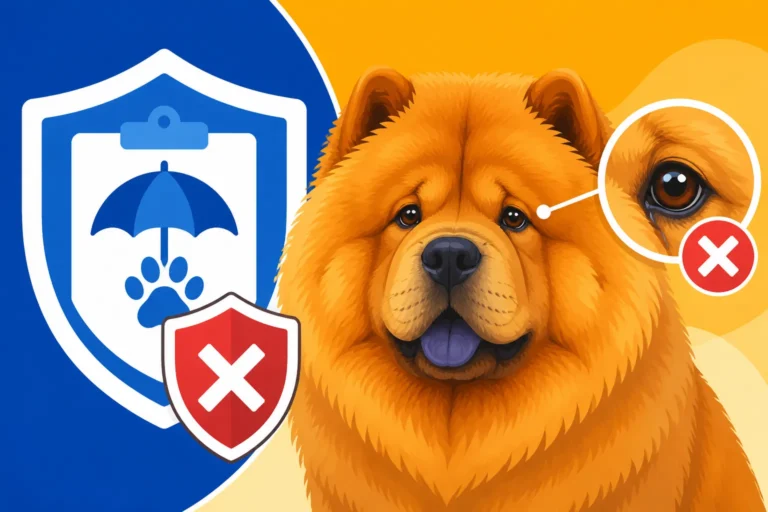
More seriously, due to their protective nature and powerful build, some homeowner's insurance companies may list Chow Chows as a "restricted" or "high-risk" breed. This can sometimes lead to higher premiums, or in some rare cases, even a refusal of coverage. It's crucial to check with your insurance provider before adopting to understand their policies regarding specific breeds. In the unfortunate event that your Chow Chow bites someone or causes significant property damage outside your home, you could face substantial legal and medical costs. Some owners opt for separate liability insurance specifically for their dogs to protect against these worst-case scenarios. Being proactive about training and socialization can mitigate many of these risks, but it's still wise to be aware of the potential financial implications.
The Long-Term Financial Commitment of Chow Chow Ownership
Adopting a Chow Chow isn't just a short-term financial outlay; it's a commitment that typically spans The Eight to Twelve Years a Chow Chow Gets, or sometimes even longer. Thinking about the total cost over their lifetime might seem daunting, but it’s essential for a realistic understanding of what you’re signing up for. This long-term perspective helps you prepare for the financial journey ahead and ensure you can provide a loving, stable home for your Chow for their entire life.
Calculating Lifetime Costs
When you combine the adoption fee, initial supplies, annual vet visits, ongoing food and treats, grooming, and potential unexpected expenses, the lifetime cost of owning a Chow Chow can be quite substantial. Even if you're diligent about home grooming and your Chow is generally healthy, routine care for a decade can quickly add up. Consider annual wellness exams, dental cleanings (often requiring sedation for a Chow Chow due to their temperament and deep-set mouth), parasite prevention, and the cost of replacing worn-out beds, toys, and leashes.
Factoring in potential training classes, boarding fees for vacations, or even the costs associated with keeping them cool in warmer climates (like increased air conditioning bills or cooling vests, as discussed in Whether a Chow Chow Needs Air Conditioning), the numbers can become eye-opening. While it's impossible to give an exact figure, preparing for expenses that could easily run into five figures over their lifetime is a responsible approach. This isn't meant to discourage, but rather to empower you with knowledge so you can make an informed decision and budget effectively.
Is a Chow Chow Right for Your Budget?
Ultimately, the question of "What Adopting a Chow Chow Costs" boils down to whether you are truly prepared for the financial realities of responsible ownership. Chow Chows are magnificent companions, but they do come with unique needs and potential health predispositions that can make them more expensive than some other breeds. Their dense coats require significant maintenance, their independent nature often benefits from professional training, and their deep-set eyes and sturdy build can lead to specific veterinary concerns.
For a deeper dive into whether this breed aligns with your financial situation, you might find our article Whether a Chow Chow Suits a First Time Owner's Budget particularly helpful. It’s important to assess not just your current financial standing, but also your ability to absorb unexpected costs. Do you have an emergency fund? Are you willing to invest in pet insurance? Can you commit to ongoing preventative care? Adopting a Chow Chow is a joyous decision, but it's one that should be made with eyes wide open to the full spectrum of the financial commitment involved, ensuring both you and your future companion thrive.
Here's a quick summary of potential annual costs to help you visualize:
| Category | Estimated Annual Cost Range (Low) | Estimated Annual Cost Range (High) | Notes |
|---|---|---|---|
| Food & Treats | Moderate | High | Varies by diet quality (kibble vs. fresh like Ollie) and appetite. |
| Routine Vet Care | Moderate | High | Includes exams, vaccinations, parasite prevention. |
| Grooming | Low (Home) | High (Professional) | Significantly higher for rough coats, includes products or salon visits. |
| Pet Insurance | Moderate | High | Premiums vary by age, plan, and provider (e.g., Healthy Paws). |
| Supplies (replacements) | Low | Moderate | Toys, beds, leashes, waste bags. |
| Training/Behavior | Low (Self-guided) | High (Pro trainer) | Puppy classes or addressing specific behavioral issues. |
| Miscellaneous/Buffer | Moderate | High | Unexpected vet bills, emergency fund, sitter fees, damages. |
This table is a generalized estimation; actual costs will vary based on your Chow Chow's specific needs, your choices in products and services, and your geographic location.
Disclaimer
This article is for general informational purposes only and does not constitute professional advice. Laws, prices and regulations vary by location and change over time. Consult a qualified professional for guidance on your specific situation.