What an Eye Certification Costs on a Chow Chow
Bringing a Chow Chow into your life is a joy, but it also comes with a significant responsibility to safeguard their unique health needs. One area that often causes concern and confusion for prospective and current owners is eye health, specifically the cost and process of getting proper eye certification. It can feel like a maze of appointments and fees, but understanding what an eye certification entails and what it typically costs is essential for ensuring your furry companion's well-being and your peace of mind.
Why Eye Health Certification is Non-Negotiable for Chow Chows
Let's be honest, few breeds capture hearts quite like the Chow Chow with their lion-like mane, deep-set eyes, and distinctive blue-black tongue. But beneath that adorable scowl and fluffy exterior lies a predisposition to certain health conditions, particularly concerning their eyes. As a Chow Chow owner or someone considering bringing one into your home, understanding these risks and the importance of proactive health management, like eye certification, is paramount. It’s not just about spending money; it's about setting your dog up for a lifetime of comfort and clear vision.
The Unique Eye Structure of the Chow Chow
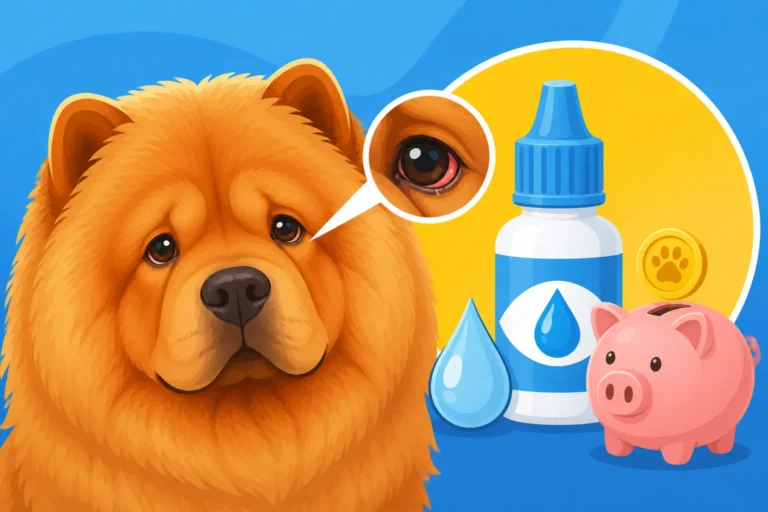
Chow Chows have those lovely, almond-shaped, deep-set eyes that contribute so much to their unique expression. While beautiful, this very structure can be a double-edged sword. Their deep-set eyes, combined with the breed's characteristic facial folds and abundant fur, can create an environment ripe for certain ocular issues. This isn't a fault of the dog, but rather a breed-specific trait that requires careful monitoring and, often, early intervention. Many owners might not even realize that their Chow's charming "scowl" is partly due to these deep-set eyes, and this can mask underlying problems.
One of the most common issues stemming from this unique anatomy is entropion, where the eyelid rolls inward, causing eyelashes and fur to rub against the cornea. Imagine having a constant irritant in your eye – it's incredibly painful and can lead to severe damage. Entropion Is the Chow Chow's Signature Problem and Why a Chow Chow's Deep Set Eye Causes Trouble really highlight just how prevalent and impactful this condition can be for our Chows. Early certification often spots this problem, allowing for a clearer path to treatment.
Common Ocular Conditions in the Breed
Beyond entropion, Chow Chows are unfortunately susceptible to a range of other eye conditions that can diminish their quality of life if not caught and managed. Glaucoma, for instance, is another serious concern, capable of causing blindness rapidly if left untreated. This condition involves increased pressure within the eye, which can be excruciating. It's a true emergency. Glaucoma Can Blind a Chow Chow in Days is not an exaggeration; it really can happen that fast.
Other conditions to watch out for include distichiasis (extra eyelashes growing from the eyelid margin), cataracts (clouding of the lens), and progressive retinal atrophy (PRA), which gradually leads to blindness. While some of these might not manifest in puppyhood, early screenings can identify predispositions or subtle signs that warrant ongoing vigilance. For breeders, this certification is a crucial tool to make informed decisions and prevent passing on these genetic vulnerabilities. For pet owners, it’s a vital baseline to monitor changes in their dog’s vision or comfort. This proactive approach can make all the difference, potentially saving your Chow Chow from unnecessary pain and you from unexpected, higher treatment costs down the line.
Understanding the Eye Certification Process
When you hear "eye certification," it might sound intimidating, but in essence, it's a specialized, thorough eye examination performed by a veterinary ophthalmologist. This isn't just your regular vet check-up; it's a deep dive into the health of your Chow Chow's eyes, looking for any hereditary or acquired conditions. Think of it as a comprehensive health report specifically for their vision, providing valuable insights for both current care and future breeding decisions.
Who Performs the Examination and What It Entails
The individual qualified to perform an official eye certification for registration purposes (such as those recognized by the Orthopedic Foundation for Animals, or OFA, which partners with the American College of Veterinary Ophthalmologists, ACVO) is a board-certified veterinary ophthalmologist. These specialists have undergone extensive additional training beyond veterinary school, focusing entirely on diseases and conditions of the eye. They possess the specialized knowledge and equipment to conduct a meticulous examination that a general veterinarian might not.
During the examination, the ophthalmologist will typically:
- Review history: They'll discuss your Chow's medical history, any observed eye issues, and family history if known.
- External examination: A close look at the eyelids, surrounding facial structures, and general eye appearance, checking for conditions like entropion or ectropion (where the eyelid rolls outward).
- Schirmer tear test: Measures tear production, which is important for diagnosing dry eye.
- Tonometry: Measures the internal pressure of the eye to screen for glaucoma. This is incredibly important for Chow Chows. How a Chow Chow's Eye Pressure Is Measured explains why this simple test is a lifesaver.
- Pupil dilation: Eye drops are used to dilate the pupils, allowing the ophthalmologist to see the back of the eye more clearly.
- Ophthalmoscopy: Using specialized lenses and lights, the ophthalmologist examines the retina, optic nerve, and other internal structures for signs of disease like PRA or cataracts.
- Slit lamp biomicroscopy: A powerful microscope that allows for a magnified, detailed view of the cornea, lens, iris, and vitreous humor.
This comprehensive approach ensures that subtle issues, which might otherwise go unnoticed until they become severe, are detected early. The ophthalmologist then records their findings on an official form, often submitting it to a registry like OFA.
The Importance of Regular Eye Exams
While the initial certification is crucial, it's not a one-and-done deal for a breed like the Chow Chow. Given their predispositions, Whether a Chow Chow Needs a Yearly Eye Exam becomes a very relevant question. Many hereditary conditions can develop or progress with age, even if initial screenings are clear. For breeding dogs, annual certifications are generally recommended to ensure ongoing soundness and to provide the most up-to-date health information for potential offspring.
For pet Chows, your general veterinarian can perform routine eye checks during annual wellness exams. However, if any concerns arise, or if your Chow has previously identified predispositions, a follow-up with a veterinary ophthalmologist is always the best course of action. Vigilance is key – things like excessive tearing, squinting, redness, or cloudiness in the eye should always prompt a call to your vet. You know your dog best, and noticing these subtle Signs a Chow Chow Has Entropion can literally save their sight and prevent a lot of discomfort.
Deconstructing the Costs Associated with Chow Chow Eye Certification
Now, let's talk about the part that often gives us pause: the cost. It’s natural to worry about veterinary bills, especially when they involve specialists. The cost of an eye certification for a Chow Chow isn't a fixed price tag you'll find uniformly across the board; it's influenced by several factors. However, understanding these components can help you prepare financially and make informed decisions.
Standard Examination Fees
The primary component of the cost will be the specialist's fee for the examination itself. This covers the ophthalmologist’s time, expertise, and the use of their specialized equipment. Because you're seeing a highly trained specialist, their fees are typically higher than a general vet visit. This isn't a reflection of greed but rather the significant investment in education, equipment, and maintaining a specialty practice.
These fees can vary geographically, with metropolitan areas generally having higher costs than rural ones. The reputation and demand for a particular ophthalmologist can also play a role. While I can't give you exact numbers, expect the cost to be in a range that reflects specialized veterinary care. It's always a good idea to call the veterinary ophthalmology clinic ahead of time and ask for their current fee schedule for an ACVO/OFA eye certification. Sometimes, clinics offer slight discounts if multiple dogs from the same household or breeding program are examined on the same day.
Additional Tests and Potential Follow-Up Costs
While the core certification exam is comprehensive, sometimes the ophthalmologist might recommend additional tests based on their findings or if they suspect a specific underlying issue. These might include:
- Gonioscopy: A specialized examination of the drainage angle of the eye, particularly relevant for breeds prone to glaucoma like the Chow Chow.
- Electroretinography (ERG): A diagnostic test that measures the electrical responses of the cells in the retina, used to diagnose conditions like PRA.
- Ultrasound of the eye: If the internal structures are difficult to visualize due to cataracts or other opacities.
Each of these additional tests will incur its own separate charge, adding to the overall cost. It's important to discuss the necessity and cost of any recommended additional procedures with the ophthalmologist before proceeding.
Furthermore, if a condition is diagnosed, such as entropion, the cost of the initial certification pales in comparison to the cost of surgical correction. What Entropion Surgery Costs on a Chow Chow is a significant expense, and while catching it early can sometimes mean a less invasive procedure, it's still a major financial commitment. This is where having pet insurance, such as through providers like Healthy Paws, can be an absolute lifesaver. While most policies won't cover pre-existing conditions, insuring your Chow early can help cover unexpected issues found after the policy is in effect. Knowing that a potential condition like A Corneal Ulcer Does to a Chow Chow can develop if entropion goes untreated, and the subsequent costs involved, underscores the financial prudence of regular check-ups and insurance.
Factors Influencing the Final Bill
Beyond the base fees and additional tests, several other factors can subtly influence your final bill:
- Geographic location: As mentioned, costs are higher in areas with a higher cost of living.
- Clinic reputation and size: Larger, more specialized clinics or university veterinary hospitals may have slightly higher rates but also offer access to the latest technology and multiple specialists.
- Sedation: While many Chow Chows are cooperative, some may require light sedation to ensure a thorough and stress-free examination, especially if they are particularly nervous or resistant to handling. This will add to the cost, as it involves the sedative medication and monitoring by veterinary staff. Whether a Chow Chow Needs Sedation for a Checkup is a valid question for many owners given the breed's sometimes stoic nature.
- Emergency vs. scheduled appointment: While eye certifications are typically scheduled, if you're bringing your Chow in for an emergency eye issue that then leads to an informal screening, emergency fees will apply.
| Examination Component | Description | Cost Implication |
|---|---|---|
| Specialist Exam Fee | Comprehensive examination by a board-certified veterinary ophthalmologist. | Base cost, varies by region and clinic. |
| Tonometry | Measures eye pressure (glaucoma screening). Usually included in exam, but sometimes listed separately. | Potentially a small separate charge or bundled. |
| Schirmer Tear Test | Measures tear production (dry eye screening). Often bundled. | Usually a small separate charge or bundled. |
| Pupil Dilation Drops | Essential for internal eye examination. | Typically bundled into the exam fee. |
| Gonioscopy | Examination of eye's drainage angle. | Additional charge if performed. |
| Electroretinography (ERG) | Tests retinal function. | Significant additional charge, only done if specific retinal disease is suspected. |
| Sedation | If your Chow Chow requires calming medication for the exam. | Additional charge for medication and monitoring. |
| Follow-up Appointments | If a condition is found requiring re-evaluation. | Separate appointment fees, potentially including medication costs (e.g., eye drops for glaucoma). |
Considering these factors, it’s clear that budgeting for eye certification and potential follow-up care requires a realistic understanding of what's involved.
The Long-Term Value of Certified Eye Health
Investing in your Chow Chow's eye health certification might seem like an upfront expense, but it's truly an investment in their long-term well-being and, frankly, in your wallet as well. This isn't just a piece of paper; it's a foundation for responsible ownership, providing peace of mind and guiding future decisions.
For Responsible Breeding Practices
For dedicated Chow Chow breeders, eye certification isn't optional; it's a fundamental part of ethical breeding. A certified clear eye exam demonstrates a commitment to the breed's health and helps ensure that genetic conditions with known hereditary links are not knowingly passed down to future generations. This helps reduce the incidence of painful and blinding diseases like entropion and glaucoma in the breed as a whole. What a Chow Chow Breeder Should Have Tested provides a more complete picture of the health screenings responsible breeders undertake.
Breeders who consistently screen their dogs and provide documentation (like OFA/ACVO certificates) are doing their part to improve the breed's health. For prospective puppy buyers, seeing these certifications from a breeder is a strong indicator of their commitment and can help you feel more confident about the health trajectory of your future puppy. It’s part of the reason why a well-bred Chow Chow from health-tested parents costs more – you’re paying for the breeder's investment in health and quality.
For Pet Owners: Early Detection and Peace of Mind
Even if you have no intention of breeding your Chow Chow, an eye certification offers immense value. The most significant benefit is early detection. Catching conditions like entropion or glaucoma in their early stages can mean the difference between minor intervention and major surgery, or even saving your dog's eyesight. For instance, if entropion is detected early in a puppy, eyelid tacking might be a temporary solution until the puppy matures, potentially reducing the need for more extensive surgery later. When a Chow Chow Puppy Gets Eyelid Tacking is an example of such early intervention.
Early detection also allows you to begin treatment sooner, often preventing the condition from worsening or leading to secondary complications, such as corneal ulcers. Treating a minor corneal abrasion, perhaps with medicated drops or ointments from a pet pharmacy like Chewy, is far less costly and stressful than dealing with a severe ulcer that might require specialized surgical intervention. Preventative care, including quality nutrition from brands like Ollie, can support overall health and resilience, though it's no substitute for professional veterinary eye exams.
Ultimately, knowing your Chow Chow's eyes are healthy, or having a clear understanding of any potential issues, brings significant peace of mind. You’re being proactive, responsible, and doing everything you can to ensure your loyal companion enjoys a life with clear vision and minimal discomfort. It's about protecting their comfort and avoiding future heartache, making the cost of certification a small price for such an invaluable outcome.
Disclaimer
This article is for general informational purposes only and does not constitute professional advice. Laws, prices and regulations vary by location and change over time. Consult a qualified professional for guidance on your specific situation.