Whether a Red Chow Chow Is the Cheapest
One of the most common questions I hear from folks looking to bring a Chow Chow into their lives revolves around cost, and it often comes with a specific query: "Is a red Chow Chow cheaper?" It's a natural thought to wonder if coat color affects the price tag, much like it might for other breeds or even luxury goods. However, the reality of Chow Chow pricing is a bit more nuanced than just the shade of their fur. This guide will dive deep into what truly influences the cost of a Chow Chow, dispel myths about color-based pricing, and help you understand the significant long-term financial commitment that comes with these magnificent dogs.
Why Coat Color Isn't the Primary Price Driver
It's a common misconception that certain coat colors, like red, might be inherently cheaper or more expensive in the Chow Chow world. Perhaps it's because red is the most widely recognized and frequently seen color, leading some to assume it's more "common" and thus less costly. However, in reputable breeding, a Chow Chow's color itself plays a surprisingly minor role in its price.
Breed Standard and Desirability
The American Kennel Club (AKC) breed standard for Chow Chows recognizes five distinct colors: red, black, blue, cinnamon, and cream. All of these colors are considered equally acceptable, and a well-bred dog in any of these shades is equally desirable from a breed standard perspective. Breeders aren't typically trying to produce one color over another to fetch a higher price, but rather focusing on health, temperament, and conformation to the breed standard across the board. The true value comes from how well the dog embodies the breed's characteristics, not simply its hue.
For instance, a vibrant, rich red Chow Chow with excellent structure and a wonderful disposition from a health-tested line will command a higher price than a poorly bred, health-compromised blue Chow Chow, regardless of the blue's rarity. The rarity of a color like blue or cinnamon might sometimes influence perception, leading to higher asking prices in less reputable circles, but a good breeder prioritizes quality above all. For more on this, you might find Which Chow Chow Colors Cost the Most insightful.
Genetic Probability and Litter Composition
Chow Chow colors are determined by genetics, and reputable breeders understand these patterns. Certain color pairings might statistically produce more reds, for example, but this is a natural outcome of breeding two dogs with known genetic backgrounds, not a strategic effort to produce "cheaper" puppies. A litter might consist of several red puppies, a black, and a cinnamon. The breeder will price each puppy based on its individual quality, health screening of the parents, lineage, and the overall demand for well-bred Chow Chows, not solely on the color of its coat.
Think of it like this: a baker doesn't charge less for a chocolate chip cookie just because it's a popular flavor. They charge based on the quality of ingredients, the skill involved, and the market demand for a delicious cookie. The same applies to Chow Chows; the "ingredients" (parent health, temperament, conformation) and the "skill" (responsible breeding practices) are what truly set the price, not the superficial frosting of color.
What Truly Influences a Chow Chow's Price Tag
If color isn't the main factor, then what really dictates how much you'll pay for a Chow Chow puppy? It boils down to a combination of factors related to the breeder's dedication, the parents' quality, and the overall effort invested in producing healthy, well-socialized puppies.
Reputable Breeder Practices and Health Testing
This is, hands down, the biggest factor. A responsible breeder invests heavily in their dogs and their breeding program. This includes extensive health testing on the parent dogs to screen for genetic conditions common in Chow Chows, such as hip and elbow dysplasia, entropion, and thyroid issues. These tests, performed by veterinary specialists and often certified by organizations like the Orthopedic Foundation for Animals (OFA) and the Canine Eye Registry Foundation (CERF/OFA Eye Certification), are not cheap. A breeder who foregoes these tests might offer a cheaper puppy, but you could be inheriting a lifetime of expensive veterinary bills.
A good breeder will also provide excellent nutrition and care for their breeding dogs and puppies, including proper vaccinations, deworming, and early socialization. They will often keep puppies longer to ensure they are well-adjusted and have received critical early life experiences. All these costs are reflected in the puppy's price. When you see a significantly lower price, it's often a red flag that corners have been cut in these vital areas. You might want to read What a Cheap Chow Chow Puppy Signals for more details on this.
Pedigree, Conformation, and Show Potential
The lineage of a Chow Chow can also impact its price. Puppies from parents with champion bloodlines, particularly those that have excelled in conformation shows, often command higher prices. These dogs are proven examples of the breed standard, demonstrating exceptional health, temperament, and physical characteristics. Breeders invest time and money in showing their dogs, which adds to their prestige and the value of their offspring.
However, it's important to differentiate between a "show quality" puppy and a "pet quality" puppy. Even from a champion line, not every puppy will be destined for the show ring. Pet quality puppies, while still excellent representatives of the breed, might have minor flaws that don't affect their health or temperament but would prevent them from being competitive in shows. These puppies are usually priced slightly lower than their show-potential littermates but are still a product of the same high-quality breeding program. A thorough breeder will be transparent about the quality of each puppy and its potential.
Geographic Location and Demand
Just like real estate, the cost of a Chow Chow can vary depending on where you live. In areas with a high demand for Chow Chows or fewer reputable breeders, prices might be higher. Conversely, in regions with more breeders, you might find slightly more competitive pricing. However, never let location be the only driving factor in your search. Traveling a bit further to find a responsible breeder is always worth it in the long run.
It's also worth noting that the overall market demand for purebred dogs fluctuates. When a breed experiences a surge in popularity, prices can increase across the board. However, for a unique and specific breed like the Chow Chow, consistency in price based on breeder quality tends to be more stable than dramatic swings based on fleeting trends.
Table: Factors Influencing Chow Chow Puppy Price
Here's a quick overview of what generally drives the cost of a Chow Chow puppy:
| Factor | Impact on Price | Explanation |
|---|---|---|
| Breeder Reputation & Ethics | High | Responsible breeders invest in health tests, quality care, socialization, and stand behind their puppies. This is the single largest cost driver. |
| Health Clearances (Parents) | High | Screening for hip/elbow dysplasia, entropion, thyroid, etc., by certified specialists is expensive but crucial for producing healthy puppies and preventing future veterinary bills. |
| Pedigree & Champion Lines | Medium-High | Parents with show titles demonstrate excellent conformation, health, and temperament, adding value to their offspring. |
| Conformation/Show Potential | Medium-High | Puppies deemed "show quality" (best embodying breed standard) will be priced higher than "pet quality" puppies from the same litter. |
| Inclusions with Puppy | Medium | First vaccinations, deworming, microchipping, puppy pack (food, blanket), health guarantee, and initial vet check are typically included and add value. |
| Geographic Location/Demand | Medium | Prices can vary based on regional demand and the number of reputable breeders available in a specific area. |
| Age of Puppy | Low-Medium | Younger puppies (8-12 weeks) are typically full price; older puppies or retired adults from the breeder may be offered at a reduced rehoming fee. |
| Coat Color | Very Low | While rare colors might fetch slightly more from uneducated buyers, reputable breeders price based on quality, not color. Red is common but not inherently cheaper. |
| Registration Type | Low | Full registration (breeding rights) costs more than limited registration (pet only), but this is usually a breeder decision based on the puppy's potential. Whether a Chow Chow Comes on Limited Registration explores this. |
Beyond the Purchase Price: The Real Cost of a Chow Chow
Focusing solely on the initial purchase price, regardless of color, misses the much larger financial picture of Chow Chow ownership. These dogs, while wonderful companions, come with significant ongoing costs that will far outweigh the initial puppy price over their lifetime. It’s crucial to understand these expenses before you bring a Chow Chow home.
Healthcare: A Lifetime Commitment
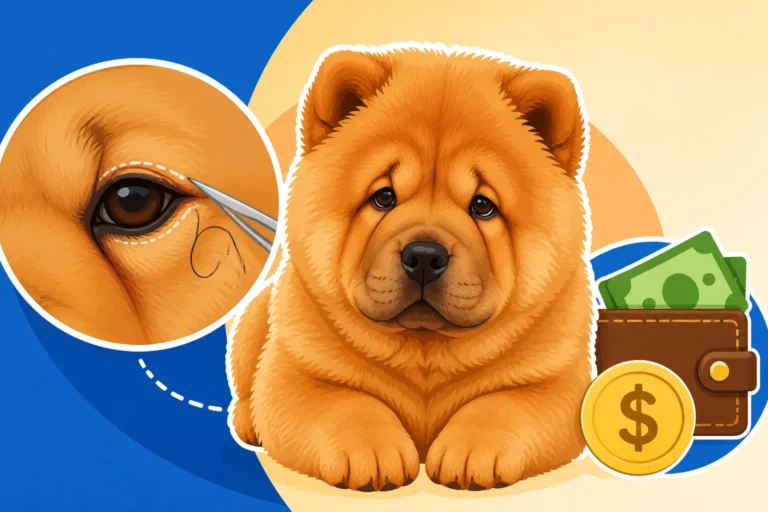
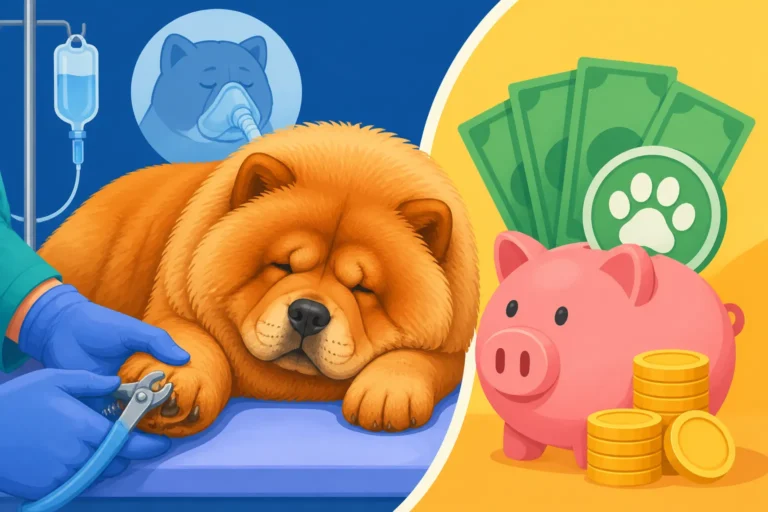
Chow Chows are generally a healthy breed, but they are prone to certain genetic conditions that require careful management and can be costly. As mentioned earlier, entropion is a common issue where the eyelid rolls inward, causing irritation and potentially damaging the cornea. Surgery to correct this can be a significant expense. The Entropion Surgery Every Chow Chow Owner Should Budget For explains this in detail. Other potential health concerns include hip and elbow dysplasia, thyroid issues, and certain autoimmune diseases.
Regular veterinary check-ups, vaccinations, parasite prevention (flea, tick, heartworm), and routine dental care are non-negotiable. As your Chow Chow ages, these costs can increase, especially with potential age-related conditions like arthritis or declining organ function. Investing in pet insurance from a provider like Healthy Paws can be a lifesaver, helping to mitigate the financial impact of unexpected illnesses or accidents. It's truly an investment in your peace of mind and your dog's well-being.
Grooming: A Non-Negotiable Expense
Chow Chows are famous for their dense, beautiful coats, whether rough or smooth. This impressive fur requires consistent and dedicated grooming to prevent matting, maintain skin health, and manage shedding. While you can do a lot of grooming at home, professional grooming sessions are often necessary, especially during their twice-yearly "coat blow" periods when they shed their entire undercoat.
These professional grooming sessions can be costly due to the time and effort required to properly bathe, dry, and brush a Chow Chow's thick double coat. Attempting to skimp on grooming can lead to severe matting, skin infections, and ultimately, a much more expensive trip to the vet and a potentially painful shave-down. Even if you commit to home grooming, you’ll need to invest in quality tools like slicker brushes, undercoat rakes, and a high-velocity dryer. What a Rough Coated Chow Chow Costs at the Groomer delves into the specifics of these expenses.
Nutrition: Quality Matters
A healthy, well-balanced diet is fundamental to a Chow Chow's overall health and longevity. While Chow Chows are not typically big eaters for their size, feeding them a high-quality dog food tailored to their life stage and activity level is essential. Cheap, low-quality foods can lead to digestive issues, poor coat condition, and contribute to long-term health problems, costing you more in vet bills down the line.
Consider options from reputable brands. Many owners find value in subscription services like Ollie, which provides fresh, custom-portioned meals delivered to your door. For kibble, online retailers like Chewy offer a vast selection of premium brands, often at competitive prices with convenient delivery. Factor in treats for training and enrichment, too! These daily food costs add up significantly over a Chow Chow's The Eight to Twelve Years a Chow Chow Gets.
Training and Socialization: Building a Good Citizen
Chow Chows have a unique, independent temperament and benefit immensely from early and consistent training and socialization. Enrolling in puppy classes and later, basic obedience classes, is a smart investment. These classes help shape a well-behaved dog and strengthen the bond between you and your Chow. Group classes generally cost less than private trainers, but both are valuable.
Beyond formal classes, socialization efforts, such as safe outings and controlled introductions to new people and environments, take time and often small expenses for travel or entry fees. Neglecting training and socialization can lead to behavioral issues that might require costly intervention from professional behaviorists later on. Why Early Socialization Decides What a Chow Chow Becomes is a must-read for any potential Chow owner.
Other Miscellaneous Costs
Don't forget the smaller, but essential, costs that crop up: toys, leashes, collars, beds, crates, food and water bowls, and potential boarding fees if you travel. Keeping your Chow Chow cool in summer with cooling mats or increased air conditioning usage, especially in warmer climates, is also a consideration. All these items contribute to the overall What the First Year With a Chow Chow Costs and ultimately, What a Chow Chow Costs Over Its Lifetime.
Ultimately, the red coat of a Chow Chow won't make it the cheapest option. The price is determined by the commitment and quality of the breeder, and the true financial investment lies in the many years of dedicated care, health, and well-being you provide for your beloved companion.
Disclaimer
This article is for general informational purposes only and does not constitute professional advice. Laws, prices and regulations vary by location and change over time. Consult a qualified professional for guidance on your specific situation.