When a Chow Chow Should Be Insured Before the Eyes Go
Bringing a Chow Chow into your life is an incredible joy, but many owners quickly become concerned about the breed's well-known predisposition to certain health issues, particularly those affecting their eyes. The thought of unexpected, expensive veterinary bills can be incredibly stressful, leading many to wonder about the best time to invest in pet insurance. This guide will help you understand the critical window for insuring your beloved Chow Chow, especially regarding those all-too-common eye problems.
Understanding the Chow Chow's Predisposition to Eye Problems
Chow Chows are undeniably striking dogs, known for their lion-like mane, distinctive blue-black tongue, and deep-set eyes. While these features contribute to their unique charm, some also make them prone to specific eye conditions that can be both painful for your dog and costly for your wallet. It's a tough reality that these beautiful traits sometimes come with a genetic predisposition to health challenges.
Common Eye Conditions in Chow Chows
The deep-set nature of a Chow Chow's eyes, combined with their characteristic facial structure, unfortunately, makes them prime candidates for a couple of major eye concerns. It's not a matter of if, but often when, for many Chows.
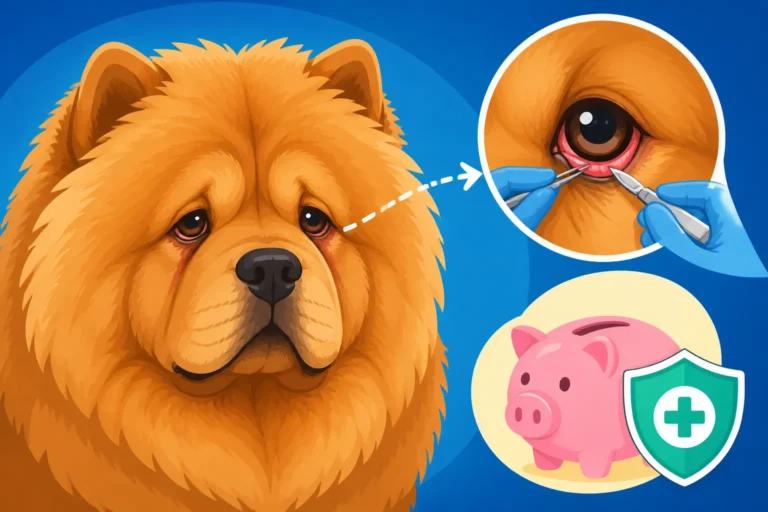
One of the most widely recognized issues is entropion, where the eyelid – often the lower one – rolls inward. Imagine having your eyelashes constantly rubbing against your eyeball; that's the painful reality for a Chow Chow with entropion. This constant irritation can lead to excessive tearing, blinking, sensitivity to light, and, most seriously, corneal ulcers. These ulcers are open sores on the surface of the eye and can become infected or, in severe cases, even rupture the eye. You can learn more about Entropion Is the Chow Chow's Signature Problem and What Entropion Does to a Chow Chow's Eye. The symptoms often become noticeable early in life, sometimes as young puppies, presenting as squinting or frequent pawing at the face.
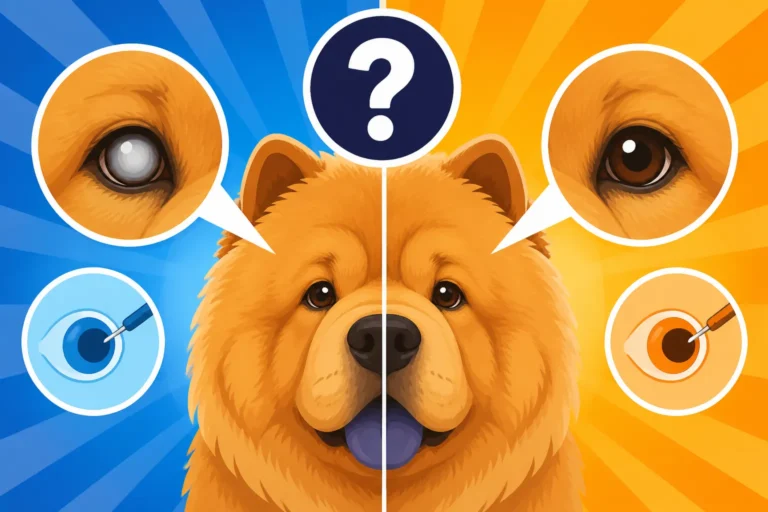
Another serious eye condition that Chow Chows are unfortunately predisposed to is glaucoma. This condition involves increased pressure within the eye, which can rapidly damage the optic nerve and lead to irreversible blindness, often within days if not treated immediately. Unlike entropion, which might develop more gradually, acute glaucoma is a true veterinary emergency. The unique anatomy of a Chow Chow's eye, specifically a narrow drainage angle, contributes to this risk. Understanding Glaucoma Can Blind a Chow Chow in Days and What Glaucoma Does to a Chow Chow's Eye is crucial for any Chow Chow owner. Symptoms can include a cloudy eye, redness, dilated pupil, and extreme pain, often causing your dog to shy away from touch.
The Financial Burden of Eye Care
Let's be blunt: treating these eye conditions is not cheap. When your Chow Chow is diagnosed with entropion, the most common and effective treatment is surgery. This involves carefully reshaping the eyelid to prevent it from rolling inward. Depending on whether one or both eyes are affected, and whether multiple surgeries are needed (sometimes a puppy tacking procedure is done first, followed by a more permanent fix later), the costs can really add up. Factor in the initial veterinary consultations, diagnostic tests, pre-surgical bloodwork, the anesthesia itself, the surgical procedure, post-operative medications like pain relievers and antibiotics, and follow-up visits, and you're looking at a significant expense. What Entropion Surgery Costs on a Chow Chow can be a real eye-opener for new owners.
Glaucoma is even more daunting financially because it's an emergency. An immediate visit to a veterinary ophthalmologist or emergency clinic is usually required, often involving specialized equipment to measure eye pressure How a Chow Chow's Eye Pressure Is Measured. Treatment can involve a regimen of expensive eye drops given multiple times a day, potentially for life, to manage pressure. If medication fails to control the pressure or the eye becomes blind and painful, surgical options, including removing the affected eye, might be necessary. The emotional toll is heavy, and the financial impact of What Removing a Chow Chow's Eye Costs can be devastating without proper planning.
The "When" of Pet Insurance for Chow Chows
Given the high probability and high cost of these breed-specific eye conditions, the question isn't if you should get pet insurance for your Chow Chow, but when. The answer, simply put, is as early as possible.
The Importance of Early Enrollment
The golden rule of pet insurance, which is often frustratingly rigid, is that it generally does not cover pre-existing conditions. A pre-existing condition is any illness or injury that showed symptoms or was diagnosed before your policy's start date or during its waiting period. For a breed like the Chow Chow, where eye issues are so prevalent, this detail is absolutely critical.
If your Chow Chow puppy, for instance, exhibits any squinting, excessive tearing, or redness in their eyes before you enroll them in a pet insurance policy, or during the initial waiting period, then any future treatment for entropion (or related issues like corneal ulcers) would likely be considered pre-existing and therefore excluded from coverage. Even if a veterinarian simply notes "possible entropion" or "eye irritation" in your puppy's medical record during an early check-up, that notation could trigger an exclusion.
Therefore, the ideal time to enroll your Chow Chow in pet insurance is as soon as you bring them home, typically around 8 weeks of age, and certainly before any symptoms of entropion or other eye conditions become apparent or are noted by a vet. By doing so, you ensure that these breed-specific, hereditary conditions, should they manifest later, are covered. Companies like Healthy Paws often highlight their comprehensive coverage for hereditary conditions, but even with such providers, the timing of enrollment relative to symptom onset is paramount.
Navigating Waiting Periods and Age Restrictions
Pet insurance policies aren't active the moment you sign up. They almost universally have "waiting periods"—a set amount of time you must wait after enrollment before coverage for certain conditions begins.
- Accident Waiting Periods: These are usually quite short, perhaps 2-3 days, for sudden injuries like a broken bone or ingesting something they shouldn't have.
- Illness Waiting Periods: Most policies have an illness waiting period, typically 14 days, before they will cover conditions like infections, digestive issues, or, crucially, eye conditions like entropion or glaucoma.
- Specific Condition Waiting Periods: Some policies may have longer waiting periods for certain conditions, like orthopedic issues (hip or elbow dysplasia, which Chows can also be prone to, see Elbow Dysplasia Ranks the Chow Chow Near the Top) or cruciate ligament tears, which could be 6 months or even a year. It's essential to scrutinize the policy for any specific waiting periods related to hereditary or ocular conditions.
So, not only do you need to enroll your Chow Chow before any symptoms appear, but you also need to account for these waiting periods. If your Chow Chow develops entropion symptoms during the 14-day illness waiting period, it will be deemed a pre-existing condition and won't be covered. This makes insuring a very young puppy even more crucial.
Additionally, many pet insurance providers have age restrictions for new enrollments. While puppies are usually easily insured, older dogs might face higher premiums or even be ineligible for new policies, especially comprehensive accident & illness plans. For example, trying to insure a Chow Chow once it reaches The Age a Chow Chow Is Considered Senior might mean a much more limited selection of plans or higher costs, and any existing conditions would, of course, be excluded. Don't wait until your Chow Chow is nearing their senior years, when their eyes are more likely to show signs of age-related changes or disease, as coverage will be harder to obtain.
Choosing the Right Policy for Your Chow Chow's Eyes
Selecting a pet insurance policy isn't a one-size-fits-all decision, especially when you're looking to cover breed-specific vulnerabilities like those in a Chow Chow's eyes. It requires careful consideration of what each policy truly offers.
Understanding Policy Types and Coverage
When you're shopping for pet insurance, you'll generally encounter a few main types of plans:
- Accident-Only Plans: These are the most basic and typically least expensive. They cover unexpected injuries from accidents (e.g., being hit by a car, swallowing a foreign object). However, they do not cover illnesses, which means they won't help with entropion, glaucoma, or any other disease. For a Chow Chow owner, this type of plan offers very limited protection against the most common and costly breed-specific issues.
- Accident & Illness Plans: This is the gold standard for most pet owners, and it's what you absolutely need for a Chow Chow. These comprehensive plans cover not only accidents but also a wide range of illnesses, including infections, cancer, digestive issues, and, crucially, hereditary and congenital conditions like entropion and glaucoma, provided they are not pre-existing. When comparing plans on platforms like Chewy or exploring options like Ollie, always dig into the fine print regarding waiting periods for breed-specific issues.
- Wellness Plans: These are often add-ons or separate plans that cover routine care, such as vaccinations, annual check-ups, and preventative medications. While valuable for general health, they won't cover treatment for actual eye diseases or surgeries.
For your Chow Chow, an Accident & Illness plan is essential. When reviewing these plans, pay close attention to whether they cover "hereditary conditions" and "congenital conditions." Entropion and glaucoma in Chow Chows are often considered hereditary (passed down genetically) or congenital (present from birth, even if not immediately obvious). Most reputable accident & illness plans do cover these if the policy is in place before symptoms appear.
You'll also need to understand the financial structure of the policy:
- Deductible: This is the amount you pay out of pocket before your insurance starts reimbursing you. It can be annual or per-incident.
- Reimbursement Percentage: This is the percentage of eligible vet bills the insurance company will pay after your deductible is met (e.g., 70%, 80%, or 90%).
- Annual Limit: Many policies have a maximum amount they will pay out in a policy year. Some offer unlimited coverage, which can be a huge benefit for chronic conditions or multiple serious issues.
Key Questions to Ask Your Provider
Don't be shy about contacting pet insurance companies directly with specific questions about Chow Chows and their eyes. This due diligence can save you a world of heartache and money down the line.
Here are some crucial questions to ask:
- "Do you cover hereditary conditions? Is entropion or glaucoma considered a hereditary condition for Chow Chows under your policy?" Get a clear "yes" to this. If they hesitate or say it's conditional, explore other options.
- "What are your waiting periods for illnesses, and specifically for eye conditions or hereditary issues?" Make sure you understand these dates fully.
- "If my veterinarian makes a note in my puppy's chart about potential eye irritation or a 'suspicion of entropion' before or during the waiting period, but no formal diagnosis is made, would that condition be considered pre-existing?" This is a critical nuance. Some companies are very strict, and any mention of a symptom can trigger a pre-existing exclusion.
- "Are there any breed-specific exclusions for Chow Chows in your policy, especially related to eyes?" While rare for Chows to be outright excluded, it's always good to confirm.
- "Do your policies cover the cost of a veterinary ophthalmologist specialist?" Often, complex eye issues require a specialist, and their fees can be higher.
- "What is the process for submitting a claim, and how quickly are claims typically processed?" Knowing this beforehand can reduce stress during a veterinary emergency.
When researching providers, comparing options from different companies is wise. For example, some may have better coverage for chronic conditions or offer more flexibility in deductible choices. Companies like Healthy Paws are known for their comprehensive coverage, while a platform like Chewy allows you to compare multiple providers, and Ollie, known for its food, may also offer or partner with insurance plans. It's worth comparing several to find the best fit for your Chow Chow's specific needs and your budget.
| Insurance Feature | Relevance for Chow Chow Eye Health | What to Look For |
|---|---|---|
| Pre-existing Conditions | Chow Chows are prone to entropion and glaucoma. If symptoms appear before enrollment/waiting period, these won't be covered. | Enroll as a puppy, before any symptoms. |
| Waiting Periods | Illness waiting periods (typically 14 days) apply to eye conditions. | Shorter waiting periods are better, but always confirm for hereditary/ocular. |
| Hereditary Condition Cover | Entropion and glaucoma are often hereditary in Chows. | Explicit coverage for hereditary conditions, no exclusions for Chows. |
| Specialist Coverage | Eye issues often require a veterinary ophthalmologist. | Policy covers specialist fees. |
| Annual Limits | Eye surgeries and long-term glaucoma medication can be very expensive. | High annual limits or unlimited coverage. |
| Deductible & Reimbursement | Affects your out-of-pocket costs. Higher reimbursement (e.g., 90%) means less for you to pay. | Choose a deductible you can comfortably afford, high reimbursement %. |
Beyond Insurance: Proactive Eye Health for Your Chow Chow
While pet insurance is a financial safety net, it's important to remember that it's just one piece of the puzzle. Proactive care and vigilant observation are equally important in safeguarding your Chow Chow's eye health.
Regular Veterinary Check-ups and Eye Exams
Routine veterinary visits are your first line of defense. Even if your Chow Chow seems perfectly healthy, yearly wellness exams provide an opportunity for your vet to thoroughly check their eyes. Early detection is absolutely critical for conditions like glaucoma, where rapid intervention can mean the difference between sight and blindness. Don't assume that because your dog isn't visibly limping or overtly sick, everything is fine. Many Chows are stoic and can hide discomfort surprisingly well.
Your vet can perform basic eye checks, and if they notice anything suspicious—even subtle signs like excessive tearing or slight eyelid changes—they can recommend a referral to a veterinary ophthalmologist. These specialists have advanced training and equipment to diagnose and treat complex eye conditions. Regular checks can also establish a baseline for your dog's eye health, making it easier to spot changes down the line. It's often debated Whether a Chow Chow Needs a Yearly Eye Exam, but for this breed, it's highly recommended.
Daily Eye Observation and Care
As a Chow Chow owner, you'll become keenly attuned to your dog's unique facial features. Part of that care involves daily observation of their eyes. Look for:
- Redness or Inflammation: Any unusual redness in the whites of the eyes or along the eyelids.
- Discharge: Is there clear, watery discharge, or is it thick, colored, or excessive? When a Chow Chow's Eye Discharge Means Entropion is often a sign.
- Squinting or Excessive Blinking: This is a strong indicator of pain or irritation, possibly from entropion. Why a Chow Chow With Entropion Squints.
- Paw at Eyes or Rub Face: This behavior signals discomfort.
- Cloudiness or Changes in Pupil Size: These can be signs of glaucoma or Cataracts in a Chow Chow.
- Behavioral Changes: Is your dog bumping into things, hesitant to go into dark rooms, or showing signs of vision loss?
Beyond just looking, you'll also want to keep the areas around your Chow Chow's eyes clean. Their deep-set eyes and facial folds can trap moisture and debris, leading to skin irritation and potential infection. Gently wiping these areas with a soft, damp cloth can help prevent problems. For specific guidance, you can refer to How to Clean Around a Chow Chow's Eyes. Always use products specifically designed for pet eye care if you need to do more than just clean with water.
By being proactive with both your insurance coverage and your daily care, you'll be well-equipped to provide the best possible health outcomes for your beloved Chow Chow, helping them live a comfortable life, free from preventable pain and suffering.
Disclaimer
This article is for general informational purposes only and does not constitute professional advice. Laws, prices and regulations vary by location and change over time. Consult a qualified professional for guidance on your specific situation.