Whether Male and Female Chow Chows Cost the Same
When you're dreaming of bringing a beautiful, fluffy Chow Chow into your home, it's natural to wonder about all the financial commitments involved. One question that often pops up is whether the initial price tag, or indeed the ongoing care, differs significantly between male and female Chow Chows. It’s a valid concern, especially when trying to budget for a new family member. This guide will walk you through the nuances of Chow Chow pricing, helping you understand that while there might be subtle differences, gender isn't usually the biggest factor in the overall cost of owning one of these magnificent dogs.
Initial Purchase Price: Are There Gender-Based Differences?
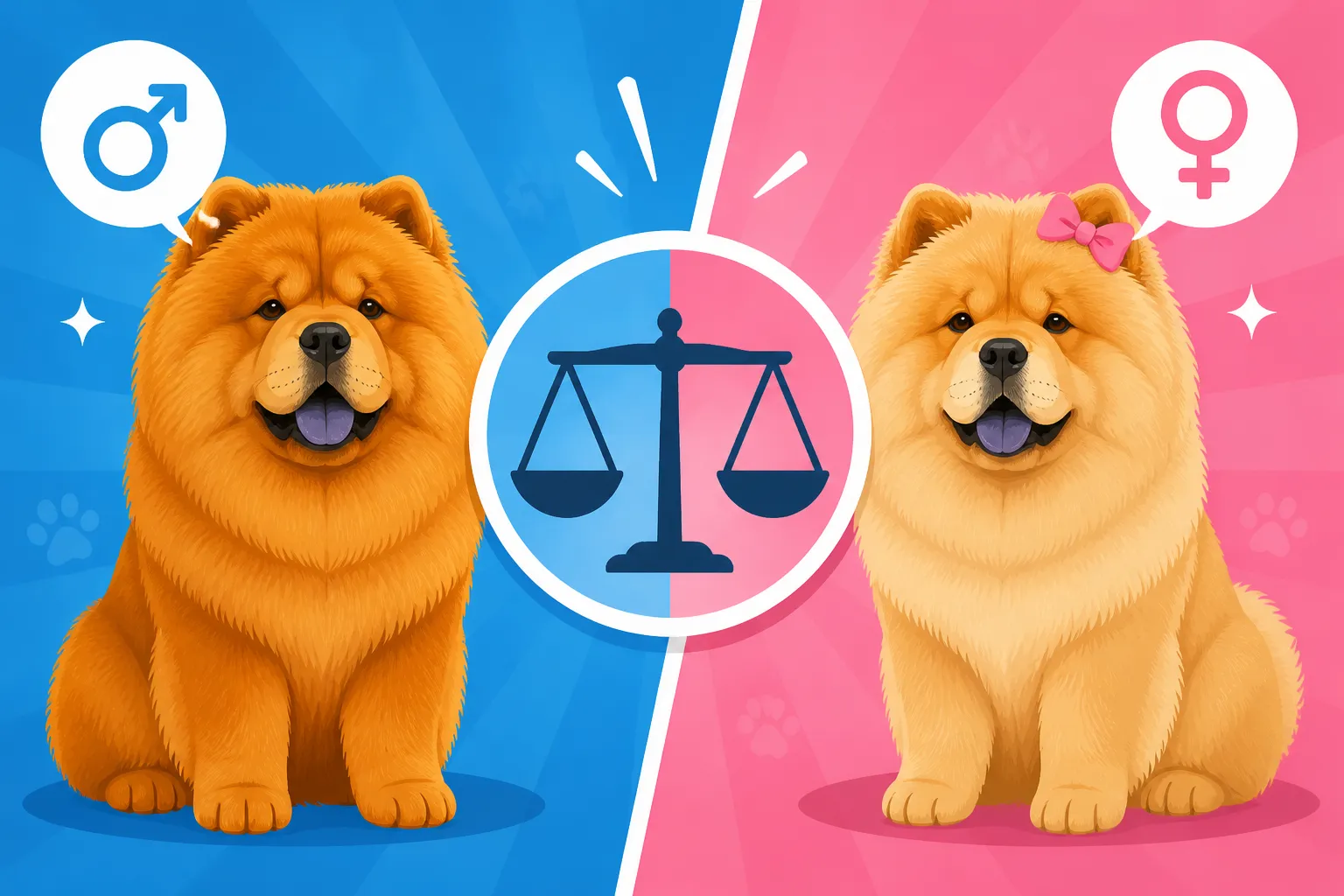
When you first start looking for a Chow Chow, you might expect to see a clear price distinction between male and female puppies, much like you might with certain livestock or working animals. However, in the world of purebred dogs, especially companion breeds like the Chow Chow, the reality is often far less dramatic. Most reputable breeders don't price their puppies based on sex. Instead, a host of other factors play a much more significant role in determining the initial cost.
Breeder Practices and Pricing Philosophies
Reputable breeders invest heavily in their breeding stock, genetic health testing, proper nutrition, early socialization, and veterinary care for both the dam and the puppies. Their goal is to produce healthy, well-adjusted puppies that embody the breed standard. Because this investment is universal across a litter, regardless of whether a puppy is male or female, the price tends to be consistent. They are selling a quality companion, not a commodity where one sex might be perceived as more valuable than the other for specific purposes. You'll find that their contracts and pricing for pet-quality puppies (those sold on spay/neuter agreements, often with limited registration) are generally the same for both sexes.
What does influence the initial price from a breeder far more is the puppy's lineage (champion parents, rare bloodlines), its potential for the show ring (which is a whole different discussion and price point, usually involving full registration), and sometimes even the specific color or coat type. For instance, a breeder might have a higher price for a Why a Blue or Cinnamon Chow Chow Costs More or a particularly striking red, but this applies equally to male and female puppies of that specific characteristic. The geographic location of the breeder and the overall demand for Chow Chows in that region can also affect pricing, often more so than the puppy's gender.
Adoption Fees Through Rescue Organizations
If you're considering adopting a Chow Chow from a rescue organization, the concept of a gender-based price difference is even less prevalent. Rescue groups are focused on finding loving, permanent homes for dogs in need, and their adoption fees are designed to cover the costs of vetting, spaying/neutering, microchipping, and providing temporary care for the dogs. These fees are almost universally standardized, with little to no variation between male and female Chows.
The fee might vary based on the dog's age (sometimes puppies or very young adults have slightly higher fees due to demand, while seniors might have reduced fees to encourage adoption), or based on the extent of veterinary care the individual dog required. For example, a Chow Chow that needed extensive dental work or a specialized surgery might have a slightly higher suggested donation, but this would apply equally to a male or female in the same situation. Adopting can be a wonderful way to give a deserving Chow Chow a second chance, and the financial structure is typically straightforward and equitable across genders. What Adopting a Chow Chow Costs can often be a more predictable cost than purchasing from a breeder, especially given the comprehensive care included.
Ongoing Costs: Where Gender Might Play a Small Role
While the initial purchase price is largely gender-neutral, there are some ongoing costs where the sex of your Chow Chow could introduce subtle differences, primarily revolving around reproductive health care and sometimes behavioral traits that influence training or veterinary needs.
Spaying and Neutering Expenses
This is perhaps the most significant area where a direct cost difference can arise. Spaying a female Chow Chow (ovariohysterectomy) is generally a more involved surgical procedure than neutering a male Chow Chow (orchiectomy). This is because spaying requires entering the abdominal cavity, whereas neutering is a less invasive external procedure. Consequently, the veterinary fees for spaying are often higher than for neutering. This difference encompasses factors like anesthesia time, surgical supplies, and post-operative pain management.
However, it's important to remember that this is a one-time cost, typically incurred within the first year or two of ownership. Many rescue organizations include spay/neuter in their adoption fees, so if you adopt, this cost is already covered. If you purchase from a breeder, they will often require you to spay or neuter your pet-quality Chow Chow by a certain age, and you will be responsible for this cost. It's a vital part of responsible pet ownership and significantly reduces the risk of certain health issues later in life, such as mammary tumors and pyometra in females, and testicular cancer in males. What Spaying or Neutering a Chow Chow Costs varies by region and clinic, but the gender-based difference generally holds true.
Potential Health Issues and Vet Bills
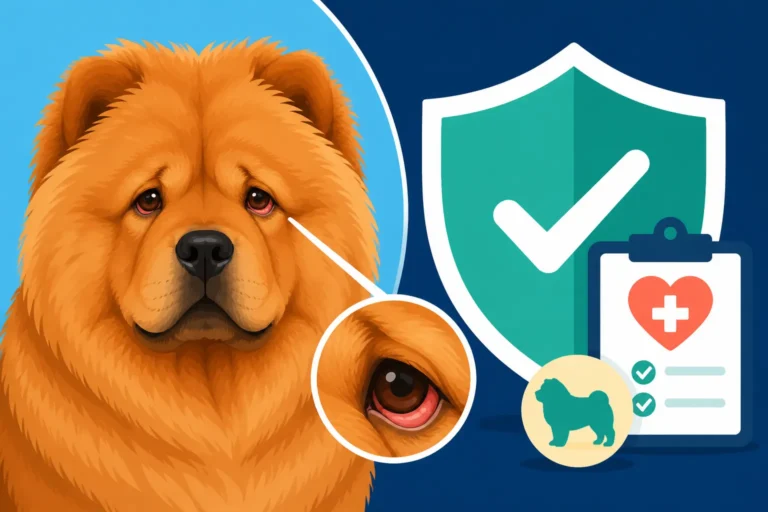
While many health issues are common across the breed regardless of sex, such as Entropion Is the Chow Chow's Signature Problem or Elbow Dysplasia Ranks the Chow Chow Near the Top, there are some sex-linked conditions to consider. Unspayed females are at risk for pyometra, a life-threatening uterine infection that requires emergency surgery, which can be very expensive. They also face a higher risk of mammary tumors, especially if spayed later in life or not at all. Unneutered males can be prone to testicular cancer and benign prostatic hyperplasia (enlarged prostate) as they age.
These are potential costs, not guaranteed ones, but they highlight how reproductive status, and by extension, gender, can influence long-term veterinary expenses. Investing in pet insurance from providers like Healthy Paws early on can help mitigate these unpredictable costs, regardless of your Chow Chow's gender. When you check their plans, look for comprehensive coverage that includes both accidents and illnesses.
Grooming and Food
For the most part, grooming requirements and food consumption are not dictated by gender in Chow Chows. Both males and females come in rough and smooth coats, and both will require diligent brushing, especially during their twice-yearly coat blows. Rough or Smooth: the Two Chow Chow Coats and What Each Needs explains this in detail. A large rough-coated male will need the same amount of grooming attention as a large rough-coated female. Similarly, their dietary needs are based on size, age, activity level, and individual metabolism, not primarily on sex. While a larger male might eat slightly more than a smaller female, this is more about size variance within the breed than a strict gender rule. You can find excellent food options for all Chow Chows on Chewy, from kibble to raw, catering to different dietary needs and helping manage their weight. Brands like Ollie also offer personalized meal plans that take into account your Chow Chow's specific caloric requirements, again, irrespective of gender.
Here's a quick comparison of potential cost considerations:
| Cost Category | Male Chow Chow | Female Chow Chow | Typical Difference |
|---|---|---|---|
| Initial Purchase | Generally same as female from reputable breeder. | Generally same as male from reputable breeder. | Minimal to None |
| Adoption Fee | Generally same as female from rescue. | Generally same as male from rescue. | Minimal to None |
| Neutering Surgery | Less invasive, typically lower cost. | More invasive (spay), typically higher cost. | Female higher |
| Food | May eat slightly more if larger. | May eat slightly less if smaller. | Based on size |
| Grooming | Dependent on coat type (rough/smooth), not sex. | Dependent on coat type (rough/smooth), not sex. | None |
| Preventative Vet Care | Routine check-ups, vaccinations (same for both). | Routine check-ups, vaccinations (same for both). | None |
| Reproductive Health Risks (unaltered) | Testicular cancer, prostate issues (lower cost prevention). | Pyometra, mammary tumors (higher cost prevention). | Female higher |
| Pet Insurance Premiums | Generally based on breed, age, location, not sex. | Generally based on breed, age, location, not sex. | Minimal to None |
Factors Beyond Gender That Impact Chow Chow Costs
It's clear that focusing solely on whether male or female Chow Chows cost more can distract from the real financial drivers. The truth is, many factors overshadow gender when it comes to the overall expense of owning one of these magnificent dogs. Understanding these broader influences will give you a much more accurate picture of what to expect.
Breeder Quality and Health Testing
This is paramount. A Chow Chow from a reputable breeder who performs all recommended health clearances for their breeding stock (hips, elbows, eyes, thyroid) will almost certainly cost more upfront than a puppy from a less scrupulous source. However, this initial investment is often a preventative measure against much larger veterinary bills down the line. A breeder who has taken the time to screen for genetic conditions like hip and elbow dysplasia can save you thousands in potential surgeries and lifelong medication. What a Chow Chow Breeder Should Have Tested gives you an idea of what to ask for. The slight difference in purchase price between a male or female from such a breeder is negligible compared to the cost of treating a severely dysplastic joint later in life.
Conversely, a "cheap" Chow Chow puppy, regardless of sex, often comes from a background where health testing was skipped, parents were not well-cared for, or socialization was absent. What a Cheap Chow Chow Puppy Signals is usually a warning sign, not a bargain. These puppies are far more likely to develop expensive health problems or behavioral issues requiring professional intervention, costing you more in the long run.
Coat Type and Color
While not directly tied to gender, the specific coat type (rough vs. smooth) and sometimes even the rarity of a color can influence the initial purchase price. For example, a rough-coated Chow Chow, often seen as the breed's iconic "lion-mane" look, might sometimes command a slightly higher price due to its popularity and the perceived grooming challenge (though both coats require significant care). Certain colors, like blue or cinnamon, might also be priced slightly higher by some breeders due to their perceived rarity or demand. This pricing, however, applies to both males and females of that particular coat or color. Why a Rough Coat Costs More Than a Smooth in terms of grooming, but not necessarily in initial purchase price from a breeder.
Geographic Location and Demand
The region where you live can significantly impact the cost of a Chow Chow. In areas with a high demand for the breed and fewer reputable breeders, prices can be higher due to scarcity. Conversely, in regions with many breeders or a lower demand, prices might be a bit more competitive. This applies equally to both male and female puppies or adult Chows. Travel costs to pick up a puppy from a distant breeder, or even shipping fees (if a breeder offers that, though in-person pickup is always recommended), would be additional expenses unrelated to the dog's sex.
Training and Socialization
Regardless of gender, Chow Chows are an independent and strong-willed breed that benefits immensely from early and consistent training and socialization. Why Early Socialization Decides What a Chow Chow Becomes is crucial for these dogs. While males sometimes get a reputation for being more dominant and females for being more "moody," these are generalizations. A Chow Chow's temperament and trainability are far more influenced by genetics, early experiences, and consistent training from their owner than by their sex. Investment in puppy classes, private training sessions, or specialized equipment might be necessary for any Chow Chow, regardless of whether it's male or female, depending on their individual personality and your experience level.
For instance, if you have a particularly stubborn Chow Chow, male or female, you might find yourself needing a professional trainer. These costs can add up quickly, but they are an investment in a well-behaved companion. Similarly, early exposure to various sights, sounds, people, and appropriate dogs is critical for all Chows to become well-adjusted adults, and this investment of time and sometimes financial resources (like puppy classes or safe daycare) is gender-neutral.
Lifespan and Senior Care
A Chow Chow's lifespan averages The Eight to Twelve Years a Chow Chow Gets, and as with any dog, the costs of care tend to increase as they age. Senior Chows may develop arthritis, dental issues, declining eyesight or hearing, or other age-related conditions. These require more frequent vet visits, specialized diets, medications, and potentially mobility aids. Caring for a Chow Chow Past Eight becomes a different financial journey. These senior care costs are not typically influenced by the dog's sex but rather by their individual health trajectory and the natural aging process. Whether you have a male or female, planning for increased veterinary expenses in their golden years is a wise financial strategy.
Ultimately, while the cost of spaying a female is generally higher than neutering a male, this single difference is usually minor when viewed against the backdrop of a Chow Chow's potential lifespan of care. The more impactful costs come from responsible breeding practices, proactive health management, and ongoing training—factors that apply equally to both male and female Chow Chows.
Disclaimer
This article is for general informational purposes only and does not constitute professional advice. Laws, prices and regulations vary by location and change over time. Consult a qualified professional for guidance on your specific situation.