Rough or Smooth: the Two Chow Chow Coats and What Each Needs
If you're dreaming of bringing a majestic Chow Chow into your life, or perhaps you're already living with one of these magnificent dogs, you've no doubt fallen in love with their unique, lion-like appearance. But that luxurious coat, whether it's the classic rough or the less common smooth, comes with its own set of responsibilities and challenges. This guide is here to walk you through everything you need to know about your Chow Chow's coat, what makes each type special, and exactly what kind of care routine you'll need to master to keep them looking their best and feeling comfortable.
Understanding the Chow Chow's Double Coat
Before we dive into the specifics of rough versus smooth, it's crucial to understand the foundation of any Chow Chow coat: the double layer. This isn't just fluffy hair; it's a meticulously designed system that evolved to protect these dogs in their original cold, mountainous environments. Ignoring this fundamental structure can lead to discomfort, matting, and even serious skin issues for your furry friend.
The Anatomy of a Chow Chow's Coat
A Chow Chow's coat, regardless of its length, is comprised of two distinct layers, each with a vital role to play. First, there's the harsh, coarse outer coat, often called guard hairs. These hairs are straight and stand off the body, providing the initial defense against environmental elements. They're like the shingles on a roof, designed to repel water, snow, and dirt, keeping the underlying layers dry and clean. They also offer some protection against minor abrasions or insect bites when your Chow is exploring.
Beneath this protective outer layer lies the second, arguably more critical, component: the dense, soft, woolly undercoat. This undercoat is what truly provides insulation, keeping your Chow Chow warm in winter and, perhaps surprisingly, helping to regulate body temperature in summer by trapping a layer of cooler air next to the skin. Think of it as a natural thermostat. This undercoat is much finer than the guard hairs and grows incredibly thick, especially in the rough-coated varieties. Neglecting either of these layers can compromise the coat's natural function and lead to a host of problems. Understanding What a Chow Chow's Double Coat Is Made Of is the first step to proper care.
The Purpose of the Double Coat
The double coat isn't just for show; it's an evolutionary marvel tailored for survival. In the Chow Chow's ancestral home, the thick double coat was indispensable for protection against harsh winters and rugged terrain. The outer coat, being somewhat water-resistant, would shed snow and rain, preventing moisture from reaching the skin and causing chills. The undercoat then acted as a supreme insulator, trapping body heat efficiently.
Interestingly, this double coat also serves a purpose in warmer weather. While it might seem counter-intuitive, a healthy, well-maintained undercoat actually helps to keep the dog cool by creating an insulating barrier against external heat. It prevents the sun's rays from directly reaching the skin and allows for air circulation close to the body, much like how a thermos keeps liquids both hot and cold. However, this only works if the coat is free of mats and dead undercoat, which can completely block airflow and lead to overheating. This vital function is why understanding and maintaining both layers is paramount for your Chow Chow's overall health and comfort, especially in diverse climates.
The Distinctive Rough Coat
When most people picture a Chow Chow, they're likely envisioning the rough-coated variety. This is the more iconic look, often described as lion-like due to its impressive mane and abundant fur. While undeniably beautiful, this coat type demands a significant commitment to grooming, which is a reality every rough-coated Chow owner quickly learns.
Characteristics and Appearance
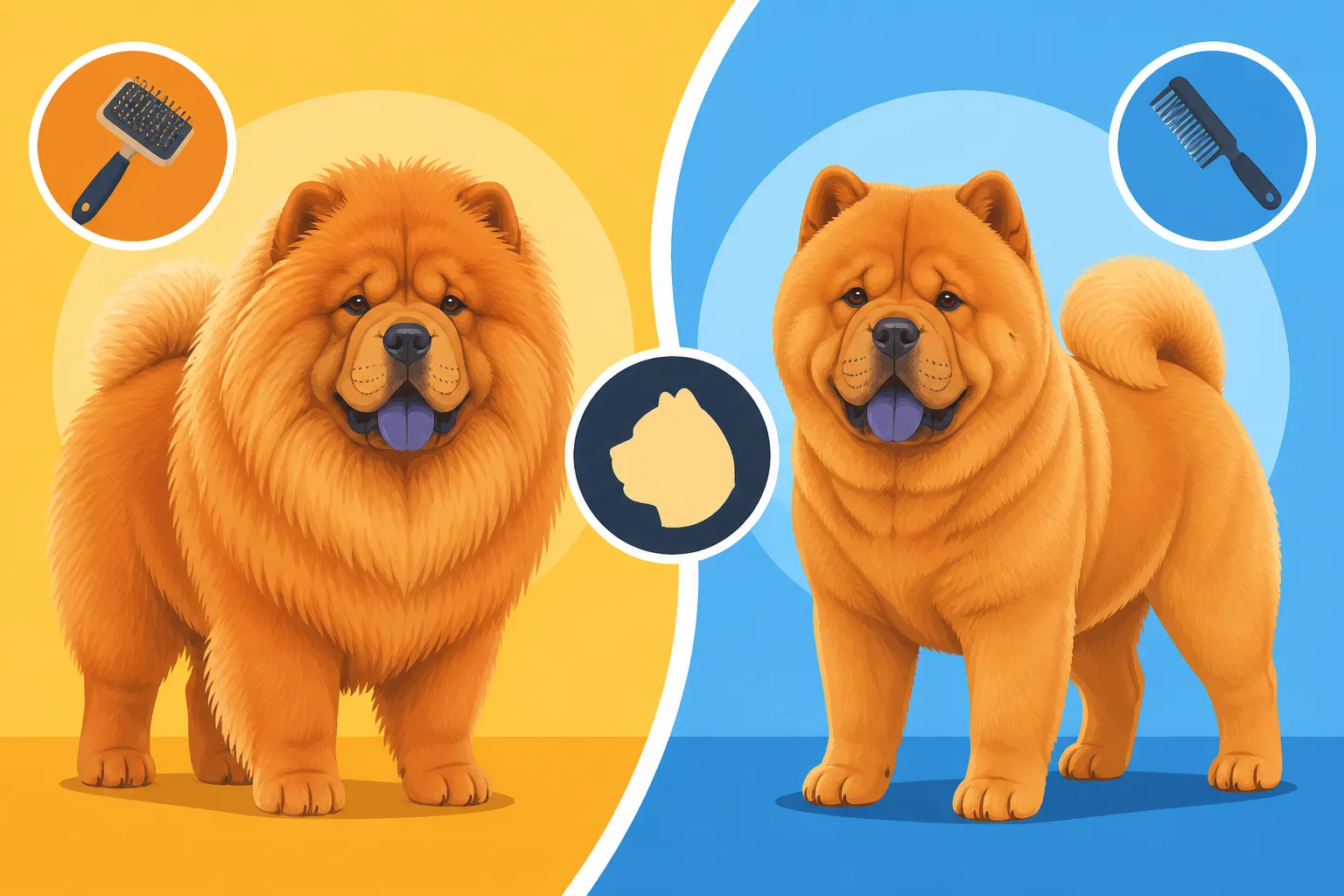
The rough coat is characterized by its profuse, dense, and straight outer coat, which stands off the body. Around the neck, it forms a magnificent ruff or mane, giving the dog its regal, leonine appearance. The tail is also heavily plumed and curls gracefully over the back. This coat is thickest around the head, neck, and britches (the fur on the hind legs), and it can give the dog an almost spherical silhouette when viewed from certain angles. The individual hairs of the outer coat are coarse, while the undercoat beneath is soft and woolly, packed tightly to the skin.
This dense fur is not just visually striking; it contributes to the Chow Chow's sturdy, compact build. However, this abundance of hair also means that mats and tangles can form quickly and easily if not regularly addressed. Moisture and dirt can get trapped deep within the layers, leading to skin irritation if not properly cleaned and dried. Owners often find that even after a thorough brushing, more hair seems to magically appear, especially during seasonal sheds.
Daily and Weekly Grooming Needs
Maintaining a rough-coated Chow Chow is a commitment, not a casual affair. For optimal health and to prevent painful matting, a rough-coated Chow Chow generally needs to be brushed at least three times a week, and ideally daily. This isn't just a quick run-over with a brush; it requires a systematic approach to reach down to the skin. You'll need to line brush, parting the coat in sections and brushing from the skin outwards, working your way through the entire dog. Areas like behind the ears, under the collar, in the armpits, and especially in the dense britches and tail are notorious for matting and require extra attention.
Neglecting these sessions for even a few days can result in tight, painful mats that pull at the skin. These mats not only cause discomfort but also prevent air circulation, trapping moisture and creating a breeding ground for bacteria and yeast, potentially leading to hot spots or other skin infections. Furthermore, the sheer volume of dead undercoat that accumulates can make your Chow miserably hot, defeating the coat's natural cooling properties. Regular, thorough brushing is therefore not just about aesthetics; it's a vital part of your Chow Chow's comfort and well-being. For detailed tips, check out How Often a Rough Coated Chow Chow Needs Brushing.
The Elegant Smooth Coat
While less common than its rough-coated counterpart, the smooth-coated Chow Chow possesses its own unique charm and a surprisingly different set of grooming requirements. Often mistaken for a different breed by the uninitiated, the smooth coat offers a sleeker, more refined silhouette.
Characteristics and Appearance
The smooth coat is defined by its short, dense, and harsh texture, with no obvious ruff or feathering on the legs and tail. The outer coat is still quite coarse, but it lies much flatter to the body, giving the dog a neat, well-groomed appearance without the dramatic volume of the rough coat. Despite its shorter length, the smooth coat is still a double coat, meaning it retains the insulating undercoat, though typically less profuse than in a rough-coated Chow. This gives the smooth variety a velvety feel when you stroke against the grain, but still a stiff, bristly feel when going with the hair growth.
The absence of a prominent mane or abundant britches means the distinctive Chow Chow scowl and compact build are still very much evident, but with a more streamlined profile. Their tails are still carried over their backs, but the feathering is minimal. Many owners appreciate the smooth coat for its comparatively lower maintenance, but it's a mistake to think it needs no grooming at all. It still sheds, and that dense undercoat still needs attention to prevent skin issues and promote healthy hair growth. You can learn more about What a Smooth Coated Chow Chow Looks Like to understand the subtle beauty of this variety.
Grooming Requirements for the Smooth Coat
While the smooth coat certainly offers a reprieve from the extensive matting concerns of the rough coat, it still requires consistent grooming. The key difference is the frequency and intensity rather than the complete absence of care. Smooth-coated Chow Chows typically need brushing at least once or twice a week to remove dead hair and stimulate the skin. While they don't develop the deep, difficult mats that plague rough coats, their undercoat can still become impacted, especially during shedding seasons.
A rubber curry brush or a slicker brush can be highly effective for smooth coats, helping to remove loose undercoat and polish the topcoat. The goal is to keep the skin healthy and ensure the natural shedding process can occur without the buildup of dead hair. Even though the hair is shorter, a neglected smooth coat can still lead to uncomfortable skin conditions if the undercoat isn't properly managed. Regular brushing sessions also provide an excellent opportunity for you to bond with your Chow and perform a quick health check of their skin. For specific routine guidance, see How Often a Smooth Coated Chow Chow Needs Brushing.
The Seasonal Coat Blow
No matter if you have a rough or a smooth-coated Chow Chow, one thing is certain: they shed. And when they really shed, it’s not just a little loose hair; it’s an event known as a "coat blow." This phenomenon is a significant part of Chow Chow ownership and something every owner needs to be prepared for.
What Happens During a Coat Blow
A Chow Chow typically experiences two major coat blows a year, usually in the spring and fall, as their bodies adjust to the changing seasons. During a coat blow, the entire dense undercoat is shed to make way for a new one better suited to the upcoming weather. In spring, they shed their heavy winter coat to prepare for warmer temperatures, and in fall, they shed their lighter summer coat to grow in a denser winter one. This isn't just minor shedding; it's a truly spectacular expulsion of fur. You might find what feels like an entire second dog's worth of hair coming off your Chow Chow.
This process can last anywhere from a few weeks to a couple of months, depending on the individual dog, their living environment (indoor vs. outdoor), and your grooming efforts. The amount of hair is astounding, and it can feel like a never-ending battle to keep your home from becoming completely carpeted in Chow Chow fluff. It's during these times that the risk of matting in rough coats, and undercoat impaction in both, is at its highest. Learning When a Chow Chow Blows Its Coat can help you prepare.
Managing the Shedding Avalanche
Managing a Chow Chow's coat blow requires dedication and the right tools. Daily, intensive brushing is absolutely essential during these periods, even for smooth coats. For rough coats, you'll want to use an undercoat rake or a deshedding tool like a Furminator with extreme care, always reaching down to the skin to pull out the massive amounts of dead undercoat. Slicker brushes and pin brushes are also invaluable for detangling and smoothing the topcoat once the undercoat is addressed.
A high-velocity dog dryer is another absolute game-changer. These powerful dryers blow air at a strong force, literally pushing the dead undercoat out from the skin, significantly speeding up the shedding process and helping to prevent mats. You can find excellent options on Amazon or Chewy. Brushing and then using the dryer outdoors, if possible, can save your vacuum cleaner a lot of grief. Without diligent grooming during a coat blow, your Chow can become incredibly uncomfortable, prone to overheating, and at high risk for severe matting. Expect to fill bags of fur, and understand that this is a normal, albeit hairy, part of Chow Chow ownership. Understanding How Much Undercoat Comes Off a Chow Chow will truly prepare you!
Essential Grooming Tools for Both Coats
Having the right tools is half the battle when it comes to grooming a Chow Chow. Attempting to tackle their dense coat with inadequate brushes or equipment is a recipe for frustration for both you and your dog. Investing in quality tools designed for double-coated breeds will make the entire process more efficient and much more comfortable for your Chow.
Brushes and Combs for Effective Grooming
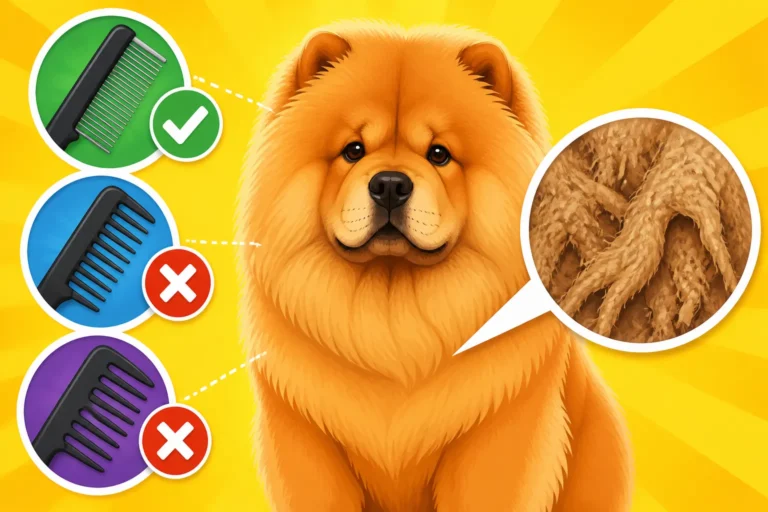
For both rough and smooth coats, a good quality slicker brush is indispensable for removing loose hair from the topcoat and gently working through minor tangles. However, a slicker alone won't get to the root of the problem for a Chow Chow's dense undercoat. You absolutely need an undercoat rake. These tools are designed with long, sturdy teeth that reach through the outer coat to pull out dead, shedding undercoat without cutting the healthy guard hairs. They are paramount during shedding season and for regular maintenance of rough coats.
A wide-toothed metal comb is also vital for checking your work and ensuring no tangles have been missed, especially in sensitive areas like behind the ears or on the britches. For rough coats, a pin brush can help with the longer guard hairs and overall fluffiness. For smooth coats, a rubber curry brush can work wonders for removing loose hair and massaging the skin. Always be gentle, especially when starting out, and praise your Chow lavishly. You can find a wide selection of these tools on platforms like Chewy or Amazon. Remember, the goal is to remove dead hair and prevent mats, not to pull or irritate the skin.
Bathing and Drying Equipment
Bathing a Chow Chow is no small feat, primarily because of how challenging it is to thoroughly wet and, more importantly, dry their dense double coat. A high-quality dog shampoo formulated for deep cleaning and conditioning is a must. Look for products designed for double coats that won't strip natural oils. Conditioners can also help in making the coat more manageable and preventing tangles.
The most critical piece of equipment for bathing a Chow Chow is a high-velocity dog dryer. Forget your human hairdryer; it simply won't have the power to penetrate their dense undercoat, and the heat can damage their skin. A high-velocity dryer, often referred to as a "force dryer," uses powerful, unheated or mildly heated air to blast water out of the coat and separate the hairs. This not only dries your Chow much faster but also helps to push out any remaining loose undercoat. How Long a Chow Chow Takes to Dry can be hours without one of these powerful tools, leading to potential skin issues like damp-related infections or hot spots. Drying to the skin is non-negotiable for a Chow Chow's health.
Common Coat Problems and Prevention
Despite your best efforts, Chow Chows are prone to a few common coat-related issues due to the very nature of their dense fur. Recognizing these problems early and knowing how to prevent them can save your Chow Chow from discomfort and you from costly vet visits.
Dealing with Mats and Tangles
Mats are arguably the most frequent and frustrating coat problem for Chow Chow owners, especially those with rough coats. These aren't just minor tangles; mats are dense clumps of fur that become tightly woven together, often pulling on the skin. They frequently form in high-friction areas: behind the ears, under the collar or harness, in the armpits, on the insides of the legs, and particularly in the heavy britches and tail. Mats are not only uncomfortable and painful but can also restrict movement and create a barrier that prevents air circulation and traps moisture, dirt, and parasites against the skin.
Prevention is always better than cure. Consistent, thorough line brushing as described earlier is your primary defense. If you do find a mat, resist the urge to pull or cut it out with scissors. Instead, use a mat splitter or a seam ripper (carefully!) to gently slice through the mat from the outside edge inwards, slowly separating the strands. Once it's sliced, you can often work it out with a comb or slicker brush. If a mat is too tight or too close to the skin, it's always safest to consult a professional groomer or your vet. Attempting to cut out a tight mat yourself can easily result in accidentally cutting your dog's skin, which is thin and delicate beneath the fur. Where a Chow Chow Mats First can help you focus your efforts.
Skin Issues Under the Dense Coat
The Chow Chow's thick coat, while beautiful, can also act as a perfect incubator for various skin problems if not properly cared for. Hot spots (acute moist dermatitis) are a common occurrence, especially if the coat is damp for too long after a bath or if the dog incessantly licks or scratches an irritated area. The dense fur traps moisture and heat, creating an ideal environment for bacteria to multiply, leading to a rapidly spreading, painful, weeping lesion. This is why it's crucial to ensure your Chow Chow is dried completely to the skin after every bath. Why a Damp Chow Chow Gets Skin Trouble is a lesson many owners learn the hard way.
Other issues include yeast infections, which thrive in warm, moist environments, often presenting with a distinct odor and greasy, flaky skin. Allergies can also manifest as skin irritation and excessive scratching, which the dense coat can make difficult to detect until the problem is advanced. Regular grooming not only helps prevent these issues by ensuring good air circulation but also allows you to visually inspect your Chow Chow's skin for any redness, bumps, flakiness, or unusual odors. Early detection is key to effective treatment, so make grooming time also a skin health check.
| Coat Type | Grooming Frequency (Minimum) | Primary Tools | Common Challenges | Seasonal Shedding Impact |
|---|---|---|---|---|
| Rough | 3 times a week (ideally daily) | Slicker brush, Undercoat rake, Metal comb, Pin brush | Mats behind ears, britches, armpits; Undercoat impaction | Extremely heavy, long-lasting |
| Smooth | 1-2 times a week | Rubber curry brush, Slicker brush, Metal comb | Undercoat impaction; Less matting, but still possible | Heavy, though less visible volume |
Professional Grooming vs. Home Grooming
Deciding whether to tackle your Chow Chow's grooming yourself or to rely on professionals is a common dilemma. Both approaches have their merits and challenges, and often, a combination of both is the most practical solution for a Chow Chow.
When to Seek Professional Help
There are several instances where calling in a professional groomer is not just helpful, but often necessary. Firstly, during severe coat blows, when the sheer volume of shedding fur becomes overwhelming, a professional groomer with high-velocity dryers and specialized tools can get the job done more thoroughly and efficiently than most home setups. They can significantly reduce the amount of loose undercoat, alleviating discomfort for your Chow and reducing the fur tsunami in your home. Whether a High Velocity Dryer Helps a Chow Chow Shed is a resounding yes, and groomers have them!
Secondly, if your Chow Chow has developed severe matting that you cannot safely resolve at home, a professional groomer is essential. They have the expertise to safely de-mat or, if necessary, clip out the mats without injuring your dog. Lastly, some Chow Chows simply do not tolerate extensive home grooming sessions, especially when it comes to bathing and drying. A patient, experienced groomer who understands the breed's temperament can often manage the process with less stress for everyone involved. It's a good idea to seek out a groomer experienced with double-coated breeds and Chows specifically.
Equipping Yourself for Home Grooming
If you choose to do most of your Chow Chow's grooming at home, which many dedicated owners do, you'll need to invest in the right equipment. This goes beyond just a basic brush. As mentioned, an undercoat rake, a sturdy slicker brush, and a wide-toothed metal comb are non-negotiables. For bathing, a good quality shampoo and conditioner are important, but the real game-changer is a high-velocity dog dryer. While it's an upfront cost, it will save you immense time and effort, ensuring your Chow is thoroughly dry and preventing skin issues.
You might also consider a grooming table, especially for rough coats, as it makes the process more comfortable for you and provides a stable surface for your dog. Nail clippers or a Dremel for nail trims, and ear cleaner for routine ear care, round out the essential kit. Learning techniques like line brushing and proper drying methods will be crucial. Remember, consistency is key; short, frequent grooming sessions are far more effective and less stressful than long, infrequent battles. You can find many of these items conveniently on platforms like Amazon.
Caring for the Chow Chow's Distinctive Features
Beyond the general coat care, Chow Chows have specific anatomical features that are directly impacted by their fur and require focused attention. Their deep-set eyes, facial folds, and dense ears can all become problem areas if not regularly maintained.
The Face Folds and Deep-Set Eyes
One of the most defining characteristics of the Chow Chow's face is its deep-set eyes and often prominent facial folds, which contribute to their unique "scowling" expression. While adorable, these features can also trap moisture and debris, leading to irritation or infection if not regularly cleaned. The folds around the eyes and muzzle can accumulate tear stains, food particles, and general grime.
It's important to gently wipe these areas daily with a soft, damp cloth or a pet-safe wipe. Pay close attention to the corners of the eyes for any discharge and to the skin folds themselves, ensuring they are dry and clean. Excessive moisture can lead to a condition called skin fold dermatitis. Furthermore, the deep-set nature of their eyes, coupled with their dense fur, can make them prone to conditions like entropion, where the eyelid rolls inward, causing eyelashes to rub against the cornea. Regular cleaning also gives you an opportunity to inspect your Chow's eyes for any signs of redness, squinting, or excessive tearing, which could indicate a more serious underlying issue like What Entropion Does to a Chow Chow's Eye.
The Ears and Tail
The Chow Chow's small, rounded ears, often nestled within their dense fur, require specific attention. Because they are typically covered by hair, air circulation can be limited, making them susceptible to moisture buildup and potential ear infections. It's crucial to check your Chow Chow's ears weekly. Gently lift the ear flap and visually inspect the ear canal for any redness, swelling, discharge, or an unpleasant odor. A healthy ear should be clean and pale pink.
If you notice any wax buildup or debris, you can use a veterinarian-approved ear cleaner and cotton balls (never Q-tips, as these can push debris further in or damage the eardrum) to gently clean the visible parts of the ear canal. If there are signs of infection, such as excessive scratching, head shaking, or a strong odor, it's time for a vet visit. Similarly, the Chow Chow's tail, with its thick fur carried over the back, can sometimes become a challenge. Ensure that the fur on the tail and around its base is kept free of mats, especially in rough-coated Chows, as this is another area prone to tangles and impaction.
The Impact of Diet and Environment on Coat Health
It's easy to focus solely on external grooming, but a Chow Chow's coat health is also a direct reflection of its internal well-being. Diet, climate, and overall living conditions play a significant role in the luster, density, and manageability of their fur.
Nutrition for a Healthy Coat
A high-quality diet is fundamental to a healthy coat. Just like our hair reflects what we eat, a dog's coat is a mirror of their nutritional intake. A diet rich in essential fatty acids, particularly Omega-3 and Omega-6, is crucial for skin and coat health. These fatty acids help maintain the skin's barrier function, reduce inflammation, and contribute to a shiny, healthy coat. Many premium dog foods, including those from brands you might find on Chewy or even a specialized option like Ollie, are formulated with these in mind.
If your Chow Chow's coat seems dull, dry, or prone to excessive shedding outside of seasonal blows, it might be worth discussing their diet with your veterinarian. They might recommend a dietary supplement like fish oil, or suggest a change in food. Ensure their food contains good quality protein sources, as protein is a major component of hair. A poor diet can lead to a sparse, brittle coat, dry skin, and increased susceptibility to skin conditions. Remember, you're not just feeding their hunger; you're feeding their overall health, right down to their beautiful fur.
Climate and Lifestyle Considerations
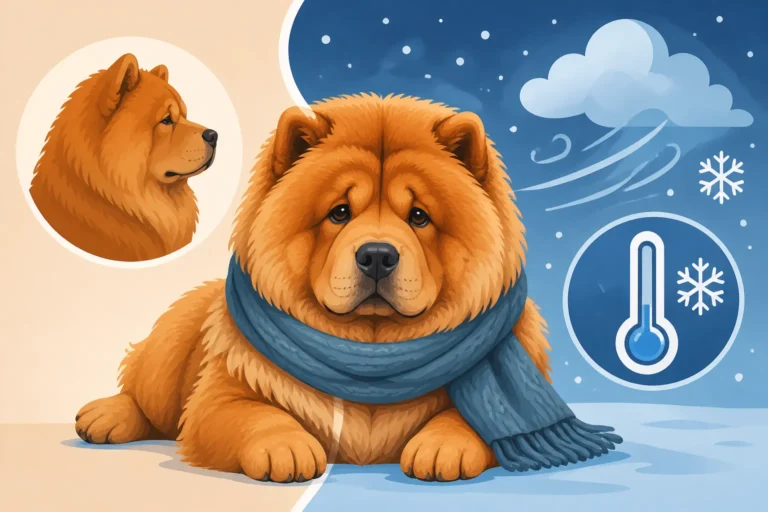
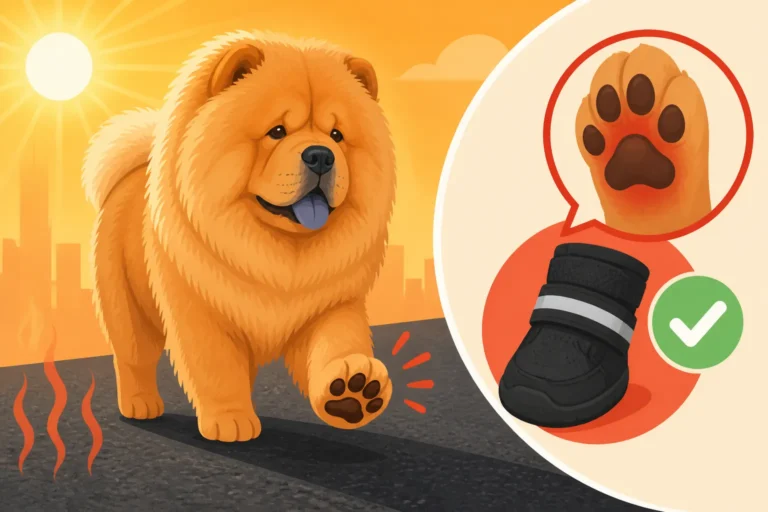
A Chow Chow's coat is a powerful insulator, which means their living environment and daily activities must be carefully managed, especially in warmer climates. They are a cold-weather breed, and their dense double coat makes them highly susceptible to overheating. In hot or humid weather, their coat's insulating properties can become a liability, trapping too much body heat. This is why it's so important to avoid strenuous exercise during the hottest parts of the day and ensure they always have access to cool, shaded areas and plenty of fresh water. Why a Chow Chow Overheats So Easily is directly tied to their coat.
For indoor Chows, air conditioning in warmer months isn't a luxury; it's often a necessity for their comfort and safety. Their lifestyle, too, affects their coat. Dogs that spend a lot of time outdoors or in dusty environments will naturally require more frequent grooming to remove dirt and prevent mats. Conversely, a Chow Chow living primarily indoors will still shed, but perhaps with less dramatic seasonal fluctuations, as they are less exposed to natural temperature changes that trigger significant coat blows. Adapting your grooming routine to your Chow Chow's specific environment and lifestyle is key to maintaining a healthy and comfortable coat.
Disclaimer
This article is for general informational purposes only and does not constitute professional advice. Laws, prices and regulations vary by location and change over time. Consult a qualified professional for guidance on your specific situation.