Whether a Chow Chow Puppy Mill Sells Cheaper
It's a heartbreaking reality that many aspiring Chow Chow owners, captivated by the breed's majestic appearance, find themselves tempted by what appears to be a bargain: a puppy offered at a significantly lower price. Often, these "deals" come from puppy mills or backyard breeders, and while the initial cost might seem appealing, it's a false economy that almost always leads to immense emotional and financial distress down the line. This guide will help you understand the true financial and ethical implications of purchasing a Chow Chow from a puppy mill, revealing why the initial savings are merely a down payment on a lifetime of potential problems.
The Deceptive Appeal of Lower Prices: Puppy Mills vs. Reputable Breeders
When you're searching for a Chow Chow puppy, you might encounter a wide range of prices. It’s natural to want to save money where you can, but with a living creature, especially one as unique and prone to specific health issues as a Chow, a low price tag is almost always a red flag. Puppy mills operate on volume and minimal investment, which directly translates to lower initial costs for them, and seemingly for you.
How Puppy Mills Skimp on Costs
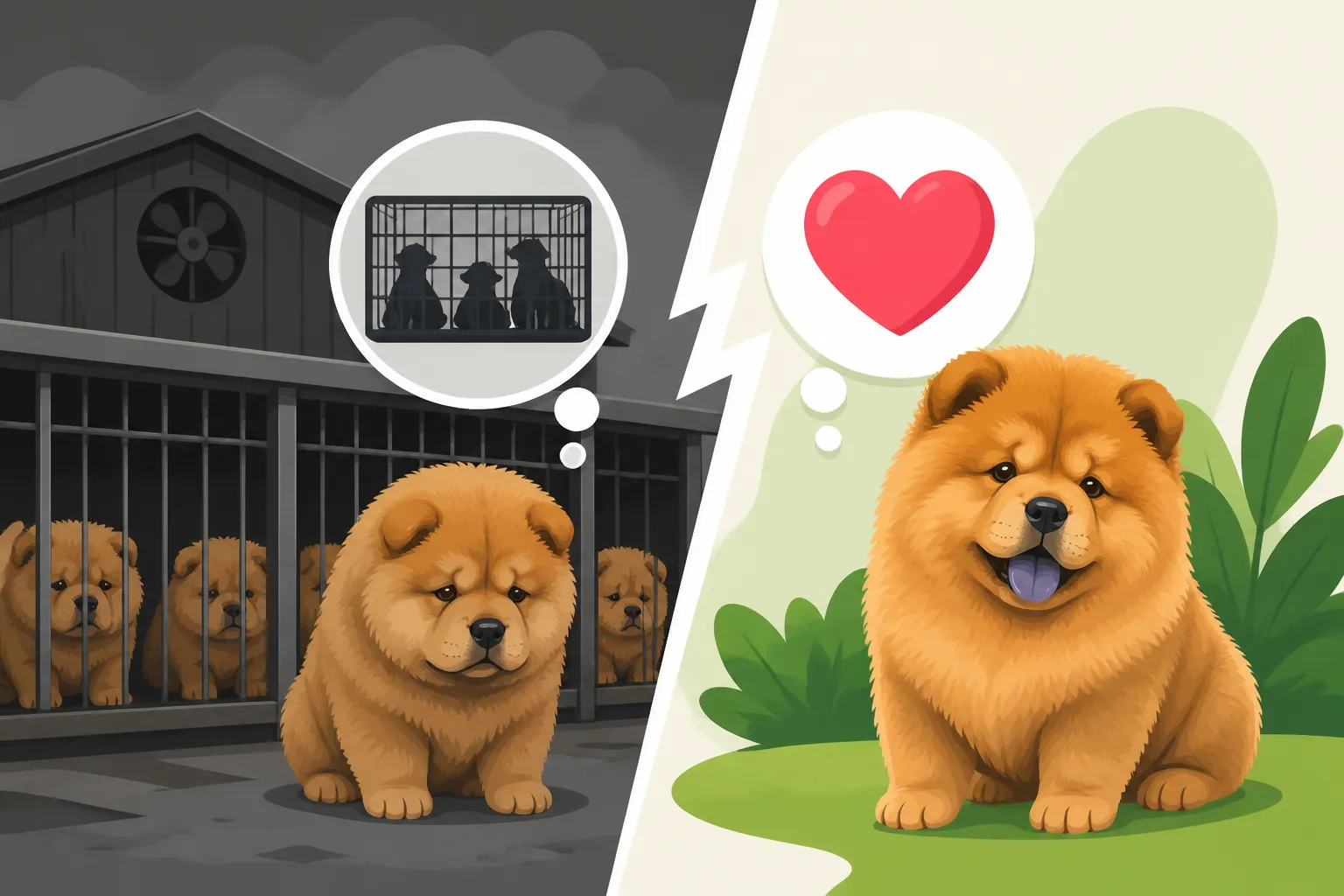
Puppy mills are commercial breeding operations where profit takes absolute precedence over the welfare of the animals. To maximize their profit margins, they cut corners at every conceivable step. This means inadequate nutrition for the breeding dogs and puppies, overcrowded and unsanitary living conditions, and little to no veterinary care. They don't invest in genetic health testing for their breeding stock, which is a crucial step that reputable breeders take to minimize the risk of passing on inherited diseases. Things like proper socialization, grooming, and even basic handling are often non-existent. These are the "hidden" costs they avoid, allowing them to sell puppies at a fraction of what an ethical breeder might charge. They simply don't have the expenses associated with responsible breeding, such as proper housing, quality food, regular vet checks, extensive health clearances, or dedicated staff for socialization.
The Investment of a Reputable Chow Chow Breeder
In stark contrast, a reputable Chow Chow breeder views their endeavor as a passion and a commitment to the breed's health and future, not just a business. They invest heavily in every aspect of their dogs' lives. This includes high-quality food, spacious and clean living environments, regular and comprehensive veterinary care for their adult Chows, and meticulous health screenings. A responsible breeder will have their breeding Chows certified through organizations like the Orthopedic Foundation for Animals (OFA) for conditions like hip and elbow dysplasia, and undergo eye examinations by a board-certified veterinary ophthalmologist for conditions like entropion or glaucoma. They'll also perform thyroid panels and potentially other breed-specific tests. All of these tests cost money, sometimes a significant amount, but they are vital for ensuring healthy offspring.
Beyond physical health, a good breeder dedicates time and resources to the puppies' early socialization, exposing them to various sights, sounds, people, and experiences to build a stable temperament. They provide excellent nutrition for the pregnant dam and the growing puppies, ensuring a strong start in life. When you purchase a puppy from such a breeder, you're not just paying for the puppy; you're contributing to the years of dedication, knowledge, and financial investment that went into producing a healthy, well-adjusted companion. The price reflects their commitment to the breed, not just a transaction. You can learn more about these efforts in articles like What a Chow Chow Breeder Should Have Tested and Which Health Tests a Chow Chow Breeder Should Run.
The Hidden, Astronomical Costs of a Puppy Mill Chow Chow
While the initial purchase price of a puppy mill Chow Chow might seem cheaper, it's akin to buying a car with a "check engine" light already on – the savings upfront will be dwarfed by the repair bills. These hidden costs often manifest in devastating ways that impact both your wallet and your heart.
Mounting Veterinary Bills for Health Problems
The lack of genetic health testing and proper care in puppy mills means their puppies are significantly more prone to inherited diseases and conditions caused by neglect. Chow Chows, as a breed, are predisposed to certain health issues, and a puppy mill actively exacerbates these risks. You could be looking at a lifetime of veterinary bills for conditions such as:
- Entropion: This is where the eyelid rolls inward, causing eyelashes to rub against the cornea, leading to pain, irritation, and potentially corneal ulcers or blindness. It's incredibly common in Chows and requires surgery, often more than once. Imagine the heartache and expense of multiple eye surgeries for your new puppy. We have delved into this problem in The Entropion Surgery Every Chow Chow Owner Should Budget For and What Entropion Surgery Costs Per Eye on a Chow Chow.
- Hip and Elbow Dysplasia: These painful genetic conditions affect the joints, leading to arthritis, lameness, and potentially costly surgeries. A puppy mill breeder almost certainly won't have screened their breeding stock for these issues. The surgery for elbow dysplasia, for example, can be substantial, as discussed in What Elbow Surgery Costs on a Chow Chow.
- Autoimmune Diseases: Chows can be prone to conditions like autoimmune thyroiditis or pemphigus foliaceus. While these can occur in any dog, a strong genetic lineage and good health management by a breeder can help mitigate risks. Unhealthy conditions in a mill can further compromise a puppy's developing immune system, leading to lifelong medication and veterinary care. Autoimmune Disease in a Chow Chow offers more insight into this.
- Renal Dysplasia: A severe, often fatal kidney disease that can affect young Chow Chows. Ethical breeders screen for this in their lines. A puppy mill would not. The tragedy of losing a young puppy to such a condition is immeasurable, and the veterinary efforts to save them can be costly. For more information, read Familial Renal Dysplasia Kills Young Chow Chows.
These aren't just minor vet visits; they can involve specialized veterinary ophthalmologists, orthopedic surgeons, and internal medicine specialists. The costs of diagnostics, surgeries, medications, and follow-up appointments can easily climb into thousands, far exceeding any initial savings on the puppy's purchase price. While pet insurance companies like Healthy Paws can help with unexpected vet bills, they typically don't cover pre-existing conditions. If your puppy mill Chow Chow comes with a genetic predisposition that manifests early, insurance might not be an option for that specific ailment, or premiums could be significantly higher. For example, Whether Insurance Covers a Chow Chow's Entropion explains these challenges.
Behavioral Challenges and Training Expenses
Beyond physical health, puppy mill Chows often suffer severe behavioral issues due to a lack of early socialization and environmental enrichment. They are frequently kept in isolation, without exposure to normal household sights, sounds, or human interaction. This can result in:
- Fear and Anxiety: Puppies raised in mills often develop extreme fear of new people, places, and experiences. They might cower, shy away, or even become fear-aggressive as they mature.
- Aggression: Due to fear, lack of proper handling, or genetic predispositions (poor temperament in parents), these dogs can display aggression towards strangers, other animals, or even family members.
- Housetraining Difficulties: Puppies raised in unsanitary conditions where they are forced to eliminate in their living space often struggle immensely with housetraining, as they haven't learned to differentiate sleeping areas from potty areas.
- Difficulty with Handling and Grooming: A Chow Chow's dense coat requires regular grooming, but if they haven't been positively introduced to brushing and handling, it can become a terrifying ordeal for them and a dangerous one for you.
Addressing these issues often requires professional dog trainers, behaviorists, and potentially even veterinary behavioral medication. The cost of such interventions can be substantial, with individual sessions or behavioral programs costing hundreds or even thousands of dollars. An undersocialized Chow Chow is a serious challenge, as highlighted in What an Undersocialized Chow Chow Becomes. Furthermore, if your Chow Chow requires sedation just for routine vet visits or grooming due to extreme fear or aggression, those costs add up quickly. A "fear-free" veterinary practice, while wonderful for anxious dogs, also comes with its own considerations, as discussed in Whether a Chow Chow Needs a Fear Free Practice.
Neglected Grooming and Diet
Chow Chows have a magnificent double coat that requires diligent care. Puppy mill Chows often arrive with matted, filthy coats and are unfamiliar with grooming tools. Professional grooming for a Chow Chow is already an investment, but dealing with severe matting can significantly increase the cost, as groomers must take extra time and care, or even shave the dog entirely if matting is too severe. What a Rough Coated Chow Chow Costs at the Groomer and Why a Groomer Charges More for a Matted Chow Chow elaborate on this.
Moreover, the poor nutrition in puppy mills can leave puppies with digestive issues, poor coat quality, and a generally compromised immune system. You might find yourself investing in specialized diets or supplements, trying to reverse the damage. Services like Chewy or Ollie can provide high-quality food options, but restoring a puppy's health after such a poor start takes time and extra expense.
Recognizing a Puppy Mill Operation
It's crucial to be able to identify a puppy mill or a negligent backyard breeder to avoid falling into this trap. They often employ deceptive tactics to appear legitimate. Here are some red flags to watch for:
Inability to See the Parents and Breeding Environment
A reputable breeder will insist that you visit their home or facility to meet the puppy's mother (the dam) and often the father (the sire) if he lives on-site. They want you to see the clean, nurturing environment where their puppies are raised. A puppy mill will often refuse this, preferring to meet in a neutral location like a parking lot or to ship the puppy directly. This is because they don't want you to see the deplorable conditions their animals live in. If you cannot meet the dam, walk away. Whether a Chow Chow Breeder Should Show the Dam is an important read.
Lack of Health Testing Documentation
Ask to see proof of health clearances for both parent dogs. This isn't just a verbal assurance; it's official documentation from organizations like OFA or the Canine Eye Registration Foundation (CERF), or veterinary specialist reports. A reputable breeder will be proud to share these results. A puppy mill will likely have excuses, claiming tests are "too expensive" or "unnecessary," which means they haven't done them. They might even provide fake certificates. Don't be shy about asking for proof.
Selling Multiple Breeds or "Always Available" Puppies
Reputable breeders typically specialize in one or two breeds at most, dedicating their efforts to improving those specific lines. Puppy mills, however, often have multiple breeds available, often listed online like commodities. If a "breeder" always seems to have puppies available, regardless of the season, it's a huge red flag that they are over-breeding their females or sourcing puppies from other mills. Ethical breeding is a carefully planned process, and litters are not constantly available.
Lack of Buyer Screening and Contract
A responsible breeder cares deeply about where their puppies go. They will ask you many questions about your living situation, experience with dogs, and understanding of the Chow Chow breed's specific needs and temperament. They want to ensure their puppies are going to responsible, loving homes. A puppy mill, focused solely on sales, will ask few to no questions of you. They'll also rarely provide a comprehensive contract detailing health guarantees, spay/neuter clauses, or return policies. If they don't care about you, they don't care about the puppy. What a Chow Chow Breeder Contract Requires provides insight into typical breeder contracts.
Puppies Appear Unhealthy or Fearful
Observe the puppies closely. Are they clean, bright-eyed, and playful? Or do they seem lethargic, have discharge from their eyes or nose, show signs of skin issues, or appear excessively shy or fearful? Puppy mill puppies often look sickly or act withdrawn due to poor nutrition, lack of veterinary care, and inadequate socialization. Trust your gut if something feels off about the puppies or their environment.
Why Investing in a Reputable Breeder Pays Off in the Long Run
While the initial cost of a well-bred Chow Chow puppy might seem higher, it is an investment that pays dividends for years to come. Choosing a reputable breeder is choosing peace of mind, greater financial predictability, and most importantly, a healthier, happier companion.
A Foundation of Health and Temperament
When you bring home a Chow Chow from a responsible breeder, you're getting a puppy whose parents have been screened for genetic diseases, whose lineage has been carefully considered, and who has received excellent early care and socialization. This drastically reduces the likelihood of facing devastating and costly health crises or severe behavioral problems down the road. You’re building a strong foundation for your dog's life.
Ongoing Support and Expertise
A good breeder acts as a lifelong resource. They are there to answer questions, offer advice, and provide support throughout your Chow Chow's life. They know their lines intimately and can offer insights into what to expect as your puppy grows. This kind of mentorship is invaluable, especially for a breed with specific needs like the Chow Chow.
Ethical Responsibility and Peace of Mind
Choosing an ethical breeder means you are not contributing to the cruel and inhumane cycle of puppy mills. You are supporting responsible animal husbandry and helping to preserve the integrity and health of the Chow Chow breed. Knowing your dog came from a loving, ethical environment, and that its parents are well-cared for, brings a peace of mind that no initial discount can ever provide.
Here's a quick comparison of what you can generally expect:
| Feature | Puppy Mill Chow Chow | Reputable Breeder Chow Chow |
|---|---|---|
| Initial Cost | Often appears lower | Generally higher, reflecting investment |
| Parent Access | Usually denied or highly restricted | Encouraged, often a prerequisite for purchase |
| Health Testing | Little to none, no verifiable documentation | Extensive genetic and health clearances, documented |
| Environment | Unsanitary, overcrowded, minimal enrichment | Clean, spacious, enriched, family-oriented |
| Temperament/Socialization | Often fearful, anxious, poorly socialized | Confident, well-adjusted, introduced to various stimuli |
| Veterinary Care | Minimal or non-existent | Regular vet checks, vaccinations, parasite control |
| Health Guarantee | Non-existent or vague, difficult to enforce | Comprehensive, written health guarantee in a contract |
| Breeder Support | None after sale | Lifelong resource and support |
| Long-Term Costs | High potential for massive vet bills, training | Lower likelihood of major health/behavioral issues, but vet costs always possible |
| Ethical Impact | Supports cruel industry | Supports ethical breeding and breed preservation |
Ultimately, while a puppy mill Chow Chow might seem cheaper at first glance, the true cost is almost always far greater. It’s a cost paid in veterinary bills, behavioral challenges, emotional distress, and the knowledge that you inadvertently supported an unethical industry. Investing in a healthy, well-adjusted Chow Chow from a reputable breeder is not just about the money; it's about choosing a loving, healthy companion for many happy years to come.
Disclaimer
This article is for general informational purposes only and does not constitute professional advice. Laws, prices and regulations vary by location and change over time. Consult a qualified professional for guidance on your specific situation.